
It is often said that we know more about the surface of the moon than we know about the depths of the oceans. And this is largely true. Scientists estimate that only about 5% of the ocean floor is mapped, less than 1% has been explored, and the overwhelming majority of organisms living in the depths of the sea have yet to be discovered.
So in many ways, it is really like another planet down there! And while our exploration of the deep sea might not be as headline-grabbing as Apollo 11 touching down on the moon, scientists have also spent decades developing cutting-edge technology to explore these peripheries of our plan. And why? Well, the same reason why billionaires like Elon Musk are pumping trillions into space exploration. A whole lot of unknown means a massive potential goldmine for whoever strikes it gold and a massive leap for mankind.
Since the discovery of new deep-sea species of fish and mollusks isn’t exactly as eye-catching as the search for life on Mars, even some of the most important discoveries of this past decade have largely passed under the radar of those outside the scientific community. Let’s take this for example: even if you’re big on wellness and nutrition and think you know the best source for just about every essential nutrient there is, you probably didn’t know that some recently discovered deep-sea fish are among the best sources of protein on the planet!

Wait, really? Yep, read on!
Most seafood we eat comes from surface-dwelling fish and other marine animals, as not only are they a lot easier to catch, but they’re also usually more ‘meaty’ and easier to eat. Most deep-sea fish have taken a bit of a different evolutionary path and tend to have more bone, cartilage, and other less-edible or less-tasty bits. As such, when these fish do wind up in the fishing nets of trawlers, they’re often discarded as being inedible or, at best, unappetizing.
But some research and discoveries from back in the 1970s found that essential proteins, lipids, and amino acids from so-called ‘inedible’ fish could be extracted and turned into something easily consumable through a fermentation process using special bacteria called Lactic Acid Bacteria (LAB).
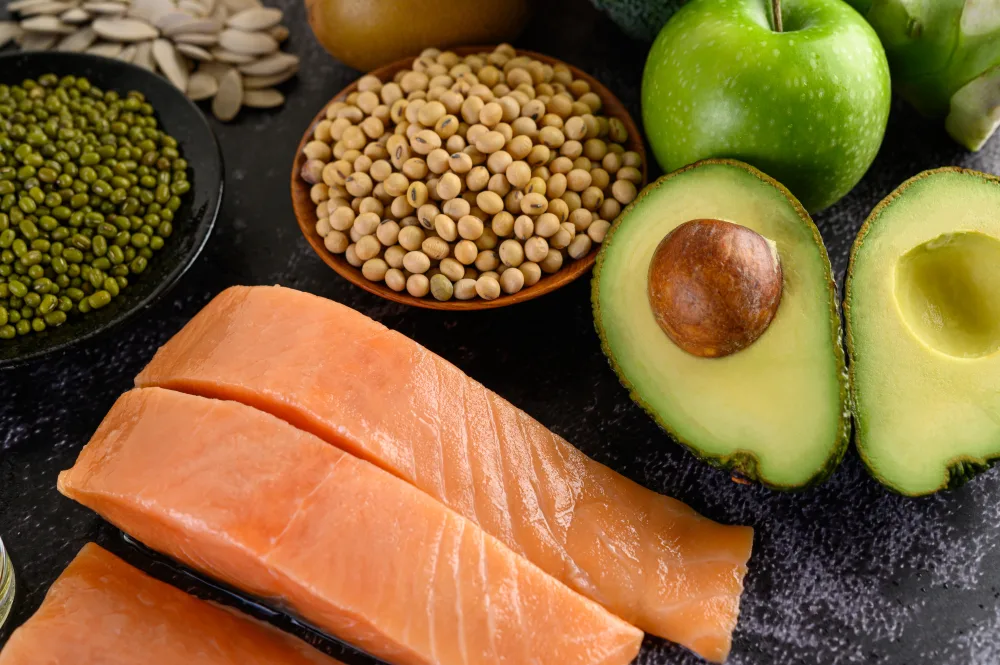
[restrict]And what makes this discovery so special? Well, deep-sea fish are an incredibly potent source of protein and other nutrients, such as the well-known Omega-3 fatty acid. It takes a lot of nutrients and well-evolved organic compounds to survive in such harsh, almost other-worldly environments, so most of what’s living down there has a lot of matter in it that we can benefit from if we manage to consume it.
The Riches of the Deep Sea, Available at Your Doorstep!
For over 40 years now, marine scientists and nutritionists have known about the high-quality lipids and proteins in deep-sea fish and have understood how to best extract them. But perfection takes time, and it’s scientists like Dr. Leonard C. Giunta of Proper Nutrition who’ve spent the better part of the past few decades perfecting the LAB process and developing powerful dietary supplements from deep-sea acids and proteins.
After decades of research, Proper Nutrition packs it all together in Seacure.
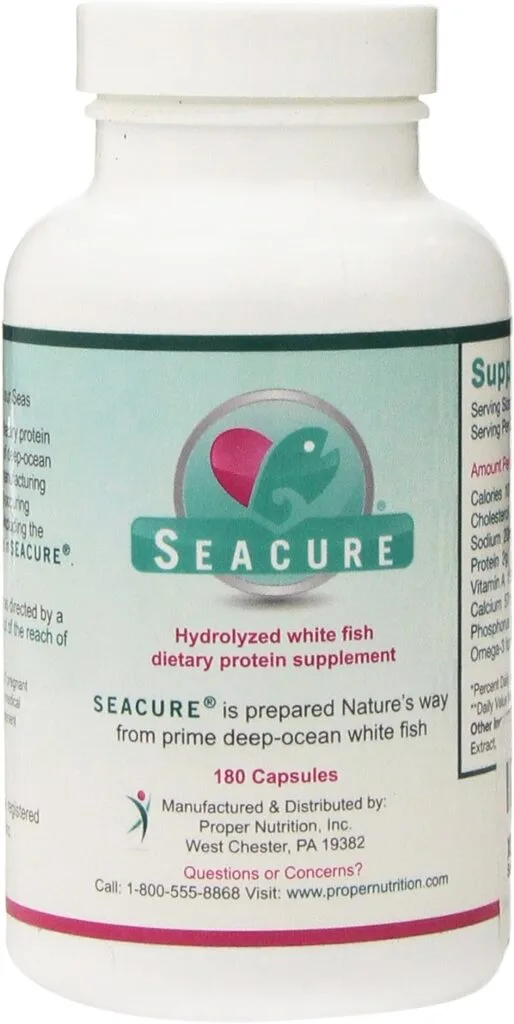

Although you might see it advertised as a protein and/or fatty acid supplement, it’s actually a whole food product, made from freshly caught deep-sea fish processed through the fermentation formula to create this edible and easily digestible powder. We’re not talking about pills or some other pseudoscientific supplement here; this is pure nature, concentrated in a powder that can be easily absorbed by the body’s digestive system. There are no additives, preservatives, or other ingredients; just the fish!
And you’ll notice this as soon as you unscrew the bottle and take a whiff of the natural fish scent. Though the exact scent and appearance of the powder can vary depending on the season and what fish were hauled in the most recent batch, each bottle is carefully tested before distribution to ensure it’s 100% harmless and contains only the best.
Beyond being a powerful source of protein, Seacure also contains bioactive peptides, biogenic amines, numerous essential minerals, and Omega-3 fatty acids.
You might not have heard of all of these, so rather than boring you with the details, we’ll cut to the chase and talk about how these fishy nutrients can benefit your health. Protein and other nutrients from deep-sea fish like what’s found in Seacure have been proven to promote digestive health and alleviate symptoms of digestive illnesses like nausea and diarrhea, empower the immune system, boost muscle performance and recovery, among other things.
Due to its boosts to the immune and digestive systems, Seacure can be a great addition to your diet if you suffer from a chronic digestive disorder such as Crohn’s or IBS. It can also be a great boost to your diet if you’re looking for a way to get more protein into your diet while sticking to whole foods and avoiding protein supplements. And what’s more, it’s completely harmless and without any side effects! Since it’s just pure fish, unless you have an allergy to seafood, there’s nothing more that can harm you or negatively impact your health than you’d find in a filet of salmon at the grocery store.
And there’s no right or wrong dose, either! Proper Nutrition recommends six tablets per day, but ultimately, it’s up to you.
Colostrum: Nature’s Super Juice!
It might have taken scientists until the late 20th century and tons of technological advancements to discover that one excellent source of proteins from the depths of the sea, but there’s another naturally-supercharged source of protein that humans have been utilizing for basically as long as we’ve ever existed as humans, even if we didn’t know it.
A biproduct of millions of years of evolution, humans (and many other mammals) have evolved to naturally produce this powerful protein for our newborn offspring in order to boost their chances of survival in the critical first weeks of life. Newborn infants have weak immune systems, digestive systems that don’t yet function properly, and bodies that are incredibly sensitive to even the slightest damage.
The weak digestive systems of infants are why mammals (including, most notably for human consumption, cattle) have evolved to produce milk. But there’s something different between your regular glass of milk and what’s produced in the first few days of a newborn’s life, when the needs of the newborn are exponentially higher. This incredibly potent milk, called colostrum, is among the best sources of protein in the natural world, gram-for-gram. It is also rich in necessary minerals, antibodies, probiotics, minerals, and other critical nutrients.
So why isn’t this something more commonly discussed and available? It’s just milk after all, shouldn’t be too hard to find, right? Well, cattle only produce colostrum for a few days a year at the most, and most of it is necessary for the survival of the newborn calves, so it’s not as commonly available as you might think. Plus, it requires a lot of treatment to make bovine colostrum human-edible due to its high bacteria content.
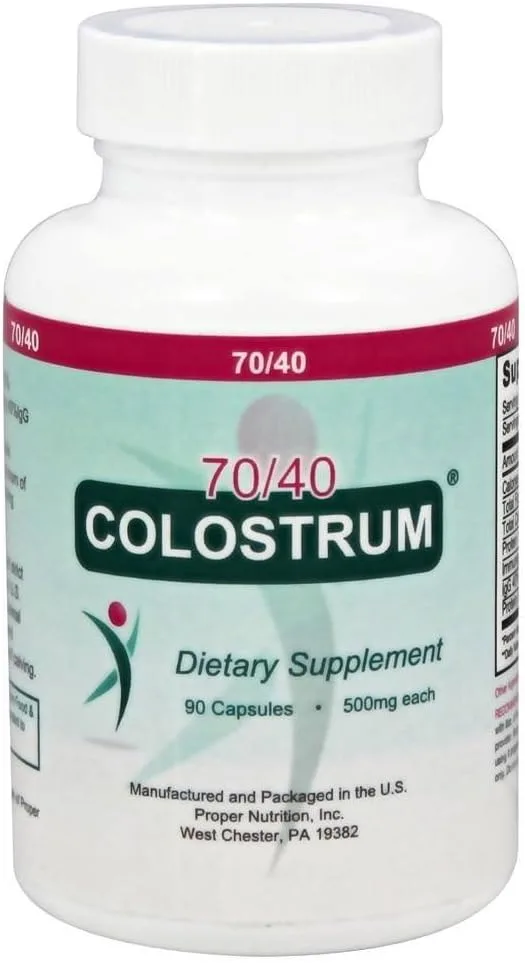
But as they have with Seacure, Proper Nutrition has perfected the formula for sourcing and refining colostrum and has delivered it to American consumers in the form of Colostrum 70/40®. Their patented process includes thermal treatment through a low-temperature pasteurization process and then spray-drying into a powder form for human consumption. The process is Hazard Analysis Critical Control Point System (HAACP) approved, ensuring that it produces a product that is safe for human consumption. The colostrum is sourced from hand-picked and vetted dairy farms right here in the US, all of which comply with strict USDA Grade A standards for dairy production.
The final product packs an incredibly powerful punch of benefits for the immune system and digestive system. You’ll grow muscles and see performance benefits like never before, and your digestive system will process nutrients from other foods in your diet more efficiently than ever. For those with chronic conditions affecting the digestive system, this can be just the boost your digestive tract and immune system need to fight off those annoying, ever-present bacteria and get your system working like normal again!
Science has brought us a long way, but the power of nature (when harnessed correctly) can often be the best there is. Before looking into any exotic supplements or pharmaceuticals, start by checking out some boosts that nature’s best can offer for your body!
* In partnership with our friends at Proper Nutrition Inc* Photo courtesy of Proper Nutrition Inc
* These statements have not been evaluated by the Food and Drug Administration. These products are not intended to diagnose, treat, cure or prevent any disease.
* The information available on ewellnessmag.com, including text, graphics, and other materials is for informational purposes only. Reliance on any information in ewellnessmag.com is at the user’s own risk. Sponsored product placement may appear in the article. The visitor of this website acknowledges that the information available on or through ewellnessmag.com is not and is not intended to be a substitute for professional medical advice. Copyright © 2024 Brawo Press, Inc. All rights reserved.