
Ask anyone about the home they grew up in and they’ll hardly ever begin with the color of the paint on the walls, or the expensive furniture. They’ll tell you about the sound of footsteps in the hallway before dinner, or the cool bathroom where they washed their hands after playing outside. The quiet moments that happened so often they almost disappeared into the background.
What makes a house unforgettable is what we repeatedly experience. We often assume a beautiful home begins with what we can see, when in reality people don’t emotionally attach themselves to objects nearly as much as they attach themselves to repeated sensory experiences. That kind of architecture is invisible, but it’s the one we carry with us for the rest of our lives.

The Rituals That Build a Home
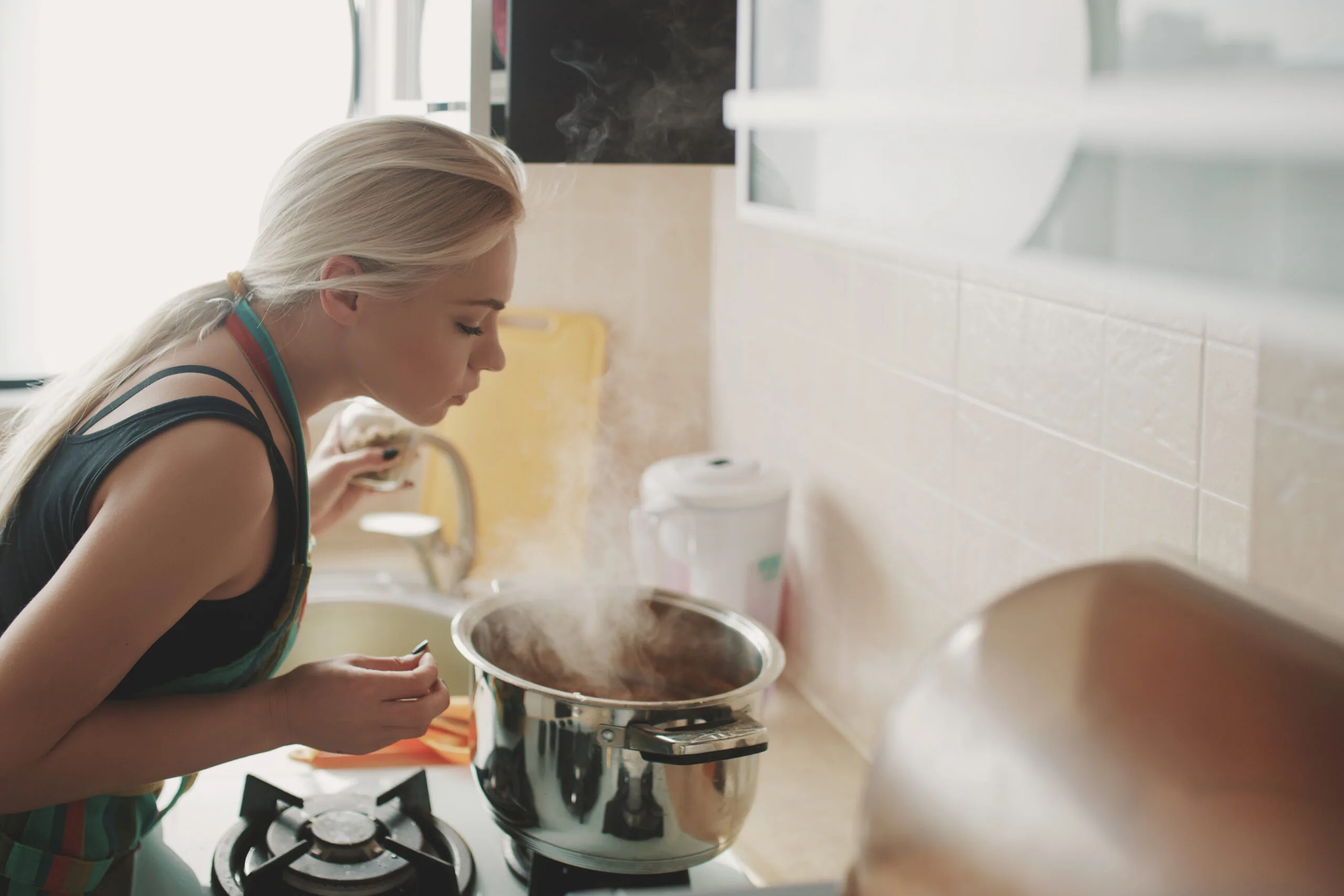
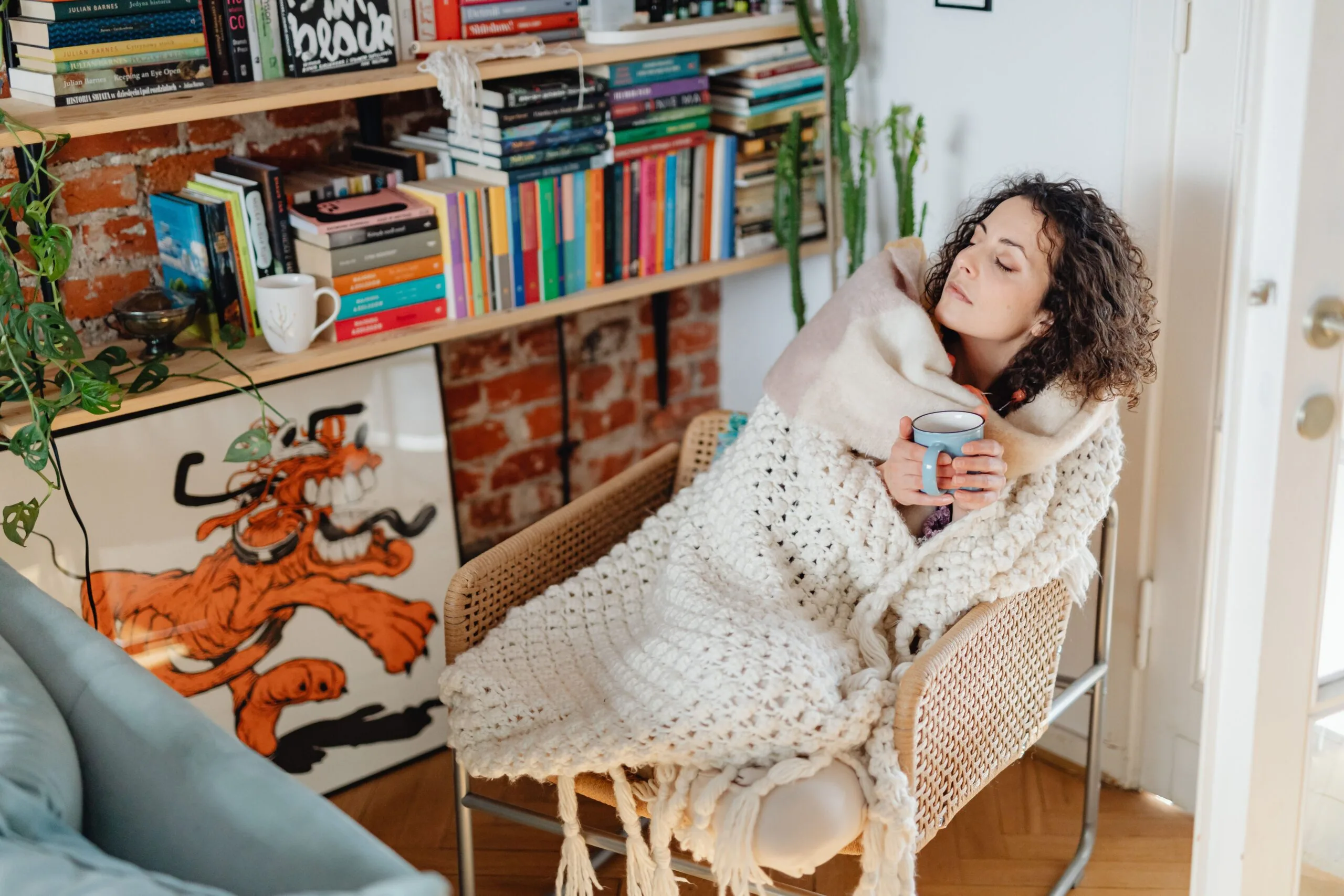
Every family has its own version of invisible architecture. It might be the ritual of making tea before anyone speaks in the morning, taking off shoes at the door, or opening the curtains in the kitchen before the rest of the house wakes up. They rarely feel important at the time. Somehow, they become the things that stay.
Neuroscientists have found that repetition strengthens emotional memory. The brain doesn’t simply remember extraordinary occasions; it also learns from ordinary moments experienced again and again. This is why something as simple as washing your hands with a familiar fragrance every evening can eventually become associated with comfort, calm, and the feeling of finally arriving home.
Why Luxury Hotels Stay with Us
This may explain why certain hotels leave such lasting impressions. Guests often assume they’re remembering luxurious beds or beautiful architecture. In reality, exceptional hospitality engages all the senses at once. Luxury isn’t simply something we see, it’s something we feel Home.
We often unpack our suitcases believing the feeling belonged to the destination itself. Within days, work resumes, routines speed up, and that sense of calm slowly fades into memory. We assume it was the place that made us feel different.
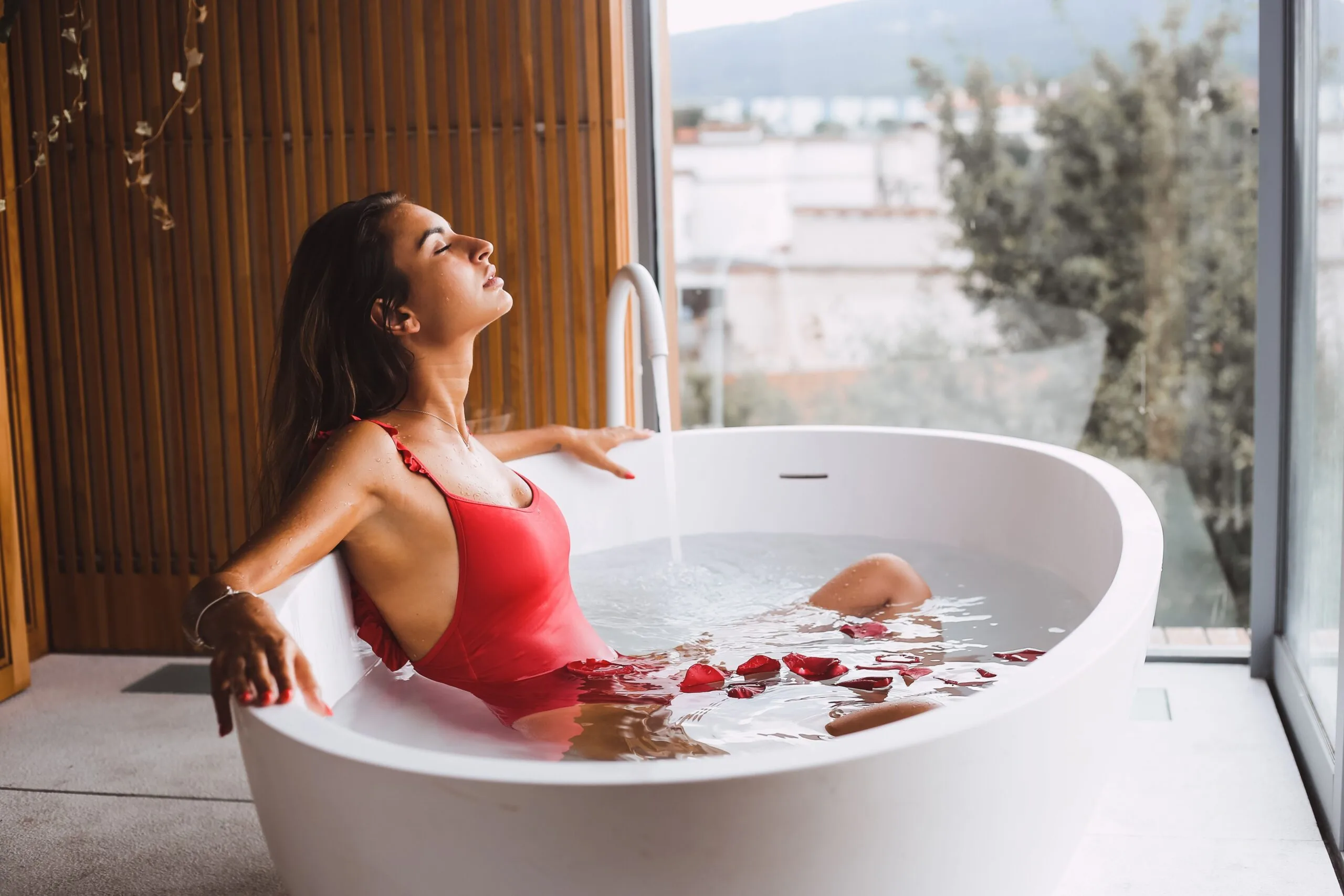
Travel has a strange way of slowing us down. You notice everything: the temperature of the water in the shower, the scent in the hotel lobby, and even washing your hands before breakfast feels oddly memorable. Nothing has changed except your attention.
Bringing That Feeling Home
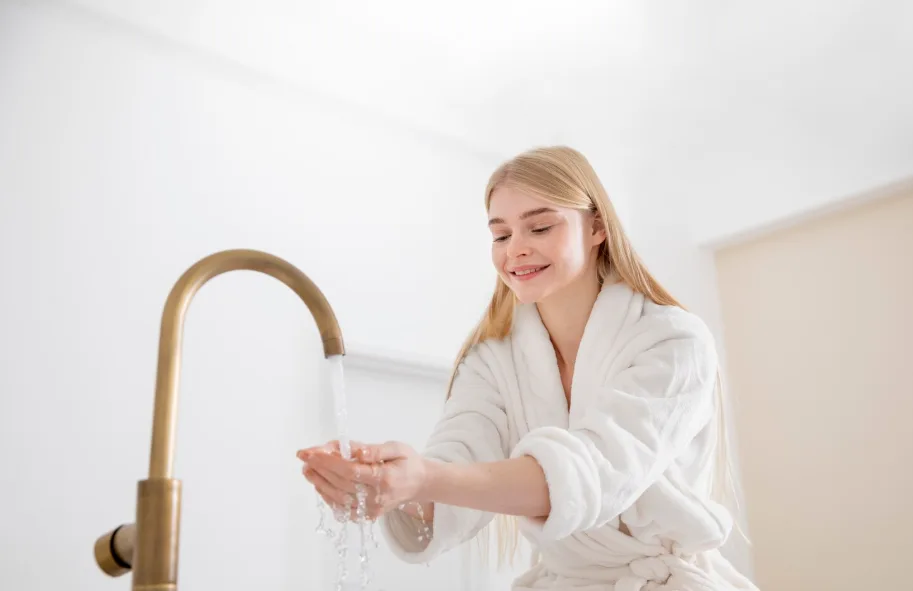
Imagine if home worked the same way, not in a way that means recreating a five-star hotel stay, but by becoming intentional about the moments we already have. The smallest daily actions become opportunities to gently interrupt the rush of modern life. Washing your hands marks the end of one part of the day. The front door closes, the tap runs. Warm water replaces the noise of traffic outside. Before you realise it, your shoulders have dropped.
Lotion does something different. It slows your hands down just long enough to notice you’re tired. We often underestimate how powerful these tiny pauses become when they’re repeated every day. Over time, your body begins to recognise them before your mind does.
Why We Crave Ritual More Than Ever
It’s become strangely normal to answer a work email while waiting for the kettle to boil. The boundaries that once separated work from home, weekdays from weekends, and productivity from rest have become increasingly blurred. Days become full, yet strangely difficult to remember.
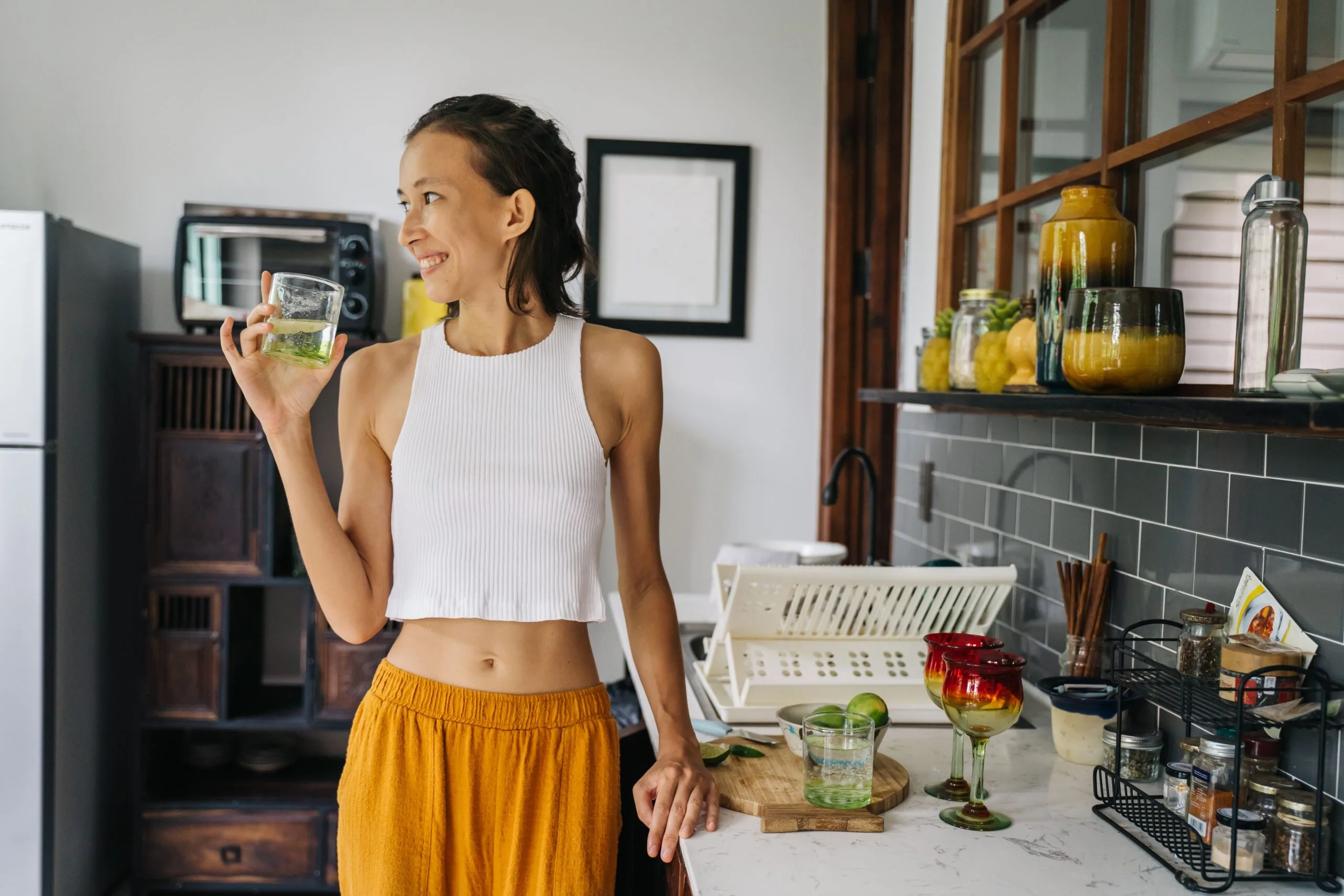
Perhaps this is why simple rituals have taken on new significance. Brewing coffee before anyone else wakes up. Watering the plants at dusk. Washing your hands after returning home. These moments ask very little of us, yet they gently interrupt the momentum of the day. They remind us that life isn’t only measured by deadlines met or tasks completed, but by moments that allow us to become present again.
Unlike grand lifestyle changes, rituals don’t demand more time. They simply ask us to notice the time we already have. A familiar fragrance, warm water over your hands, the quiet rhythm of applying lotion before bed, these aren’t indulgences reserved for special occasions. They’re small acts of care that become meaningful precisely because they happen so often. Over weeks and months, they begin to shape the emotional atmosphere of a home. Not through dramatic transformation, but through quiet repetition. Eventually, the ritual itself becomes a signal that you’re no longer rushing from one obligation to the next. You’re home.
Most of us assume memorable homes are carefully designed. More often, they’re carefully repeated. The same gestures. The same scents. The same welcome every evening. That’s what makes a place feel unmistakably like yours.

When Fragrance Becomes Part of the Ritual
G’Verde Collective was founded on an observation that feels increasingly relevant today: the moments we miss most after travelling aren’t always the destinations themselves. They’re the emotions those places made possible. A peaceful morning overlooking the ocean, or the calm that settles over you during a spa treatment where nobody expects anything from you except to simply be present. Those feelings don’t belong exclusively to airports and holidays. They can exist at home too.
Inspired by meaningful travel and exceptional hospitality, the brand’s philosophy centers on bringing those emotional experiences into ordinary routines rather than saving them for special occasions. With notes of white tea, cedar, and aloe vera, the White Tea Luxury Hand Wash turns an everyday habit into a gentle sensory pause. The fragrance is clean without feeling clinical, elegant without overwhelming the room.

Followed by the White Tea Luxury Hand & Body Lotion, the ritual continues. Lightweight hydration absorbs quickly while leaving behind a soft veil of fragrance that lingers just enough to be noticed without dominating the senses.
Presented in timeless amber bottles, they feel equally at home beside a kitchen sink, in a guest bathroom, or on a bedside table, because they become part of the home’s emotional landscape.

The Homes We Remember Most
For the longest time luxury meant acquiring more: more possessions, more exclusivity, more of everything. Lately people are searching for something less tangible like time that feels slower, or products that elevate an experience instead of just performing a function. The new aspiration isn’t necessarily owning impressive things. It’s creating environments that make ordinary life feel meaningful. Deeply human moments are easy to overlook precisely because they happen so often. Years from now, they may be the very things we remember most.