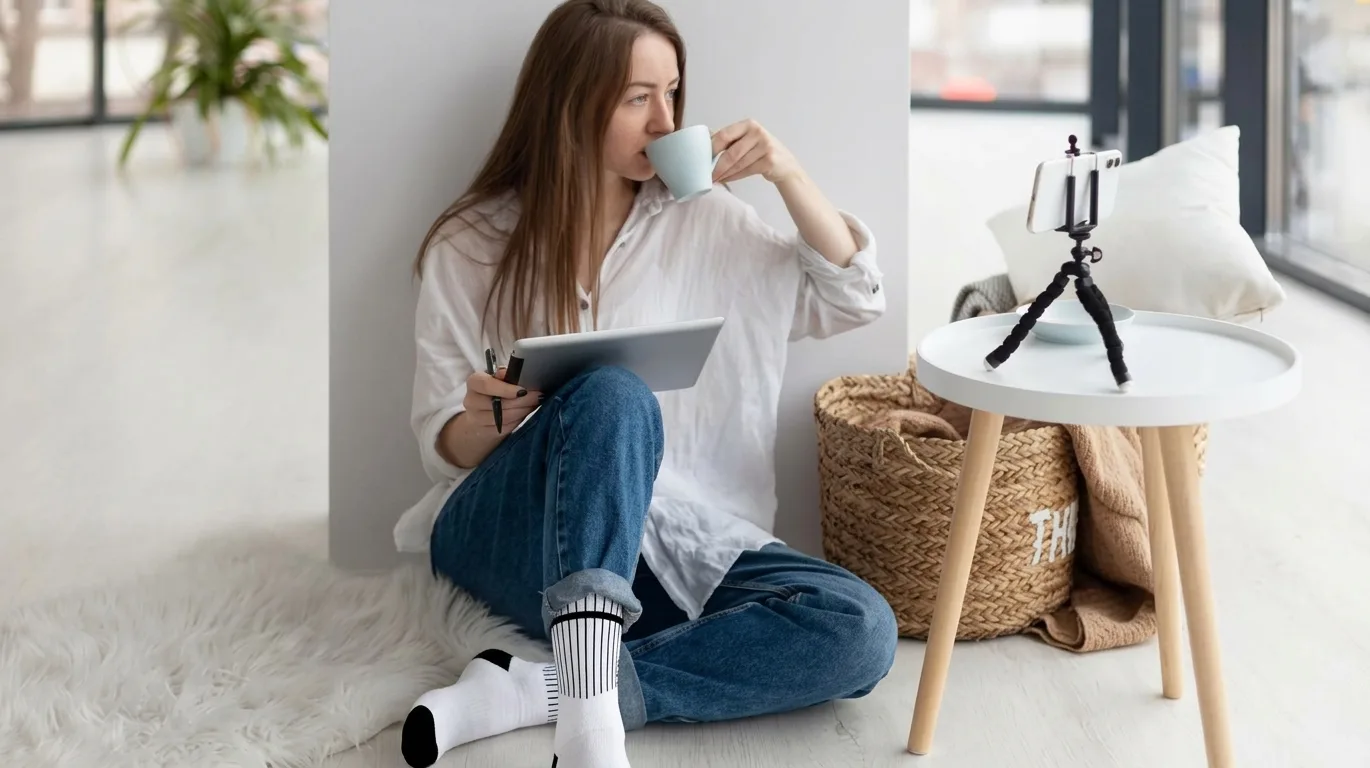

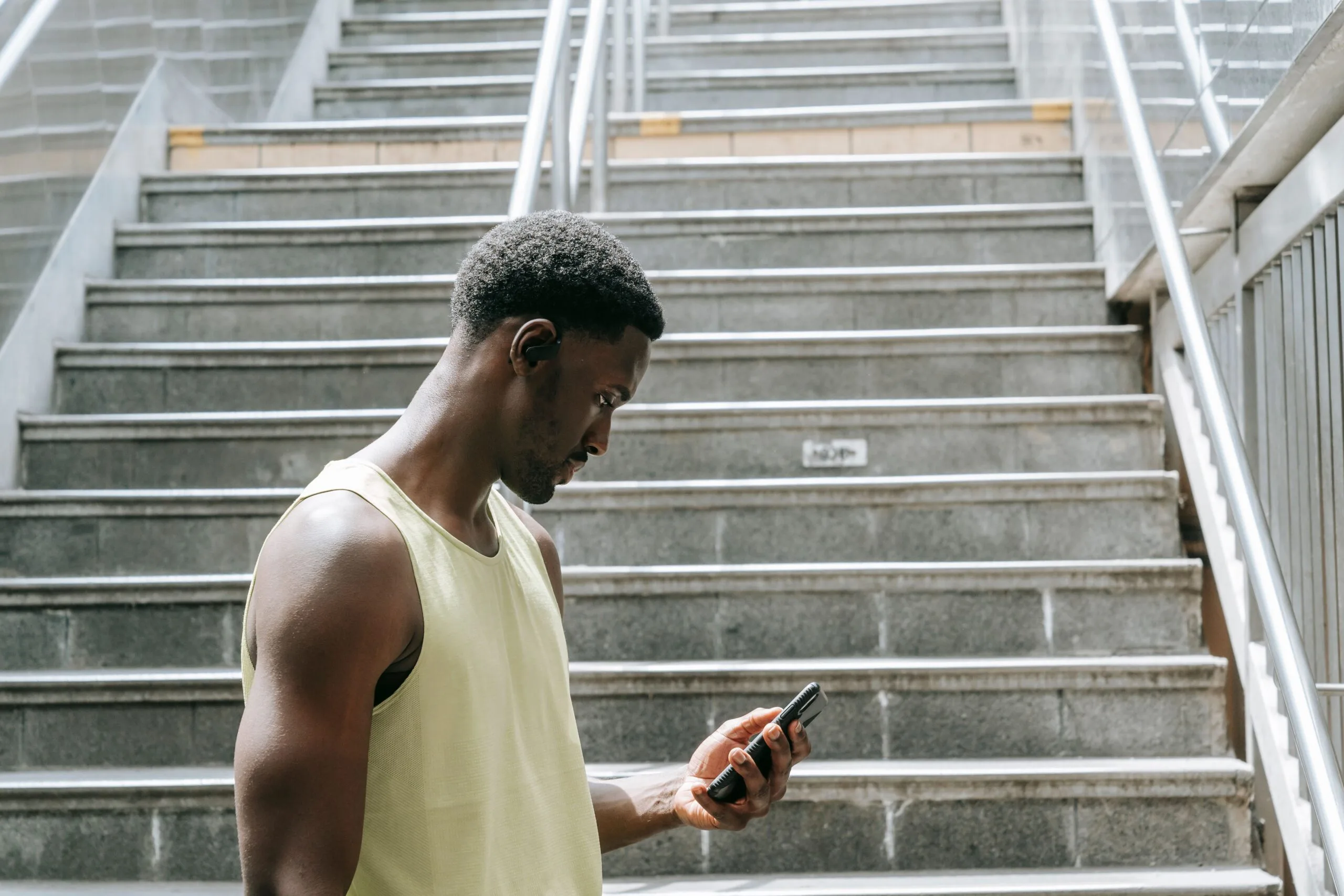
Before people learn to recognize faces, sound is already part of their world.
Long before a baby understands a word, there is the steady rhythm of a heartbeat, the rise and fall of a familiar voice, the muffled sounds of a world just beyond the womb. Later, those sounds become part of a life’s private soundtrack: a favorite song on the drive to work or laughter coming from the kitchen. People remember the moments. They don’t usually think about the hearing that made them possible, which may be one reason hearing health is so easy to overlook.
Vision gets an annual appointment on the calendar. Teeth get cleaned. Skin gets protected from the sun. People think about sleep, nutrition, movement and stress as parts of a healthy life. Hearing, unlike vision and dental health, often remains somewhere in the background until a television suddenly seems too quiet or a conversation becomes difficult to follow in a restaurant.

The Everyday Device No One Thinks Twice About
Earbuds have become almost indistinguishable from daily life. They travel to work or accompany morning walks, and disappear into ears during flights, workouts and household chores. Their convenience is undeniable, but convenience can also make habits invisible.
Traditional in-ear earbuds spend long periods in close contact with the ear canal. Like anything repeatedly handled and placed against the body, they can accumulate oils, moisture and debris, particularly when they are not cleaned regularly. Sharing earbuds can add another layer of hygiene concern.
Sound is another consideration in itself. A person walking beside traffic, exercising in a busy gym or traveling through a noisy airport may be tempted to increase the volume to hear the content clearly. Building sensible listening habits early can help people become more mindful of their hearing over time.
None of this means that every pair of earbuds is inherently harmful, or that listening through headphones automatically damages hearing. It does suggest that the way people listen deserves more attention than it usually receives.
Hearing Is More Than What Comes Through the Speakers
Hearing is about more than receiving music or speech. It is part of how people navigate a room, a neighborhood and a family. A parent may be listening to a podcast while preparing dinner but still need to hear a child calling from upstairs. A walker may want music during an afternoon stroll without becoming completely detached from the sounds of the street. Someone working from home may need to hear a colleague on a call while remaining aware of what is happening around them.
The desire for personal audio does not necessarily mean a desire to disappear from the surrounding world.
That distinction is central to the thinking behind Vitessa. Rather than placing the listening device inside the ear canal, Vitessa’s Advanced Earbuds Protection System uses an open-ear design intended to sit outside the canal. The concept is simple: the user can listen while leaving the ear canal open to surrounding sound.

The Wellness Value of Staying Connected
Holistic wellness is often described as balance. That philosophy applies surprisingly well to listening. There is pleasure in putting on a favorite song and tuning out for a while. There is also value in hearing what is happening around you.
For families, that balance can feel especially meaningful. Children are constantly moving between worlds: school, home, sports, travel, playdates, lessons and outdoor adventures. A listening device designed to leave the ears open to surrounding sound can fit more naturally into that movement.
Vitessa is designed for adults and children, positioning the product as something that can become part of family life.
A Cleaner Relationship with the Ear
The physical relationship between a device and the ear is another reason the open-ear concept catches attention. The ear is a sensitive part of the body, yet people seldom think about what they place inside it. Earbuds are touched, carried in pockets and bags, placed on desks, returned to charging cases and then inserted into the ear again.
Keeping listening devices clean, avoiding sharing them and giving the ears a break are sensible practices. An open-ear design offers another possible shift by avoiding the need to insert the listening device directly into the ear canal. For people who dislike the plugged-up sensation of traditional earbuds, open-ear devices may be more comfortable.

Designed for Real Life
A wellness product can have all the right intentions and still be inconvenient. If it needs to be handled delicately, protected from every splash and remembered as one more thing to pack, it can quickly become something people leave at home.
Vitessa takes a more everyday approach. Its waterproof construction is designed for the messiness of ordinary life: sweat during a workout, rain on a walk, splashes during outdoor activities and the inevitable unpredictability of family routines. Listening does not often happen in carefully controlled environments.
One Case, More Than One Job
Vitessa is also developing a three-in-one charging case intended to bring several everyday necessities into a single compact system. The case is designed to store and protect the listening device, charge it between uses and provide portable power for a phone.
On the surface, that may sound like a convenience feature, but convenience has a larger role in wellness than it sometimes gets credit for. The easier a routine is to follow, the more likely it is to fit into everyday life.
A single system can mean fewer accessories to remember, fewer loose cables in a travel bag and one less thing to search for when a phone battery is running low. For busy families, those small efficiencies can make a surprisingly meaningful difference.
Why Hearing Deserves a Place in the Wellness Conversation
Hearing affects connection. It helps people participate in conversations, understand instructions, enjoy music, learn, communicate and respond to what is happening around them. Hearing also plays a role in quality of life and social functioning.
Hearing protection can still be oddly reactive. People often think about hearing protection only after they notice a change, rather than treating hearing as something worth protecting along the way.
Hearing health does not need to become another source of anxiety. It can simply become another consideration woven into daily choices: keeping volume at sensible levels, taking listening breaks, being mindful of prolonged exposure to loud environments, getting hearing checked when appropriate and thinking more carefully about the devices used every day.
Keeping the Sounds That Matter
A song can bring back an entire summer. A familiar voice can make a long-distance relationship feel suddenly close. The sound of a child’s footsteps can tell a parent who is coming down the hallway before the person appears. A favorite audiobook can turn an ordinary drive into something restorative. These are all moments that are so easy to take for granted because they happen so naturally.
Vitessa’s open-ear approach offers one interpretation of what hearing-conscious technology might look like: listening without completely closing off the surrounding world, a design that works for adults and children, durability suited to active life and a charging system intended to simplify the things that come with it.
Perhaps the next generation of listening technology will not be defined by how completely it shuts the world out, but by how gracefully it allows people to stay connected to both their chosen soundtrack and the life happening around them.