

It happens to everyone at some point, usually in front of a mirror you’re not really paying attention to. You pull on a shirt, and it fits fine, nothing dramatic. Still, you smooth it down once, then again, not because anything is wrong, just checking, adjusting, without thinking. There’s a pause that lingers a second too long. Then you change. Not because you have to, just because something feels slightly off and you don’t want to figure out why. It’s such a small decision you barely notice it at first, until you realize how often it happens.

The Subtle Shift
No one wakes up one day and decides their relationship with their body, or food, or energy, has changed. It creeps in; clothes feel different. Not tighter, not looser, just different. You feel hungrier at odd times, then not hungry when you expected to be. Some days you have energy; other days it disappears halfway through the afternoon without warning. Nothing is significant enough to fix, but everything is noticeable enough to feel. You start making small adjustments: drinking more water, eating ‘better,’ trying to stay on top of things in a way that feels responsible and slightly exhausting, and still, something feels slightly off.
The “Almost Right” Feeling
That’s the frustrating part. You’re not doing anything wildly wrong. You’re trying, you’re aware, and you’re making choices that should add up to something steadier, something easier. So why does it still feel like there’s a missing piece? Not a big one, a small one. The kind that doesn’t shout, but quietly affects everything. That’s where the conversation usually shifts, not toward doing more. Toward doing things that fit into your life without asking for extra energy you don’t have.
The Foods That Don’t Complicate Things
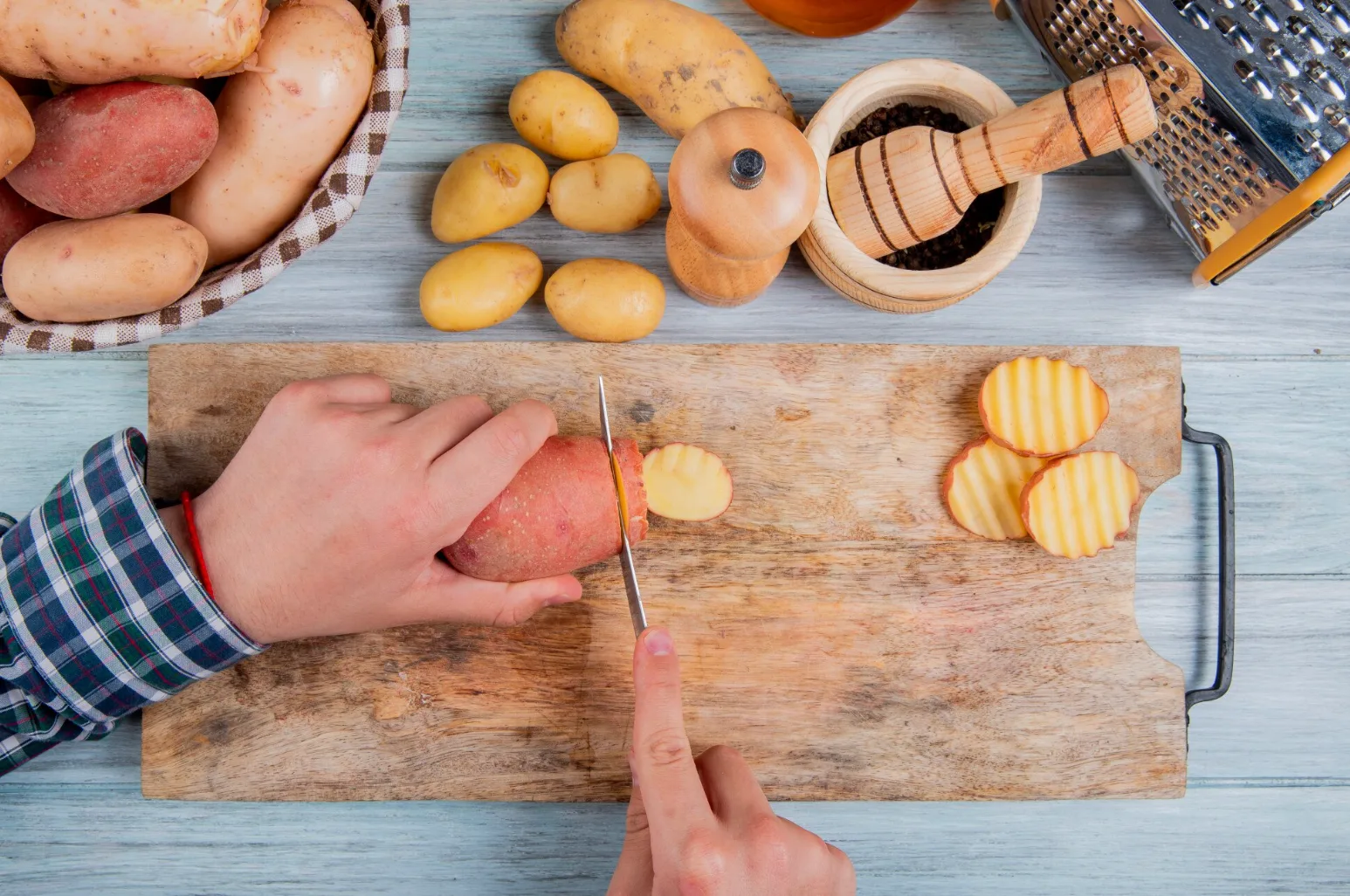
Some foods feel like effort before you even start, while others simply exist alongside you. They don’t demand a mood, require a plan, or turn into a project halfway through; instead, they adapt. That’s what stands out about something like Melissa’s Baby Dutch Yellow Potatoes. They don’t need much explanation, but the details matter more than you expect. They’re small and evenly sized, which means they cook consistently without you having to think about it. Their naturally buttery texture makes them feel more satisfying than something that needs layers of extras to achieve the same effect. They’re the kind of ingredient you can rinse, toss, and move on from, knowing they’ll meet you halfway later.

Roasted, they soften inside while the edges turn just golden enough to feel intentional. Boiled, they keep a gentle structure without becoming bland or watery, and even when you don’t do much, they still feel like something. That’s not accidental. That’s what makes them useful.
The Kind of Simplicity That Actually Helps
There’s a difference between simplifying something and stripping it down too far. Real simplicity feels supportive. It gives you room to breathe instead of taking something away. Melissa’s Baby Red Potatoes carry that kind of simplicity, but in a slightly different way. They’re a bit firmer, a little more grounded. The skins hold together well, which gives them a sturdiness that works across so many everyday uses. They don’t fall apart when things get slightly overcooked or rushed. They stay intact, which sounds minor until you’re juggling three things at once and need something reliable.
There’s also something about their texture that adds balance. Where the yellow potatoes lean soft and creamy, the red ones bring a gentle bite. Not tough, just enough to feel present. They work when you need something that holds shape, something that doesn’t disappear into the background of whatever you’re putting together. That contrast between the two, soft and creamy versus firm and structured, is what makes them feel less like duplicates and more like options.

The Identity Shift No One Announces
There’s a quiet shift that happens at some point. Taking care of yourself stops feeling optional. Not in a life-changing way, in a practical one. You start paying attention to how things make you feel, not just in the moment, but across your day. You notice what sustains you and what drains you. What feels easy to return to and what slowly disappears from your routine.
That’s where consistency begins, not from discipline. From choosing things that don’t require you to constantly convince yourself to follow through. Ingredients like this fit into that shift without needing attention. They’re not something you have to remember to use. They’re something you reach for without thinking too hard.
A Brand That Grew the Same Way Real Life Does
Melissa’s Produce started small. A rented warehouse lunchroom, a few phones, and a simple idea built on experience. Something is grounding about that. Growth didn’t come from chasing perfection. It came from understanding how people actually interact with food, what they return to, what they trust, and what makes its way into real routines, not just ideal ones.
Now, as one of the largest distributors of specialty produce, that same understanding still shows up. In the consistency of the products. In the attention to quality. In the way the produce feels considered rather than complicated. It shows up in the details too, the kind you don’t always notice at first. Clean, well-selected batches. Thoughtful sizing. The kind of quality control that means you’re not sorting through half a bag, wondering what’s usable and what isn’t. That consistency quietly removes one smaller layer of effort from your day.
The Less-but-Better Realization

At some point, more stops helping. More products, more rules, and more effort. It starts to feel like you’re adding layers without solving the actual problem. That’s when things shift toward less, but better. Fewer choices that work more consistently. Fewer decisions that drain your energy. Fewer moments where you feel like you’re doing it wrong. The beauty of something like Baby Dutch Yellow Potatoes and Baby Red Potatoes is that they already sit in that space. They don’t need to be elevated to be useful; they already are.
The Things That Stay
Not everything you try becomes part of your life. Some things fade quickly. Some things feel right for a moment and then disappear. Then there are some things that stay, not because they’re exciting, but because they’re easy to return to. Melissa’s Baby Dutch Yellow Potatoes and Baby Red Potatoes sit in that category. They’re flexible enough to move between moments. Soft when you need comfort. Firm when you need structure. Simple without feeling empty.
They also carry a kind of quiet versatility that reveals itself over time. One day, they feel like something light and easy; another day, they hold out for something a little more filling. They don’t lock you into one way of using them, which makes them feel less like ingredients and more like reliable starting points. They handle small improvisations well, a squeeze of lemon, a sprinkle of herbs, something crispy added at the last minute. Nothing complicated, just small adjustments that make them feel slightly different each time without requiring a whole new plan. They don’t rely on a perfect version of you; they work with the version that exists right now.

The Decision You Don’t Notice Anymore
Back at the mirror, the shirt situation changes over time. Not because everything is suddenly perfect, but because you stop second-guessing as much. Small things start working in your favor instead of against you. You feel more settled in your choices, and less like you’re constantly adjusting.
That shift doesn’t come from one big change. It comes from a series of small ones. The kind that fit into your life without needing attention. The kind you don’t have to think about too hard. The kind that quietly make things feel a little more like they’re working, and sometimes, that’s all you were really looking for.