

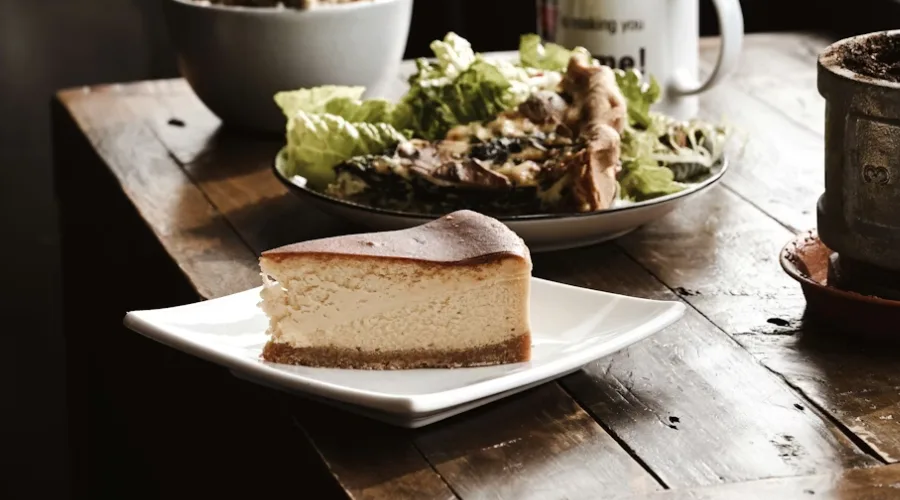
I’ve noticed something about “being good” with food: dessert always becomes the villain first. Not bread, not chips, and not the odd handful of stuff you grab while standing in front of the fridge. People act like dessert has a mind of its own and is planning to spoil a perfectly good day.
The interesting thing is that dessert isn’t usually about being hungry. It usually has to do with closure, with a little tenderness at the end of a long day. People sometimes remark they “just want something sweet” when they want the day to be over, not still buzzing and feeling like it isn’t over yet. They want something that feels like dessert, not “a high-protein alternative that’s basically yogurt if you squint.”
That’s why the idea behind Diet Cheesecakes made me pause. Not because it’s trying to be trendy, but because it’s trying to solve something specific; letting cheesecake stay in the story while fitting into a more intentional routine.

The Word “Diet” Makes People Flinch
I don’t blame anyone for being suspicious of the word “diet.” “Diet” has introduced people to too many sad desserts over the years. It has brought crumbly textures, weird aftertastes, and sweetness that feels like a suggestion rather than a promise.
That’s a bold claim for a brand to make when it names itself Diet Cheesecakes and then says it makes the best and most luscious healthy cheesecakes on the planet. It’s the kind of thing that makes you want to roll your eyes. And to be honest, I respect that intensity since cheesecake has never been a shy dessert.
According to the brand, their cheesecakes are made in small batches with fresh ingredients, and they’re gluten-free, low-fat, and low-carb. They also contain roughly 95 to 100 calories per cheesecake, which is the kind of number that helps people who track these things relax a little.
The company also notes that the cheesecakes are high in protein and portioned in a way that can fit into many diet plans, including for people who are watching their weight or monitoring their sugar intake. It’s a lot of structure for something that’s supposed to feel indulgent, and that’s exactly the idea. The promise isn’t that the dessert disappears. The promise is that dessert behaves.
The Most Underrated Feature Is the Portion
If there’s one thing I’ve learned from watching how people actually eat, it’s that portion size changes the entire emotional experience. A full cheesecake in the fridge can become a week-long negotiation. It starts innocently, then turns into slicing math, then ends with someone saying, “I’ll just finish it so it’s not sitting there.”
A mini cheesecake doesn’t create that spiral. One piece is one portion, so there is no need to talk about “how much is too much.” That barrier is gently relaxing, and people don’t know they need it until it’s there.
Diet Cheesecakes takes advantage of this by making individual cheesecakes that are just the right size. It’s not showy, but it’s smart. It has a stop sign built in that doesn’t feel like a penalty. At this point, the product is less about willpower and more about design. People don’t always need more discipline. Sometimes they need fewer opportunities to argue with themselves.
The Marble Cheesecake That Knows It Doesn’t Need a Costume
The Diet Marble cheesecake has a flavor that doesn’t need to convince anyone that it belongs. People go for basic flavors like marble when they desire comfort without surprises. Vanilla and chocolate are basically doing what they usually do, but in a set amount.
The brand describes the marble option as “pure and simple sweetness,” and that description feels accurate to the role marble plays in dessert culture. It’s a familiar favorite, the kind of thing a person can offer guests without explaining it first. No one has to be adventurous to enjoy it, and that alone makes it a strong choice.
Diet Cheesecakes also notes that their Greek yogurt cheesecakes are sweetened with stevia and cane sugar, while their other cheesecakes are sweetened with Splenda. The marble cheesecake falls into that “other” category, which matters for people who pay attention to sweeteners. Whether someone loves or avoids certain sweeteners, the clarity helps them choose without guessing.
The brand talks about it in a way that doesn’t frame it as a sacrifice. They keep insisting it tastes like “the real deal.” That kind of confidence only works if the product holds up, and the brand seems willing to be judged on that.

The Variety Pack for People Who Don’t Want to Choose a Personality
Some people can choose one flavor and remain loyal forever. I have never met them, but I’ve heard they exist. Most people I know have dessert moods, and those moods change depending on the day, the weather, and whether the group chat was stressful.
That’s where the Diet Variety Pack becomes oddly relatable. The brand basically says: you don’t have to decide. It’s such a small sentence, but it hits because decision fatigue is real, and dessert should not be another task.
The variety pack consists of delectable flavors: the original Marble, Cappuccino, and Chocolate. The manufacturer says that the Cappuccino is sweet coffee creaminess, the Chocolate is velvety rich indulgence, and the full pack is like a tour through diverse appetites. Instead of buying one dessert, you have a small, reliable lineup ready for any mood that comes along.
There’s something human about having options without having excess. It feels like the difference between a pantry that’s chaotic and a pantry that’s curated. The variety pack is a dessert that has boundaries and choices at the same time.

The Cheesecake That Feels Like a Late-Night Plan
Coffee-flavored desserts have a particular kind of charm. They feel like dessert for people who want sweetness but also want depth. Coffee adds a grown-up note, like the dessert is wearing a blazer but still knows how to relax.
The brand refers to the Cappuccino cheesecake, a coffee lover’s fantasy, with true coffee flavors. The sweetness doesn’t overpower the coffee flavor; instead, it sits next to it. This makes it a treat that people automatically connect with a cup of coffee.
Even without tasting it, the flavor makes me think of the evening. It sounds like the one that comes to mind when someone wants something sweet but doesn’t want to feel like they ate a lot of sugar. Coffee flavors might make you think things are balanced, and sometimes that thought is what makes you feel good.
If Marble is the reliable classic, Cappuccino is the mood. It’s the dessert version of lowering the lights and deciding the day is officially done.
The One People Reach for When They’re Tired
Chocolate cravings don’t tend to be subtle. They show up when someone is emotionally spent, when the day has been too much, and when a lighter dessert would feel like an insult. Chocolate is comfort, and it’s often the flavor people trust to do its job.
The brand describes their chocolate cheesecake as velvety and decadent, which is strong language for anything labeled “diet.” But that’s also why it matters. If a chocolate dessert is going to be worth eating, it has to feel like chocolate, not like an imitation.
The benefit of the mini format is that chocolate can stay rich without becoming overwhelming. A large slice of chocolate cheesecake can feel heavy afterward, like the dessert didn’t know when to stop. A portioned mini has a built-in ending, which keeps the experience satisfying rather than exhausting.
It’s the flavor that sounds like it was designed for the hardest days. Not to fix the day, but to give the day a soft landing.