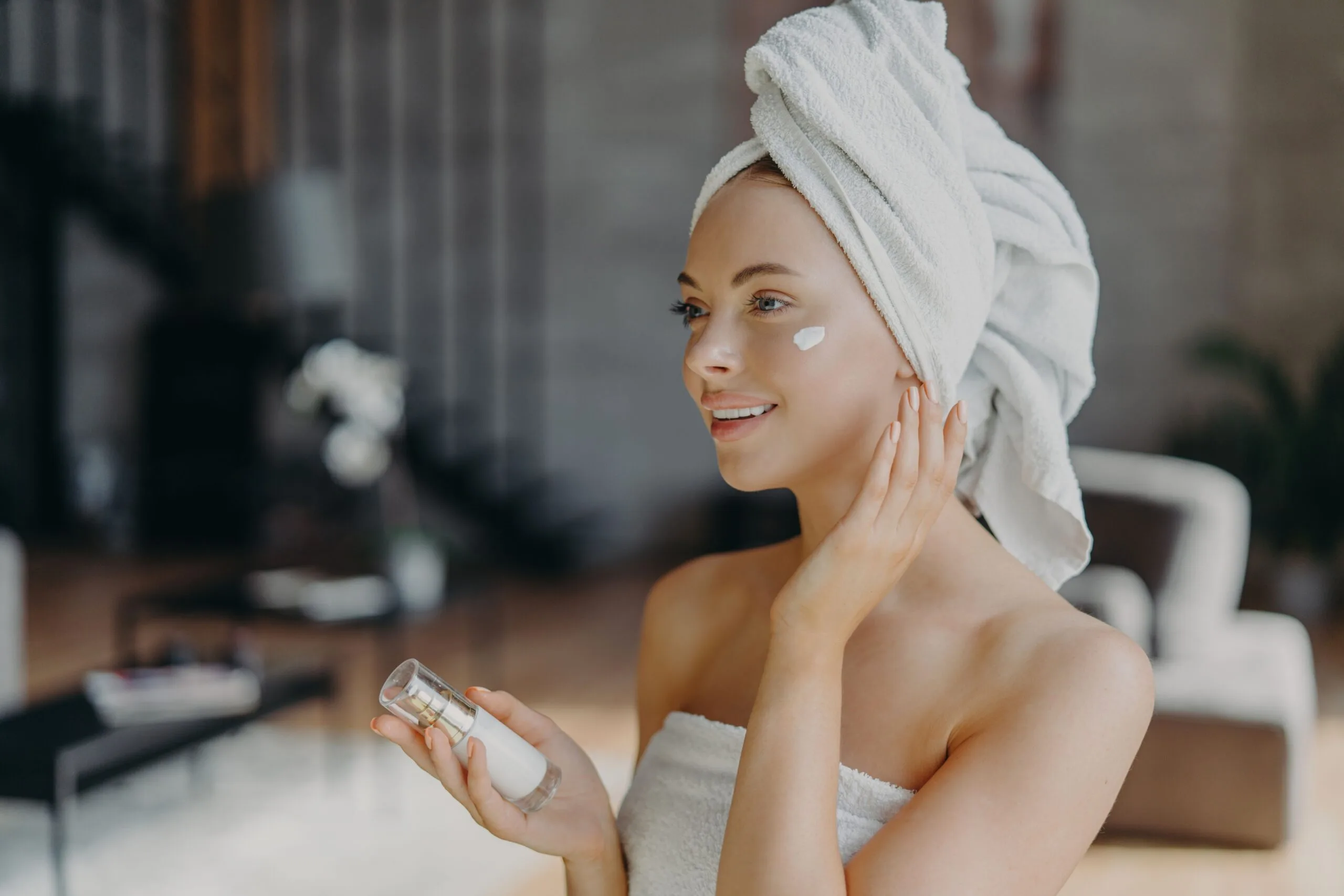


She paused in front of the bathroom mirror to examine her face more closely while the shower warmed. She noticed a dry patch had appeared beside her nose, and the skin around her eyes looked redder than usual. It had been a little while since she had looked this closely at her skin. It was the sort of change that might have gone unnoticed on another morning, but the bathroom light seemed particularly unforgiving. It was difficult not to focus on it.
Skin can react to changes in weather, sleep, travel, hormonal fluctuations, and stress, even when the products on the bathroom shelf have stayed the same, and the skincare routine has, too.

When the Skin Reflects More Than the Weather
Stress is commonplace, and it can have far-reaching effects on all areas of life. Restlessness at night or difficulty winding down after a busy day can be repercussions of stress. Psychological stress can influence how the skin looks and functions. Sleepless nights and exposure to environmental factors can contribute to visible changes that are often seen as dry or dull skin, sensitivity, or an uneven texture. That doesn’t mean that every skin issue is caused by emotional stress. The connection between the body’s stress response and skin health may help explain why skin becomes difficult to manage at times.
Observing how the skin reacts to certain things is the first step. It doesn’t always help to just keep changing products. Paying attention to whether irritation flares when a new product is introduced, and how the skin reacts over the next few days will help pinpoint the triggers. Weather changes can also affect how skin feels. Cold air, indoor heating, and humidity that is too low may contribute to dryness, while some cleansers can remove too much of the skin’s natural oil.
When the skin isn’t looking its best, it can affect confidence levels. This is especially true when how you look is tied to your professional or personal life where you have to interact with people face to face. The decline in confidence can also be another source of psychological stress. It’s a never-ending loop.
Three Products, One Considered Approach
A skincare routine usually comes down to a few familiar steps: cleansing, treating, and moisturizing. It is more complex than it seems.
Stamina Cosmetics was developed by board-certified dermatologist Dr. Marianna Blyumin-Karasik, known as Dr. MBK. The formulation combines a dermatological approach with an emphasis on supporting the skin barrier and mindful skincare.
The Stamina® Trio is made up of three products that complement each other: Stamina® Mist, Stamina® Mask, and Stamina® Intention Moisturizer.
Stamina® Mist is a facial spray formulated with hypochlorous acid. It is intended to refresh tired-looking skin and help soothe the appearance of redness and irritation. It is not only for use in the bathroom. It can also be applied after exercise, during travel, after wearing a mask, and after exposure to environmental factors.
Stamina® Mask combines the functions of a mask, polish, and peel. Its botanical ingredients include aloe vera, tamanu oil, green tea, jojoba oil, rosehip oil, coconut oil, and licorice extract. Used two to three times per week as directed, it is designed to exfoliate and improve the appearance of dullness, congestion, and uneven texture.
Stamina® Intention Moisturizer completes the set with lightweight hydration and a focus on skin barrier support. Its adaptogen-inspired formulation includes curcumin, cordyceps mushroom, green tea, resveratrol, gotu kola, guarana, Rheum rhaponticum, and tea tree oil. The product is intended to replenish moisture and leave skin feeling balanced and revitalized.
Skin responds to different products in varying ways. Introducing products thoughtfully, following their directions, and paying attention to irritation are more useful than assuming that a single routine will suit everyone.

Reading the Skin Before Changing the Routine
When skin becomes troublesome, the first thing that comes to mind is often to reach for a new product. Something stronger, perhaps. A new exfoliant, another serum, the moisturizer advertised with promises of overnight transformation, or a product recommended for redness. This isn’t the route back to healthy skin.
Adding several products at once makes it difficult to identify which one is helping, or which is triggering the skin to flare up.
A more useful idea is to keep track of when a change first appeared, which products were recently introduced, and whether the skin feels tight, itchy, warm, or unusually sensitive. These details can help reveal a pattern that might otherwise be missed.
Product labels deserve a closer look. Just because an ingredient is described as natural or botanical does not automatically make it gentle. Fragrance or essential oils may irritate some people. Even a product that has been used often as part of a routine can begin to negatively affect the skin when the skin barrier is compromised.
Persistent redness, burning, swelling, or a rash that worsens despite simplifying the routine warrants advice from a qualified healthcare professional or dermatologist. Sudden swelling or difficulty breathing requires urgent medical attention.

Intention Without Another Obligation
Wellness is portrayed as turning almost any ordinary activity into something to optimize, from the first drink of water in the morning to the final minutes before sleep. This is especially relevant when discussing skincare. The results of any product used or routine followed are visible, and there is always something new to consider adding to the bathroom shelf.
Mindful application can involve slowing the movement of a hand while applying moisturizer, noticing how water feels when splashed on the face, or taking a few unhurried breaths before moving on to the next responsibility. The Stamina® approach extends this idea through Stamina® Synergy, a mindful skincare ritual incorporating breathwork, sensory meditation, intentional application, visualization, and gratitude. Its value as a personal ritual rests on the opportunity to create a moment of attention.
A moisturizer cannot remove an unreasonable workload, restore hours of lost sleep, or resolve the circumstances that have made a period difficult. A routine can, however, provide a small, familiar part of the day that remains within reach.

Returning to the Mirror
The bathroom mirror will continue to reflect changes that are sometimes beyond a person’s control. Some mornings, the skin will look familiar; on others, it will reveal dryness, a new blemish, or the visible effects of a difficult night. That is part of the human experience.
In the end, the bathroom shelf does not need to hold the answer to every skin issue. A few well-chosen products, used thoughtfully and with realistic expectations, may offer a more useful foundation than a collection of products bought in a panic at the first sight of a new blemish.
The mirror will still record the occasional difficult morning. That’s life.