

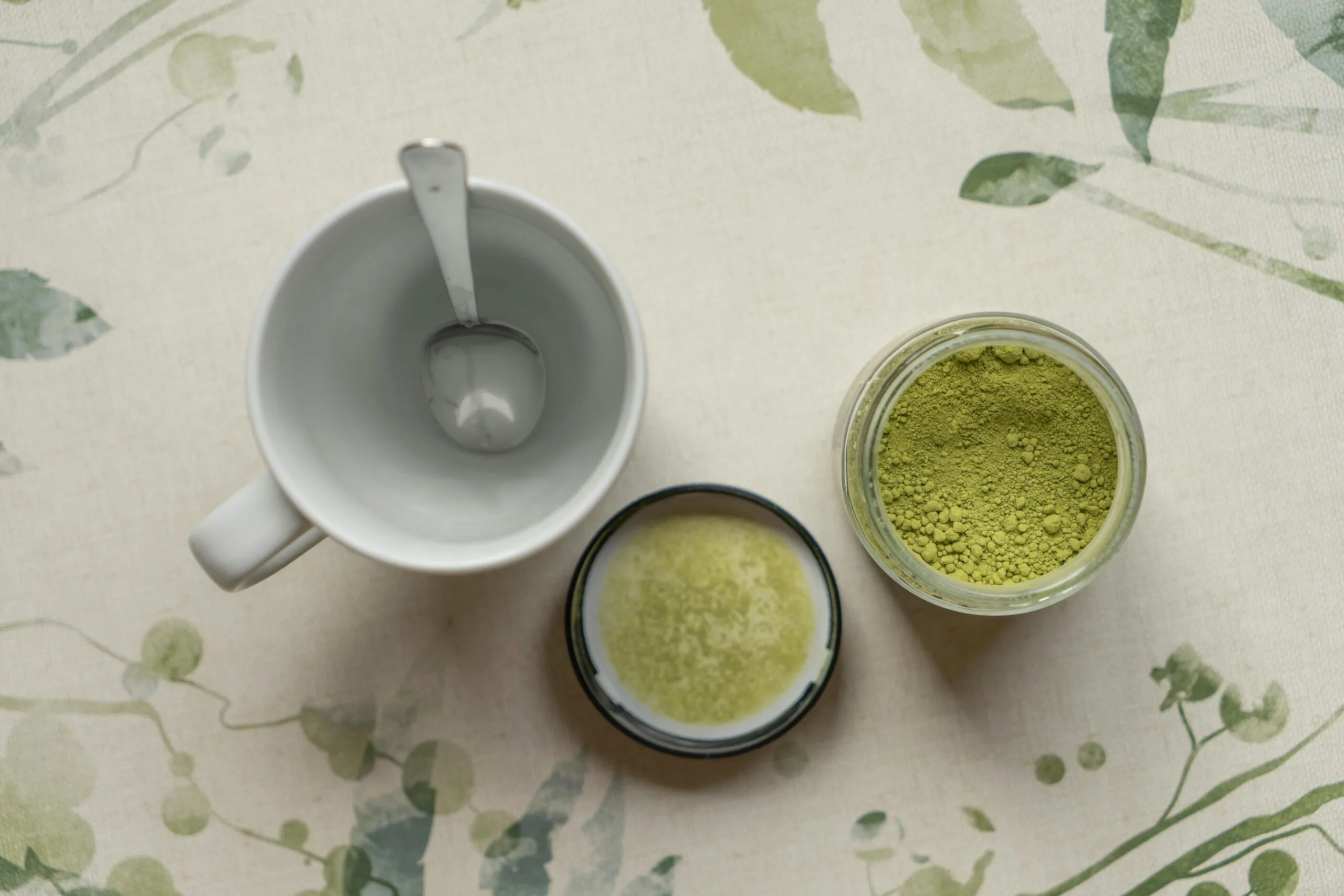
Is tea simply a beverage, or does it symbolize something deeper, such as a ritual, a particular event, or a connection to timeless traditions? Sipping Streams Matcha Tea is a spectacular find for both matcha enthusiasts and those who are new to the tea world. Picture a bright green powder that tastes like tea—without any leaves or teabags. Curious? You really should be.
The biggest star in the tea market, matcha, attracts an eclectic mix of individuals to experience its unique charm, the mix includes millennials who are health-conscious and elders who want to practice mindfulness. But what is matcha really, and why is the tea world so enthused about it? Come along on this trip to uncover the mysteries of this incredible elixir and learn why it’s more than simply a drink.

Is Tea Just a Beverage or is it Symbolic of Something Deeper?
Tea is so much more than just a beverage, it holds symbolic, cultural, and personal importance for many worldwide. Think about when your friends drop in for a cup of tea, it is never just a cup of tea. It is genuine sign of welcome and friendship. When you have a cup of tea with your friends the visit goes from ordinary to one that strengthens bonds of friendship.
Cast your mind to the calm beauty of a traditional Japanese tea ceremony. Each and every motion reflects respect and consciousness, each action has a deliberate purpose. The tea-drinking rituals honor and show respect for customs and encourage mindfulness, and present-moment awareness.
The health benefits of tea have long been acknowledged. Imagine the soothing warmth of a warm cup of chamomile tea after a long day, or the invigorating freshness of green tea in the morning. These teas are not just drinks; they are therapeutic elixirs that promote physical and mental well-being, alleviate ailments, boost immunity, and brighten the spirit.
[restrict]Making tea is a simple task that many say calms them down after a stressful day. Just think about those moments where you take a moment to enjoy a warm, comforting cup of tea. Remember how your stress seems to melt away into non-existence. Your personal, tea-drinking ritual of sorts encourages your own awareness and gives you an outlet for relaxation influencing how comforted, revitalized, and tranquil you feel.
Tea is often linked with introspection and thought in both art and writing. The ease of making and drinking tea is a reflection of the concentration and clarity that philosophy seeks. It invites you to pause, reflect, and savor the present moment, making it a symbol of introspection and intellectual pursuit.
For the above, and many other reasons, it is safe to say that tea holds a significance that goes beyond that of merely being a drink. This symbol of tradition, hospitality, health, reflection, and relaxation offers a brief moment of peace within your ever stressful and busy life.
Indulge a Little, and Embrace True Living
Imagine sitting in a cozy kitchen with a cup of tea in hand, surrounded by the comforting aromas of freshly brewed leaves. For many, this scene represents more than just a beverage choice; it embodies a connection to culture, health, and moments of togetherness.
Tea enthusiasts come from all walks of life, each with their own story of why they find solace in a steaming mug or delicate teacup. Take, for instance, a young professional who starts her day with a cup of green tea, not just for its antioxidant boost but also as a gentle ritual that sets a positive tone for her day ahead.
Or Ahmed, a retiree who savors the rich flavors of black tea, reminiscing about his travels to tea plantations in distant lands and the friendships forged over shared pots of tea. Tea is a passport to memories and a reminder of life’s simple pleasures.
Health-conscious individuals turn to herbal teas like chamomile or peppermint, finding comfort in their soothing properties after a long day. These teas aren’t just about relaxation; they’re about self-care and nurturing the body and mind.
Tea also has a way of bringing people together. From casual chats with friends over a pot of Earl Grey to elaborate tea ceremonies honoring tradition and mindfulness, tea creates spaces for connection, conversation, and genuine human interaction.
And let’s not forget the sheer joy of exploring tea’s vast universe of flavors. From floral infusions to spicy chai blends, tea enthusiasts like Alex delight in the adventure of discovering new tastes and aromas, turning each cup into a mini exploration of the senses.
In the end, tea isn’t just a beverage; it’s a companion on life’s journey, a symbol of comfort, culture, and camaraderie that warms both body and soul.
From Leaf to Frothy Sip, the Art of Powdered Tea Perfection
Envision a custom that starts with tea trees that are perfectly shaded before harvesting, producing more than just a green tea. The result is matcha. Matcha differs from other teas because of the skillful shading that brings out the color and flavor of the leaves.
Once the leaves are harvested, their journey is nothing short of amazing. Only the purest essence of the tea leaf remains once they have been meticulously dried and sifted after being steam-cooked to preserve their nutrients and freshness.
The milling stage is when the real magic happens. To imagine these leaves being ground into a smooth, velvety powder, picture ancient stone mills spinning slowly. This powder can be used for brewing as well as making matcha, a delightfully creamy and frothy beverage, by combining it with hot water.
No other tea compares to the rich, nuanced flavor profile of matcha, which is known for its unique processing method. Matcha is the tea of choice for people who want to feel good about themselves every time they take a sip. Matcha’s journey from leaf to cup, from its modest beginnings in rural Japan to its current worldwide recognition, is a monument to decades of expertise and tradition, adding a little bit of history to your everyday routine.
Sipping Streams
Sipping Streams Tea Company, a prized award-winning company found in the heart of Alaska, is dedicated to quality, education, and community. If you haven’t yet had the pleasure of enjoying their teas, you are going to be completely blown away, especially with their matcha selections. Their Sweet Matcha and the award-winning Imperial Matcha definitely take the top spot for teas you need to try.
What really sets Sipping Streams apart from any other tea company, is their commitment to embracing and sharing the world of tea with whoever will listen. Sipping Streams holds classes and workshops that are fun, interesting, and informative. They cater for people who are only starting to dabble with tea tasting, as well as seasoned enthusiast. They are the perfect way to immerse yourself in the cultural significance and preparation techniques.
Jenny Tse is the heart and soul behind Sipping Streams. She spent many of her early days at local farmers markets, and from there her passion for tea grew and progressed into a company that is the perfect mix of rich cultural heritage and the Alaskan spirit.
Sipping Streams prides itself on direct sourcing and sustainability. They guarantee that every cup of tea is fresh, and unique. Every cup is of the highest quality. Their assortment of loose-leaf teas, personalized mixes, and various tea paraphernalia is proof of their unwavering commitment to excellence.
Sweet Matcha Green Tea
Sipping Streams’ Sweet Matcha is a popular choice for many. It is both adaptable and versatile and enjoyed by both newcomers to matcha and experienced tea connoisseurs seeking a softer, less bitter flavor than regular matcha because of the hint of sweetness.
Think of Sweet Matcha as your go-to beverage for a range of fun pursuits. Would you want a quick, soothing cup of tea? Whisk the powder with some steamed water and that’s it. It’s delightfully smooth and somewhat sweet, perfect for a calming break.
Sweet Matcha’s allure doesn’t stop there. Adding it to your morning smoothie brightens your morning with an extra pop of color and a hint of sweetness that goes well with fruits. Matcha is easily incorporated into your baking recipes for treats that taste amazing and give you an added boost of antioxidants.
With Sweet Matcha, you don’t need to fuss with extra sweeteners, keeping things simple and enhancing the natural flavor. Whether you’re exploring new recipes or just want a quick and tasty matcha fix, Sweet Matcha from Sipping Streams is your perfect match.
Imperial Matcha
The Imperial Matcha is something else. It snagged the top spot at the North American Tea Championships, and for good reason. This award recognizes its outstanding quality and rich, robust flavor that’s smooth and totally free of bitterness.
Imperial Matcha is ceremony grade matcha that is crafted from the youngest and most delicate leaves of the Camellia sinensis plant. These special leaves are grown in specially shaded areas before being picked, which gives them that super vibrant green color. After that, they’re harvested, steamed, dried, and ground into a fine powder, creating a subtle and sophisticated flavor.
Winning first place at the North American Tea Championships is a big deal. This competition is renowned for its high standards and the experience held by the judges. Teas are evaluated based on taste, aroma, color, and overall quality. The Imperial Matcha’s win really shows off its top-notch quality and sets it apart from the competition.
Beyond the wonderful flavor, Imperial Matcha tea has much more to offer. The cultural history of the Imperial Matcha is extensive and significant. In Japan, tea ceremonies are highly valued traditions. They are based on the concepts of respect, mindfulness, and gratitude for the tea-making process.
The Imperial Matcha is more than just a beverage; it’s a bridge connecting the greatest standards of quality, flavor, and cultural variety. No matter where you are or when you’re drinking it, Imperial Matcha asks you to savor every sip and cherish the moment.
Sip, Connect, and Live Fully with Sipping Streams
Tea isn’t just a beverage; it’s a journey, a ritual, and a culture embraced by millions worldwide. Who sips tea and why? The answer lies in its ability to soothe, energize, and connect us with tradition and nature. But what about powdered tea? How can we call it tea when it’s not in leaves or a bag? Enter Matcha – a vibrant green elixir that transcends boundaries, blending centuries-old wisdom with modern flair.
So, what is Matcha? It’s not just a powder; it’s a symbol of mindfulness, a burst of antioxidants, and a canvas for creativity. And if you’re curious about this intriguing brew or ready to dive into the world of high-quality teas, look no further than Sipping Streams. They don’t just sell tea; they curate experiences, build knowledge, and foster a global community of tea enthusiasts.
Tea is more than something you drink; it’s a cultural journey that millions of people enjoy. It has the ability to calm and energize. Tea in a powder form can be a little confusing for those who aren’t in the know. Matcha is more than just a powder. It is an antioxidant, a mindfulness symbol, and a blank canvas for creation.
Sipping Streams is the ideal place to go to learn and embrace the wonderful beverage or to explore their other premium teas. Their courses and workshops create experiences, and impart knowledge on those who are looking to learn.
Sipping Streams calls with authenticity and perfection to anyone who is ready to discover the delights of matcha or enhance their tea experience. Participate in their educational programs, enjoy their fine teas, and join a tea revolution that aims to live completely rather than just drink.
Are you ready to begin your tea journey? Take a sip at a time and experience serenity by visiting Sipping Streams. Raise a glass to tea, community, and meaningful conversations over a hot bowl of matcha!
* In partnership with our friends at Sipping Stream Tea Company* Photo courtesy of Sipping Stream Tea Company
* These statements have not been evaluated by the Food and Drug Administration. These products are not intended to diagnose, treat, cure or prevent any disease.
* The information available on ewellnessmag.com, including text, graphics, and other materials is for informational purposes only. Reliance on any information in ewellnessmag.com is at the user’s own risk. Sponsored product placement may appear in the article. The visitor of this website acknowledges that the information available on or through ewellnessmag.com is not and is not intended to be a substitute for professional medical advice. Copyright © 2024 Brawo Press, Inc. All rights reserved.