

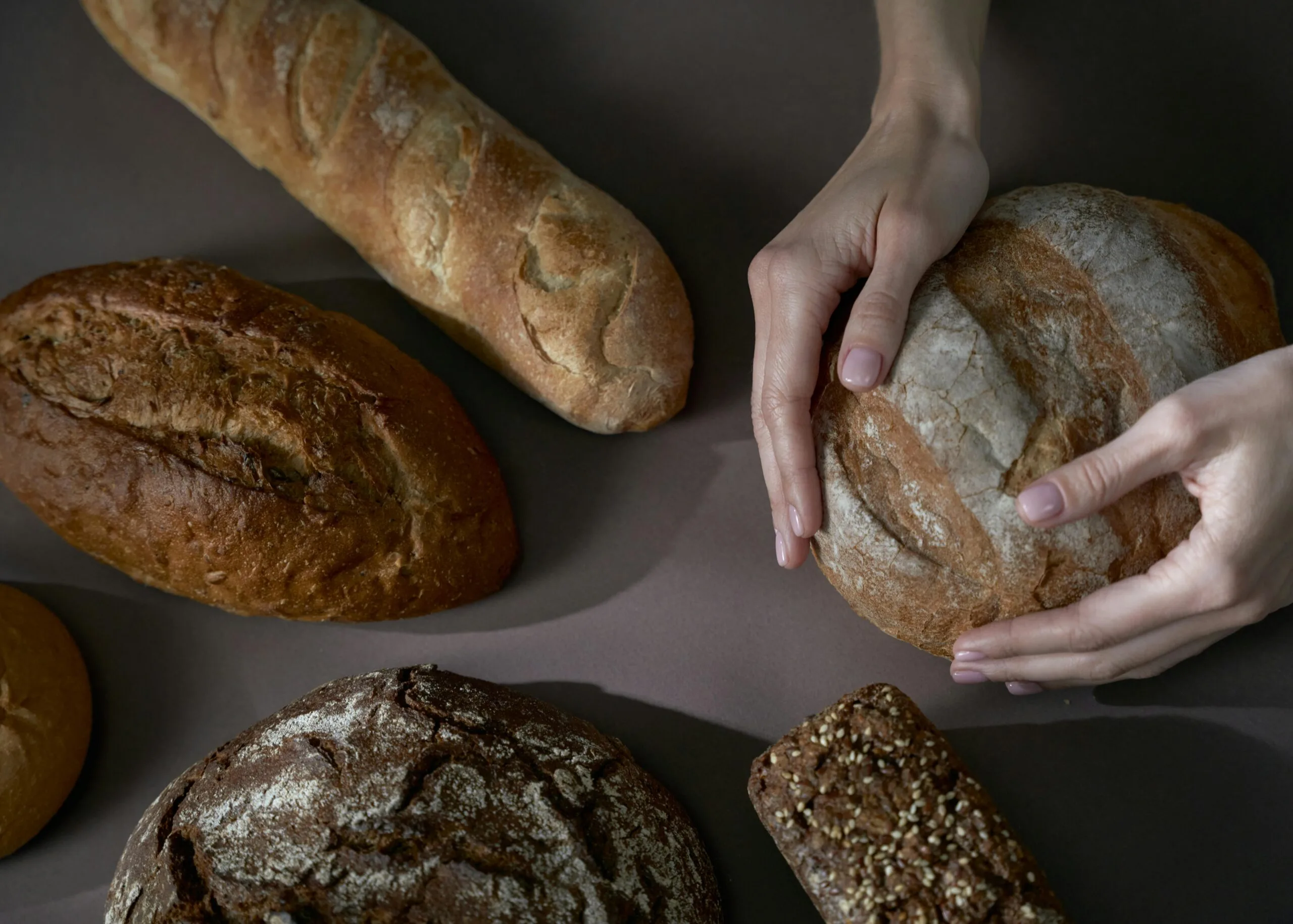
You don’t really notice bread until it’s not part of your life anymore. It’s there in the background of everything you eat. Morning toast, quick lunches, and a simple side with dinner. Then suddenly it’s not that simple anymore, and you actually have to think about it. Even standing in your own kitchen feels a bit different. That’s usually when it hits you.
That’s basically where Happy Gluten Free Baking comes from. It didn’t come from a plan or a business idea written down somewhere, but from being at home and trying to figure out how to eat normally again. After the celiac diagnosis and everything else, food stopped being easy and in the background. It started needing attention every day, and that gets tiring after a while.
Many moments were spent standing in the kitchen, not knowing what to do. Looking around and realizing most of the usual things are off the table. You still want meals that feel normal, though. You still want food that everyone at home can enjoy together. And you still want meals you actually look forward to eating. But it doesn’t work like that at first.
A lot of it came down to trial and error, trying things, seeing what happened, and starting over. Some things came out completely wrong and went straight into the bin. Other things were close, but not quite there yet. Slowly, over time, things started to shift. One thing would work slightly better than the last, and that’s how it all started to build up.
Figuring It Out in a Very Real Kitchen
The kitchen wasn’t one of those perfect, organized spaces. It was a familiar kitchen with mess, flour, and half-finished ideas everywhere. Some days things worked, other days nothing made sense at all. Recipes would change halfway through because an ingredient or texture wasn’t working. That was pretty much the everyday routine for a while. Nothing felt fixed.
Gluten-free baking doesn’t really behave like regular baking. You can’t replace one ingredient and expect it to turn out the same. Things fall apart more easily, and textures don’t always cooperate. Even small changes can completely change the outcome. So, it takes a while to understand what’s actually going on. There’s no quick way around that part.
Over time, it became about repeating things. It became a process of trying, adjusting, and repeating without rushing. Slowly, it starts to make more sense. You stop guessing as much and start noticing patterns. There were small moments where things finally worked. A loaf that actually held together properly. Bread that didn’t crumble the second you touched it. Flavors that didn’t feel like they were missing anything.
Those little wins started to matter more than anything big. They kept things going. The goal was never perfection, but getting things to a point where they worked. Good enough to eat, enjoy, and not stress over. That alone made a big difference, and it made it easier to keep going the next day.
Food Without the Constant “Don’t Eat That” Feeling
Food can easily turn into a list of restrictions. Don’t eat this, and stay away from that. Cut this out completely. After a while, it starts to feel like everything good is being removed. That’s usually when eating stops feeling enjoyable. It feels like rules instead. This approach went in a different direction. Instead of focusing on what’s missing, it focused on what could be added. Better ingredients. Food that actually supports how you feel. Meals that feel more like food again, not something you’re tolerating.
That small change shifts everything a bit. You stop constantly thinking about what you can’t have. Meals feel less stressful. There’s less overthinking involved. You eat without turning it into a whole process, and that’s a nice change for most people. Food starts feeling normal again, even if it looks different. It’s not about replacing everything exactly as it was before.
The focus is on finding food that actually works now. Food you can live with every day. Food that doesn’t feel like a compromise all the time. That way of thinking ends up shaping everything created. Nothing is trying to be a copy of anything else. It’s made to stand on its own and still feel good to eat. That’s the main idea behind it.
Bread Coming Back in a Simple Way
Bread is usually part of regular meals, nothing that really gets a second thought. It shows up on the table in small ways without needing much attention. At breakfast, lunch, and even dinner, it fits in naturally. It was never the main thing, only the part that held everything together.
The sourdough boule came from that space. Not trying to be a perfect replacement for anything. Just bringing bread back into the picture in a way that works. Familiar enough without trying too hard, and bread that actually holds up. The outside has that firm crust you expect. Inside, it’s softer but still holds together properly. You can slice it without it falling apart everywhere. That already makes a big difference. It behaves like bread should, which is kind of the point.
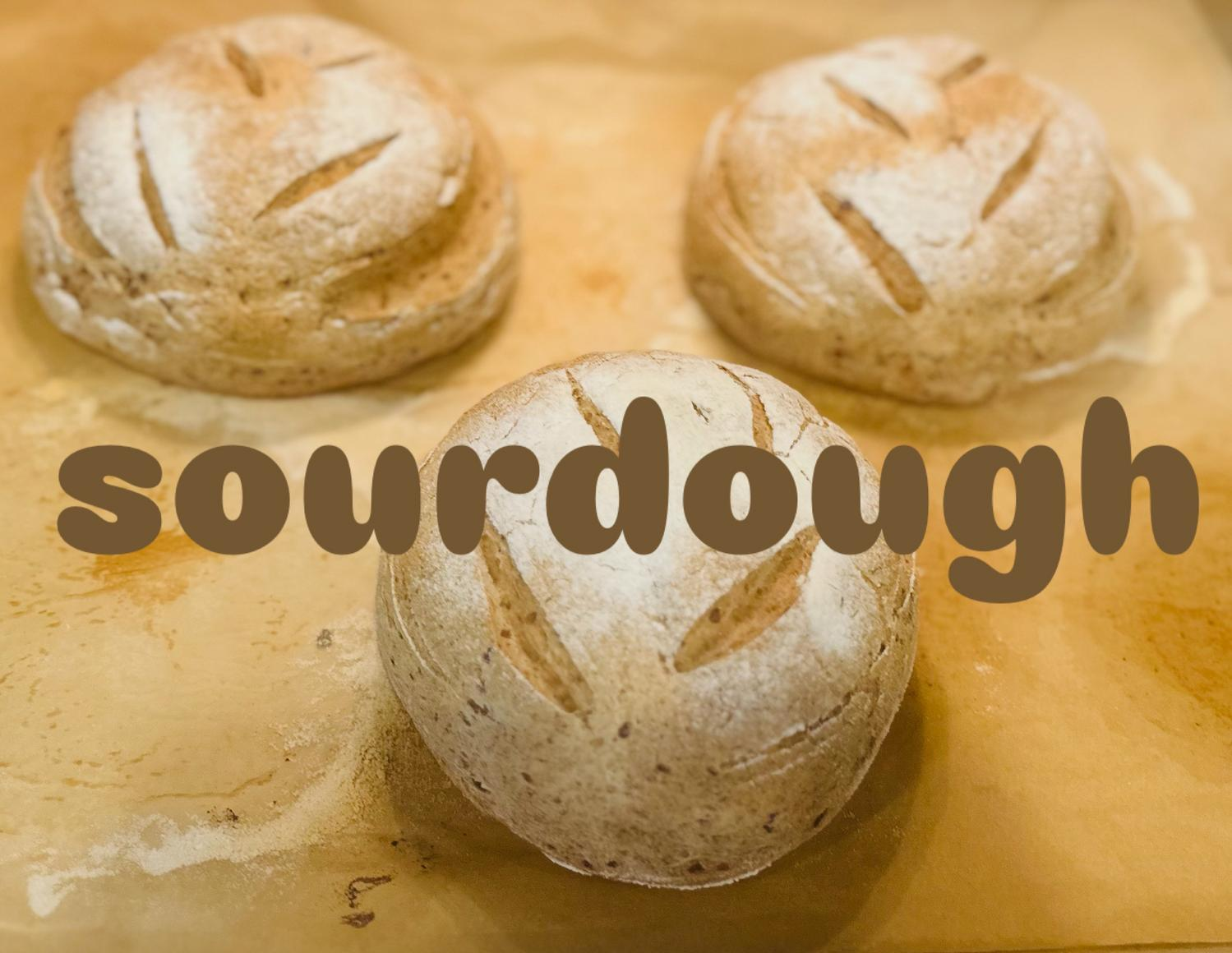
The flavor has that light sourdough taste that builds slowly. Nothing rushed or artificial about it. It feels like it’s had time to develop, and you can taste that. It’s not overdone or complicated. Just balanced. It fits into everyday meals without needing much thought. Toast in the morning, sandwiches later, or with dinner. Nothing fancy is needed. It works in everyday life. And that’s usually what people miss most.
Bagels That Actually Fit into Real Days
Bagels are more of a routine food. Food you grab when you’re in a rush, or keep simple. They’re meant to be easy and quick, not something you have to think too much about.
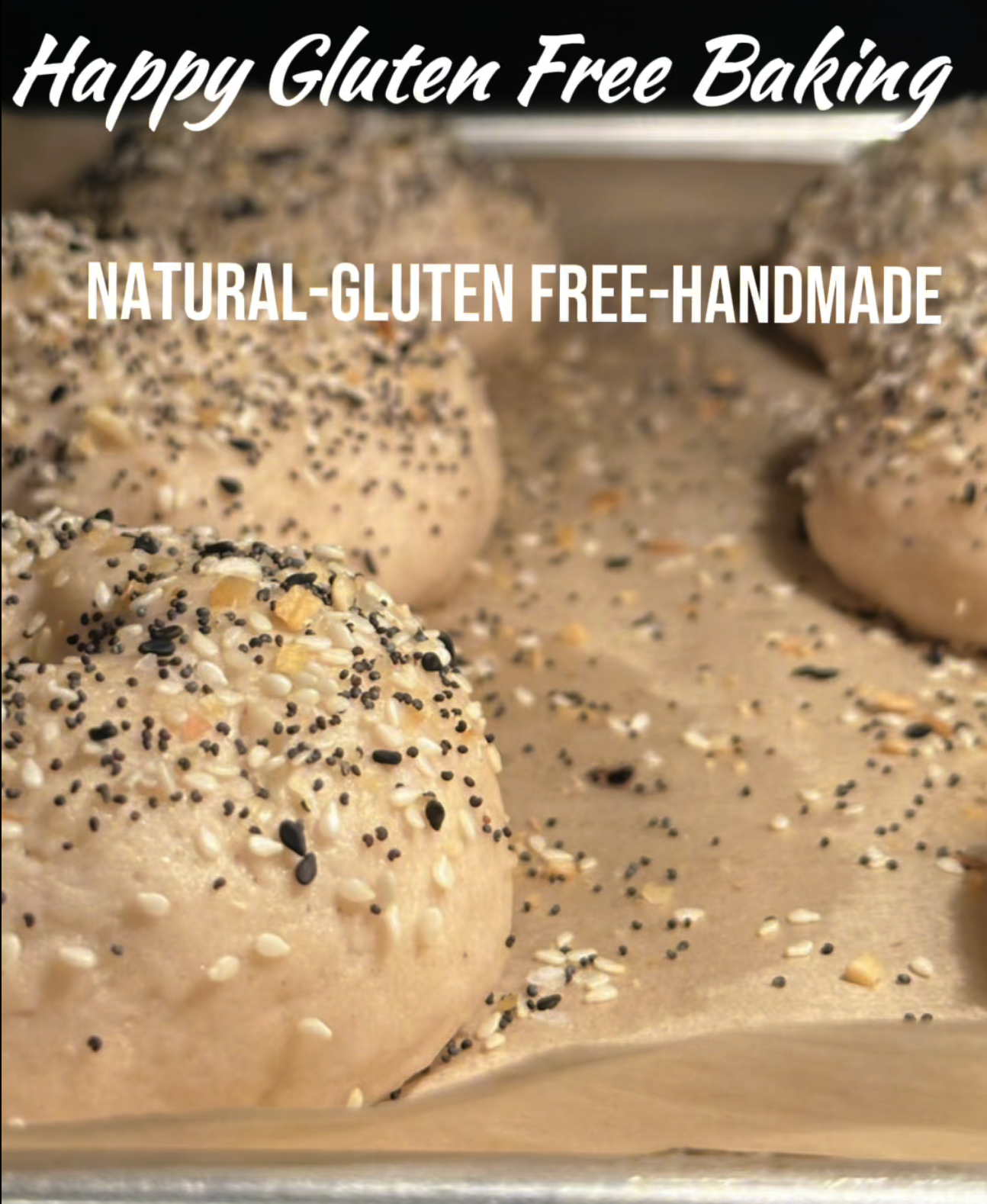
Getting that right without gluten isn’t straightforward. They need to hold their shape properly. They can’t fall apart when you cut or toast them. The texture has to feel right. Not too soft and not too heavy. That balance takes time. These bagels land in that middle space quite well. They feel solid but still easy to bite into. They don’t fall apart when you add toppings, and they don’t feel too dense either. They work the way you expect them to.
You can use them in different ways. Keep them simple or make them more filling. They don’t really limit you. You can make them fit whatever meal you want. That makes them easier to keep in rotation. They don’t need much thought. You use them when you need something quick and easy, and move on with your day. That’s usually what people are looking for anyway.
It Starts with the Ingredients
There’s no big loud focus on ingredients here. It’s quieter than that. Just making better choices where it makes sense. Using good ingredients when possible, and keeping things simple overall. Organic ingredients are used when they’re available. Not as a trend or marketing angle, but because they usually work better together. And the difference shows up in the final product, even if you don’t overthink it.
There’s also no use of seed oils. That’s part of the way things are done. Keeping things more straightforward. More familiar in a way. Nothing complicated behind it. Sweetness is handled more lightly. Less refined sugar, more natural options like maple syrup or coconut sugar. It gives a softer taste overall. Not too sharp or overpowering, only more balanced.
All of this sits quietly in the background, not pushed forward or turned into a big statement, simply part of how the food is made, and it works that way.
When Gluten-Free Food Stops Feeling Like a Compromise
A lot of gluten-free food has a reputation for not being great. Things fall apart easily. Textures feel off. Some products don’t hold up properly. People get used to expecting less over time. It’s not ideal, but it happens. This approach quietly pushes against that. Not by making big claims or promises. By focusing on making things properly. Taking time where it matters and paying attention to the small details. It’s not about copying traditional baking exactly. What matters is making food that works now. Food that feels complete on its own. Food you don’t have to justify. That’s the difference. When food works properly, you stop overthinking it. You eat it and move on. That’s really what most people want at the end of the day.
Built from Real Life, Not Theory
This didn’t come from trends or research papers. It came from actually needing it in real life. That changes the way everything gets made. The story behind it doesn’t need to be explained constantly. It shows up in the details instead. In how things are made and why they’re made that way. You can see it without it being said out loud.
It comes from figuring things out the hard way. From trial and error in a real kitchen. From dealing with it daily, not only thinking about it. That kind of experience shapes everything. It’s not about overcomplicating food. The goal is to make it easier to live with. That’s really what it comes down to.
Slow Growth, Steady Work
Not everything has to grow fast. Some things work better when they grow slowly. It gives time to get things right and time to stay consistent. That’s how this has developed. It wasn’t rushed or forced; it was a steady improvement over time. Keeping what works and building on it. The sourdough and bagels are part of that. Simple food done properly. No unnecessary extras. Only food that works in real life, and that’s enough for it to keep going forward.
Happy Gluten Free Baking has stayed close to that same way of doing things from the beginning. Nothing has ever been about rushing or trying to be something it’s not. It’s more about everyday food that fits into real life and actually makes sense when you need it. The kind of baking that doesn’t ask for attention but still ends up on the table again and again. In the middle of it all, Happy Gluten Free Baking keeps things simple, steady, and made with care.