
The search for health and beauty has changed and progressed throughout history, from ancient alchemists chasing transformative elixirs to current self-care approaches. Recently, there has been a major shift in attitudes concerning self-care. People are increasingly rejecting synthetic, chemical treatment choices in favor of natural remedies, which offer tremendous benefits. This return to nature is more than just a passing phase; it is a confirmation that natural products often outperform their chemical counterparts, providing complete care for the body, mind, and spirit. Explore the world of natural self-care and look at how ancient traditions and ingredients are making a comeback, providing sustainable and practical solutions for modern life.
From Alchemy to Authenticity: The Evolution of Natural Self-Care
Self-care techniques have changed dramatically over the centuries, reflecting shifts in societal standards, scientific discoveries, and cultural influences. Ancient civilizations such as Egypt, Greece, and China depended heavily on natural ingredients for self-care. Herbal remedies, essential oils, and mineral-based treatments were widely used. Cleopatra, for example, was renowned for her lavish milk and honey baths. During this time, self-care was comprehensive, including physical, mental, and spiritual well-being. Ayurveda and Traditional Chinese Medicine (TCM) emphasized balance and the use of natural substances to promote health.
During the Middle Ages, the rise of alchemy represented an intriguing age. Practitioners worked to change certain elements and uncover the philosopher’s stone, in pursuit of the elusive immortal life. This era combined mystical and practical wisdom, and practitioners regularly used herbs and minerals. The Renaissance reignited interest in science and health, with more documentation of herbal medicines and natural treatments, paving the way for future advancements in self-care.
The Industrial Revolution caused considerable developments in the nineteenth and early twentieth centuries. This period saw a shift toward synthetic items, as mass production made chemically created beauty and health products more widely available.
By the middle of the twentieth century, chemical-based medicines had dominated the market. Chemical-based skincare, cosmetics, and wellness products have gained popularity due to convenience and mass marketing. However, as people became more aware of the potential dangers and environmental impact of synthetic products, their interest in natural substances increased. Concerns about chemicals, preservatives, and artificial additives drove the demand for more natural alternatives.
Today, there is a strong push for natural, organic, and sustainably sourced goods. Consumers are increasingly looking for items that are devoid of dangerous chemicals, cruelty-free, and environmentally friendly. Modern self-care involves a comprehensive approach to physical, mental, and emotional well-being. Mindfulness, yoga, and natural therapy are gaining popularity. Many traditional natural remedies have been validated by scientific discoveries, leading to their incorporation into current self-care practices. Ingredients such as aloe vera, turmeric, and essential oils are now widely recognized for their effectiveness and advantages.
The return to natural foods reflects a desire for authenticity, sustainability, and a greater connection to the earth. People who practice natural self-care are rediscovering nature’s age-old wisdom for improving general health and well-being.
How Do Natural Remedies Outperform Their Chemical Counterparts?
Natural remedies have become more popular recently because of their potential to provide good self-care solutions without the drawbacks linked to chemical alternatives.One of the primary advantages of natural medicines is that they typically have fewer side effects. Synthetic products, especially pharmaceuticals, usually include a list of potential negative effects caused by the use of artificial components and additions.
Natural therapies are more sustainable and eco-friendlier than synthetic alternatives. Natural components tend to come from renewable resources, manufactured in less damaging ways, and are biodegradable. Natural remedies often include many kinds of compounds that interact synergistically, improving their overall efficacy, whereas manufactured treatments frequently rely on just one active ingredient.Using natural therapies allows you to take charge of your health through simple and cost-effective choices.
Many natural compounds can be found in popular foods and plants, making them easy to incorporate into your everyday routine.Many natural medicines have been practiced for generations, supported by both traditional knowledge and empirical proof. Chamomile for relaxation, eucalyptus for respiratory difficulties, and honey for wound healing are all long-standing practices.
[restrict]This lengthy history of use instills confidence and trust that newer synthetic items may lack.With an increasing worry about the long-term effect of chemicals in personal care products, food, and the environment, adopting natural alternatives can help reduce exposure.Therapies made from natural ingredients or components offer the flexibility and adaptability that synthetic products often lack. Natural medicines usually perform much better than their chemical counterparts because of the benefits they delivery, the fact that they result in limited side effects, and they offer long long-term, environmentally sustainable solutions.
The Perfection of Being: Alchemical Healing Through Nature’s Processes
The Elements
Elemental Wizdom is dedicated to harnessing the purest organic elements, minerals, and superfoods on the planet. Their devotion assures that products are free of preservatives, added sugars, artificial flavors and colors, gluten, yeast, soy, and animal products. Each item is made with love, scientific rigor, and precision in tiny, treasured batches. They source the finest rare and exotic ingredients to help you shine.
The Formulations
Elemental Wizdom’s creations are a bespoke alchemical art form. Each product is divinely inspired, scientifically researched, and masterfully formulated. They assemble the finest nutrients that Mother Nature has to offer, presenting a range of probiotics, enzymes, superfoods, essential oils, and wellness products designed to enlighten and enhance life.
Handcrafted in California, Inspired by the Divine
The Founder
Adam Ian is a modern-day wizard who studies healing, consciousness, and the mind. He understands the intricate relationship between various realms and is driven by a passion for love, humanity, and universal well-being. Adam’s life path as a seeker of truth, wellness, and knowledge inspired him to establish Elemental Wizdom, which encapsulates his vision. Adam uses alchemy to direct others to the ascended divine self, providing a transforming path to greater consciousness and overall well-being.
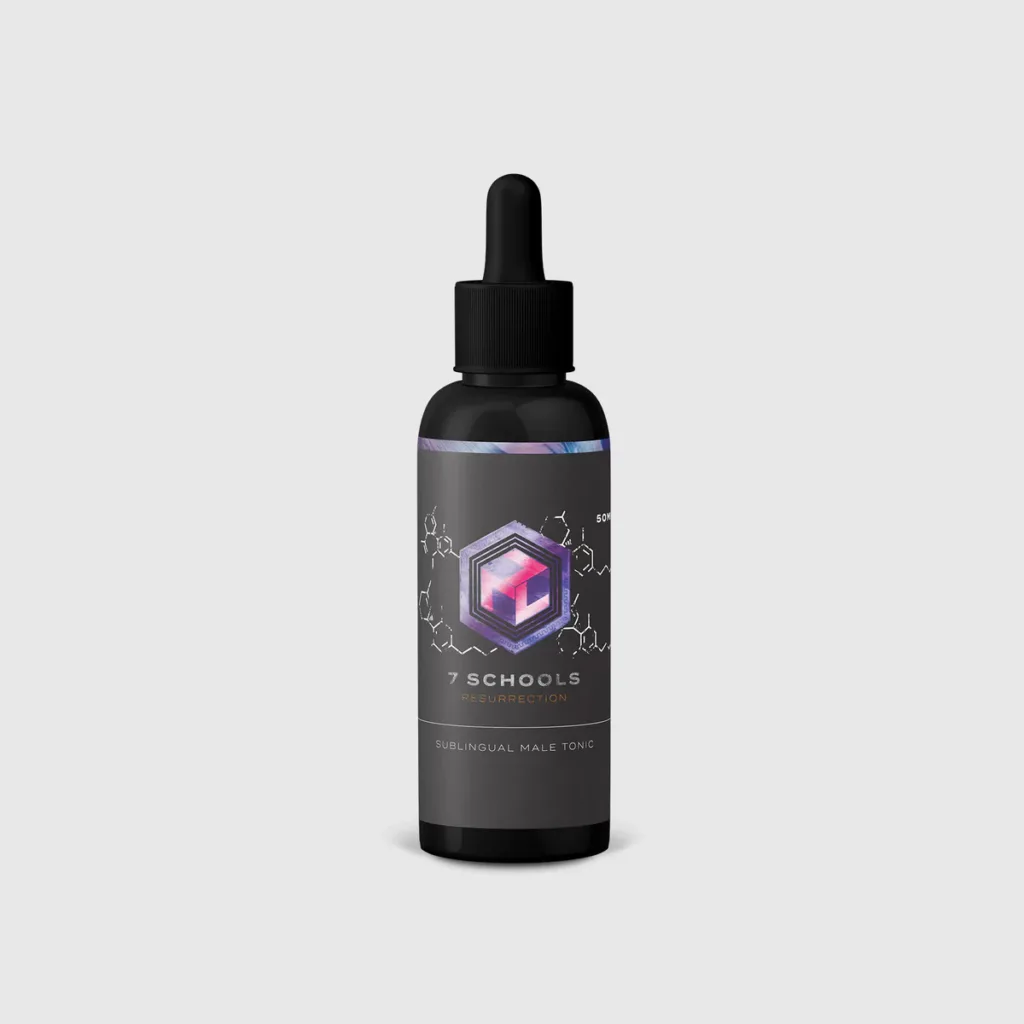
Resurrection Pine Pollen Tincture
Discover the benefits of Resurrection, a natural tincture developed to improve men’s health. This one-of-a-kind blend comprises ingredients that may help to slow the aging process and stimulate lean muscle development. Users have noted potential increases in focus, cognitive function, and liver health after taking this tincture. People who are allergic to tree nuts, pollen, or some tree barks, as well as those using hormone supplements, should exercise caution. Improve your health today with Resurrection Pine Pollen Tincture.
Pine pollen contains numerous plant hormones, including abscisic acid, auxins, cytokinins, gibberellins, and ethylene, with the main hormones being the phytoandrogens known as brassinosteroids. These phytoandrogens have critical roles in delaying human aging. This product’s pine pollen is gathered in the spring and directly dissolved in alcohol, resulting in an absorbable supply of plant-based testosterone, DHEA, androstenedione, and androsterone. Alcohol is regarded as the finest carrier for phytoandrogens, increasing their absorption into the body.
Resurrection is a potent all-natural tincture developed to improve men’s health. It has anti-inflammatory and antiviral qualities, which help fight aging and promote lean muscle growth. It also provides organ support and natural treatment options for erectile dysfunction and testosterone production. Improved focus and cognitive performance, reduced systemic inflammation, liver support, and greater lean muscle growth are among the benefits. It also improves Jing (Primordial Lifeforce), Chi or Qi (Energy), Shen (Aura), strength, endurance, lifespan, lean muscle mass, aphrodisiac characteristics, and fertility.
Black ginger has numerous health advantages. Its powerful anti-inflammatory compounds can help to reduce inflammation caused by illnesses like arthritis, heart disease, and cancer. It also improves energy, stamina, sexual health, and has anti-aging qualities owing to its antioxidant content. Black ginger promotes brain health by enhancing memory, improving focus, and protecting against neurodegenerative disorders such as Alzheimer’s.
Pine pollen should be avoided by children and male teenagers who naturally create adequate amounts of testosterone. It is crucial to begin with small doses to avoid disturbing hormonal balance, especially if you are already using hormone supplements. Pine pollen, rich in bio-available androgenic hormones like testosterone, DHEA, and epitestosterone, supports sexual drive and performance, promotes lean muscle growth, and provides anti-aging benefits by improving immune function and reducing systemic inflammation.
Increased levels of superoxide dismutase (SOD), glutathione, and reduced lipofuscin deposits are some of the antioxidant-related properties of pine pollen that may slow the aging process. It also improves mood and cognitive performance because it contains phenylalanine, a precursor to dopamine that is linked to mood, motivation, and well-being. Pine pollen contains amino acids and antioxidants that help control stress hormones, increase blood flow, and promote cognitive function.
general, Resurrection Pine Pollen Tincture provides a natural way to improve men’s health, physical and mental performance, and general well-being.

Embracing the Natural Path: Rediscovering Holistic Self-Care
The resurgence of natural self-care practices symbolizes a return to nature. Self-care treatments and techniques have evolved from synthetic treatments to a renewed focus on holistic, natural cures. It is becoming a well-known fact that natural ingredients often perform better that their chemical equivalents.
The Resurrection Pine Pollen Tincture is a prime example of this return to nature. This tincture, known for its remarkable rejuvenating properties, contains pine pollen, which promotes energy and well-being. It embodies the essence of alchemical healing, offering a natural cure to supplement the body’s basic functions.
Accept the life-altering effects of natural ingredients.