

People anticipate experiencing certain journeys in life, including school, getting a job, starting a family, and most importantly, staying healthy. And then there are travels that not many people know about until they are already on them: the trek back to connection. Not connection as a phrase or a brief spark, but as a lived experience that settles into the body, calms the nervous system, and reminds a person that they are not alone in the world. Sexual health, often mistaken for performance, is at the core of this journey. It’s not about performance, but about presence.
Wellness culture today values things that can be monitored. Objectives that can be completed. Counted calories. Hours of sleep. However, some of the most significant factors that influence how long you live and how happy you are often leave no data behind. Touching people. Emotional safety. The sensation of being desired and understood. For years, researchers have quietly confirmed what people already know: strong, close relationships are one of the clearest indicators of long-term health, emotional strength, and even immunological function. The body reacts to connection in the same way that it reacts to food or activity.
This fact is where sexual health dwells. It is not distinct from mental health, physical well-being, or emotional equilibrium. It is woven within them. When intimacy is satisfied, the body relaxes, cortisol levels drop, oxytocin levels rise, and a sense of belonging grows. When intimacy is ignored or shamed, the reverse happens: tension builds, confidence drops, and connection slowly fades.
This is where WOO More Play lives—not to yell or make a big deal out of things, but to put intimacy back where it belongs in holistic health.
A Point of View That Questions the Noise
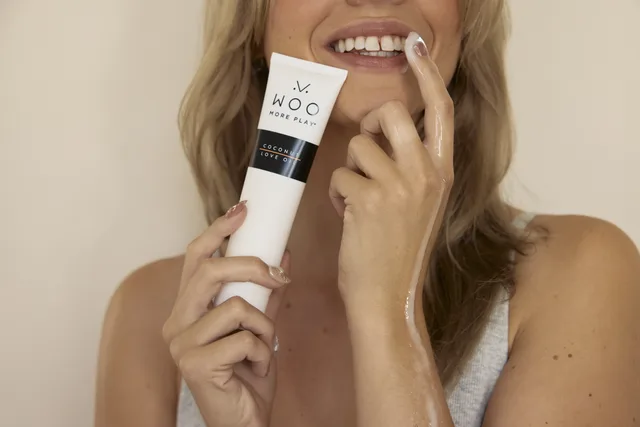
When WOO More Play started in 2016, the sexual health sector mostly spoke in extremes. The products were either too clinical and frigid or too sexual, leaving little space for caring, subtlety, or instruction. Many of the products included synthetic additives, petroleum-based chemicals, and scents that were never meant for sensitive skin. It was even more surprising that there was no talking. People were supposed to “know” how intimacy should operate, and when it didn’t, there was frequently silence.
[restrict]That stillness led to the creation of WOO.
The brand’s first question on sexual health was quite different from the ones that came before it: What if intimacy were handled like any other part of health? Something to know about. A field of health to support softly. An aspect of health that changes with time, with bodies, and relationships.
This change in point of view changes how we think about sex from a goal to a way of communicating. A technique for couples to show they trust, care for, and are interested in each other. They understand that desire shifts, bodies change, and life brings challenges that affect intimacy. WOO More Play doesn’t regard these times as failures; instead, it sees them as chances to slow down, reconnect, and care more deeply.
The Science of Connection
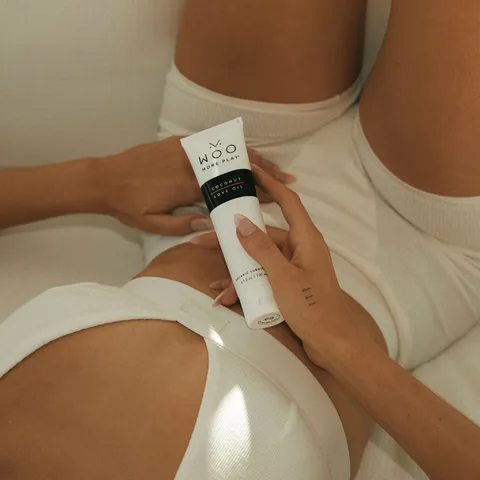
People don’t often talk about interesting facts about intimacy, but they show how closely sexual health and general health are linked. The body produces oxytocin, which is often called the “bonding hormone,” when people touch one another sexually. Oxytocin decreases blood pressure, reduces anxiety, and greatly empowers emotional bonds. This is the same hormone that is produced during birthing and nursing processes, displaying how vital intimacy is for human life and connection.
Regular intercourse has also been linked to improved sleep, less stress, a stronger immune system, and even better heart health. These advantages are not confined to any certain age or life phase. Studies demonstrate that being physically near others as you become older might help you think more clearly, feel better, and have a stronger sense of purpose.
However, for closeness to provide these advantages, it has to feel secure, both physically and emotionally. Comfort is necessary. Trust is important. And the things individuals put on their bodies are more important than most people think.
Respectful Clean Formulas
WOO More Play’s dedication to making clean, well-thought-out products isn’t based on trends; it’s based on their beliefs. The skin in the intimate region is very absorbent, and the microbiomes there are quite fragile. They are meant to keep you from becoming sick or irritated. Anything that touches that skin should help maintain its natural equilibrium.
This conviction led to the birth of Coconut Love Oil, WOO More Play’s best-selling product and a revolution in personal care.
Coconut Love Oil: Where Simple Meets Sensational
By design, Coconut Love Oil is simple. It uses organic coconut oil to bring intimacy down to its most basic forms: warmth, glide, and trust. Coconut oil has been used for centuries in many cultures because it moisturizes, kills germs, and soothes the skin. It contains numerous medium-chain fatty acids, which help keep the skin healthy and hydrated without feeling sticky or fake.
Coconut Love Oil is different not just because of what it has, but also because of what it doesn’t have. No parabens. No chemicals from oil. No artificial scents. No ingredients that are hard to say without a chemistry degree. The end product is a lubricant that is suitable for oral sex, can be used for massage and foreplay, and is grounding enough to help you connect more slowly and mindfully.
The sensory experience is planned and not overpowering. Coconut Love Oil melts as it comes into contact with skin, which makes the touch last longer instead of rushing. This is more important than it seems. When you touch someone slowly, it triggers the parasympathetic nervous system, which is in charge of relaxing and bonding. This makes intimacy less about the end result and more about being together.
Coconut Love Oil discreetly allows couples to stop in a world that is used to moving quickly.

The Courage to Get Close
The bedroom is not where intimacy starts. It starts with how someone feels in their body throughout the day. Small, sometimes unseen moments, such as after a workout, while traveling, or in the midst of a tough workday, may change how confident someone feels. These moments can make someone feel more receptive to connection later on.
This knowledge led to the creation of Freshies, WOO More Play’s mild, pH-balanced cleansing wipes made just for sensitive skin.
Freshies: Cleanliness Without Giving Up
Freshies don’t cover up the body with fake smells or change its natural condition. They are about keeping things safe. The pH level of the intimate region is carefully maintained to prevent irritation or shifting out of equilibrium. Countless regular wipes and washes attack this equilibrium, which makes the skin dry, uncomfortable, and more sensitive.
Freshies are designed to help the body, not to take over it. They don’t contain any harsh chemicals and are safe to use daily, whether you’re working out, traveling, or just need a quick pick-me-up. This gentle treatment makes individuals feel clean without making them feel bad.
People frequently don’t realize how much this comfort affects their minds. Self-consciousness fades away when individuals feel comfortable in their own skin. Being open grows. Touch feels more welcoming. Freshies are a modest link between self-care and shared closeness. They reinforce the concept that taking care of your body is not a luxury but a necessity.

Education as the Key Element
Things by themselves don’t transform relationships. Understanding does.
One of the things that makes WOO More Play stand apart in the field of sexual health is how much it focuses on teaching. Too many people enter long-term relationships without ever learning how to communicate their needs, handle mismatched libidos, or change their level of closeness as they go through various phases of life. These gaps might make people feel distant, not because they don’t love each other, but because they don’t know how to talk to each other.
WOO More Play understands education as a means to empower. The company helps couples replace pressure with curiosity by making it common to talk about pleasure, limits, and emotional connection. This change typically brings back a feeling of cooperation that goes beyond just physical pleasure.
Couples often report feeling more in sync, more patient, and better able to handle stress from outside sources when intimacy becomes a shared practice instead of a solo obligation. The advantages spread out and affect mental health, emotional control, and general happiness with life.
A Complete Definition of Rejuvenation
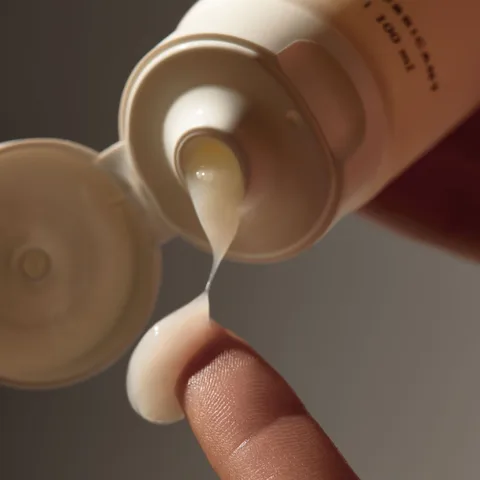
Rejuvenation is frequently sold as a way to turn back time, aging, or even transform the way you look. This intimate brand gives a more realistic definition. Reconnection is what rejuvenation is. To the body. To a companion. To enjoy as a source of energy instead of stress.
When you take care of your sexual health, it doesn’t go away with time. It changes. It gets deeper. It becomes less about new things and more about subtle differences. More about closeness than urgency. This transition is like the healthiest relationships, which become better not by avoiding change, but by facing it together.
WOO More Play wants to be your partner on your adventure. Freshies and Coconut Love Oil are tools, but the best thing they provide you is permission to care, talk, and put connection first without feeling bad about it.

A Different Type of Health Brand
WOO More Play is different from other companies because it considers sex as what it has always been: a basic aspect of human wellness. The company changes the way people think about intimacy by concentrating on clean formulas, creative design, and honest information. It makes love seem as important as nutrition, activity, and mental health.
People don’t want additional noise. They desire greater significance. More presence. More connection.
WOO More Play provides something quietly radical: a reminder that a complete, healthy life is not constructed simply by what we measure, but through what we share. They do this by recognizing the body, appreciating relationships, and promoting intimacy as a lifetime practice. Through Freshies and Coconut Love Oil anything is possible.
[/restrict]