There was a time when beauty asked us to pick a side. You could either go with bold or barely there. There was nothing in the middle. You were one or the other, those were the options.
For decades, the makeup industry loved binaries because they were easy to market. Every season delivered a new rulebook. Last summer, matte was the trend. This summer, it was replaced by glossy. Of course, in a few years it would circle right back to matte. People, being the humans they are chased every rising trend, and brands raced to be the next to launch the newest big thing.
The most exciting movement in makeup today isn’t another color palette or celebrity aesthetic. It’s a quiet cultural shift that, for once, has almost nothing to do with trends at all. Beauty is becoming a language. The people speaking it most fluently are those who understand how to translate, not imitate, different cultures, identities, aesthetics, and experiences into something entirely their own.
That change is transforming everything from runway collections and refillable packaging to shade development, product design, accessibility, and the stories beauty brands choose to tell.

Beauty Has Entered Its Translation Era
Translation is an interesting word. Good translation doesn’t erase the original language. It preserves meaning while making it understandable somewhere new. That’s exactly what innovative beauty brands are doing. They are not borrowing aesthetics from different cultures because they’re fashionable, they’re building products informed by lived experience. They’re allowing different design philosophies, manufacturing traditions, artistic influences, and color stories to exist together without forcing one to dominate the other.
This is a giant leap forward for an industry that lived and died by trends in the past, and reduced entire cultures to nothing more than seasonal mood boards.
People have changed, their needs have changed, and what’s important to them has changed. They are interested in answers to questions that they wouldn’t have thought to pose in times gone by. Who designed this? Where was it made? Whose story is being told? Is this inspiration or appropriation? People want more than something that ends up in front of us because of an algorithm, they want authenticity.
Creativity Now Travels Faster Than Ever
The onset of the social media era has dissolved geographical borders. A makeup artist in Seoul inspires someone in Los Angeles, and a designer in Shenzhen influences packaging in Paris. Beauty inspiration has become a global affair.
There is still one thing that separates meaningful brands from ones that are easily forgotten, and that’s the willingness to acknowledge where trends come from, rather than just identifying the next big craze. The most compelling founders openly celebrate collaboration across cultures instead of pretending creativity exists in isolation.
That openness creates richer products because every design choice carries a story, and customers notice.

Inclusivity Has Become More Sophisticated
Today it asks broader questions. Products should be intuitive for beginners and adaptable to different skin types. Packaging should fit different lifestyles. Brands are also considering whether their visual identity gives people room to express different sides of themselves rather than confining them to a single aesthetic.
Accessibility is still physical, but it goes a step further into the emotional realm. The best makeup doesn’t tell someone who they should become. It gives them more ways to express who they already are.
The Return of Emotional Color
The biggest surprise in beauty today is that color has become emotional again. For years, discussions centered around pigment payoff, longevity, and trend forecasting. Yes, those topics are important, but somewhere along the way, many brands forgot why people wear blush in the first place. No, it isn’t because it is fashionable, it’s because our faces naturally change color when we’re alive: we blush when we’re laughing too hard, or when we’re in love. Those moments remind us that color has always been emotional before it was cosmetic.

Pepper Pout’s Face Card Duo approaches blush through the lens of natural human expression rather than trend cycles. Instead of launching endless shades for the sake of novelty, the duo explores contrast through two complementary balms inspired by Yin and Yang. Yin creates soft depth with a rich wine-toned flush, while Yang uses moisture- and pH-reactive pigments to create a personalized finish unique to each wearer.
The formula responds to each wearer’s natural chemistry rather than masking it.
Function Has Become Beautiful
When people buy products, they actually want to use them. They don’t want them to just end up on the pile in a random drawer with all the other products bought on a whim.
Beauty has become increasingly intertwined with industrial design, fashion accessories, and everyday functionality. This explains the growing popularity of refillable compacts, sculptural packaging, magnetic systems, modular palettes, and collectible designs.
People today appreciate beauty products that solve practical problems while still feeling joyful. Pepper Pout embraces this philosophy with Twin Flames Duo, a lip balm duo designed to move with everyday life.

The collection includes a deeply hydrating balm enriched with hyaluronic acid, peptides, vitamin E, and jojoba oil alongside a warming plumping version featuring chili pepper extract for a signature spicy tingle and fuller-looking lips. Both share the brand’s distinctive hoop design, allowing them to clip onto handbags, keys, or everyday essentials.
Representation Creates Better Products
Some of the industry’s most exciting founders are entering beauty because they see experiences that remain underrepresented. Pepper Pout founder Elysia Chen built the brand from her own bicultural upbringing between China and the United States. She uses those two identities as complementary creative perspectives instead of putting them into competition against each other. The result feels like cultural fluency born from lived experience.
The Most Modern Beauty Products Don’t Ask Us to Choose
For decades, beauty revolved around transformation. Now the conversation feels different. That may be the makeup industry’s biggest evolution.
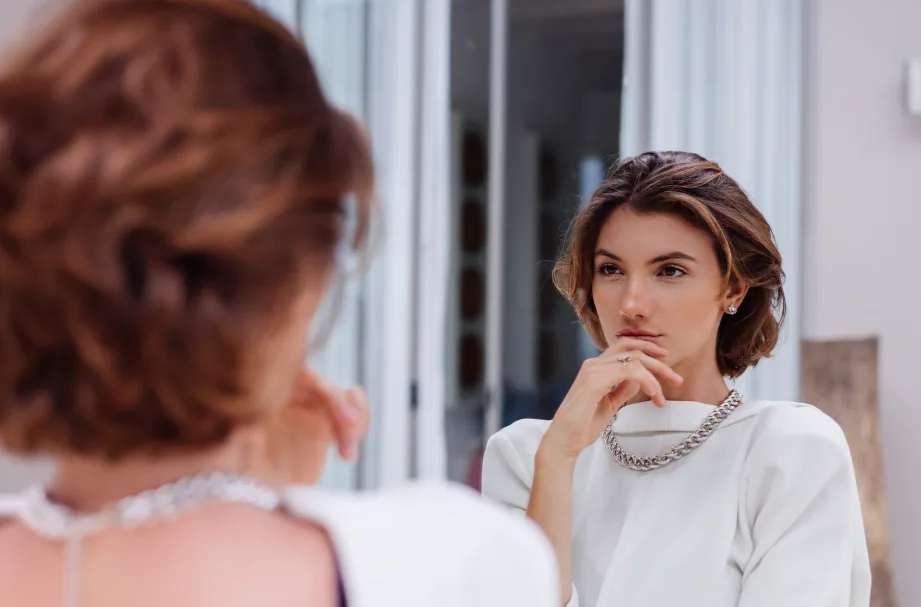
People don’t necessarily want to become someone else; they’re looking for products that allow different versions of themselves to exist simultaneously. Beauty no longer needs a single identity because people don’t have one either.

A Future Written in Many Languages
The next generation of beauty won’t belong to beauty brands that chase every viral aesthetic. It will belong to those that understand people. The most meaningful makeup won’t erase those differences. It will celebrate them.
As beauty brands continue exploring inclusivity, sustainability, accessibility, and creativity, the real opportunity isn’t simply making better products. It’s creating products that help people feel more completely themselves. Authenticity never goes out of style.
The most beautiful language we’ll ever learn is the one that reminds us we never had to choose just one version of who we are.