

After a baby finally falls asleep, there is a kind of quiet that fills the space. The house may be full of things that need doing. There are bottles waiting to be washed, laundry that somehow multiplied overnight, messages left unanswered and a meal that was started hours ago.
For a few minutes, there is nothing to do except sit there and listen to the tiny sounds coming from the bassinet.
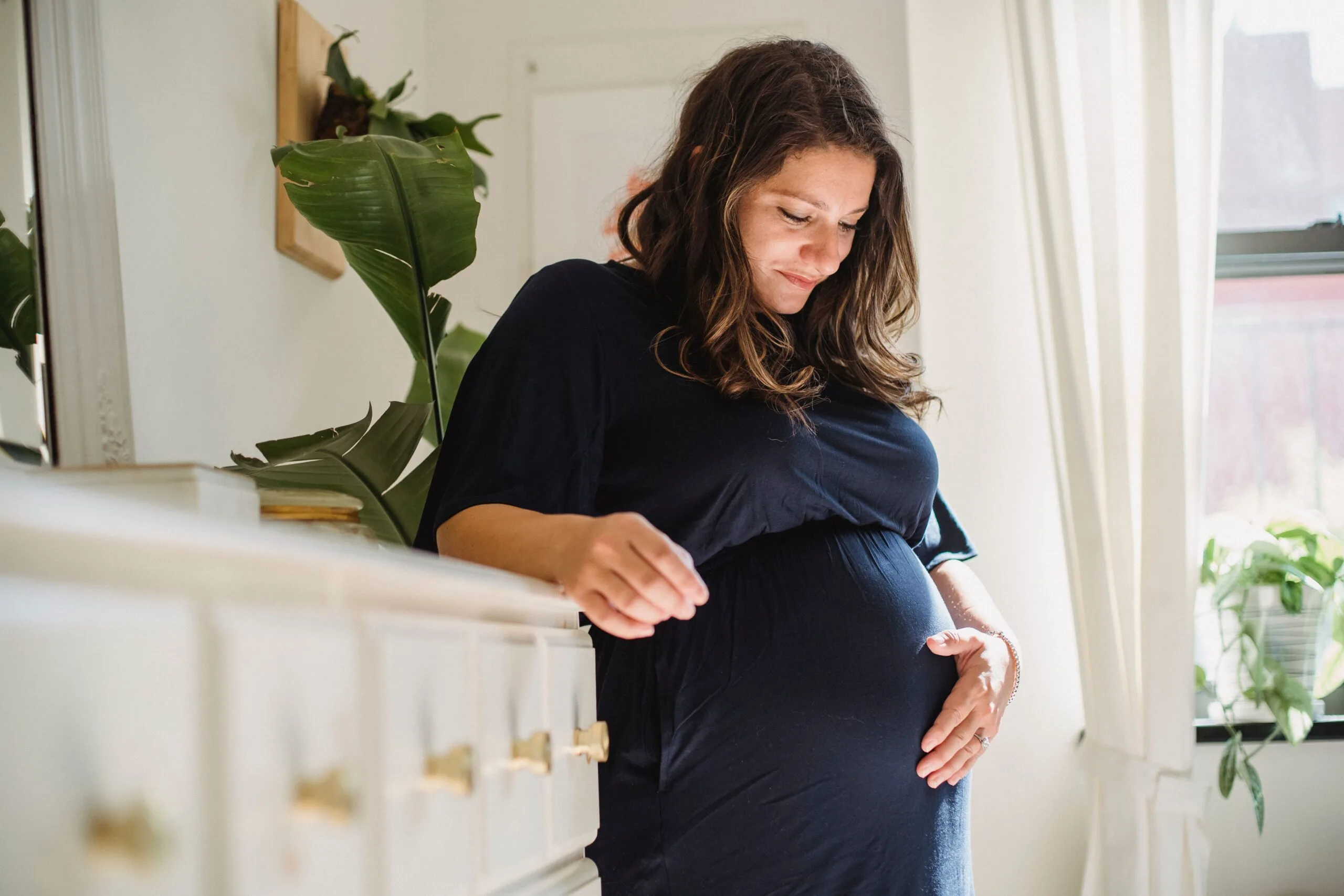
It is often in that quiet that a new mother notices herself.
Her body feels unfamiliar. She is tired in a way that sleep alone cannot quite explain. She may be healing from birth, learning to feed a baby, adjusting to a new rhythm and trying to understand why emotions that seemed manageable yesterday feel enormous today.
Everyone has been asking about the baby. Far fewer people have asked how she is doing.
That gap sits at the heart of Hello Mama™, a wellness resource created around a deceptively simple idea: preparing for a baby should also mean preparing for the woman who will become a mother.
Pregnancy tends to come with instructions. There are appointments, classes, birth plans, hospital bags, nursery checklists and endless advice about what a newborn will need. Postpartum, however, can feel strangely different. The mother is expected to recover while simultaneously learning an entirely new life.
For Rachel Kessler, founder and author, that realization came through experience.
Her own transition into motherhood was difficult from the beginning. Pregnancy brought severe, persistent nausea. Then, after giving birth, her recovery took an alarming turn when she developed serious complications related to postpartum preeclampsia. The situation resulted in organ damage and rehospitalization approximately a week after her daughter was born.
Instead of spending those early days simply learning the rhythms of newborn life, Rachel was confronting something much more frightening: uncertainty about her own health and the possibility that her condition could become life-threatening.
She also had something many new mothers are fortunate to have: family support. The experience showed her that having people around is not necessarily the same as having a postpartum support system.
A mother may have people willing to hold the baby, bring dinner or ask whether she needs anything, but genuine postpartum support requires another layer of awareness. Someone needs to notice the mother, too. Someone needs to understand that recovery can involve physical healing, emotional upheaval, changing relationships, disrupted sleep, questions about feeding, shifts in identity and moments when something simply does not feel right.
That experience became part of what shaped Hello Mama™.

Postpartum Is More Than the Fourth Trimester
The phrase “fourth trimester” has helped bring attention to the first weeks after birth, but mothers do not stop needing care as those early weeks pass.
In reality, the first year can contain dozens of transitions.
A newborn becomes more alert. Feeding changes. Sleep patterns shift. Development brings new questions. A mother may begin thinking about returning to work, rebuilding movement, navigating relationships, finding time for herself or simply figuring out who she is now.
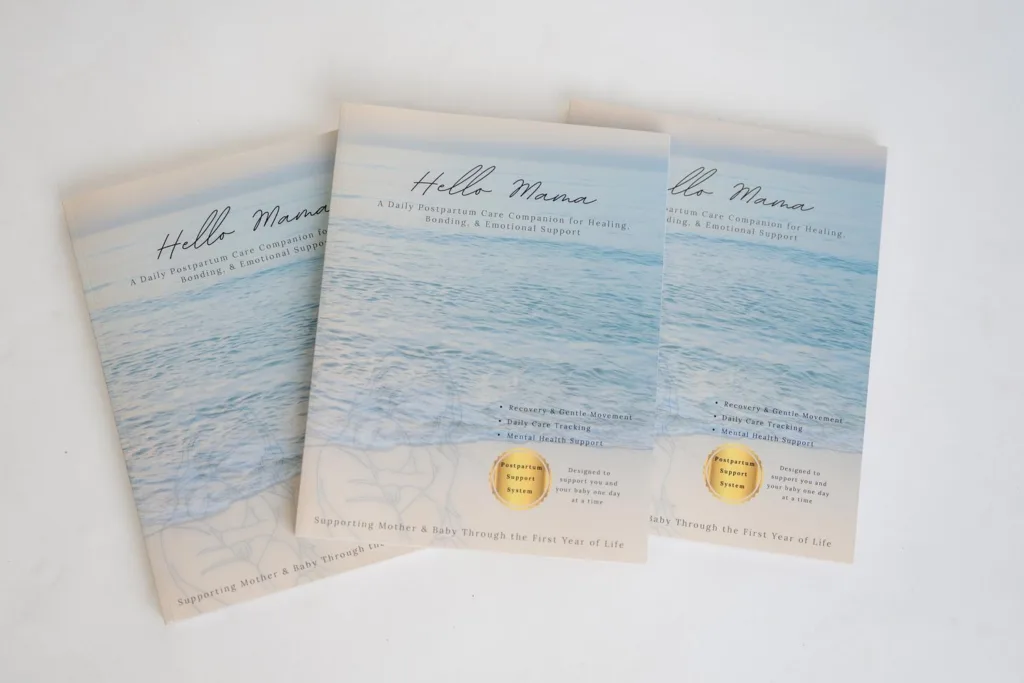
That is why the Hello Mama: Postpartum Guide (Printed Edition) takes a 52-week approach, rather than treating postpartum as a short window that begins and ends around the six-week mark. The printed companion combines practical organization with maternal check-ins, baby development, bonding activities, recovery information, emotional reflection and resources mothers can return to as circumstances change.
Motherhood does not unfold according to a checklist. One week may feel surprisingly manageable. The next may feel completely different. A resource that can be revisited rather than completed recognizes that reality.
Inside the printed guide are everyday tools such as feeding, diaper, sleep and routine trackers alongside milestone pages, household organization, appointment notes and monthly planning. There are also postpartum recovery check-ins, mental-health reflection pages, journaling prompts, meal-planning support, gentle movement and pelvic-floor content, as well as ideas designed to encourage connection between mother and baby.
The practical details are important, but perhaps the deeper value is the reminder embedded within them that mom belongs in the plan.
When Mental Health Becomes Part of the Conversation
Postpartum wellness cannot be reduced to physical recovery. A mother can be deeply grateful for her baby and still feel overwhelmed. She can love motherhood and miss aspects of her former life. Or feel connected one day and strangely detached the next. Even surrounded by people, she can still feel lonely.
Postpartum mental health exists on a spectrum, and emotional changes after birth can be influenced by sleep disruption, hormonal shifts, physical recovery, stress, relationship changes and the enormous psychological adjustment of becoming responsible for another person.
That does not mean every difficult emotion is a sign of a mental-health disorder. It does mean that emotional well-being deserves the same seriousness as physical healing.
Hello Mama™ deliberately includes mental-health reflection and emotional-wellness support rather than treating those subjects as an optional extra. That approach feels especially meaningful given Rachel’s own story.
Her experience illustrates why mothers should not have to wait until they reach a crisis point before asking for help. Preparation can include knowing who to call, what support is available, which questions to ask a healthcare professional and what changes in physical or emotional well-being deserve attention.
Persistent, severe or frightening symptoms deserve attention from a qualified healthcare professional rather than being dismissed as simply part of new motherhood.
It can also mean giving a mother permission to say, “I am not okay today.” Sometimes that sentence is where meaningful support begins.
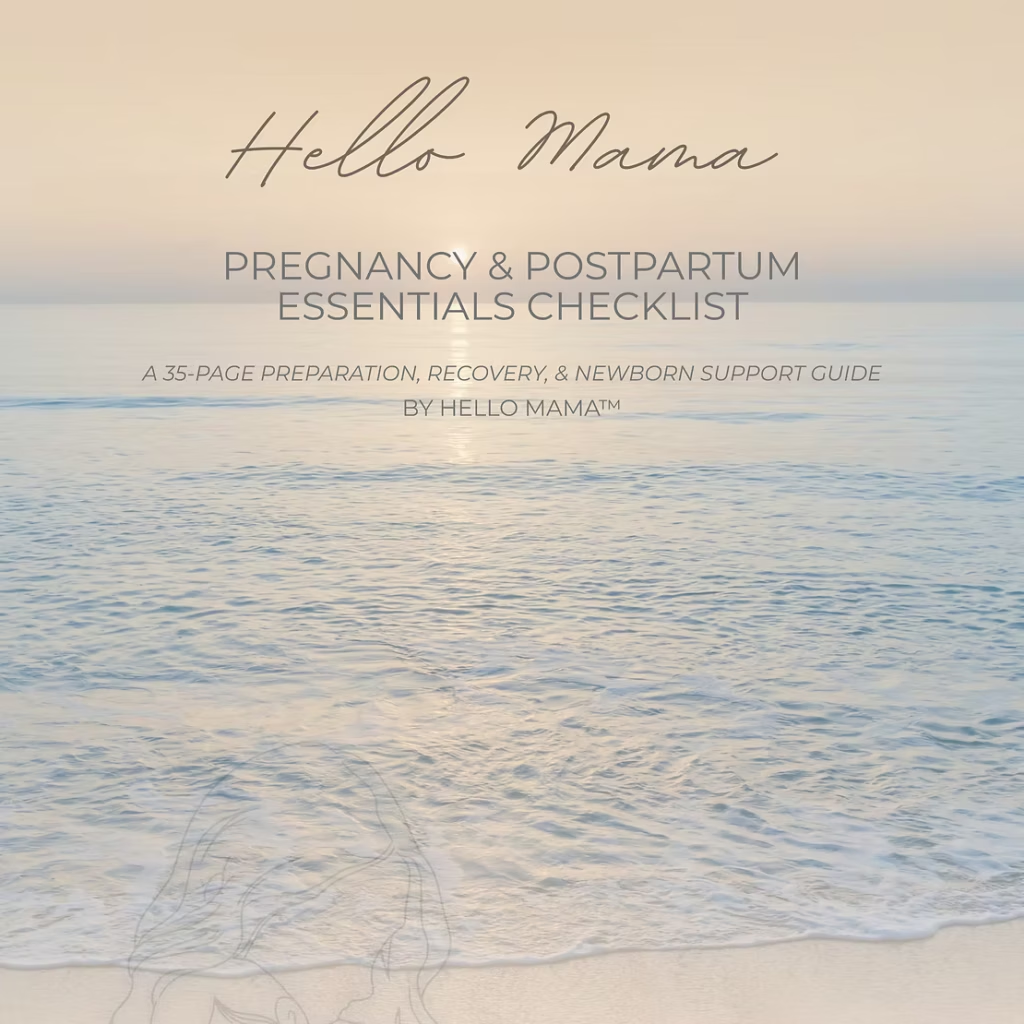
A 35-Page Preparation, Recovery, & Newborn Support Guide
The Hello Mama Pregnancy & Postpartum Essentials Checklist approaches preparation from another direction.
For many expectant parents, knowing how to prepare for postpartum means thinking beyond the hospital bag and nursery.
The Postpartum Guide is designed to accompany a mother through the first year; the Pregnancy & Postpartum Essentials Checklist helps her think through the transition before the baby arrives.
Rather than focusing exclusively on what the baby will need, the digital resource encourages expectant parents to think about delivery, postpartum recovery, support systems, meals, the home, self-care and the practical realities of bringing a baby home.
The hospital bag is important. So are the car seat, diapers and tiny clothes. But who will make dinner? Who can sit with the baby while Mom showers? Who knows what she would actually find helpful? What happens if feeding is more difficult than expected? Who can she call when she has a question at 2 a.m.? What does rest realistically look like in her household?
Perhaps most importantly: what does she need in order to feel cared for rather than responsible for everyone else?
These questions matter enormously once the visitors leave and real life begins.
Nourishment Without Another Set of Rules
Rachel’s professional background also informs the company’s approach to nutrition and movement.
Before motherhood, she worked in health and fitness, including competitive powerlifting and personal training, before moving into entrepreneurship through nutrition-focused businesses. That experience became part of the practical philosophy behind the guide: wellness should be something a mother can actually live with. That means food can be approached as nourishment. It shouldn’t be a source of added pressure.
During postpartum recovery, adequate energy, protein, fluids and a varied, nutrient-dense diet can support general health while the body heals. For mothers who are breastfeeding, nutritional needs can be different again.
Sometimes the healthiest meal is simply the one that can actually be eaten. Accepting a prepared meal from someone else may be a better act of self-care than trying to cook from scratch.
The Postpartum Guide includes healing meal-planning tools, recovery-oriented nutrition content and nutrition guidance that takes the demands of postpartum recovery and breastfeeding into account, while recognizing that individual needs vary.
The same philosophy carries into movement. Postpartum exercise should not be a race back to a pre-pregnancy body. A woman’s recovery depends on many factors, including pregnancy, birth experience, complications, physical condition and individual medical circumstances.
Movement may eventually become part of rebuilding strength and confidence, but it should be approached gradually and appropriately, with medical guidance and clearance where necessary.
The goal is to learn how to inhabit and care for the body that exists now.
Becoming Without Disappearing
During the demanding season of new motherhood, Rachel continued her education and completed her first college degree. She is now more than halfway through a second. That does not mean every mother needs another degree, a business or a fitness goal. It means that motherhood can become part of a woman’s identity without becoming the entirety of it.
There can still be curiosity, creativity, friendship, work, education, movement, ambition, quiet mornings, and big dreams. There can also be seasons when simply getting through the day is enough.
That is one reason the language around postpartum wellness matters so much. “Getting your body back” suggests that the woman somehow disappeared during pregnancy and birth. “Bouncing back” turns recovery into a deadline.
A more compassionate question is different: “How can she care for the woman she is becoming?”
That woman may eventually become stronger or more active. She may return to fitness or discover an entirely new relationship with movement. Her priorities may change.
There is no universal version of postpartum success.

Preparation Can Be an Act of Care
The company’s larger message is ultimately not about having the perfect postpartum plan. It is about having a plan at all.
The brand also offers a Pregnancy & Postpartum Essentials Checklist is listed at $20 and is currently available for free through email signup, where subscribers receive an access code, creating another accessible starting point for mothers who want to think ahead about recovery, needs and support. That may be where postpartum preparation becomes most meaningful: creating a little more awareness before the exhaustion arrives.
A phone number saved. The meal plan that includes the mother. Conversations about mental health. A few minutes set aside for reflection. Most importantly, a willingness to ask for help.
The printed guide offers a tangible place to hold those thoughts through the first year, while the Hello Mama Pregnancy & Postpartum Essentials Checklist provides a practical planning framework before baby arrives. Their value lies in making space for the person who is so often placed at the bottom of it.
A baby does not arrive into a vacuum. It arrives into a family, a home, a relationship, and into the life of a woman whose body, emotions, priorities and identity may be changing all at once.
That is the conversation Hello Mama™ is inviting mothers, families and the wellness world to have. A conversation about care.
Sometimes, that is exactly where a healthier definition of postpartum wellness begins.