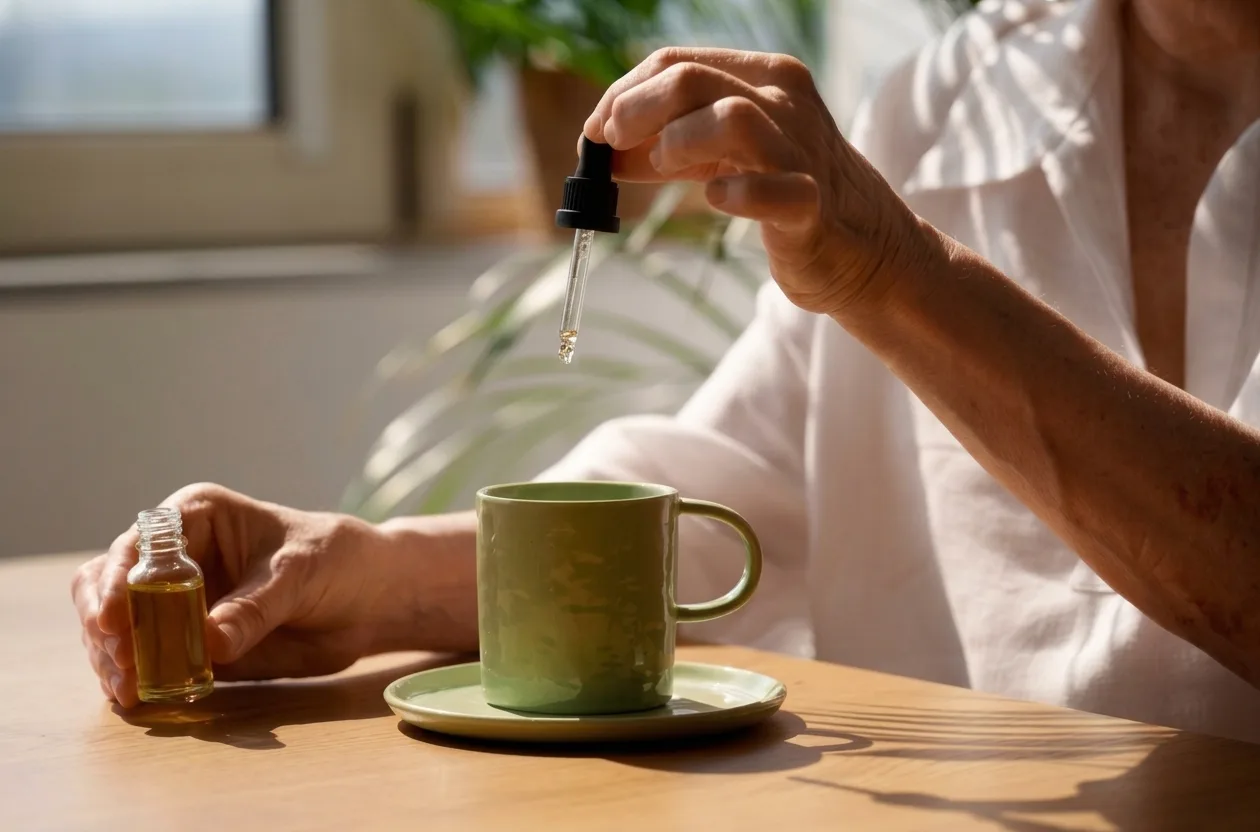

In the vast realm of proven remedies that enable us to thrive, the preservation of harvested medicinal plants holds paramount significance. For as long as humanity has cultivated and gathered herbs, the need to retain their valuable healing properties has been a vital concern. Initially, drying was the primary method employed to ensure the availability of medicine when needed. However, as time progressed, innovative techniques surfaced, revealing the efficacy of extracting and preserving botanicals using oils, honey, vinegar, and alcohol. These extracts not only capture the advantageous compounds of plants but also offer a convenient delivery method, eliminating the need for time-consuming preparations like teas and decoctions. In both European and American herbal traditions, tinctures (ethanol-based botanical extracts) have been utilized for hundreds of years. The Eclectic herbal practitioners of the 1800s in the United States and Great Britain established a thorough system of botanical medicine that predominantly utilized ethanolic extracts, popularizing the use of tinctures by chemists, physicians, and housewives. Up until 1918, tinctures were the main “drugs” included in the US Dispensatory (Remington and Wood’s US Dispensatory, 20th Ed.). Up until the late 1960s, the American Medical Association and the emergence of synthetic medications forced the practice of plant medicine in the US underground.
Since at least 4,000 years ago, when medicinal wines were made for religious rituals and medical uses, alcohol extracts have also been used in East Asian medicine. Recipes for therapeutic wines are included in “The Yellow Emperor’s Classic of Medicine,” the fundamental document of Traditional Chinese Medicine written circa 200 BCE. While the majority of East Asian medicines are currently made as teas, powders, or pills, commercial pharmacies, and traditional healers in this region of the world also sell alcoholic extracts, such as the perennially well-liked tonic liqueur Shou Wu Chih.

How Herbalists Of The Old Paved The Way For The New Generation
Herbalists of the past paved the road for today by experimenting with plants, following their intuition, documenting their discoveries, and continuing to spread the herbal message via teaching and sharing their findings. Each generation of herbalists developed and built on the work of those who came before them. The same is true for families that have used home remedies and handed them on to their children.
About Roots To Remedies (Alexandra Duran)
Alexandra Duran is the creator of her Roots to Remedies brand. With a deep respect for ancient healing traditions and a commitment to harnessing the healing properties of nature, Alexandra honors the invaluable contributions of herbalists from the past capturing them in every one of her products. Her transition to natural living began more than ten years ago. She gradually let go of her contemporary inclinations and started to handle situations in a more understated, traditional way which is why she is frequently referred to as a “hippy” or “crunchy mom”! She has also spent many years learning about herbal treatments and has developed a strong interest in handling them.
“God has blessed us with a lovely world that is home to amazing healing trees and plants”, Alexandra takes it as an honor to assist in creating therapeutic items for you and your families using these remedies.
Roots to Remedies has been in operation since 2018 and they offer more than 150 different items. To guarantee both great quality and product freshness, they handcraft their items in modest quantities. By using goods that are as pure as possible—without synthetic chemicals or preservatives — Roots to Remedies aims to mimic the natural world. They choose only the finest herbs, fungi, and components. They provide a wide range of topical and internal herbal remedies in varying potencies to cater to the specific demands of their clients. They produce skincare items, herbal extracts, tinctures, rollers, sprays, salves, teas, syrups, and blended powders. Except for the salves and syrups, which include beeswax or honey, the whole product range is vegan, and all products were carefully and lovingly handcrafted!
Roots To Remedies: Fire Fighter Tincture
We all desire a safer, healthier future for our children and ourselves; a world free of hazardous substances in the environment and on our bodies. That is why ingredients are important.


Most chronic health issues are now being linked to systemic inflammation, which not only causes pain but can also be connected to more serious ailments including cancer, auto-immune/immune disorders, mental disorders, allergies, digestive problems, etc. For optimal health, the body must reduce inflammation.
(Ingredients include):
Turmeric Root: Turmeric assists the body’s healing abilities in numerous ways: it increases glutathione production (important for detoxification), decreases free radical damage, and blocks specific inflammatory enzymes. It supports the liver when consumed regularly. Your liver plays a crucial role in so much including digestion and detoxing. Detoxification naturally happens in your cells every moment of the day so it’s very important and beneficial to support your liver consistently and not just for major cleanses/detoxes.
Ginger Root: Ginger has heating and drying qualities so it’s best used for people with signs of coolness and dampness. It increases circulation, promotes digestion, and increases the flow of fluids in the body. Ginger is a powerful anti-inflammatory and shown to decrease pain in those with chronic inflammatory pain. It can also be used for blood stagnation. If you have painful menstruation, delayed menstruation, clots, or fibroids then this herb can help get things moving. If you have a cold or flu, ginger can help get sticky mucus flowing. Ginger is also great for nausea, heart health, and infections.
Roots To Remedies: Heart Health Tincture

Our total health depends on the condition of our hearts. We ought to do all in our power to support it. This herbal remedy helps to normalize and regulate blood pressure while assisting in heart muscle strengthening. Additionally, it strengthens the immune system and promotes good cholesterol and blood circulation. Use it often to assist your heart!
(Ingredients include): Hawthorn Berries: this fruit strongly supports healthy cardiac rhythm and improves heart cell metabolism. It enhances the flow of electrolytes across cardiac cells. The flavones within the berry enhance the function of cardiac enzymes which improves the heart’s ability to withstand stress. It is also known to increase blood flow to the heart by dilating both peripheral and coronary blood vessels.
Motherwort: this herb contains a chemical alkaloid, leonine, which is a mild vasodilator that acts as an antispasmodic to relax the heart. Its calming nature has been shown to slow heart palpitations and a rapid heartbeat. It helps regulate tachycardia, especially when due to stress and anxiety.

Some Of The Many Benefits Of Herbal Medicine
Did you know that 66% of American people use prescription medications? Because prescription drugs can be potent, they can come with serious side effects. Even ordinary antibiotics that doctors frequently give can lead to significant problems like heart palpitations or seizures as well as gastrointestinal problems like cramps and diarrhea. Herbal remedies, in contrast, are often kinder to the body. Natural remedies have fewer adverse effects when used at the prescribed dosages. You might be able to lessen your dependency on synthetic pharmaceuticals and prevent their potential adverse effects by adopting a natural remedy rather than a pharmaceutical one. Before using herbal treatments if you are presently on prescription medicine, be cautious to check for drug interactions. Medical treatment is becoming more and more costly. Without insurance, even seeing a general practitioner and paying for the prescribed medications can be quite expensive. Herbal medications often cost less since they are produced from abundant natural materials rather than being synthetically created in a lab. Additionally, they are simpler for consumers to access than prescription medications as a result. Before beginning a herbal treatment program, you may want to visit a skilled traditional healer or a practitioner of alternative medicine, but you do not have to go through the Big Pharma-designed prescription pharmaceutical process. Once you are aware of the herbs you require, purchasing high-quality natural supplements from dependable retailers like Roots to Remedies is simple.
Benefits Of Taking A Tincture
The use of tinctures to prepare or consume herbal medication has various benefits (to say the least). For making durable and efficient treatments, ethanol is a superior solvent and preservative. Alkaloids, glycosides, phenolics, resins, and terpenes are just a few of the medicinal plants’ active ingredients that may be easily isolated and kept in ethanol. In the last step of preparing a tincture, the fibrous material is removed by pressing or percolating the plant material, which results in a concentrated extract of the therapeutic chemicals. Tinctures are simple to store and administer in little amounts, and they are shelf stable for at least five years. Two ounces (60 mL) of a tincture, dosed at two droppers full (2 mL) three times each day, lasts for 10 days and can be used anywhere. Since tinctures are swiftly absorbed in the mouth and stomach, they frequently can start working immediately. As a result, tinctures make an excellent delivery method for supporting the neurological system, which may assist with issues like difficulty sleeping, pain, and concern, as well as the digestive system and other circumstances needing prompt action. Additionally, tinctures can be taken every day to support a person’s long-term health objectives. Children, pregnant women, those with a history of alcohol consumption, people who have stomach problems or liver illness, and others sometimes do not feel comfortable taking ethanol. The alcohol can be “steamed off” for these people by boiling it in water for five minutes. Choose a glycerite, oxymel, infused honey, tea, or herbal cure in capsule form as an alternative.
Numerous conditions, such as indigestion, stress, PMS, discomfort, and sleeplessness are treated using tinctures. Benefits can be felt right away, but stronger results often begin one to two weeks later. For a variety of problems, including pain, bruising, varicose veins, spider veins, eczema, and bacterial or fungal infections, tinctures can also be used topically or blended into creams. Tinctures can be diluted and used as a mouthwash to relieve oral infections and give you fresher breath as well.
Approximately 98% of herbal extracts and tinctures are used by our bodies, but only approximately 50% of capsules and pills. Due to the high concentration of herbs in a lower dose, tinctures are far more powerful. Because the body doesn’t need to break down plant cellulose to absorb the therapeutic compounds of the herbs, they are simpler to digest and more quickly absorbed. They also frequently have fewer gastrointestinal adverse effects.
Future Prospects Of Herbal Medicine
Herbal medicine will usher in a new era of medicine for the treatment of human ailments during the next few years. The primary health care for almost 80% of the world’s population is provided by conventional medicine. Improved screening techniques from plants and other natural sources are needed to further research the creation and characterization of novel natural medication. However, when compared to natural items, technical materials are much riskier and more poisonous. Natural products, on the other hand, are safer to use and have a lot of benefits including being environmentally friendly, biodegradable, readily available, and having few adverse effects. The benefits of herbal and natural remedies are (without question) the intuitive way to balance yourself and keep yourself that way (as well as the environment we live in).
* In partnership with our friends at ROOTS TO REMEDIES* Photo courtesy of ROOTS TO REMEDIES
* These statements have not been evaluated by the Food and Drug Administration. These products are not intended to diagnose, treat, cure or prevent any disease.
* The information available on ewellnessmag.com, including text, graphics, and other materials is for informational purposes only. Reliance on any information in ewellnessmag.com is at the user’s own risk. Sponsored product placement may appear in the article. The visitor of this website acknowledges that the information available on or through ewellnessmag.com is not and is not intended to be a substitute for professional medical advice. Copyright © 2023 Brawo Press, Inc. All rights reserved.