
You can buy a water bottle that is the size of a miniature dog, carry it around with you everywhere, and still somehow manage to forget to drink the water inside of it.
Hydration is one of those things that most of us know that we should be doing, and yet, somehow, we always negotiate with ourselves about it. One more lap around the track, one more set in the gym, one more hour outside, and one more round of chasing the kids around the backyard. Suddenly, the sun is lower, your bottles are still mostly full, and you are wondering how you managed to spend an entire afternoon without thinking about water.
For people who spend much of the day moving, hydration eventually becomes less of a goal and more of a rhythm. The problem is remembering to keep up with it when the day gets busy.

When “Active” Means a Little Bit of Everything
The word “active” can make wellness sound very serious. It brings to mind training schedules, endurance goals, carefully measured meals, and sometimes someone who owns a collection of different types of running shoes.
Life is rarely this organized.
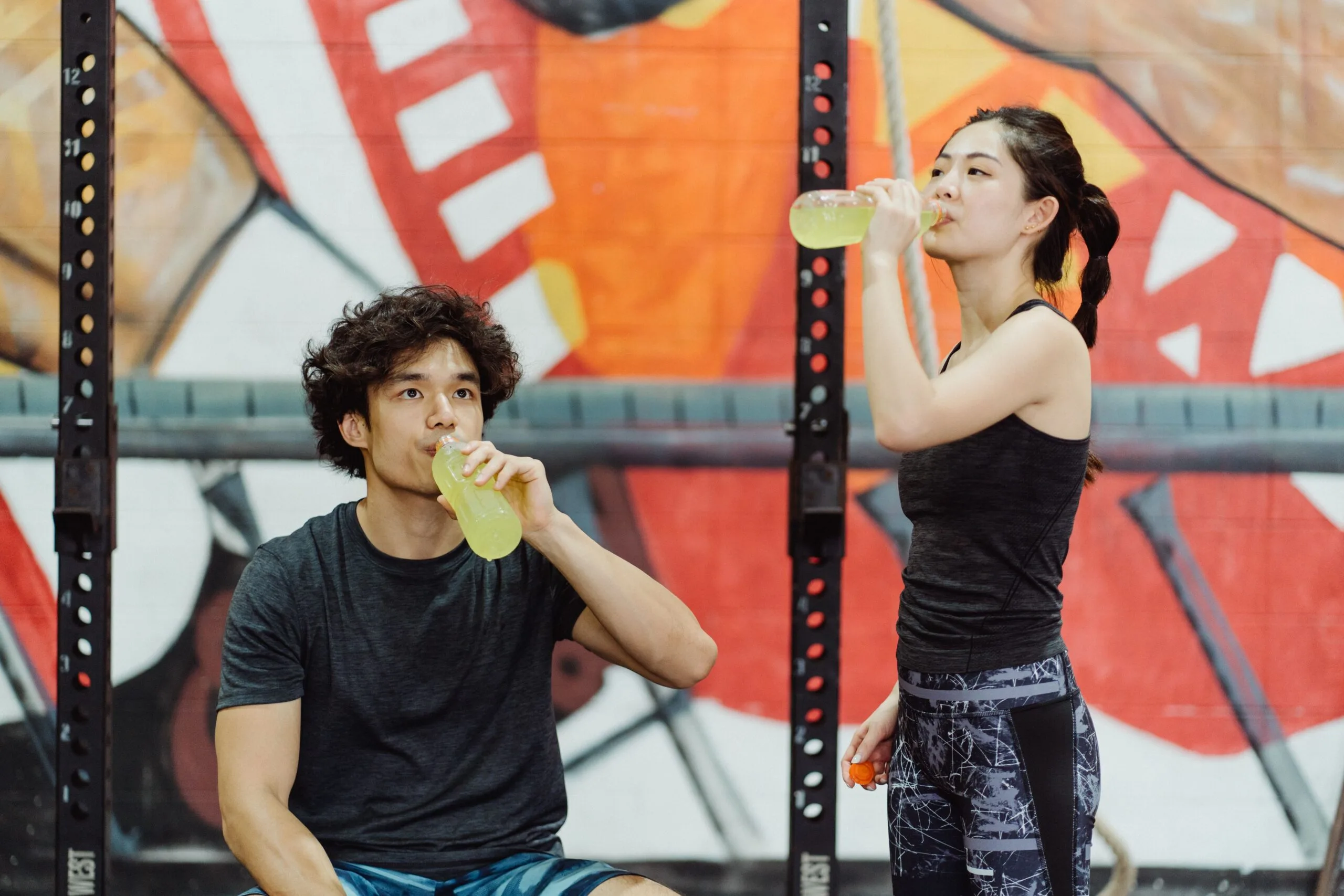
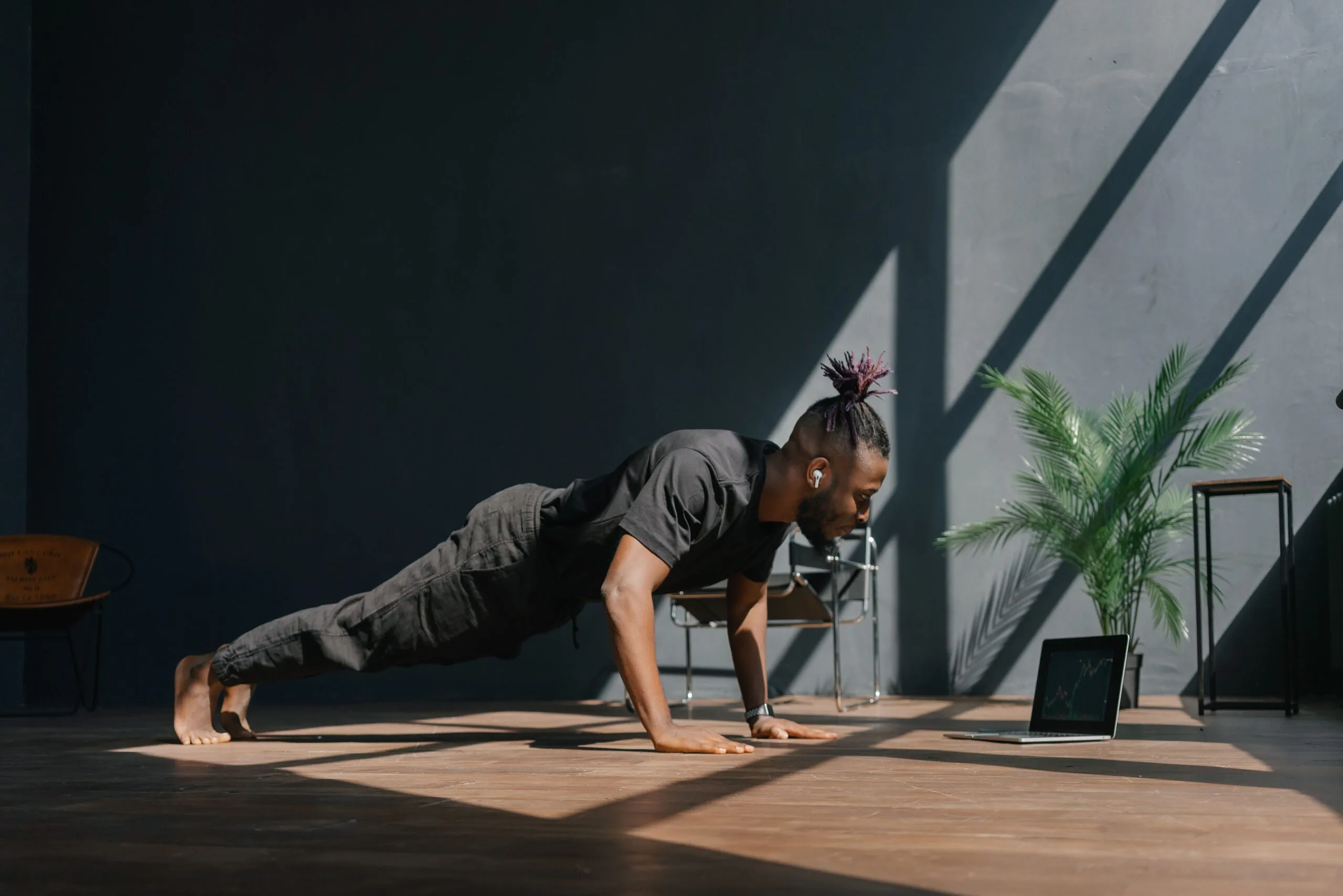
Being active might mean riding a mountain bike on a Saturday morning, spending hours at the BMX park, walking on a hiking trail, skateboarding with friends, working out after a long day, or standing out at a sporting event, trying to keep up with the amount of energy that the rest of the crowd is displaying.
A mountain bike ride doesn’t look much like an afternoon at the BMX park. Neither does a long hike or a workout after work. Still, the body notices the same things: movement, heat and sweat.
After a while, sweat starts to matter, along with what gets lost in it.
Exercise hydration has been studied from plenty of angles, including what happens when fluids contain electrolytes and carbohydrates. A 2022 systematic review and meta-analysis covering 28 studies found that drink composition could affect hydration responses during continuous exercise, although the results varied with factors such as exercise intensity, drinking rate and beverage formulation. [Study link]
A marathon runner, a BMX rider and someone spending the afternoon at a soccer field are not going to have exactly the same hydration needs.
Moto Pops grew out of Michigan’s action-sports community, where hydration doesn’t necessarily look like a bottle lined up beside a gym bag. The brand puts electrolytes and B vitamins into a format that is much more familiar: the frozen pop.
Imagine a motocross track on a blazing hot afternoon. Engines are roaring, the riders are taking off their hot and sweaty helmets, people are constantly moving around, and then someone opens up a cooler.
No one is expecting a lecture about wellness; instead, they’re just looking for relief from the heat.

The Coldest Part of the Workout
There is something familiar about the format. A frozen pop belongs to hot afternoons, coolers, ball fields and childhood summers. Here, that familiar format carries electrolytes and B vitamins, too.
A frozen pop doesn’t require much explanation when someone has been outside for hours and is already looking for something cold. Whether it is after exercise, during an outdoor event, or halfway through a long afternoon in the sun, the format feels pretty intuitive.
After hours on a bike or at an outdoor event, there is usually not much appetite for another complicated ritual. A cold pop pulled from a cooler has a certain obviousness to it.
Sodium and potassium are electrolytes involved in fluid balance, as well as nerve and muscle function. During prolonged or strenuous activity, fluid and electrolytes are lost through sweat. The American College of Sports Medicine notes that electrolyte-containing drinks may be useful in certain exercise situations, particularly when activity lasts longer than an hour.
When Water Needs a Little More Attention
A useful way to think about hydration is to pay attention to the day instead of following a rigid rule. A cool morning spent mostly indoors is not the same as three hours on a sunny field. Heat, sweat, exercise and the amount of time spent outside all change the picture.
Thirst is one obvious cue, but the rest of the day matters too. A person who has barely touched a drink since breakfast and then spends an afternoon sweating at a track is in a very different situation from someone who has been sipping fluids regularly during a quiet workday. It helps to look at what the day has actually involved before deciding what is needed next.
None of that means an electrolyte product belongs in every gym bag or should accompany every walk around the block. Context matters. A long, hot afternoon is different from a ten-minute stroll.

Hydration, With a Side of Nostalgia
The lineup keeps the flavors familiar. Blutopia Freeze Pops leans toward blue raspberry, while Beat Red Freeze Pops takes the fruit-punch route. Both come in a 3-ounce frozen format with electrolytes such as sodium and potassium alongside B vitamins, giving the familiar freeze pop a more functional role.
People tend to repeat the things that don’t require much negotiation. A cold pop after a sweaty afternoon is an easier sell than another item on a carefully planned wellness checklist.
Research has looked at that broader question, too. A 2025 systematic review of carbohydrate-electrolyte beverages found potential benefits compared with water for exercise-associated hydration, although the researchers noted variation between studies. [Study link]
A marathon runner and someone spending the afternoon at a skate park may both need to think about hydration, but their days and their needs aren’t identical.

The Habits That Actually Get Repeated
Most active days don’t happen according to a wellness plan. They happen between errands, school pickups, soccer games, commutes and whatever else is already on the calendar. A run gets squeezed in before dinner. A bike ride lasts longer than expected. Someone ends up spending half the afternoon outside.
That is where convenience starts to matter.
Moto Pops puts that idea into a format that feels familiar long before it feels functional. It belongs in the cooler beside the track, at the edge of the soccer field, or in the freezer after a long day outside. The action-sports connection is part of the brand’s identity, but the appeal is broader than that.
Hydration doesn’t always need to consist of yet another complicated routine. Sometimes it is as simple as reaching into a cooler after a bike ride, a long day of work, or hours in the sun and finding something that actually sounds good.
Maybe the better hydration habit isn’t always the biggest bottle on the desk or the most carefully planned routine. Sometimes it is the thing that gets reached for almost without thinking: a cold freeze pop pulled from the cooler after hours in the sun, while the giant water bottle is still sitting there, mostly full.