

Getting out of the house with a folding chair, a mobility aid, a handbag, a jacket, a water bottle and a handful of other things can sometimes make the journey from the front door to the car feel like the hardest part of the outing.
And that is before the destination has even been decided.
Mobility is more than simply being able to move from one point in a room to another. It can mean attending a family event, making your way to church on a Sunday, going for coffee with a friend, or simply being able to say, “Yes, I’ll come.”

The Invitation Comes with a Question
A birthday invitation arrives. The food has been planned, the cake has been ordered, and someone is probably already taking pictures of the whole thing.
But somewhere beneath the excitement sits another question: “How am I going to get there?”
For people whose mobility needs change, that question can arise several times a day. Even a simple errand can require additional planning when mobility and accessibility must be considered. And sometimes, it’s just not practical to transport a large piece of equipment every time you leave the house.
That is where the practical details of mobility equipment start to matter. The conversation is not really about the equipment itself, but about what it may make possible in everyday life.
For a caregiver, the destination may be the part that matters: the family gathering, the doctor’s appointment, the afternoon with grandchildren. For an older adult, the calculation may be less about the equipment itself than how much energy an outing will require.
These aren’t promises about what a mobility product will do for every individual. They are simply examples of why the finer details of mobility can matter in everyday life.
There is research that supports the idea that assistive technology might play a meaningful role when it comes to independence. A 2024 study published in The Gerontologist used data from 5 waves of the National Health and Aging Trends Study, covering 7,057 U.S. adults aged 65 and older. The researchers found that changes in the extent to which assistive technology accommodated people’s needs were associated with changes in well-being. The study also emphasized that assistive technology needs to address the specific needs of older adults and support independence in everyday activities.
The goal is to recognize that the right mobility equipment can become one practical part of making life feel more manageable.
It is a philosophy that sits behind much of the work at Vet Mobility and Wellness Depot.
It Starts with the Person
The company is veteran-owned and operated, and its founder’s background is rooted in service.
The founder served in the United States Marine Corps before building a career with the United States Postal Service. Service has also continued through involvement with organizations that support both veterans and their families. This includes the Montford Point Marine Association, Inc., the American Legion, and the Disabled American Veterans.
Faith and music are also part of that story, through church ministry and gospel music. For the company, service extends beyond a product. It is part of how the business approaches the people it hopes to help.
The company’s work is centered on helping people navigate changes in mobility while maintaining as much dignity, independence, quality of life, and choice in everyday life as possible. The company serves veterans, seniors, caregivers, families, and individuals navigating changes in mobility.
The person researching a mobility scooter online is not always the person who will eventually use it. A daughter might be sitting with her laptop open, trying to find the best option for a parent. A spouse might be looking at measurements and wondering if it will even fit into the trunk of the car. Sometimes, it is the person themselves, trying to figure out how to keep doing the things they love without making mobility the center of attention.
The Practical Side of Going Somewhere
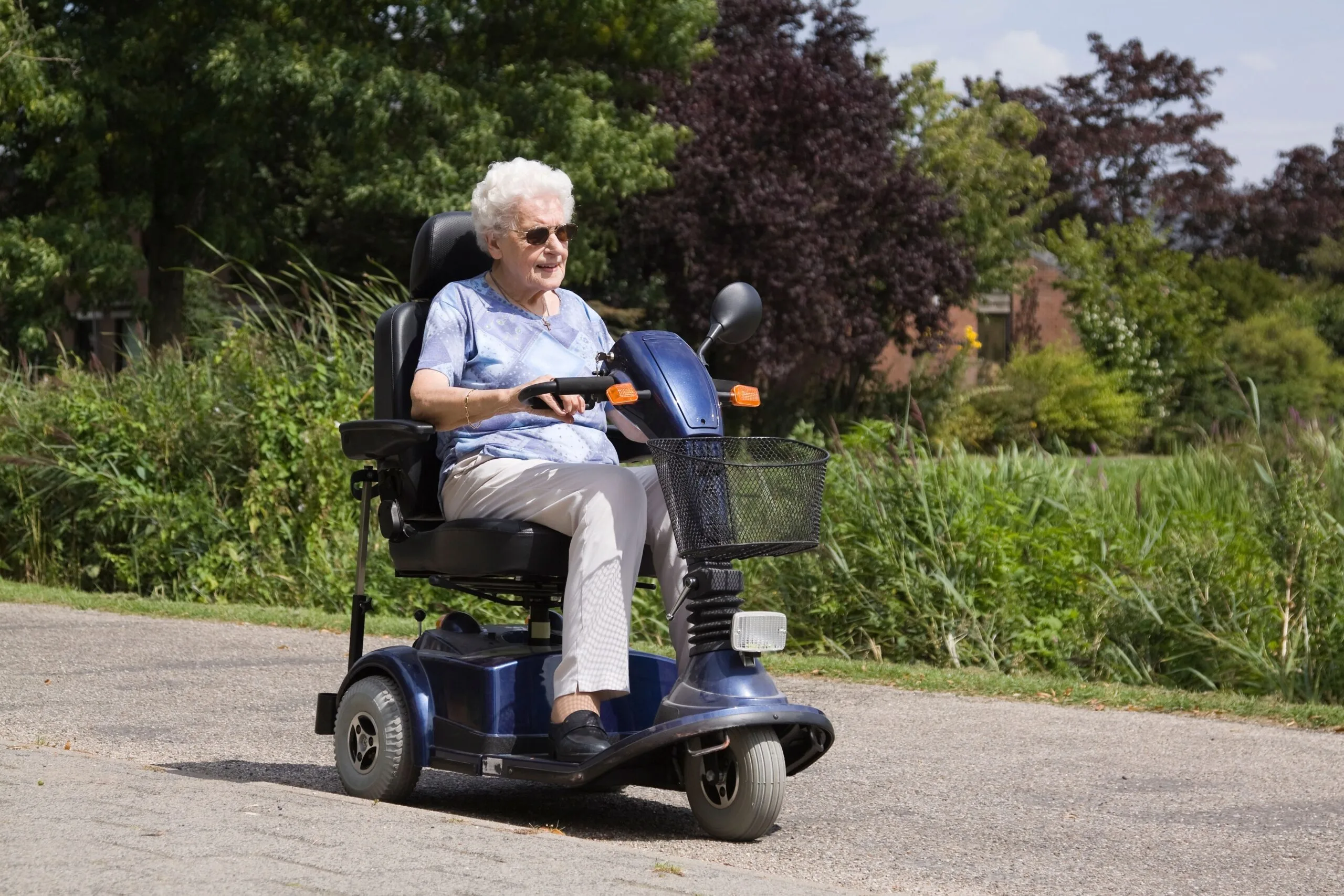
The Monarch Mobility Genie Auto Folding Mobility Scooter is designed around a fairly straightforward problem: making powered mobility easier to fold, store and transport. This scooter automatically folds and unfolds with the simple touch of a button on a remote control.


Vet Mobility & Wellness Depot offers the Genie Auto as an authorized Monarch Mobility dealer. The scooter is designed by Monarch Mobility with portability and everyday use in mind, giving customers another option when they want mobility equipment that is easier to fold, store, and transport.
- Automatic folding: Folds and unfolds with one touch and includes remote control operation.
- Portable design: Weighs approximately 39 pounds without the battery.
- Everyday range: Offers up to approximately 9 miles per charge and speeds of up to 4 mph.
- Comfort and control: Includes a padded seat, armrests, adjustable tiller, and rear suspension.
- Travel-friendly features: Uses a removable 10Ah lithium battery and puncture-proof solid tires.
A scooter that folds easily may be simpler to store when it is not being used. The removable battery may also make charging more convenient, while the compact design can make transportation easier to manage. Those practical details can make planning an outing feel a little less complicated.
The right scooter will depend on the person using it, the surroundings, and how the equipment needs to be transported. These are all factors worth considering before choosing mobility equipment.
A Little More Room to Move
Different people may need different kinds of support. While a scooter makes sense for one person, another might prefer the seated support and adjustable positioning of a power wheelchair.

Vet Mobility & Wellness Depot also offers the Reclining Foldable Electric Wheelchair for Adults & Seniors, which combines powered mobility with a folding frame and reclining backrest.
The key features include the following:
- Foldable construction: Designed with transportation and storage in mind.
- Adjustable seating: The reclining backrest can adjust up to 40 degrees.
- Powered control: Uses joystick operation for everyday navigation.
- Travel capability: Select configurations offer up to 15 miles of range and speeds up to 3.7 mph.
- Weight capacity: Select configurations support up to 330 pounds.
For someone whose mobility needs vary throughout the day, those details can matter. Adjustable positioning, a folding frame, and joystick controls are not simply specifications on a product page; they can influence how practical a chair feels in everyday life.
Mobility equipment is about more than batteries, wheels, controls, or folding technology. The goal is to help people have a choice in how they want to spend their time. The real measure of mobility is not how far a chair can travel or how quickly a scooter can fold. It is what happens when an invitation arrives and the first thought is no longer, “How am I going to get there?” but simply, “Yes, I’ll come.”