
The resistance band has rolled underneath the sofa again. There’s a water bottle on the coffee table, a workout saved on the phone and a pair of leggings which were purchased with the express intention of going to the gym in them. It’s Wednesday evening, and the plan was to do a lower body session before dinner. The day has gone on, dinner still needs to be cooked, and the workout is now competing with a dozen other things that need doing.
For a moment it’s absolutely tempting to leave it until tomorrow. Then there’s the more sensible thought: what on earth was the point of starting in the first place? Was it to get stronger glutes? Was it to get a more complete lower body shape? Was it to feel more confident in certain clothes? Or was it simply to get more consistent with exercise?
Those goals may sound the same, but they’re not. Knowing what you actually want to achieve can make it a lot easier to pick an approach that makes sense to you rather than go with the flow because everyone else seems to be doing it.

Understanding What Your Glute Goals Actually Mean
Glute development is a term that’s come to be very much a part of the women’s fitness conversation. It can mean quite different things to different people. One woman may be chasing stronger glutes; another may be after a fuller shape in her hips and glutes. A third person may be trying to strengthen her lower body, with the look of the glutes not being the primary objective at all.
There’s room for all of those goals. The key is to understand what each one entails.
The glutes are involved in several day-to-day movements and are a major contributor to the strength and shape of the lower body. Developing them can have benefits that go well beyond just looking a certain way. Genetics, individual anatomy, training history and body composition all play a part in how the glutes end up looking. Two women can be doing exactly the same workout and end up with very different results.
That’s worth bearing in mind when you’re setting your own goals. A fitness goal is meant to be a guide, not some other benchmark against which to judge a perfectly normal body.
Building a Lower-Body Routine With Purpose
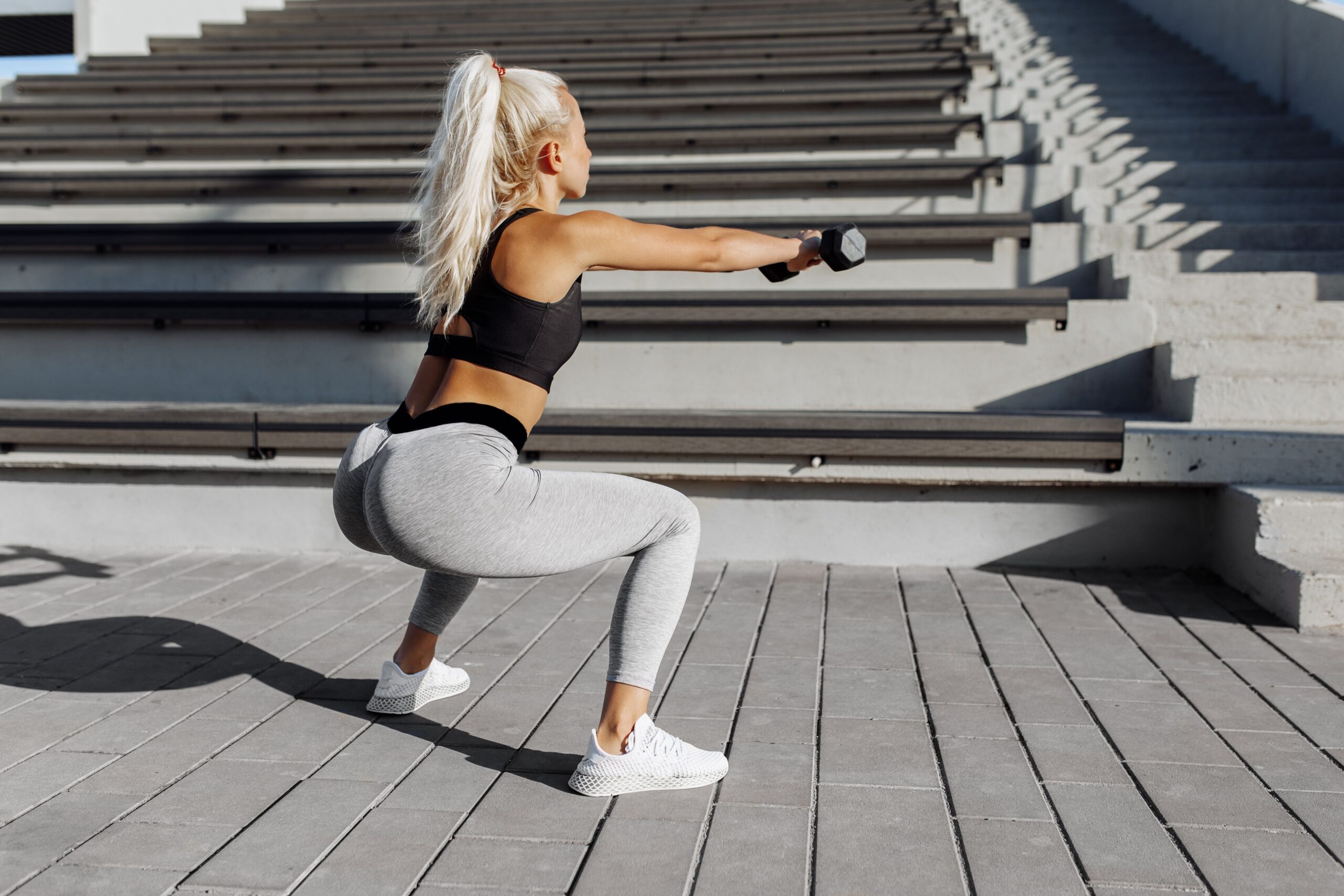
A lower body session can be far more than just doing one exercise over and over until you’re spent. If your aim is glute development, then a good routine will certainly include a variety of exercises that work the muscles in different ways. Hip thrusts, squats, lunges and Romanian deadlifts are all exercises that you’ll commonly see in a glute and lower body program. They all have different movement patterns, and the mix of movements you end up using is going to be very much dependent on your level of experience, your mobility, what you have available to you, and your wider fitness aims. It’s about establishing a routine that you can do safely, that you can progress appropriately and that you can stick with over the long term.
Progressive resistance training involves progressively increasing the challenge as strength and technique improve. This could be in the form of increasing the resistance, altering the number of repetitions or improving the control of the movement. Rest and recovery are also important, as the muscles need time between sessions of high-intensity work to adapt.
Beginners don’t need to start off with a complicated program. A simple routine, done regularly with good technique, is likely to be a more useful starting point. It’s also important to appreciate the limitations of targeted exercise. The aim is to train with intention rather than to chase some promise that no workout is going to deliver.

The Everyday Habits Behind Muscle Development
It’s easy to get so focused on the actual workout that you completely miss what’s going on during the rest of the day. The workout is just one element of the whole picture when it comes to building muscle and staying active.
Nutrition is another major factor. Protein provides the raw materials the body uses to repair and maintain muscle tissue, and adequate overall food intake provides the energy required for daily living and training. Sources of protein include things like eggs, fish, beans, lentils, dairy products, tofu and lean meat. Carbs and dietary fats have their place in a balanced diet. You don’t need to reduce nutrition down to one single nutrient or assume that simply eating more of one food is going to give you fuller glutes.
Recovery is equally important. Sleep, rest days and sensible training loads are all key to making exercise sustainable. Attempting to train hard every day will make it far harder to maintain a routine.
Where Targeted Wellness Products Fit In
Once a fitness goal is more specific, you’ll start to look for products and resources that are going to help you achieve that goal. The difficulty is in working out what is going to be a useful addition to your routine and what is just a claim that it will do something it simply can’t.
This is where ShapedBae comes in. It’s a brand founded by certified personal trainer and wellness entrepreneur London Greer Robinson. The whole concept is that women should have choice rather than be pushed towards one particular body type. It’s an acknowledgement that some women are looking for a more defined lower half, others are looking for something quite different in terms of their own wellness and fitness.
For women looking at products which are curve-focused, the Sculpt Capsules are positioned around the lower body: hips, glutes, thighs. They are part of a wider discussion around the goals that women might have with their nutrition and wellness.
Curve+ Gummies take a slightly more targeted approach within that same philosophy. They’re for women who are after the look of fuller, rounder glutes with a particular emphasis on the upper glute area or the “top shelf”.


Neither product is to be seen as a substitute for exercise, balanced nutrition and sufficient recovery. The products’ intended use in no way constitutes proof that they will result in an increase in muscle mass, a change in body fat distribution or a particular body shape. The outcomes in question are going to be the result of a number of factors, and the claims made about the products have to be weighed up against the ingredients, the available evidence and the appropriate safety information.
For anyone looking at a supplement, a sensible first step is to read the label. It’s important to know what the ingredients are, how they’re meant to be used, any possible interactions and any other health considerations.
Learning to Recognize Progress Beyond the Scale
When you’re after body shaping, it’s quite easy to fall into the trap of looking for one figure to tell you whether you’re on the right track. The scale is the most obvious one as it gives you a number, but that number in itself doesn’t tell the full story.
Strength is one useful measure of progress. The ability to do an exercise with better technique, to manage an appropriate increase in resistance or to complete a workout with greater confidence are all indicators that training is becoming more effective.

Consistency is another. For someone who has had a real struggle to get active at all, getting to the point of doing two or three of the planned sessions most weeks is in itself a significant achievement. That’s the basis upon which you can then build further progress.
Changes in how clothes fit may also be apparent, although again this could be due to a number of factors including changes in muscle or body fat, the design of the clothing and normal day-to-day fluctuations in the body. They are observations rather than definitive measures of muscle gain.
Progress is much easier to assess when the question is unambiguous: are you moving towards the goal you set yourself, and is the process still working for you?
Your Goal, Your Pace
There’s a difference between having a goal and treating the body as a problem to be solved. The former can provide direction. The latter can turn every little variation into a failure.
Building glute strength, aiming for a more rounded shape, or simply getting into a regular exercise routine are all legitimate goals. The key is to have a realistic expectation of what training and nutrition can actually do, and to be prepared to allow the progress to happen at its own pace.
That Wednesday night session won’t necessarily happen as scheduled. Some weeks will be far more consistent than others, and the results may well not come in according to the timetable you imagine. It doesn’t mean the effort is wasted.
The resistance band will almost certainly end up back under the sofa again. The next time it’s pulled out, though, the intent might be a bit clearer. It’s not about becoming some version of fit. It’s about working towards a goal that is genuinely right for you. Your body is your blueprint, and you get to decide what you want to build with it.