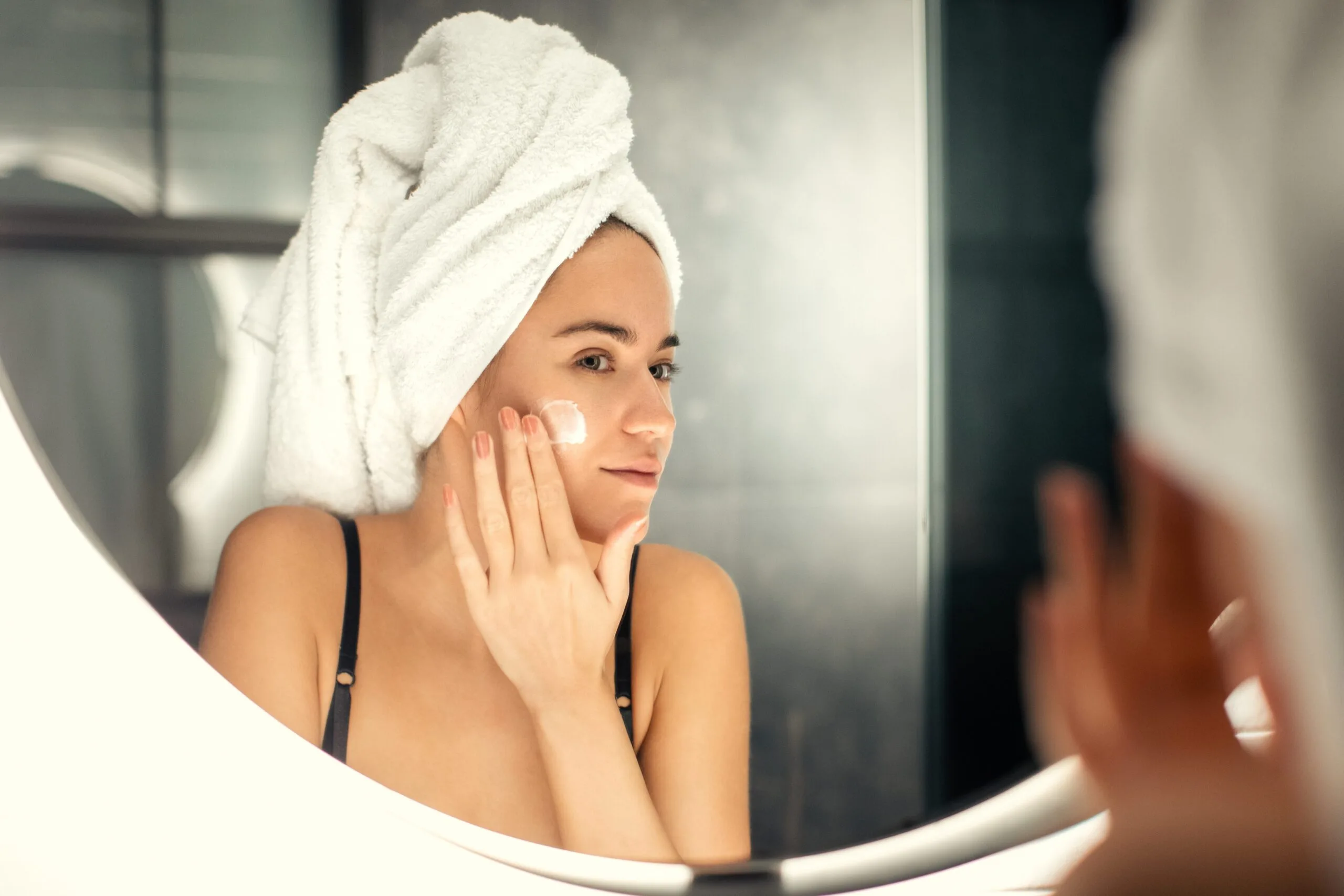

We all hate the feeling of having irritated skin. Sometimes it’s just a nuisance and a mild eyesore, something that messes up our natural beauty a bit, but otherwise it isn’t really something we have to dwell too much on. A bit of makeup can quickly cover up some dark patches on the face, after all.
But for many of us, skin irritation is something we can’t just ignore as a cosmetic matter. If you’re one of over 30 million Americans who suffer from eczema or a related dermatitis condition, dry and flaky skin can be not only incredibly irritating and disruptive to day-to-day well-being, but can also be a slippery slope leading to dozens of more serious conditions if left untreated. Dark rashes and peeling skin can quickly become so itchy that we scratch them until they peel and even bleed. And that’s not something to take lightly—you need your skin to be intact!
And the bad news for those suffering from eczema is that there isn’t always a simple medical solution. It’s a very complicated condition, for starters. We won’t bore you with the scientific details, but there are over a dozen different types of eczema, each having its own cause and trigger. Triggers that lead to patches of itchy and irritated skin for people with eczema can include contact with smoke, certain fabrics, plants, chemicals, and perhaps most ironically, certain skincare products, including those that are often recommended to treat cases of irritated skin!
Since dermatologists and other medical professionals can, in most cases, only take a guess at which type of eczema (or a related condition) might be causing your welts and scratches, prescribed medication doesn’t always do the trick. And even when it does, the strong pharmaceuticals prescribed for more serious cases like this are usually very strong, and always have side effects. The skin is a very delicate and important bodily tissue. It’s cells die and replicate millions of times per day in an incredibly complicated process that weaves together the immune system, circulatory system, nervous system, and more.
Mixing powerful chemicals with fragile working with the skin always has its drawbacks, and should be handled with care. And that’s not to mention that skincare medication is often crazy expensive and rarely covered by insurance!
[restrict]But could there possibly, in this world where everything is just a click away, be a solution to that flaky, irritated skin that is affordable, natural, and functional? Well, let’s have a look!

A Simple Oil for a Complex Problem!
Can there really be such a simple solution for a complex condition like this? Let’s start by taking a look at what your skin needs to function and treat itself. After all, the most powerful defense mechanism our body has is itself! That’s why you never notice over 99% of germs that get into your body; your immune system tackles them before they spread! And the same goes for skin irritants and other eczema triggers.
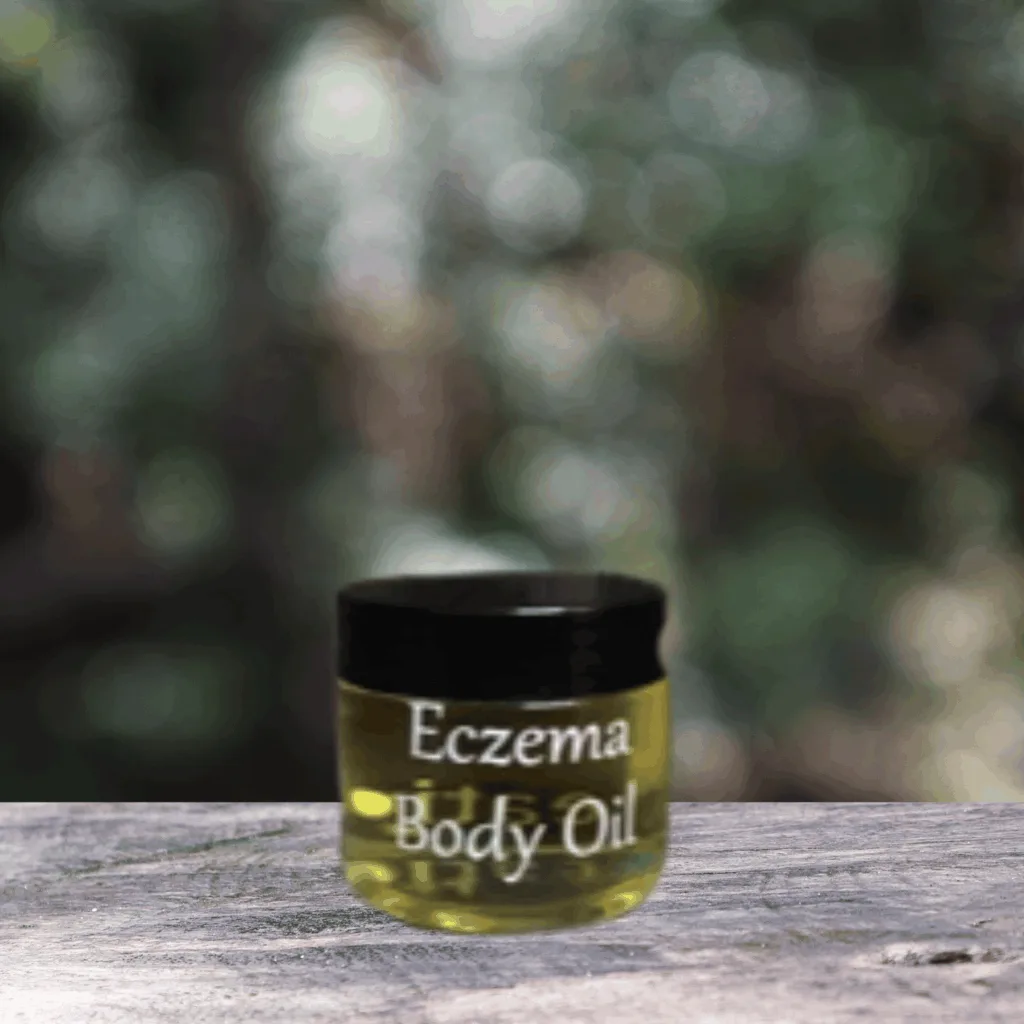

The bottom line for almost all skin health is moisture. Skin is a living tissue that needs to stay moist so that cells can continue replicating healthily. But it’s a bit of a delicate balance, as too much moisture can have the reverse effect and even cause the skin to dry out more. And this is where oils can come in. Since oils are less moist than water, you can continue to provide your skin with a natural level of moisturizing while adding just a bit of extra moisture in the form of an oil—but not too much!
And no matter how your body goes about fighting eczema and repairing the damaged skin, there’s one part that’s bound to happen, assuming it’s getting the job done. The body will somehow need to get rid of the damaged skin and replenish it with fresh, new skin cells. Of course, this is simply a process your body does naturally, but if you’re suffering from eczema, for one reason or another, your body must not be doing it as fast as triggers are leading to more skin flare-ups. But, it is a simple, natural process, so the solution shouldn’t be some crazy complex chemical compound!
And that’s why Shayy Creations has developed an all-natural, homemade, and home-tested solution to the roots of skin irritation that is as simple and harmless as your skin needs, and affordable as you deserve for your health! Let’s look at their Eczema Body Oil!
There are five active ingredients in each jar of Eczema Body Oil, and each plays a critical function in boosting your skin’s natural health. And yes – those are the only ingredients. There are no additives, preservatives, or fillers.
Eucalyptus oil, an oil that has been known and used for hundreds (even thousands) of years as an antiseptic, is included in the mix as a simple solution to heal scars, scratches, and peeled skin, providing your skin with a healthy base to grow a new, fresh layer of skin cells. The oil, commonly used to soothe cuts, scars, and bruises, does the same to the annoying areas of your skin that you’ve been scratching away at.
And the eucalyptus oil is aided by another essential oil in the mixture, which has also been used for centuries and is renowned for its healing properties. This would be lavender oil, particularly known for the anti-inflammatory and soothing effects it has on the body. It’s there to reduce the itching, swelling, and bruising on your damaged skin.
The next ingredient, neroli oil, is a powerful antioxidant. In other words, it helps your skin clear out all the unwanted stuff and, therefore, creates a better environment for your skin to naturally produce fresh skin cells. It’s among the most common oils used in skincare products of all varieties, and for an excellent reason!
Shayy Creations tops off the potent yet simple oil mixture with rosemary oil, an essential oil that has been hand-picked for its well-researched effects on eczema and similar skin conditions. The oil has been shown to kill numerous harmful types of bacteria, including many that cause eczema or trigger flare-ups.
And finally, the final oil is lemon oil, a simple oil that acts as a base for the mixture and adds some extra color to the less healthy areas of your skin that you’ll probably be applying it to.
Damaged Skin on the Face? There’s a Fix for That!
It’s a bit of a double-whammy when the scratches, irritations, and itching of your skin extends up to your face! Whether it’s eczema or just good old acne, irritated skin on the face is about as annoying and painful as it can get. Not only is our face incredibly sensitive to such itches and pains, but nobody wants to be seen itching away at peeling skin on their face all day!
And for these delicate cases, Shayy Creations has created another all-natural solution: Honey Face Mask!
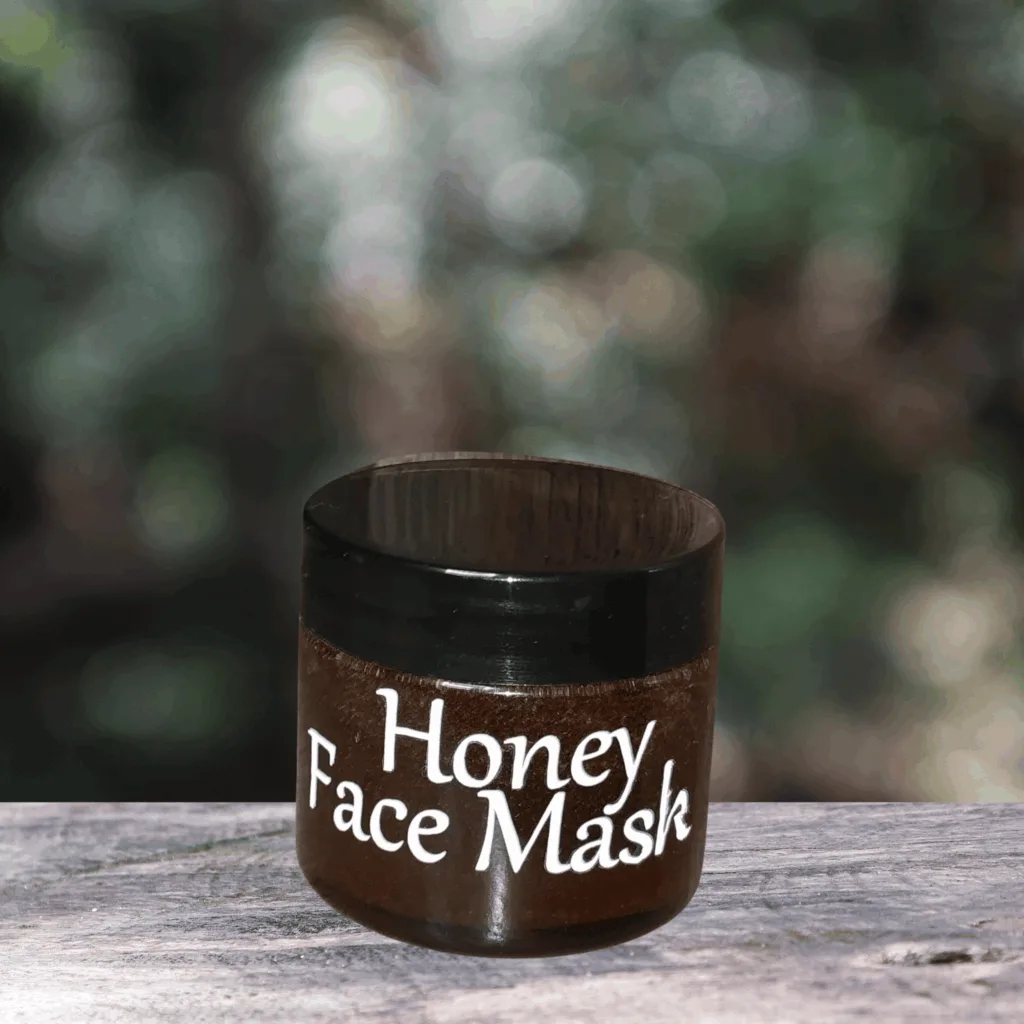
Developed with the same all-natural, homemade care as their Eczema Body Oil, the Honey Face Mask is made with only a few carefully selected essential oils, and no additives or synthetic components. Everything that you’ll be putting on your face comes straight from nature, and from the finest sources at that!
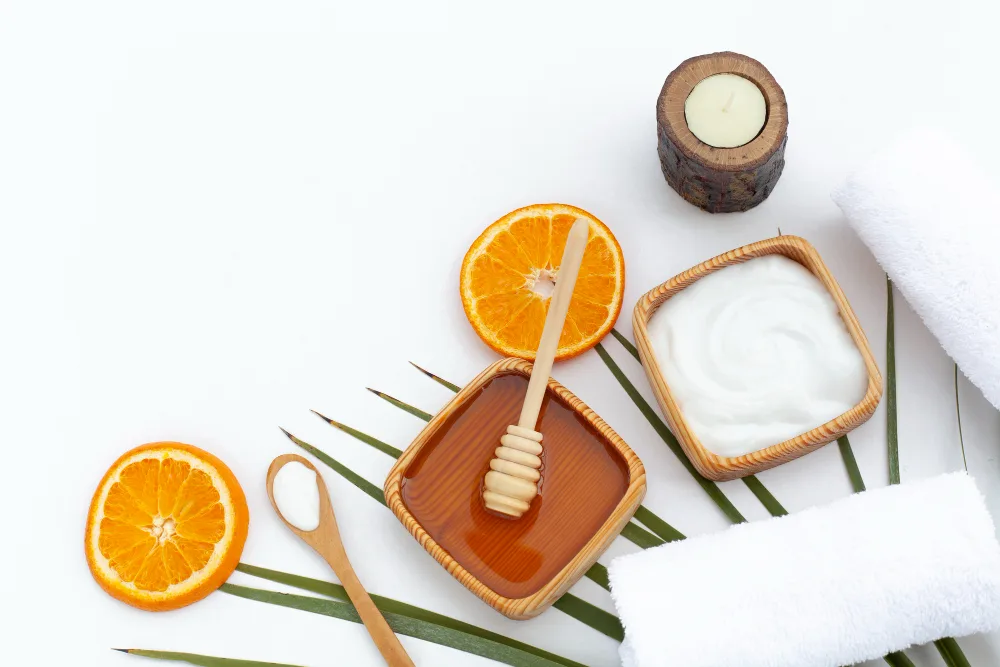
The key ingredient in the Honey Face Mask is…drumroll please…honey! Honey has been used and consumed by humans for longer than we’ve (literally) had bread and butter, and its ability to soothe the skin, reduce inflammation, and aid skin growth has been well researched and documented. And its use in face masks goes back just as far, with archeological records indicating that the ancient Greeks and Romans used honey as a base for healing masks!
Honey is rounded off in the blend by cinnamon and turmeric, both of which provide a beautiful layer of coloration to the face’s skin. Vitamin E is also added for its anti-aging properties, which are known to assist with the skin’s replenishment process.
And finally, Shayy Creations adds tea tree oil, a natural oil with properties that have been shown in numerous studies to be an effective treatment for facial skin disorders such as acne. Coming from the tropics down in Australia, tea tree oil has properties that freshen the skin, kill germs, and get rid of junk from the skin’s top layers. It’s often this junk (more specifically, dead skin cells) that causes breakouts, so better they be gone! The process of getting rid of that junk, known as skin purging, is the body’s primary mechanism for fighting acne and eczema.
Healthy Products for Healthy Skin!
The good news for your skin is that simple solutions can really work, and they sure don’t have to be expensive!
A jar of Eczema Body Oil for your body costs only $15, and a 2oz face mask jar from Shayy Creations costs only $8. So, for less than the price of a nice salad, you can give your skin the all-natural treatment it deserves and hopefully soon say goodbye to the annoying scratches, welts, and itching. Order now today, and it’ll be yours in no time at all!
* In partnership with our friends at Shayy Creations LLC.* Photo courtesy of Shayy Creations LLC.
* These statements have not been evaluated by the Food and Drug Administration. These products are not intended to diagnose, treat, cure or prevent any disease.
* The information available on ewellnessmag.com, including text, graphics, and other materials is for informational purposes only. Reliance on any information in ewellnessmag.com is at the user’s own risk. Sponsored product placement may appear in the article. The visitor of this website acknowledges that the information available on or through ewellnessmag.com is not and is not intended to be a substitute for professional medical advice. Copyright © 2024 Brawo Press, Inc. All rights reserved.