
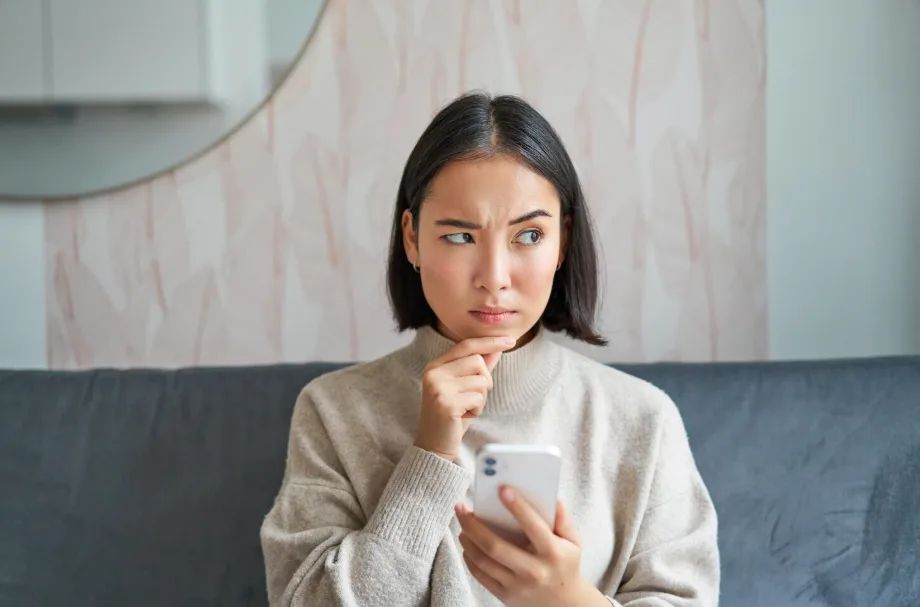
We have allowed every aspect of our lives to be controlled by technology, hoping for clarity, but it has only brought more confusion.
A woman stands in the grocery store staring at two cartons of eggs, one pasture-raised, the other organic. She does something a woman living a generation or two ago likely would not have done. She takes out her phone to help her make the decision on which product to purchase.
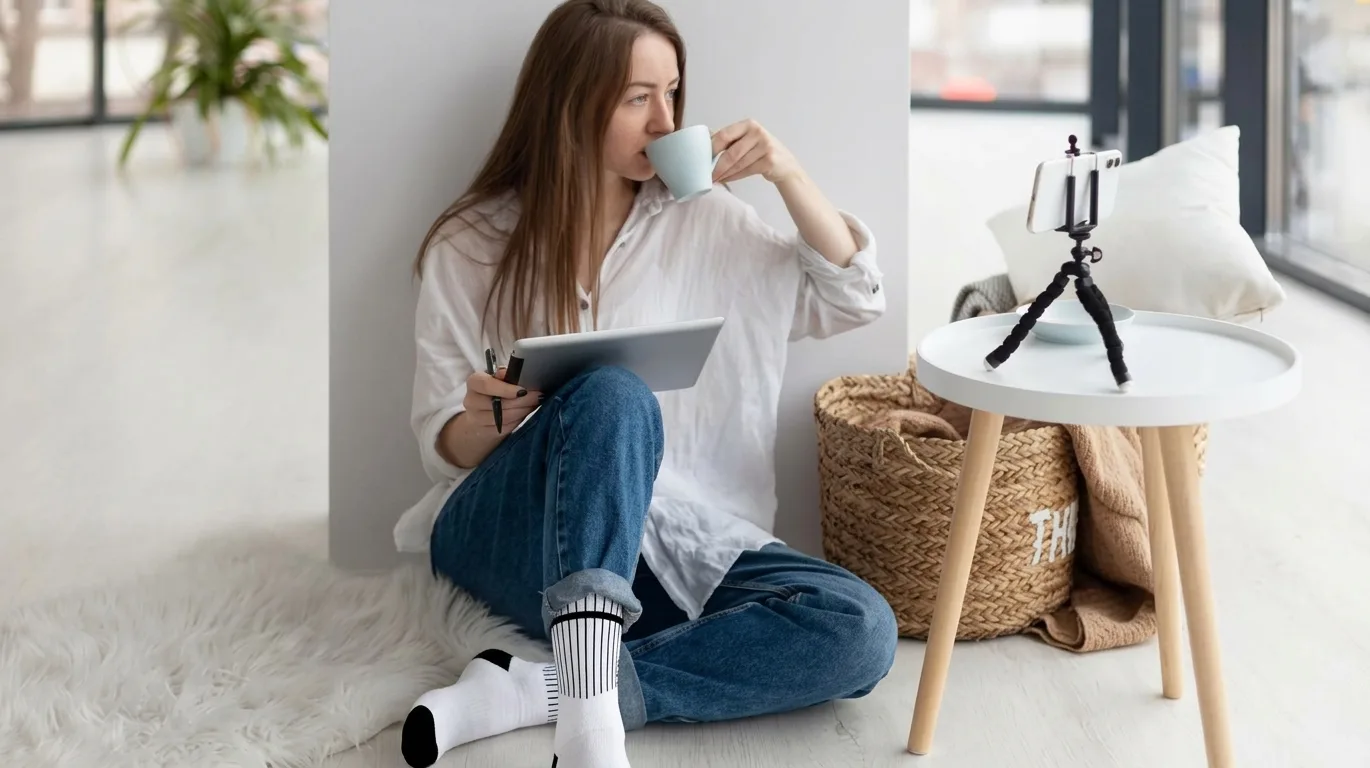
It only takes a few taps on the screen and within minutes she is reading conflicting opinions from nutrition experts, influencers, doctors, fitness coaches, and strangers on the internet. While one article says pasture-raised is superior, another insists organic is the only choice.
What was once an easy decision we could make on our own, using personal knowledge and common sense, is now strangely complicated. Conflicting advice has eroded self-trust.
As times have changed and technology has advanced, women have seemingly stopped believing they can make simple decisions about their own health without validation from someone else. The biggest problem today is that women have so much health information a click away, but they have never been more unsure about anything relating to their own wellness.

Why Modern Wellness Has Created a Crisis of Self-Trust
A woman who once intuitively knew what her body needed now finds herself questioning a diet she has followed successfully for years. Another wonders whether her daily brisk walk is intense enough to “count” as exercise. Someone who has always been the picture of health suddenly worries about deficiencies she had never considered before seeing a social media post.
The modern wellness industry has become effective at convincing people that they are one missing piece away from health, but what if the thing women are truly missing isn’t another answer at all? What if it’s confidence in their own ability to interpret the signals their bodies have been sending all along?
The truth is, health was meant to support a life. Somewhere on the journey, wellness stopped being about well-being and became more about the endless pursuit of optimization.
How Women Can Trust Their Bodies Again
The body, meanwhile, continues to communicate as it always has. It tells us when we’re stressed, hungry, lonely, energized, depleted, and moving too little or too much. It is constantly speaking, but with all the noise around us, we can no longer hear the signals clearly.
Wellness Education Should Empower
One of the most powerful shifts a woman can make is moving from constantly searching for answers to learning how to better understand herself. Wellness education is at its best when it provides guidance without creating dependency.
This philosophy sits at the heart of All In Health and Wellness, where the focus is not on chasing the latest trend, but on helping women build sustainable habits, develop self-awareness, and create a healthier relationship with their bodies. Rather than offering another quick fix, the goal is to provide practical tools that help women reconnect with their own experiences and make informed decisions with confidence.
That same philosophy extends beyond movement and into education with resources such as Your Life On Fire, which encourage women to become more active participants in their own health journey.
For many women, the journey back to self-trust begins not with a dramatic transformation, but with a deeper understanding of themselves.

Movement as a Practice of Awareness
When movement is stripped of performance metrics, calorie counts, and aesthetic goals, it becomes something far more valuable: a conversation with the body.
At All In Health and Wellness, Contemporary Reformer Pilates is designed around this philosophy of mindful movement. Small class sizes allow instructors to provide individual guidance while encouraging participants to focus less on comparison and more on personal progress. Each session becomes an opportunity to reconnect with the body’s natural intelligence rather than override it.
Nutrition Advice vs. Nutritional Self-Awareness
Many women have spent decades jumping from one nutritional philosophy to another. The list is never-ending, and with each new approach comes new promises. Nutrition becomes much simpler when we start asking ourselves how we actually feel when we eat a certain fruit, or vegetable, or carbohydrate, or protein. How do I feel after eating it? Does it sustain my energy? Support digestion? Fit naturally into my daily life? These questions return authority over your body back to you.
Building Self-Trust Through Healthy Habits for Women
Self-trust cannot be purchased, downloaded, or delivered to your doorstep in a package. It is something that must be developed, in the same way as strength or resilience need to be developed. It takes practice and time to rebuild trust. Every time you learn from your experience without being distracted by trends or fads, you are effectively answering the biggest question of all: how women can trust their bodies again.
When women begin trusting themselves again it is empowering. Decision-making becomes easier, food loses its power to create anxiety, exercise is no longer punishment, and life in general feels lighter. The challenges are still there, but the constant mental negotiation is not. There is freedom in no longer needing someone else to tell you whether you’re doing wellness correctly.

Self-Trust Starts with a Conversation
Many women spend years overlooking the most important relationship they have: the one with themselves.
Resources such as Your Life On Fire encourage a different approach. Instead of focusing solely on weight, appearance, or external goals, the book explores the connection between mindset, personal growth, daily habits, and overall well-being. As women develop greater awareness of their thoughts, emotions, and behaviors, they begin rebuilding the trust that modern wellness culture has too often replaced with doubt.
It serves as a reminder that meaningful change often begins when women stop trying to become someone else and start paying closer attention to who they already are. Self-trust grows through small, consistent actions. The more we learn from our own experiences, the less dependent we become on outside validation.
A Different Vision for Women’s Wellness
The future of wellness may not be found in more information. It may be in helping women develop the confidence to apply what they already know.
Organizations such as All In Health and Wellness are part of a growing movement that emphasizes education, sustainable habits, mindful movement, and personal empowerment over perfection. The goal is not to tell women what to think about their health, but to help them learn how to think about it for themselves. True wellness is about developing the awareness, confidence, and resilience to create a life that works for you.

The Future of Women’s Wellness Is Learning to Listen Again
The habits that transform health are often remarkably simple: moving regularly, eating nourishing foods, sleeping well, managing stress, building strength, and repeating those actions consistently over time. The truth is, simplicity rarely goes viral.
We are constantly encouraged to seek the next big wellness innovation. In the process, many women have lost confidence in their own ability to interpret what their bodies are telling them.
Think back to the woman standing in the grocery store, staring at two cartons of eggs. What made that moment significant wasn’t the eggs. It was the instinct to reach for her phone before trusting herself.
Beneath all the white noise, the body has been speaking the entire time. Perhaps the future of wellness is about remembering that the most important voice in your health journey was always supposed to be your own.