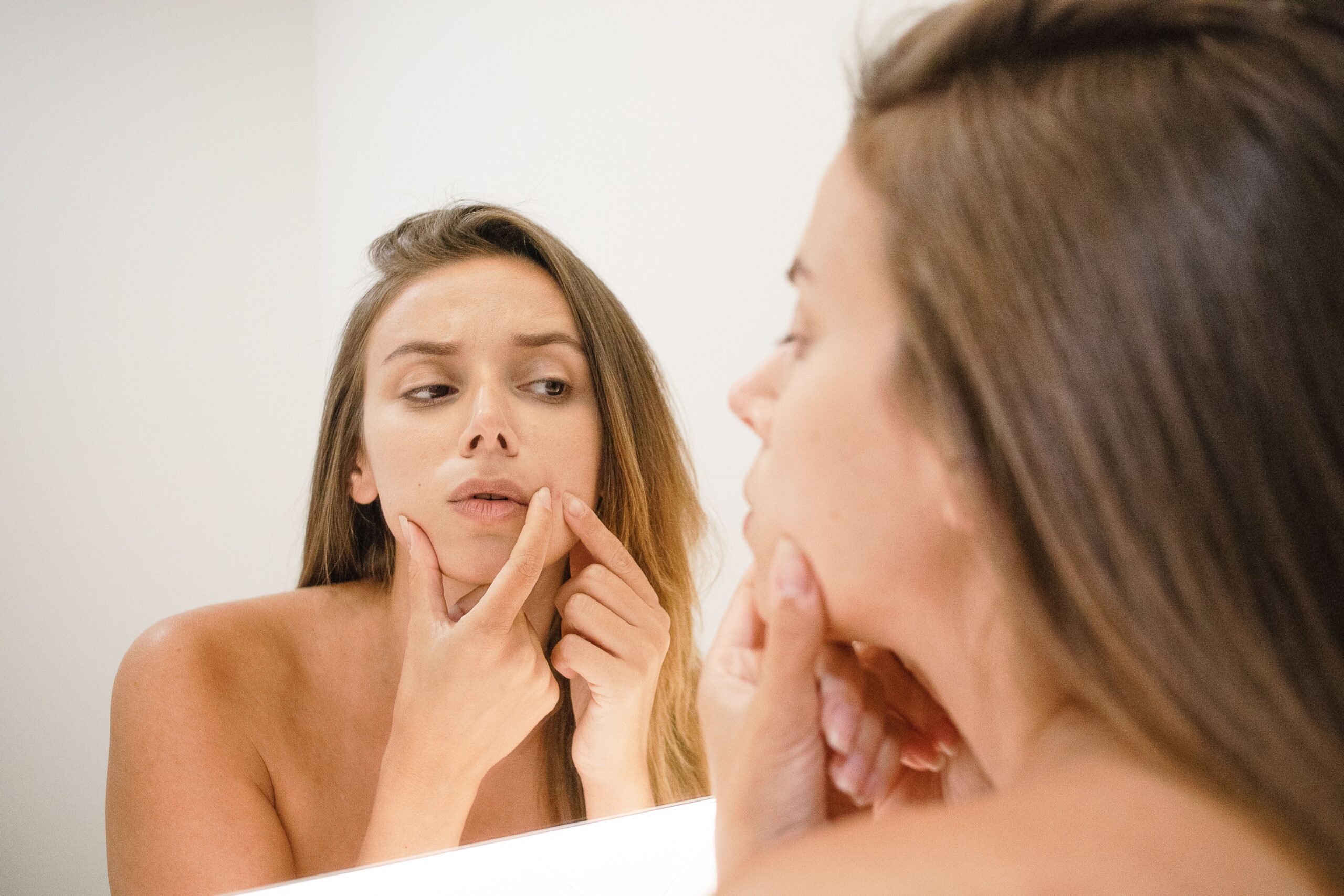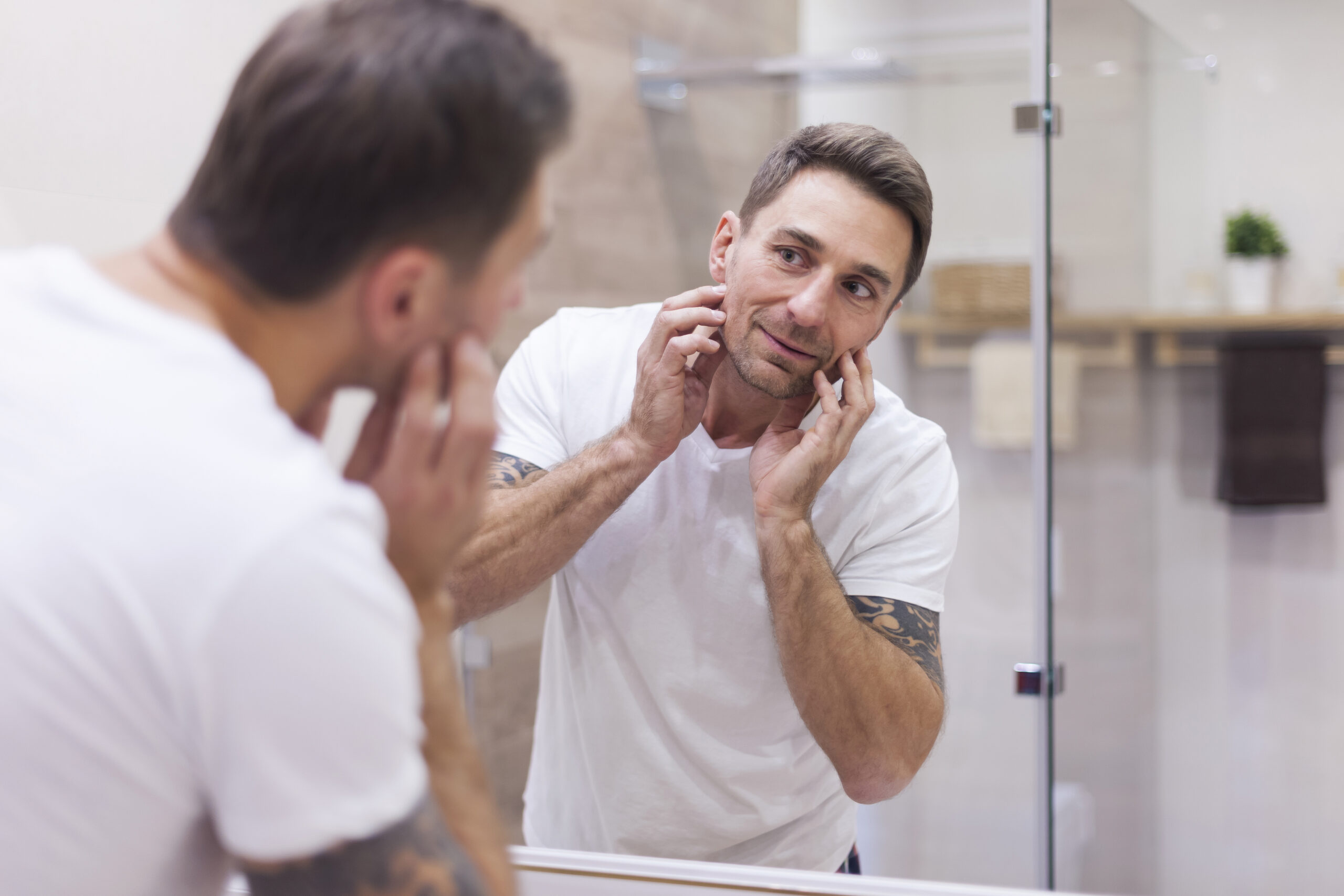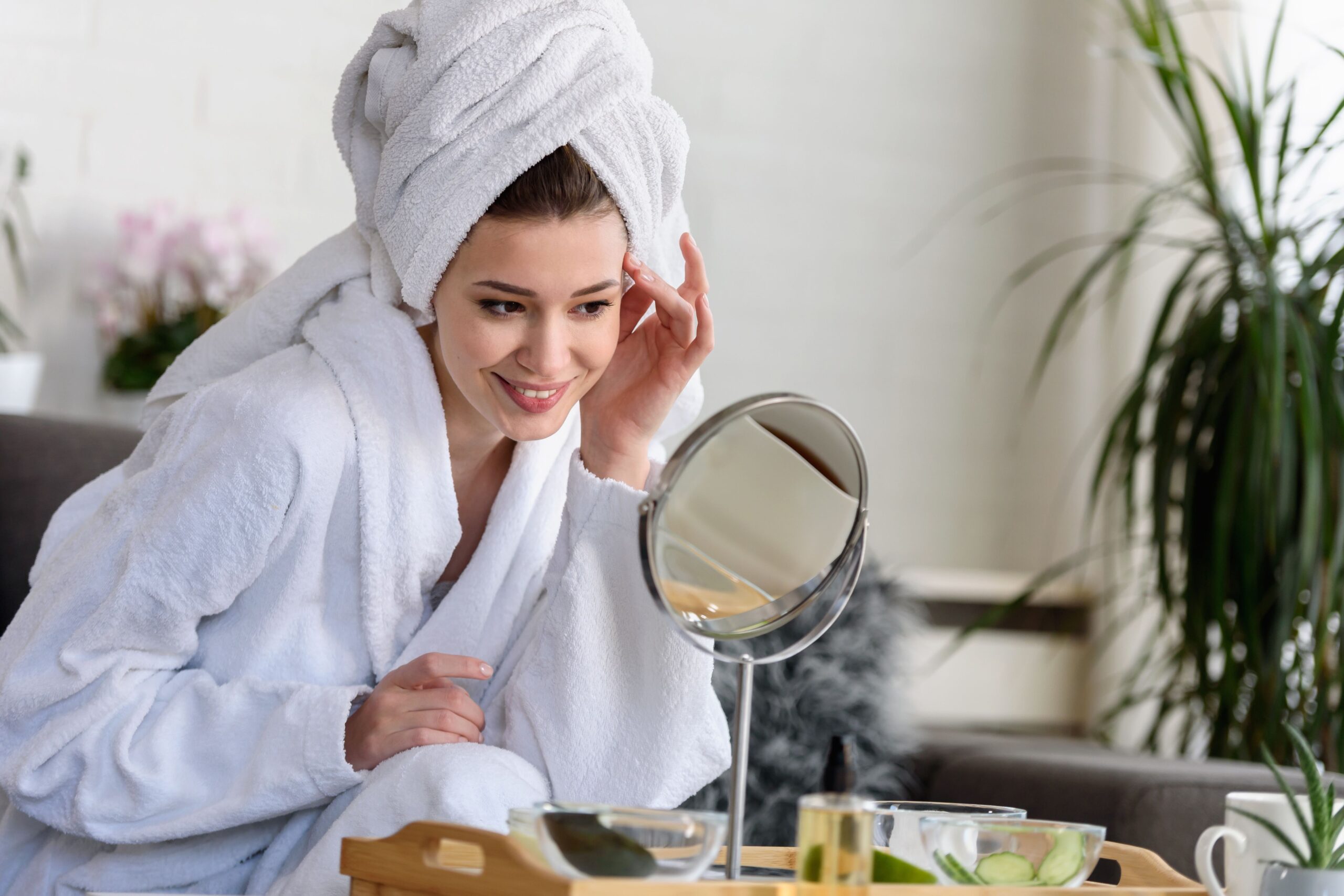


You have probably experienced that moment when you stand in front of your bathroom cabinet, trying to decide which product your skin needs today. The moisturizer that was perfectly adequate last week suddenly seems a bit thin. Your usual serum feels too harsh, and that little dry patch by your cheek is back again despite everything you’ve done. You have invested in all the products for hydration, fine lines, texture, and sensitivity, but somehow your skin still seems to have a mind of its own.
It’s easy to assume that you just haven’t pinpointed the right combination of ingredients yet. What if there’s actually more going on underneath the surface than your skincare regimen is able to deal with? Your skin is home to an entire microbial community, and it’s only recently that you have begun to appreciate the importance of that community.
This is where the science of the skin microbiome is actually starting to shift the conversation around skincare.

Your Skin Has Its Own Microbial Ecosystem
Your skin does far more than protect you from the outside world. It also provides a home for a range of microorganisms, including bacteria, fungi, viruses, and other microorganisms, collectively known as the skin microbiome.
These microbes interact with each other and with your skin to help maintain the skin’s natural defenses and its overall environment. A healthy skin microbiome is linked to a healthy skin barrier, while changes in its composition can sometimes accompany dryness, irritation, sensitivity, and other skin concerns.
What makes this particularly interesting is that not all microorganisms perform the same functions. Some produce substances associated with antioxidant activity, ceramide production, and protection against environmental stressors. Others can produce compounds that contribute to irritation or itching under certain conditions.
Your skin microbiome is also individual. Age, lifestyle, environmental exposure, hormones, and the products you use all have an impact on its makeup. That’s one of the reasons why two people on exactly the same skincare regimen could end up with such different results.
Rather than looking exclusively at visible concerns, understanding your skin microbiome introduces another consideration: what is happening within the ecosystem that supports your skin?
A More Personal Approach to Skincare Science
Traditional skincare starts with what you can see. You look at your skin and see the lines, dryness, blemishes, unevenness, and then look for ingredients designed to address those concerns.
Parallel Health™ takes a completely different approach through its Microbiome Dermatology™ model. Rather than just looking at the visible symptoms, they look at the microorganisms that are living on your skin and what they’re producing.
Its skin microbiome testing uses quantitative whole-genome shotgun sequencing to identify different microorganisms and measure how much of each is present. Importantly, the analysis also examines their functional activity, providing insight into the compounds they produce and how these may interact with the skin.
This information enables the Parallel Health™ clinical team to generate personalized recommendations based on an individual’s skin microbiome profile.
The science is particularly noteworthy. The company has developed a substantial skin microbiome dataset and a biobank of over 10,000 characterized microbial strains, around 90% of which are new to public databases. Its approach is to marry that research with clinical dermatology, with the individual care plans being reviewed by board-certified dermatologists.
The thinking behind it is fairly straightforward: your skin is unique, so understanding its individual characteristics may help guide a more targeted skincare approach.

MD-03 Protocol™: Skincare Informed by Your Own Results
One of the clearest examples of the Parallel Health™ approach is its flagship MD-03 Protocol™. Rather than giving everyone the same set of products, the protocol involves skin microbiome testing, bespoke formulations, and continued dermatological care.
Your experience starts with an at-home skin microbiome test. In month 2, you get your results along with the Daily Reset pair, which includes the Holy Calming Cleanser™ and Skin Barrier Biotic™ cream. That forms the foundation of your cleansing and barrier support regimen as your individual plan is being developed. From the 3rd month onwards, your program includes either a Custom Active Phage Serum or a custom compounded prescription based on your results.
An especially interesting part of this approach is the use of bacteriophages. These are naturally occurring viruses that infect specific bacteria. Parallel Health™ has incorporated selected bacteriophages into its Custom Active Phage Serums with the intention of targeting specific bacterial populations whilst leaving the wider skin microbiota in place.
This is a different proposition to just throwing a wide range of active skincare ingredients at the problem without any real understanding of the microbial environment that you’re trying to influence.
Your skin will change over time, which is why the MD-03 Protocol™ includes repeat testing every 6 months. This enables the clinical team to look at your results and adapt your skincare plan as appropriate.
For anyone interested in a more comprehensive approach to personalized skincare, the protocol brings testing, formulation, and professional oversight together rather than leaving you to experiment with different products independently.

Bringing Microbiome Science into Your Everyday Routine
Not everybody wants to start off with a full testing program. You might be interested in integrating microbiome skincare into the regimen you’re already running. Blue Biotic™ Multi-Effect Peptide Cream from Parallel Health™ is a more accessible starting point that doesn’t require a microbiome test.
It’s a 5-peptide complex combined with ingredients that are intended to support the skin barrier and a balanced skin microbiome. The peptide complex consists of copper peptides (GHK-Cu), SNAP-8, Matrixyl 3000, and palmitoyl tripeptide-38 alongside another peptide.
These ingredients bring different benefits to the formulation. Copper peptides are used in a host of skincare formulations for the purpose of supporting the appearance of skin firmness and renewal. Other peptides are included for their potential to improve the appearance of fine lines.
The formula also contains creatine, beta glucan, prebiotic ferments and postbiotics. The prebiotics and postbiotics are of increasing interest in skincare due to their relevance to the skin’s microbiome. Beta glucan is also well-known for its hydrating and calming properties.
One ingredient worth mentioning is SNAP-8. The company’s citations show testing showing a 63% reduction in fine lines over 28 days. This figure relates to the cited ingredient testing rather than a guaranteed result from using the finished cream.
Practicality is another factor. Blue Biotic™ is made in fresh batches and is designed to be used in conjunction with actives such as retinoids and AHA/BHA toners. It can be particularly useful as a soothing moisturizing step when stronger active ingredients leave your skin feeling uncomfortable.
This makes it far easier to explore peptide and microbiome-based skincare without necessarily having to abandon your entire regimen.

The Future of Skincare Is Personal
The increased interest in skin microbiome health is indicative of a wider trend in how you might think about skincare. Rather than assuming that everyone needs the same ingredients or products, there’s a growing interest in understanding the individual biological factors that determine how your skin behaves.
Parallel Health™ is combining microbiology, genomics, and dermatology to explore this possibility. It’s recognized by the American Academy of Dermatology’s Innovation Tank, where it was described as “The Future of Dermatology,” and came in second place in the global competition at IMCAS in Paris, “Future of Aging Science and Dermatology.”
Whether you explore the comprehensive MD-03 Protocol™ or begin with Blue Biotic™ Multi-Effect Peptide Cream, the fundamental principle is the same: skincare should be about more than just what you can see.
The next time you find yourself standing in front of your bathroom cabinet, wondering why your skin isn’t responding as expected, remember that another product isn’t necessarily the only answer. Sometimes, a better starting point is understanding the unique ecosystem beneath the surface.