
Bone health plays a bigger role in long-term wellness than many people realize. The interesting thing is that it is usually something you don’t really spare a thought for until something goes wrong.
For many women, bone health doesn’t fall at the top of their list of priorities in their twenties or thirties. Their lives are preoccupied with other, seemingly more important matters: there are careers to focus on, families to raise, bills to pay, and daily responsibilities demanding attention.
Research suggests that convenience often plays a major role in whether healthy habits become part of everyday life.
Strong bones are not something built overnight. They develop slowly over time through nutrition, hormones, lifestyle choices, movement, and the small habits repeated every day.
For years, the advice felt straightforward: take a calcium supplement and check the box.
Most women already understand that calcium matters. Knowing that has never really been the issue. The challenge has always been maintaining calcium as part of their daily routine.

Why Bone Health Gets Put on the Back Burner
Most of us learned early on that calcium helps support strong bones. It is one of those health messages we hear growing up and rarely question.
The challenge is not understanding it. The challenge is making healthy habits fit into real life.
Traditional calcium supplements can create small frustrations that seem insignificant at first but gradually become reasons people stop using them. Large pills, chalky textures, unpleasant tastes, and routines that feel like one more task in an already packed day all add up.
Many women start with good intentions.
“I’m going to remember this every day.”
For a while, it works. Then a busy morning happens. The bottle gets left on the kitchen counter. A weekend throws off the routine. Days become weeks, and before long the habit quietly disappears.
That experience is more common than people think.
Most of the time, it is not about a lack of motivation. It is about whether something actually fits into daily life. When it comes to supporting bone health, consistency matters much more than occasional effort.
A Different Way of Thinking About Calcium
As wellness started evolving, some brands began asking a different question:
What if supporting bone health felt less like taking medicine and more like eating something you actually enjoy?
That thinking helped shape the approach behind Seen Nutrition.
The company was created by two women from very different backgrounds who shared a similar concern about women’s health. One brought experience in food studies and nutrition behavior. The other came from a clinical pharmacy background and had personal experience with pregnancy and lactation-related osteoporosis at a young age.
After seeing firsthand how difficult it could be to maintain consistent calcium habits, especially during demanding life stages, the founders wanted to create something women could realistically stick with.
That idea led to a different approach focused on making bone support easier to maintain over the long term.
Why Small Changes Often Matter More Than Big Ones
Health experts have increasingly found that convenience can make or break a habit.
If something feels difficult or disruptive, people eventually stop doing it. If it feels easy and naturally fits into a daily routine, there is a much better chance it becomes part of everyday life.

Seen Nutrition designed its Calcium Chew around that idea.
Instead of relying on large tablets, it provides 500 mg of calcium from milk minerals in a chewable, food-based format.
The goal was not to create another complicated wellness step. It was to remove some of the friction.
- No water needed
- No large pills to swallow
- No unpleasant aftertaste
- Designed to fit into a busy routine without adding extra steps
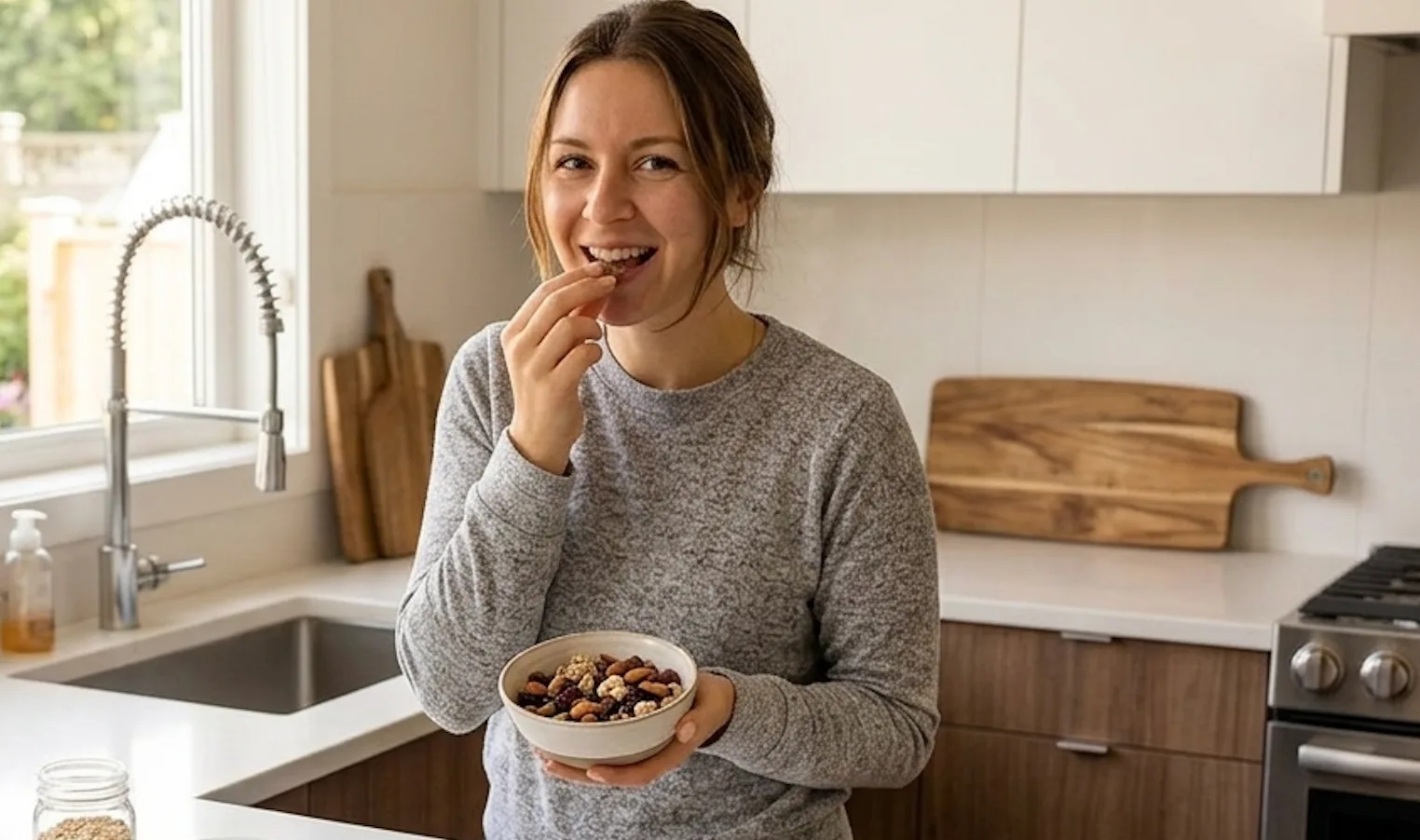
Instead of feeling like another medical task, the experience is designed to feel closer to a quick snack.
That might seem like a small detail, but small details often shape long-term behavior.
Why Bone Health Matters Even More During Menopause
Bone health can become especially important during perimenopause and menopause.
As hormone levels change, the body’s ability to maintain bone density naturally shifts as well. During perimenopause and menopause, hormonal changes can affect how the body maintains bone density, which may increase the importance of long-term bone-supporting habits.
At the same time, life usually does not slow down. Work still needs attention. Family responsibilities continue. Stress does not magically disappear.
Adding complicated supplement schedules or long wellness checklists may sound helpful on paper, but many women simply need solutions that fit naturally into everyday routines.
Seen Nutrition also developed Calcium Chew + K2, which combines calcium with vitamin K2, a nutrient often included in conversations around bone support.

Why People Stop Taking Supplements
It is easy to assume that when someone stops taking supplements, they stopped caring about their health.
That is usually not what happens.
More often, the habit simply stopped fitting comfortably into everyday life.
Some common reasons include:
- It feels inconvenient
- It is easy to forget
- The taste is unpleasant
- It does not feel connected to normal eating habits
- It becomes one more thing to manage during a busy day
Over time, even good intentions can fade if a routine feels difficult to maintain.
That is why product design matters alongside nutrition itself. The easier something feels, the easier it becomes to repeat.
Why Food-First Nutrition Is Getting More Attention
There is also growing interest around something called food matrix nutrition.
The idea is fairly simple: Some researchers are exploring how nutrients interact within whole-food structures and whether they may work differently compared with isolated ingredients alone.
Instead of looking at calcium as a single ingredient inside a tablet, food-first nutrition looks at how nutrients naturally work together in foods.
Consumers are increasingly drawn toward products that feel familiar and uncomplicated.
Many are looking for:
- Shorter ingredient lists
- Food-derived ingredients
- Greater transparency
- Products that fit into real life
The wellness space itself is changing too.
People seem less interested in extreme optimization and more interested in sustainable habits they can realistically maintain.
Trust Matters More Than Ever
Today’s health-conscious consumers are asking different questions than they did years ago.
Instead of only asking:
“What does this promise?”
Many are also asking:
- Where do the ingredients come from?
- What exactly am I putting into my body?
- Can I realistically keep doing this every day?
Those questions matter because long-term habits rely heavily on trust.
Women are not only searching for products. They are searching for routines that support their health without adding more pressure or complexity.
Education Is Becoming Part of Wellness
Another noticeable shift in women’s health is the growing focus on education.
People want more than ingredient lists. They want to understand the bigger picture.
Questions increasingly include:
- How does bone health change with age?
- Why does menopause affect bone density?
- What does healthy calcium intake actually look like?
- How do healthy habits become sustainable?
Education matters because information becomes useful when it can actually be applied to everyday life.
Bone health is not built from one supplement or one perfect decision.
It develops gradually.
Frequently Asked Questions
- What is food-based calcium?
Food-based calcium generally refers to calcium sourced from food-derived ingredients rather than purely isolated compounds. The goal is to create a more familiar nutrition experience. - Why does menopause affect bone health?
Hormonal changes during menopause can affect how the body maintains bone density, which makes bone-supporting habits increasingly important. - Can chewable supplements improve consistency?
Many people find chewable options easier to stick with because they remove common frustrations like swallowing large pills. - How much calcium do women need daily?
Calcium requirements vary depending on age, life stage, and individual needs. A healthcare professional can provide guidance based on personal circumstances.

The Future of Bone Health Might Be Simpler Than We Think
Health trends often make wellness feel like a never-ending checklist filled with more supplements, more products, and more things to track.
Bone health may be pointing toward something different. Sometimes improvement does not come from adding more. Sometimes it comes from making things easier.
Food-based nutrition reflects a broader movement toward habits that feel realistic, sustainable, and simple enough to repeat day after day.
Bone health rarely comes down to one perfect decision. It is usually shaped by the small choices repeated over time, the meals you eat, the habits you keep, and the routines that quietly become part of everyday life.