
The spatula is already in someone’s hand when the smoke alarm gives its one sharp warning.
“Turn it down.”
“I did.”
“No, you didn’t.”
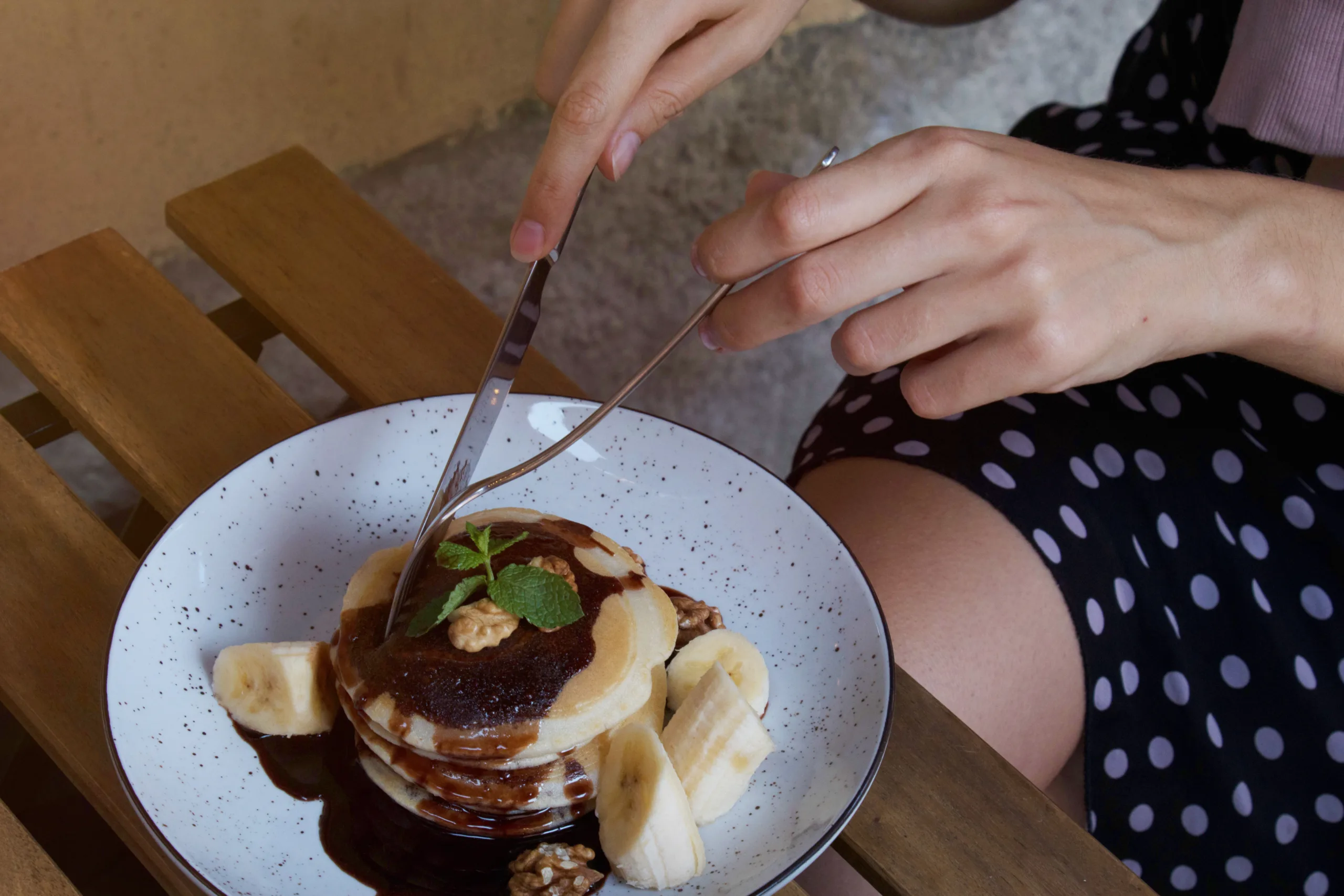
The first pancake is sacrificed without much ceremony. It is too dark around the edges, undercooked in the middle, and somehow both too thick and too thin. Someone laughs. Someone else reaches for the coffee. The second one is better, and by the third, nobody is paying much attention to whether they are perfectly round anymore.
There is batter on the counter. A chair has been pulled halfway away from the table. Someone is eating before the rest of breakfast has even made it onto the plate.
It is not the kind of scene that would ever make it into a picture-perfect morning routine. Precisely why it feels good.
There is something deeply human about food in these unpolished moments. Food can become part of how people care for one another. Sometimes, what is being shared carries a sense of somewhere else with it. A particular ingredient or flavor. Something made with a food tradition that has been part of a place long before it found its way into a modern kitchen.
For Touch A Heart, a Hawaiʻi-based nonprofit focused on creating opportunity and support for people and families, food is connected to a larger idea of community. Through its Baker’s Heart social enterprise, locally inspired foods become part of a model built around meaningful work, training, and the belief that people deserve opportunities to discover what they can do.
So, when a bag of Baker’s Heart ʻUlu Poi Pancake Mix appears on the kitchen counter, it brings more to the table than another convenient breakfast option. Made with ʻulu, or breadfruit, and poi, or taro, it introduces ingredients associated with Hawaiʻi through the familiarity of a pancake.

When a Kitchen Becomes a Place to Begin Again
Kitchens are often where people learn things without realizing they are learning them, and where confidence can return gradually.
For someone navigating barriers to employment, the opportunity to learn practical skills in a supportive environment can represent much more than learning how to prepare food. It can mean developing routines, building experience, discovering strengths, and having the chance to contribute to something tangible.
Touch A Heart partners with organizations that have underused commercial kitchens to provide food-service vocational training and apprenticeship programs. Its social enterprises, including Baker’s Heart, are part of that larger model.
A Different Kind of Morning Ritual
Mornings have a way of becoming automatic. Wake up. Get ready. Answer the messages. Make breakfast. Get out the door. Breakfast can become one more box to check before the day gets moving, something done simply because it has always been done that way.
Made with ʻulu, or breadfruit, flour and poi, or taro, Baker’s Heart’s ʻUlu Poi Pancake Mix brings two ingredients associated with Hawaiʻi into a familiar breakfast format. The result is designed to be light, fluffy, and subtly sweet, with the preparation kept refreshingly simple: eggs, milk, and butter are added to the mix.
There is also something culturally meaningful about seeing ingredients connected to Hawaiʻi appear in a form that fits naturally into contemporary life.
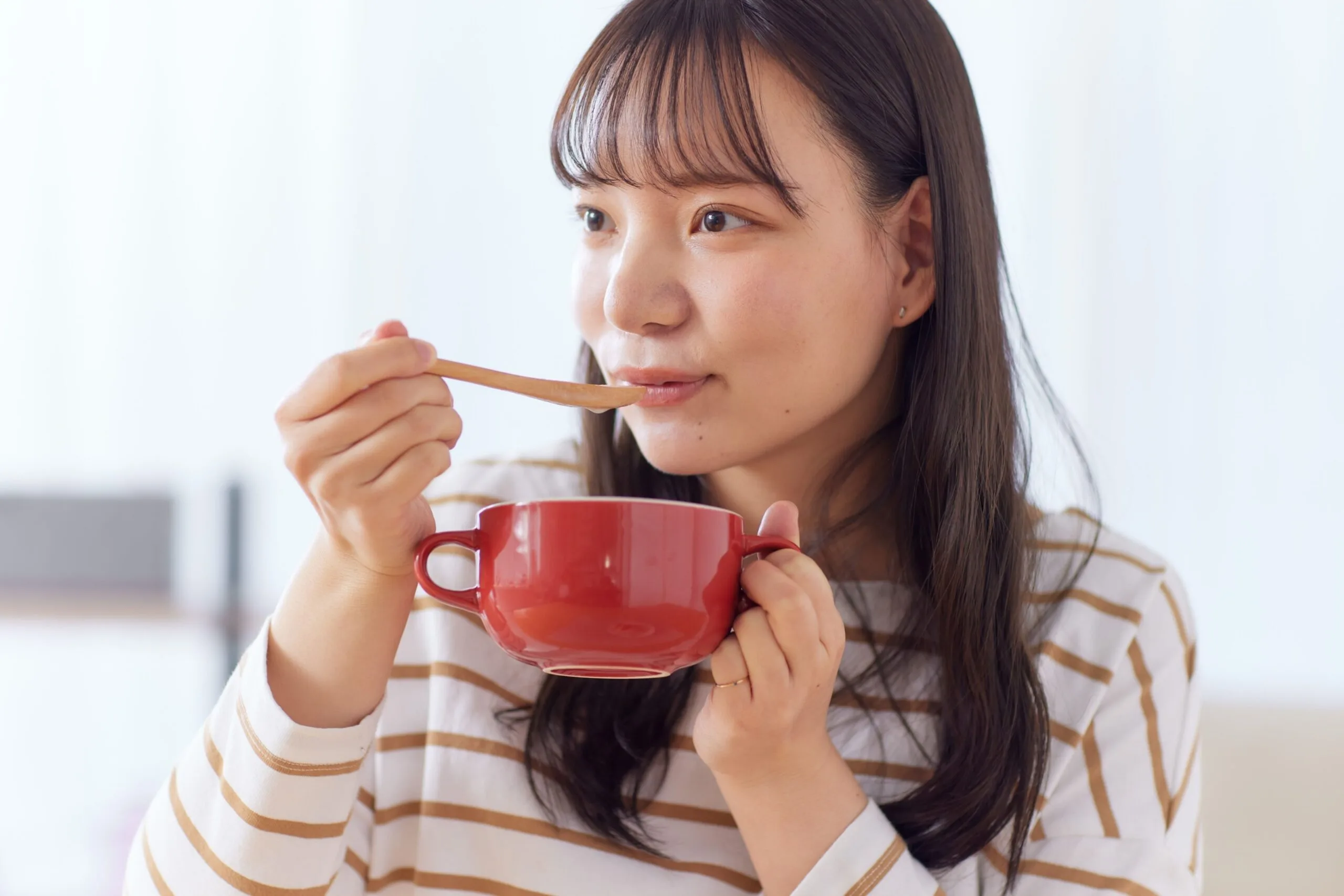
Simple food-based rituals can be memorable. A stack of warm pancakes, a cup of coffee, fruit on the side, and ten unhurried minutes at the table can create a sense of grounding that a rushed breakfast eaten while standing never quite manages.

The Pleasure of Something Small
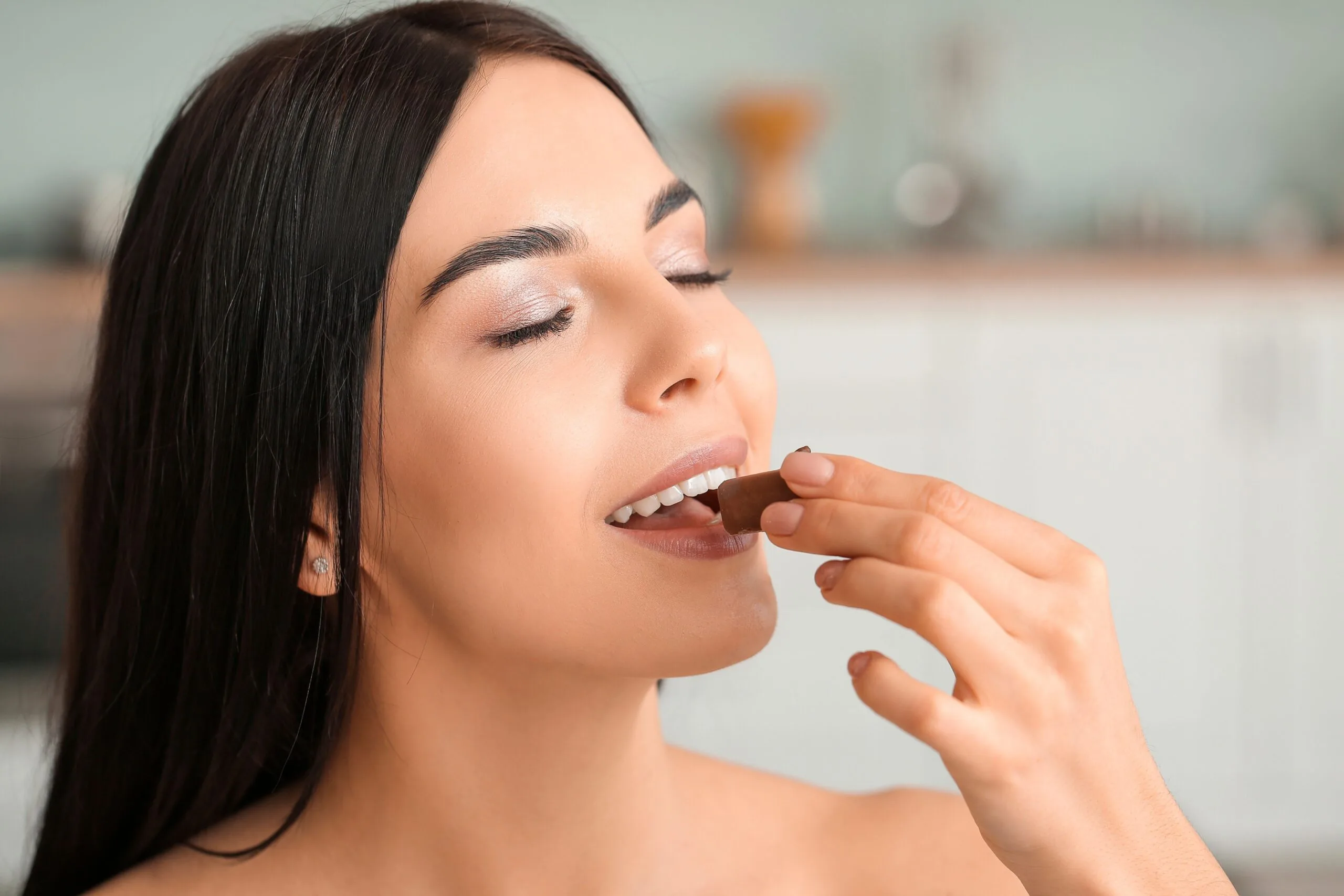
Small pleasures matter partly because they interrupt the idea that every choice surrounding food has to be optimized. A cookie can simply be enjoyable.
Baker’s Heart’s Single Flavor Cookies Box is designed around that kind of easy sharing, with individually packed portions made with ingredients including whole rolled oats, quinoa, and golden flax seed.
A couple can accompany an afternoon coffee. A pack can be slipped into a lunch bag. Several can be shared with visitors. They can become a small gift when someone deserves a reminder that they have been thought of.

The Wellness of Being Connected
Modern wellness can sometimes become intensely individual, but there is another dimension of well-being that is easier to overlook. People need people. They need opportunities to contribute and to feel that their past does not permanently determine their future.
Touch A Heart describes its vision in terms of helping people recognize their value and realize their potential, with its work intended to make an impact through relationships, services, and products. It invites a more conscious way of consuming that considers not only what enters a person’s home, but the stories and people connected to it.
A Taste of Hawaiʻi That Travels Further
Baker’s Heart has a distinctly local point of view. Its products draw from ingredients that belong to the islands and from a desire to celebrate local resources and culture. The ʻUlu Poi Pancake Mix offers one way to experience that connection at breakfast. The cookies offer another, bringing ingredients and flavors associated with Hawaiʻi into a form that can be shared beyond the island. In that sense, Baker’s Heart products can become more than something brought home from a trip or ordered for a special occasion. They can become edible reminders of hospitality.
When a Purchase Becomes Part of a Larger Story
There is a tendency to think of social impact as something that happens somewhere far away from ordinary life, but Touch A Heart believes that impact can be built into meaningful work and everyday commerce.
Baker’s Heart products are part of the organization’s social-enterprise model, and Touch A Heart states that every batch supports its mission of providing job training and purposeful work. Purpose does not have to replace pleasure.
The food still has to taste good. The cookies still need to be enjoyable. The pancake mix still needs to make a breakfast someone genuinely wants to eat.
The two can exist together.
More Than What Is on the Table
The Touch A Heart and Baker’s Heart story begins with food, but it does not end with what is on the plate.
It lives in the possibility of meaningful work, in the confidence that can grow when someone is given room to learn, and in the connection between local ingredients, cultural tradition, and the people who keep those traditions moving forward. It is also a reminder that the things brought into a home do not have to be complicated to carry meaning.
Which brings the story back to the kitchen.
The smoke alarm has already complained. The first pancake is beyond saving. Someone is still arguing that the heat was turned down. There is batter on the counter, coffee going cold, and a half-finished conversation happening over an empty plate.
The next pancake lands on the plate. This one is better.
Perhaps it is in the ordinary pleasure of making something, sharing it, and knowing that the food on the table is connected to people, place, culture, and opportunity beyond the kitchen itself that the meaning of Baker’s Heart becomes clearest.
The pancake is still just a pancake, but behind it is a larger story about Hawaiʻi, meaningful work, community, and the belief that a new beginning can sometimes start with something as simple as being given the chance to make the next one.