

When it comes to health, every part of your body merits attention, including places you may be reluctant to address openly. One such area is your bottom, which, despite its importance to your general well-being, is sometimes disregarded until problems emerge. Anal fissures, while frequent, can cause severe discomfort and disruption in your daily living. Understanding how to properly care for your bottom and utilizing the right products will help avoid and manage uncomfortable tears. Let’s look at the origins and symptoms of anal fissures, provide practical advice for keeping excellent anal health, and identify helpful items that can help you stay comfortable and healthy. Whether you’re looking for relief from an existing condition or want to avoid future difficulties, taking care of your bottom is an important part of your health regimen that should not be overlooked.
What are Anal Fissures?
Anal fissures are small tears or ruptures in the lining of the anus. Tears can be quite unpleasant and cause bleeding during bowel movements. Anal fissures cause also itching and discomfort around your bottom. This ailment can negatively affected you on a physical and emotional level, restricting daily activities and lowering your overall quality of life. Understanding the signs and causes of anal fissures is critical for managing and treating them effectively.

What are the Causes of Anal Fissures?
Anal fissures can be caused by a multitude of causes, all of which contribute to the tearing of the anus’ fragile lining. One of the most common causes is constipation. When a person strains during bowel motions, severe pressure can cause rips in the anal lining. Similarly, diarrhoea can be a contributing factor, since frequent loose stools can irritate and weaken the tissue, making it more prone to tears. Passing large or hard stools provides an additional risk, as the power necessary to eliminate them might cause fissures.
Certain medical illnesses, such as Crohn’s disease, can increase the risk of developing anal fissures. These disorders induce persistent inflammation in the digestive tract, which can spread to the anus and render the tissue more susceptible to rips. Childbirth is another important factor, with many women developing cracks as a result of the strong strain and pressure applied during delivery. Finally, physical damage or injury to the anal area, whether from an accident or medical procedure, can cause fissures to form. Understanding the various causes is critical for preventing and treating anal fissures.
Signs You Might Have an Anal Fissure?

Anal fissures are usually characterized by a specific combination of symptoms that can have a substantial influence on a person’s comfort and quality of life. One of the most noticeable symptoms is acute pain during bowel movements. This pain can be slight to severe and persist anywhere from a few minutes to several hours following the movement, making using the loo a terrifying ordeal.
Another common symptom of anal fissures is bleeding. Individuals may discover little amounts of bright red blood on toilet paper or in their faeces, which is concerning. Along with pain and bleeding, persistent itching and irritation around the anus are common complaints. This discomfort can persist beyond bowel motions, creating continuous distress and interfering with everyday activities.
In some situations, a visible tear or fracture may be present around the anal opening. This tear, however minor, is frequently the source of pain and bleeding. Recognising these signs is critical for obtaining appropriate therapy and properly managing the disease in order to reduce discomfort and improve healing.
How Can You Give Your Bottom a Fighting Chance?
To reduce symptoms and promote healing, anal fissures must be managed and treated using a diverse strategy. One of the most effective strategies is to make the necessary changes to your diet. It is a fact that those who consume more fibre and drink enough of water can keep their stools soft, and reduce the chance of experiencing the discomfort of rips or tears during bowel movements. By adding more fruit, vegetables, and whole grains into your diet, and ensuring that you drink enough water to stay hydrated you can be well on your way to preventing the discomfort of anal fissures.
[restrict]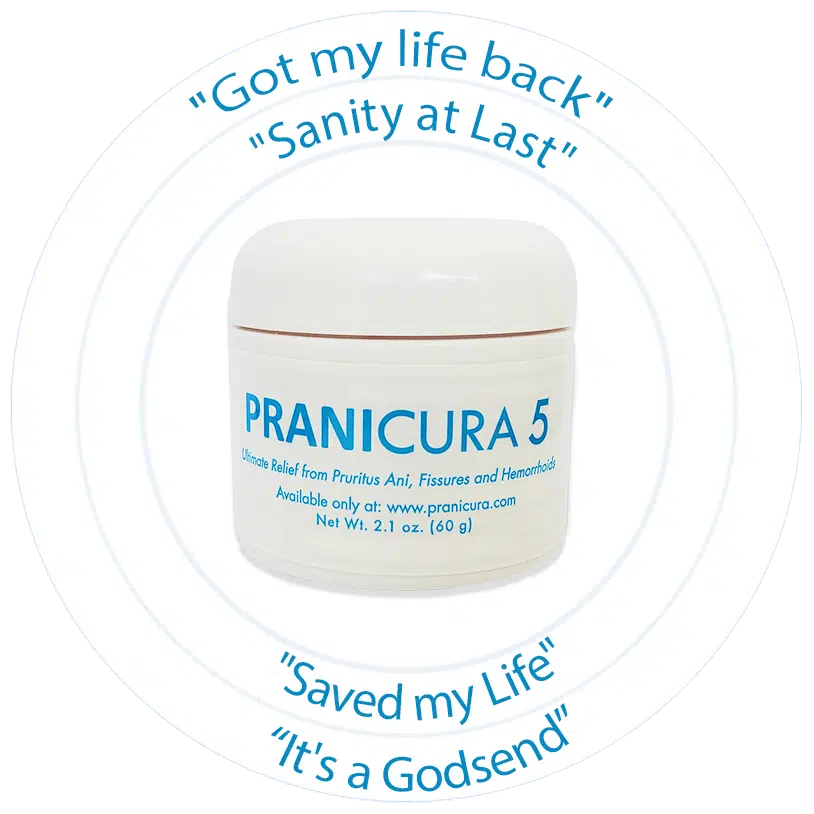

Avoiding excessive strain during bowel motions is critical for preventing future injury. Responding quickly to the urge to go and, if necessary, utilizing stool softeners can assist to reduce strain. In serious cases, medical procedures like Botox injections or surgery may be necessary to help the healing process and alleviate symptoms but are often last resort procedures once all other options have been exhausted.
Topical remedies are also useful in curing anal fissures. Applying lotions or ointments recommended by your doctor can help with healing and pain reduction. These topical medications typically contain ingredients that soothe the afflicted area and promote natural healing. Warm sitz baths can also provide substantial relief. Sitting in warm water for 10-20 minutes several times per day relaxes the anal muscles and lowers inflammation, resulting in smoother bowel movements.
The Pranicura Treatment has also been demonstrated to be highly successful in treating anal fissures. This treatment combines a simple daily regimen that takes only a few minutes, as well as a one-of-a-kind, unique OTC cream applied as needed, to help reduce all discomfort and promote overall health for your bottom. Pranicura cream is unlike anything else on the market and has obtained a US patent. No product or therapy is perfect, but in a recent poll of over 60,000 Pranicura consumers with 1908 replies, 88 percent stated they would suggest the Pranicura treatment to friends and family. If you are one of the few who do not succeed, the 6-month refund policy is quite reassuring, and there is no need to return the jar.
Pranicura cream is an over-the-counter (OTC) medication. This is not a homeopathic treatment.
Since 2014, Pranicura’s purpose has been to deliver relief and healing when all other solutions fail, and then to set you on a path to maintaining your bottom healthy and free of irritation.
Effective Management and the Power of Pranicura Treatment
Taking care of your bottom is a critical component of overall health that is frequently disregarded until problems emerge. Anal fissures, while common and controllable, can cause severe discomfort and disruption in everyday life. Understanding the causes and symptoms of this ailment allows you to take proactive measures to prevent and cure it successfully. There are several approaches to promote healing and preserve anal health, including dietary adjustments, topical therapies, warm sitz baths, and avoiding straining during bowel movements.
The importance of maintaining a healthy bottom cannot be emphasized. A healthy bottom promotes general well-being by allowing you to go about your daily activities without experiencing the pain and discomfort that anal fissures can cause. Prioritizing this often-overlooked area of your body ensures that you can live in greater comfort and confidence.
Consider Pranicura Treatment if you have anal fissures and need an efficient remedy. This specialized treatment is intended to relieve pain and promote healing, providing a holistic approach to controlling anal fissures. Don’t allow discomfort hold you back—take action today to prioritize your bottom health with Pranicura Treatment. Your body will reward you.
* In partnership with our friends at Pranicura Group LLC.* Photo courtesy of Pranicura Group LLC.
* These statements have not been evaluated by the Food and Drug Administration. These products are not intended to diagnose, treat, cure or prevent any disease.
* The information available on ewellnessmag.com, including text, graphics, and other materials is for informational purposes only. Reliance on any information in ewellnessmag.com is at the user’s own risk. Sponsored product placement may appear in the article. The visitor of this website acknowledges that the information available on or through ewellnessmag.com is not and is not intended to be a substitute for professional medical advice. Copyright © 2024 Brawo Press, Inc. All rights reserved.