
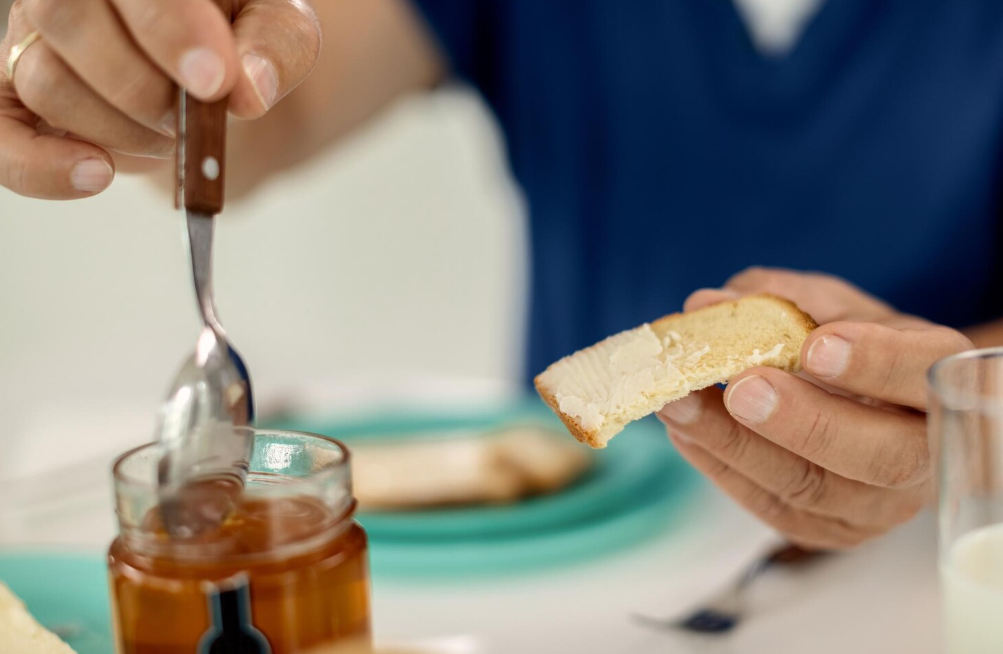
The sound a spoon makes when it goes into a jar of honey is easy to recognize: the slow, reluctant pull of something that is thicker than syrup. It stretches before it breaks, leaving a little amber thread behind. You taste it almost absentmindedly, perhaps over toast or stirred into tea, and then, for a moment, the sweetness seems to have somewhere to go.
We tend to think of it as a single food with a single flavor, but honey is really a record of place. What bees find in bloom, when they find it, and how that nectar is handled afterward can all influence what eventually lands in the jar. Research has increasingly confirmed that honey contains a complicated mix of compounds, including phenolics, flavonoids and enzymes associated with antioxidant and antimicrobial activity, although its composition varies considerably with floral and geographic origin.
It makes the familiar jar on the kitchen counter feel a little less ordinary.

A Family Story That Started with a Hive
Bee Sweet Honey began with a child’s curiosity. In 2016, Amelia Morrow applied for the Metro Beekeepers Association Youth Scholarship Program in Fort Worth. She was selected as one of six recipients and received something that would eventually alter the direction of her family’s life: a hive, equipment and a year of beekeeping classes.
Her father, Robert, joined her. The family story grew from there. Robert eventually earned Rookie Beekeeper of the Year in 2017, while Amelia and her sister Valerie became increasingly involved in the business. What had started as one backyard hive developed into a multigenerational beekeeping operation with apiaries across communities including Southlake, Westlake, Keller and Colleyville, as well as other North Texas locations.
Today, Bee Sweet Honey produces raw honey while also managing agricultural exemption apiaries, bee removals, educational programs and beekeeping tools. The company remains closely connected to the practical realities of caring for colonies, rather than treating the hive as a picturesque backdrop for a food brand.
When people talk about knowing where their food comes from, the phrase can sometimes feel abstract. Beekeeping makes it remarkably concrete. Someone has to know where the hives are, what the bees are finding, how the colonies are doing and what the surrounding environment looks like.
A jar of honey is the end of that chain.

What Makes Raw Honey Different?
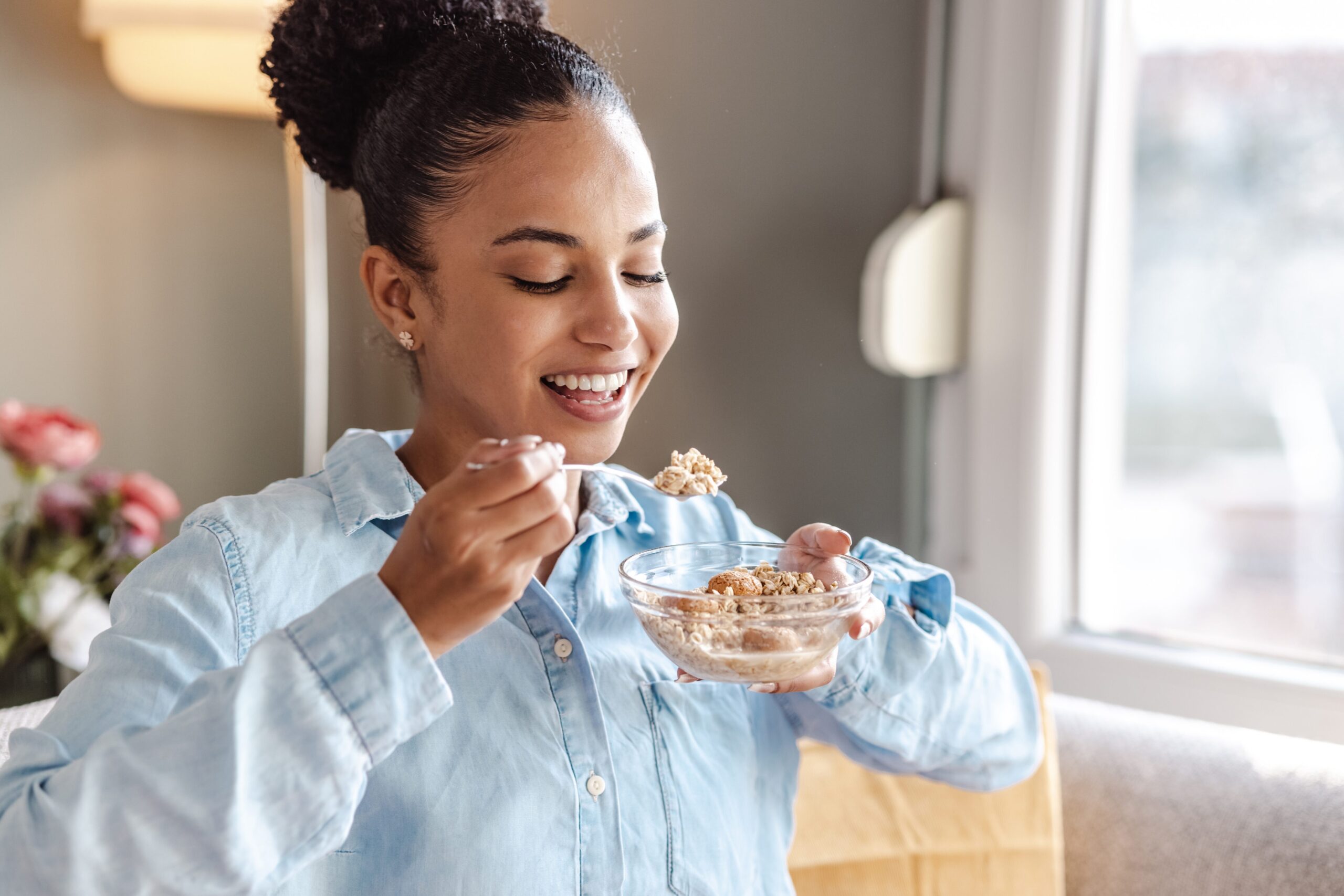
Honey has earned a reputation as both an everyday pantry staple and a wellness ingredient. It can sweeten oatmeal in the morning, soften the sharpness of tea, become part of a salad dressing or simply be eaten by the spoonful when someone wants something comforting.
The more you learn about honey, the more obvious it becomes that processing matters.
Bee Sweet Honey describes its Raw & Unfiltered Texas honey as 100% raw, unfiltered and never heated. The company says this approach is intended to preserve naturally occurring enzymes, pollen and other components of the honey rather than extensively processing the product.
Honey is not nutritionally equivalent to a supplement, and it is still a concentrated source of sugar. It is also considerably more chemically interesting than the word “sweetener” suggests. Scientific reviews describe antioxidant and antimicrobial properties associated with honey’s diverse bioactive compounds, while also emphasizing that results vary depending on the type and origin of the honey and that more standardized clinical research is needed.
In other words, there is reason to appreciate honey’s natural complexity without turning it into a miracle food.
When the Jar Tells You Where It Came From
Bee Sweet’s Raw & Unfiltered Texas says this particular honey comes exclusively from its Southlake, Colleyville, Keller and Fort Worth apiaries. It is a rich amber honey, and the company’s published testing through the University of Texas at San Antonio’s HONEY Pathway project reports a 77% antioxidant activity level and a 77% biological activity level, alongside an antibacterial activity measurement of 19.5 mm.
Bioactivity can vary significantly between honeys because floral source, geography, bee health and processing all influence composition.

Bee Sweet’s decision to have its honey independently evaluated reflects a broader philosophy running through the company: transparency is part of quality.
The Wildflower Version Is a Different Kind of Story
Raw American Wildflower Honey offers a different expression of the same idea. Rather than coming exclusively from Bee Sweet’s North Texas apiaries, this honey is a blend sourced from trusted beekeepers across the United States. The company describes it as a multifloral honey, meaning its character develops from nectar gathered from a variety of flowers, plants, shrubs and trees.
That variety can create a more layered flavor, with notes that may range from gently floral to hints of citrus peel or caramelized sugar, depending on the particular blend and its sources.
The Texas Honey offers a stronger sense of geographical identity: this is honey connected specifically to North Texas landscapes. The wildflower honey is more like a collective American landscape, bringing together the character of multiple growing regions and seasons.
Neither needs to be better. They simply tell different stories.
A Wellness Ritual Without the Wellness Performance
A little honey stirred into morning tea. A drizzle over plain yogurt and fruit. A spoonful folded into a homemade vinaigrette. A small amount spread across warm toast. The sweetness becomes part of a ritual.
Research has found that honey may help ease acute cough symptoms in children over 12 months, although the evidence has limitations and honey should never be given to infants under one because of the risk of infant botulism.
Every jar need not be positioned as a treatment. Natural foods can have meaningful properties without becoming medicalized.

The Bees Are Part of the Product
A jar of honey represents an ecosystem of flowers, weather, land management, pollination and colony health. The quality of the final food depends on a relationship between all of them.
That is why Bee Sweet’s work extends beyond selling honey. The family manages apiaries, participates in educational programs, provides presentations and works with communities to increase awareness of pollinators. Its activities also include bee removals and practical beekeeping solutions designed around hive management.
The family has continued to teach what it has learned, with Robert mentoring beekeepers and Amelia sharing beekeeping knowledge through educational efforts. The original scholarship hive became not only a business but an education in responsibility.

A Little More Attention to What We Put on the Table
What can be surprisingly valuable is becoming more attentive to ordinary things. The apple that actually tastes like an apple. The olive oil whose peppery finish tells you something about its origin. Bread made with time rather than shortcuts. Honey that has a name, a place and people behind it.
Bee Sweet Honey’s Raw & Unfiltered Texas Honey offers a distinctly local expression, produced from the company’s own North Texas apiaries and accompanied by independently reported bioactivity testing. Its Raw American Wildflower Honey takes a broader approach, combining honey from trusted U.S. beekeepers and reflecting the diversity of American floral sources.
The next time a spoon disappears into a jar of amber sweetness, it might be worth pausing before the first taste. There are flowers, weather, landscape, and thousands of small decisions made by bees and beekeepers behind it.