The woman sat in her kitchen long after everyone else had gone to bed. The dishwasher hummed softly in the background. Tomorrow’s lunchboxes were packed. The counters were wiped clean. The day’s responsibilities had finally been completed. There was really nothing left to do, yet she stayed at the table, just staring into the silence.
Nothing was bothering her; she just couldn’t put her finger on the last time she had experienced a moment that belonged entirely to her.
This feeling is one that so many people understand; they just don’t want to admit it.
Modern life is filled with conveniences designed to save time, yet many people feel more rushed than ever. Technology keeps everyone connected, yet loneliness continues to rise. Homes have become larger, smarter, and more efficient, yet so many people struggle to feel truly settled within those walls.
The problem may be exhaustion, but it isn’t necessarily always so. Often, it’s disconnection: from stillness, presence, and from the simple pleasure of existing without needing to accomplish something.
This growing sense of emotional fatigue has sparked an intriguing shift in the wellness world. After years of focusing on optimization, productivity, performance, and the pursuit of a better version of themselves, many people are beginning to crave something different. They want a gentler experience of being themselves, and home is often where that journey begins.

Why Your Home Environment Matters for Wellness
For years, we have been led to believe that wellness is a process of improvement to become stronger, healthier, more disciplined, productive, and mindful. The underlying message has often been the same: there is a better version of yourself waiting to be unlocked.
The result is that many people spend their energy trying to create healthier lives, but they forget to take a deeper look at the environments in which their lives are unfolding.
People experience the effects in different ways. One person can practice meditation every morning and still spend the rest of the day in a space that feels chaotic. Another can invest in supplements, fitness programs, and self-help books, but each evening they still return to a home that doesn’t provide the comfort and restoration it should.
This realization is giving rise to a more holistic view of well-being that acknowledges a simple truth: people do not experience life in isolation from their surroundings. They experience life through them.
How Your Home Influences Mental Well-Being
Every home tells a story.
It has little to do with furniture or décor; it’s a feeling. Some homes feel rushed and chaotic, while others offer a welcoming embrace. Some feel energized, while others feel restorative.
The difference is rarely determined by the size of the space or how much the home costs. It becomes evident in the sensory details within the home: natural light spilling across a room, a favorite blanket draped over a chair, the sound of rain against a window, and a familiar fragrance floating through the air.
These emotional associations are subtle cues that influence how people feel within a space. Over time, those cues become deeply connected to daily experiences.
Without realizing it, people begin building emotional architecture inside their homes, and in our increasingly noisy world, that architecture matters more than ever.
Sensory Wellness and the Rise of Intentional Living
There was a time when atmosphere was considered a luxury, but today, more often, it is viewed as a wellness necessity.
People are spending more time at home than previous generations. Homes now function as workplaces, classrooms, gyms, entertainment centers, and gathering spaces. The biggest challenge lies in the reality that a space designed to do everything can easily lose its ability to help people feel anything.
Creating an intentional atmosphere is important. Within these now multifunctional spaces, there have to be areas of relief, spaces that signal safety rather than stimulation, comfort rather than chaos, and presence rather than pressure.
This growing desire has fueled renewed interest in sensory wellness.
How Home Fragrance Supports Relaxation and Mindfulness
Most sensory experiences require conscious attention, but fragrance is not one of them. A single scent can unlock memories that have remained locked away for decades.
- The smell of sunscreen can bring back childhood summers
- Fresh laundry can evoke feelings of comfort and familiarity
- Ocean air can remind someone of freedom
- Lavender can recall moments of rest and relaxation
Unlike visual stimuli, scent connects directly with regions of the brain involved in emotion and memory. People rarely remember how a room looked years later. They remember how it felt. Scent is often part of that memory.
Emilyn Rose Candles is a brand founded on the belief that fragrance can help transform ordinary spaces into meaningful experiences. Candles aren’t home accessories; they are tools for creating environments that encourage relaxation, mindfulness, and intentional living.
The Human Need to Escape Without Leaving
One of the most interesting developments in wellness is the growing demand for what could be called “micro-escapes.” These aren’t vacations or retreats; they are small experiences that create emotional distance from stress without requiring physical distance from responsibility.
- A cup of tea before sunrise
- Ten minutes with a book
- A walk around the block
- A candle lit at the end of the day

These moments remind people that life is happening now, not just somewhere beyond the next deadline.
This idea is beautifully reflected in Ocean Breeze, Emilyn Rose’s best-selling candle. Inspired by the refreshing feeling of being near the ocean, Ocean Breeze was designed to bring a sense of tranquility into everyday spaces through a clean, coastal home fragrance experience that supports relaxation and mindfulness. The scent evokes something many people are desperately seeking: breathing room.
The ocean has long symbolized perspective. Standing beside it often creates a feeling that worries are smaller, time is slower, and life extends beyond the immediate pressures of the day.
Customers frequently describe Ocean Breeze as fresh, clean, and calming.
It allows you to experience the feeling of getting away without actually going anywhere.
The Quiet Power of Evening Rituals
If mornings are increasingly devoted to productivity, evenings have become sacred territory. The challenge is that many adults struggle to transition out of work mode.
Work ends, but your mind continues running. Emails linger, notifications continue, and you feel like tomorrow is already invading today.

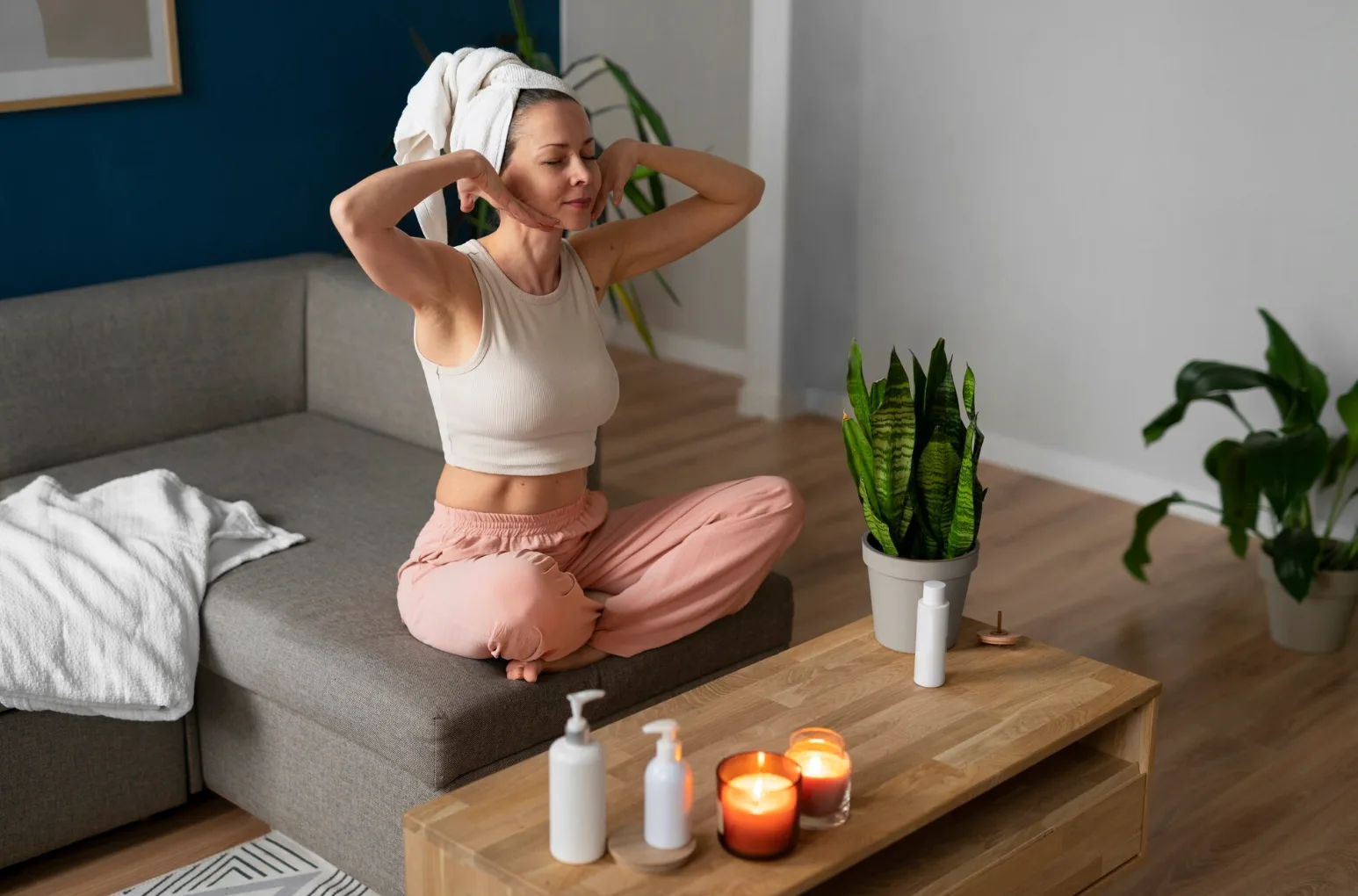
Rituals find their place in this space. They don’t solve stress, but they do create boundaries. A ritual signals the ending of one chapter of the day and the beginning of another.
Among the most enduring symbols of evening rituals is lavender. For generations, lavender has been associated with rest, calm, and restoration. These qualities have made Lavender Blossom one of Emilyn Rose’s most beloved fragrances.
Lavender Blossom has become part of many evening self-care rituals, meditation practices, and relaxation routines designed to support mental wellness and stress relief. The candle becomes a cue to slow down.

Wellness Is Becoming Less About Achievement
For years, wellness was largely aspirational. It focused on becoming healthier, fitter, or better than the current version of you.
Today, many people are seeking permission to simply be, to rest without guilt, to enjoy without optimizing, to create homes that nourish rather than impress, and to choose products that align with their values, such as hand-poured candles crafted with natural soy wax, cotton wicks, and thoughtfully selected fragrance oils.
As understanding of wellness deepens, people want to cultivate experiences that support well-being in ways that feel authentic and sustainable. Health doesn’t simply mean you aren’t ill, and wellness doesn’t mean that you follow healthy habits. They are both influenced by the environments people create and the experiences they allow themselves to have.
This brings us back to that woman sitting alone in her kitchen after everyone had gone to bed. Perhaps what she needed was a reminder that she was allowed to pause, breathe, and create a moment that belonged entirely to her.
In a culture obsessed with doing more, there is something quietly radical about creating a space that asks nothing at all except that a person arrives, settles in, and stays awhile.