
One of the most beloved cheeses globally is Gouda Cheese. The Netherlands developed Gouda cheese, which is known for its smooth texture and pleasant taste. However, not every Gouda cheese is the same as consumers would see it. Some of the Gouda cheese is produced from milk collected from grass-feeding cows, while others are produced from cows fed on grains and other animal feed. This leads us to an important question: Is grass-fed Gouda cheese better than other cheese? Let’s try to answer this question by comparing production, nutritional value, health benefits, impacts on the environment, and flavor.
What is Gouda Cheese?

Gouda cheese is one of the most popular types of cheese that people have been consuming for a long time. The name Gouda originates from the Gouda region in the Netherlands, which has historically served as the trading ground for this product. Marketers market Gouda cheese as either fresh or mature: fresh Gouda cheese has a tender texture and comparatively delicate taste, while mature Gouda cheese is denser and has a more pronounced taste. Typically, people use it as a cooking ingredient, appetizer, or as a component of a cheese course.
Curdling milk—cow, goat, or sheep—makes Gouda. We heat the curds to coagulate the proteins, then place them in molds and let them ripen or mature for a few weeks to several years, depending on the type. Ageing offers the appropriately named Gouda cheese its unique character and texture.
Understanding Grass-Fed Dairy
Grass-fed dairy refers to milk and cheese produced by cows fed grass and other green feeds. However, ordinary dairy cows receive grains, corn, and any other complementary feeds in addition to the forage. The feed source for grass-fed cows may be different during different seasons and geographic locations, but they most often feed on pastures.
Diets taken by the cows are important because the type of feed the cows take is what determines the quality and nutritive value of milk produced. Researchers have also discovered that cows fed on natural fresh grass yield milk with a distinct fat profile compared to cows fed on grain. Such a difference can impact the quality of the cheese produced from that milk, especially in terms of its health properties.
Nutritional Comparison
Before buying grass-fed Gouda cheese, compare its nutritional values to those of regular Gouda cheese. Here are a few important factors:

• Omega-3 Fatty Acids
Third, grass-fed dairy also has higher levels of omega-3 fatty acids than the others, according to the chart above. These are dietary fats our systems need but cannot synthesis on our own. One of the best examples of a fatty acid (FA), omega-3s have been shown to be quite beneficial for the human heart and may act as an antioxidant to help to reduce inflammation. According to one study, milk from grass-fed cows can have up to three times more omega-3 than milk from cows fed conventionally.
• Conjugated Linoleic Acid or CLA
Conjugated Linoleic Acid (CLA), a kind of fatty acid with possible health benefits, is another component of grass-fed dairy. CLA might aid in weight loss by lowering relative body fat, either increasing or retaining lean muscle mass, and promoting general cardiovascular health. Grass-fed cow’s milk produces cheese generally with more CLA than conventional cheese.
• Vitamins and Minerals
Grass-fed Gouda cheese is normally richer in various crucial nutrients, such as vitamins and minerals. That is, it may contain higher concentrations of such vitamins as vitamin A, vitamin D, and vitamin K2. Vitamin A is known to contribute to the sharpening of vision and the body’s immune system, as well as the skin. While Vitamin D aids the body in the absorption of calcium needed in the body, Vitamin K2 is paramount in clotting and for the bone system.
• Calcium Levels
Grass-fed as well as normal Gouda cheese has other nutrients, such as calcium, which maintains bones and teeth. However, the amount of calcium may be slightly higher in grass-fed cheese because cows’ diet affects the absorption of minerals.
Health Benefits of Grass-Fed Gouda Cheese
After discussing nutrition, let’s examine the potential health effects of consuming grass-fed Gouda cheese.
• Heart Health
As was already mentioned, omega-3 fatty acids present in grass-fed Gouda cheese help the heart. Optimal fats are those that help avoid heart disease, lower blood pressure, and cut triglycerides. Digesting Gouda cheese from grass-fed cows may be healthier for the heart than the usual cheese.
• Anti-Inflammatory Properties
Given that Gouda cheese comes from grass-fed cows, CLA appears to enhance its benefits; it also has anti-inflammatory effects on the human body. Inflammation can persist and develop into permanent specific and general diseases, particularly cardiovascular diseases, diabetes, and certain types of cancer. Intake of grass-fed Gouda cheese might be useful in the reduction of inflammation levels in the body.
• Bone Health
Grass-fed Consuming Gouda cheese, which has more calcium and vitamin D than REG cheese, could improve bone health. People perceive healthy bones as crucial throughout their lives, particularly for the elderly. Instead of consuming cheese, which can lead to osteoporosis, you should take it in moderation to ensure you receive other essential nutrients that will help your body build strong bones.
• Weight Management
Grass-fed Gouda cheese is an excellent choice for individuals seeking to curb their hunger and maintain a healthy weight. Many grass-fed cheeses’ healthy fats can help keep you feeling full and satisfied and may reduce appetite. Besides that, the CLA that appears in the grass-fed Gouda cheese has a positive impact on the body composition due to fat loss and muscle gain.
Taste and Culinary Uses
The third component is the taste of the Gouda cheese that has been fed on grass as compared to the normal Gouda cheese. According to several cheese lovers, grass-fed cheese is always tastier and has a smoother texture. Given their own natural diet, which boosts milk output, this predisposition could be explained.
A diversity of meals and presentations complements the grass-fed Gouda cheese. These ideas can enable you to appreciate it:
Cheese Boards: Create a great cheese board for your next gathering. Grass-fed Gouda is a fantastic appetiser when paired with fruit, nuts and crackers.
Sandwiches: Slice the grass-fed Gouda to fit your sandwich. Perfect cheesy complement to sandwiches like grilled cheese or a turkey sandwich, it melts very brilliantly.
Salads: Slice grass-fed Gouda and incorporate them into salads to give a rich taste to your salads. For example, it pairs well with salads, nuts, and fruits.
Pasta Dishes: Add grass-fed Gouda to pasta dishes to add some creaminess and a specific cheesy taste. You can incorporate them into a traditional mac and cheese dish, add them to casseroles, or use them as a topping for baked pasta.
Snacks: Try convenient and tasty grass-fed Gouda cheese sticks for a quick and yummy snack. Go with some vitamins, and serve them with fresh fruits or vegetables for a better option.
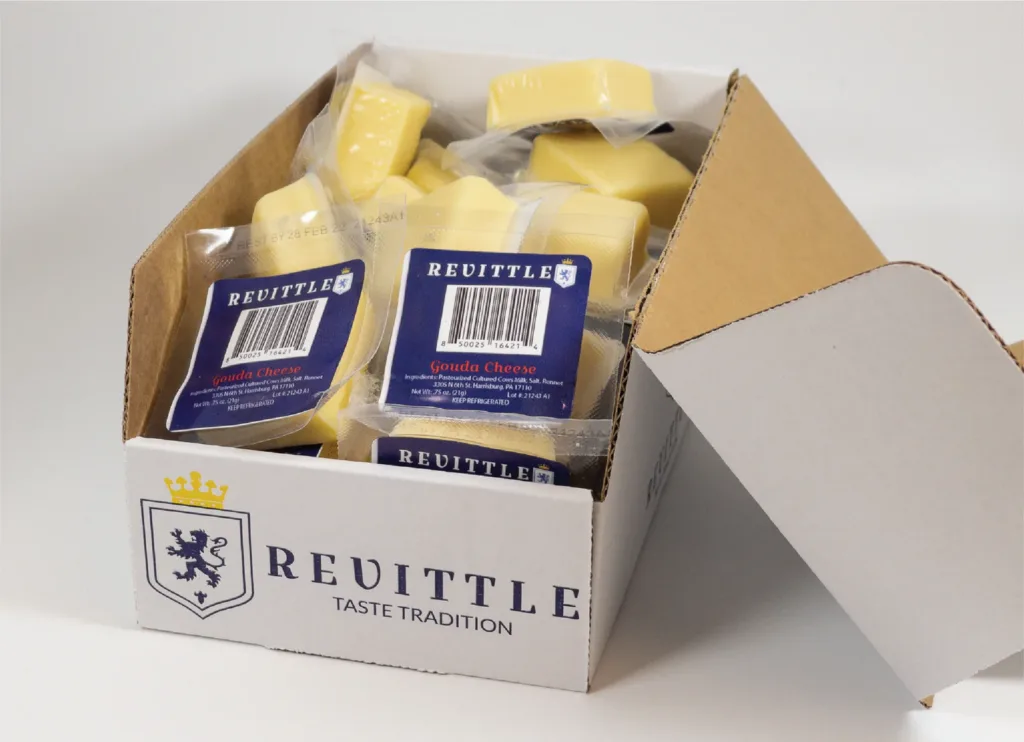
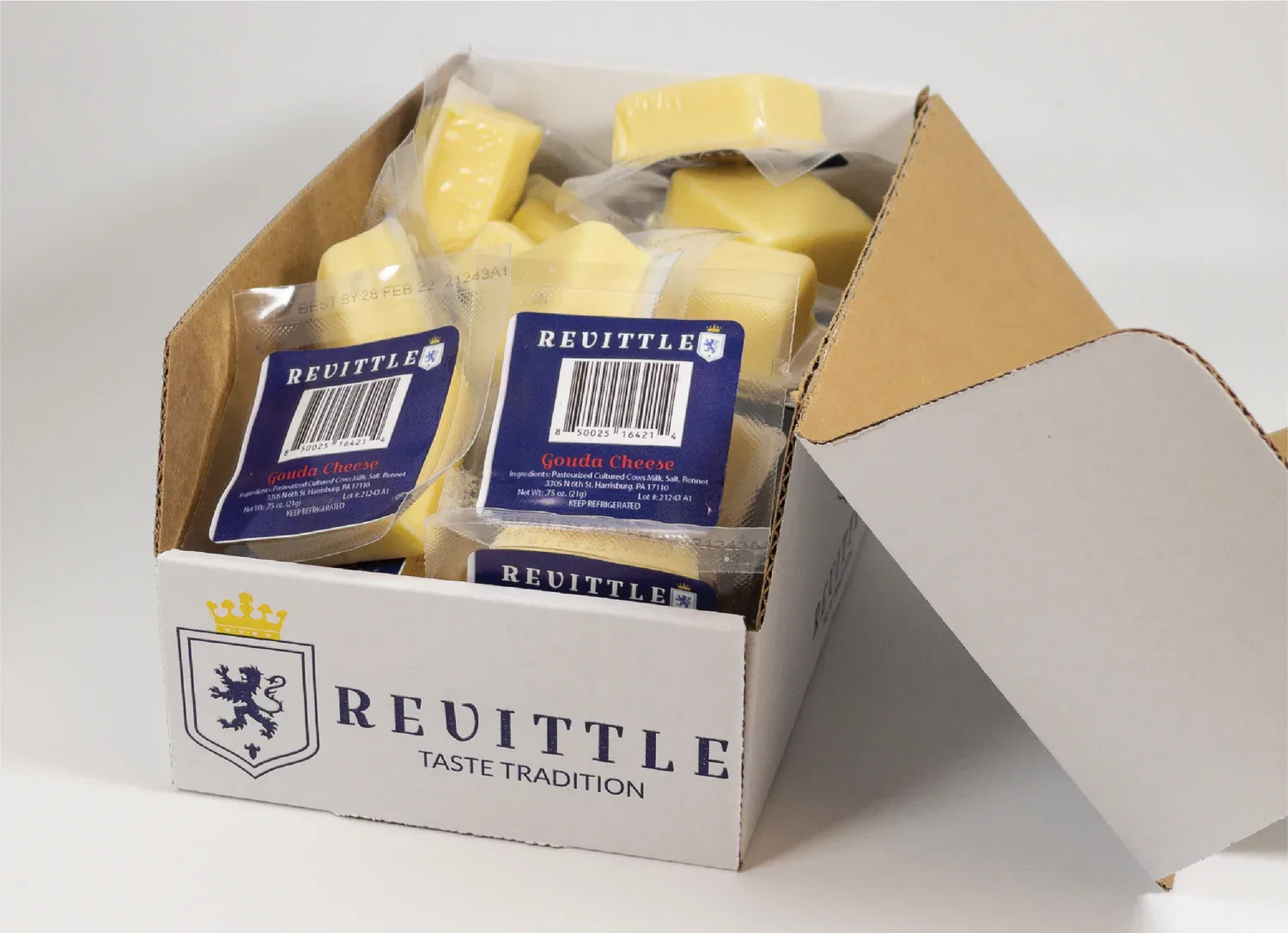
Revittle Gouda “Little A’s” – Box of 24
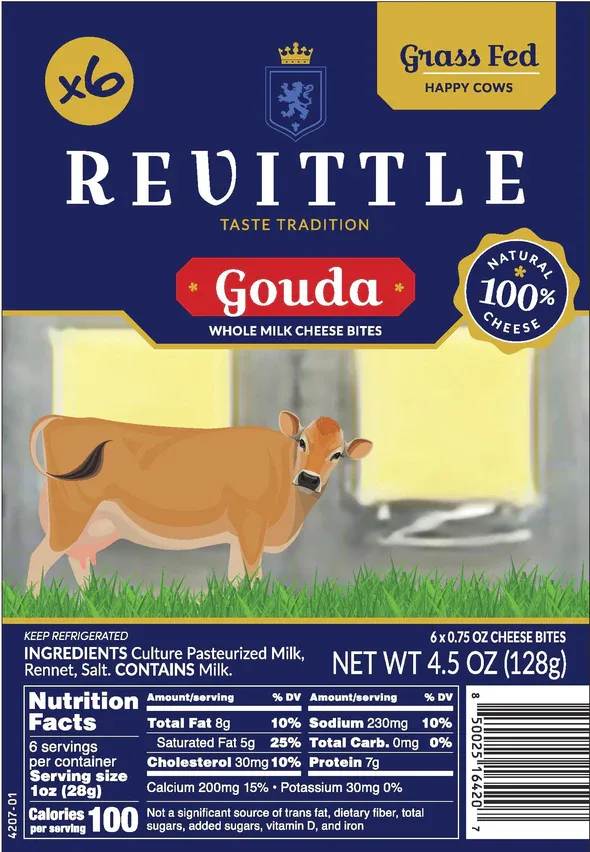
Regarding savoring the delicious taste of Gouda cheese, Revittle presents two excellent items that showcase the special tastes and advantages of this cheese. The Revittle Gouda “Little A’s” Box of 24 offers first-rate snack options. Perfect for sharing or enjoying on your own. These bite-sized snacks are easy to carry anywhere and are a terrific snack option for busy days. The cheesy snacks are fun, and flavorful and what’s even better are the health advantages they offer.
Revittle Gouda Snack Cheese – 6 Pack