

Magnesium is a necessary element that is involved in several body processes. It may be obtained from foods including whole grains, nuts, and legumes. Surprisingly, research has shown that a large number of people lack this essential mineral. A magnesium deficit may be treated with a supplement, but products containing the mineral may also have additional advantages. Magnesium deficiencies are not prevalent in industrialized nations, but they can occur in persons who have diabetes, use certain drugs like diuretics and antibiotics, or have alcoholism, according to the University of Maryland Medical Centre. Magnesium is a necessary element for good health in general, but it also has the potential to lead to better sleep. Since it is involved in so many vital bodily functions, magnesium is now recognized as one of the most crucial minerals for general health. Magnesium supplements have several advantages, from better sleep and less stress to better cardiovascular health and bone density. Improved sleep, improved mood, improved bone health, improved muscular recovery, greater energy levels, improved digestion, controlled blood pressure, increased mental concentration, lower risk of diabetes, and decreased inflammation are just a few of the health advantages of magnesium.

Sleeping Improves With Magnesium
Sleep disturbances are a significant issue in contemporary life. A lot of us have trouble getting enough restful sleep, which can make us tired and low on energy during the day. Magnesium supplements are one approach to enhancing your sleep. A 2022 study discovered that giving individuals with insomnia or bad sleeping habits magnesium tablets daily increased both the quantity and quality of their sleep. Melatonin, a hormone that helps control our internal body clock and alertness levels throughout the day, was present in higher amounts in the serum at the time. According to research, taking a magnesium supplement may help some people, especially those who have low blood levels of magnesium, have better overall sleep and lessen the symptoms of insomnia. Additionally, research indicates that consuming 200–400 mg of elemental magnesium daily might decrease nocturnal wakefulness in addition to improving sleep efficiency.
Magnesium And Your Moods
In the current world, stress is a daily occurrence that can harm both your physical and emotional health. Magnesium is one of the most often used natural treatments to assist people lower their levels of stress. Magnesium is necessary for appropriate biochemical operation, including the release and control of neurotransmitters that affect our moods like serotonin and dopamine. For generations, this mineral has been utilized in traditional medicine to sustain normal levels of stress, but only recently have researchers begun to understand how it functions. Magnesium is a crucial element for general health and may have a significant impact on mood. Studies have demonstrated that taking a magnesium supplement has both physical and mental advantages. Since magnesium has been connected to reduced stress and enhanced brain function, taking a magnesium supplement may be helpful for people trying to lift their spirits. Magnesium supplements should be taken every day to aid with symptoms of sadness, anxiety, and even bipolar illness. This is because it increases serotonin levels in the brain, which are linked to positive mental health states like satisfaction and relaxation and are referred to as “the happiness hormone.” Additionally, magnesium promotes the synthesis of GABA, which eases anxiety by relaxing the nervous system and reducing neuronal excitability in the brain. Low magnesium levels have been linked in studies to an increase in anxiety-related behaviors. Magnesium supplements have been shown to considerably lower cortisol levels, which naturally reduces stress. Encouraging relaxation at night and lowering stress hormones like cortisol during wake hours, also aids in enhancing the quality of sleep.
Magnesium and Proper Digestion
Magnesium is a mineral that helps with good digestion and has many other health advantages. Magnesium is crucial for the process of absorbing nutrients from the food we eat. Our bodies can’t adequately digest and absorb meals without enough magnesium. Magnesium aids in the faster passage of waste through the intestines, which helps to regulate bowel motions and lessen constipation symptoms. Magnesium also helps the intestines produce gas, which facilitates the breakdown of big molecules into smaller ones for improved absorption. We must ingest adequate magnesium from dietary sources or supplements as necessary for this procedure to be successful. Magnesium may be found in many foods, including leafy greens, nuts, seeds, and legumes.
Magnesium and Diabetes
Millions of people across the world suffer from the deadly medical illness known as diabetes. It is brought on by high blood sugar levels and can have a significant influence on quality of life. People at risk must take magnesium supplements since recent research suggests they may reduce the chance of developing diabetes. A lower incidence of diabetes in individuals has been associated with magnesium, an important mineral. According to a Metabolic Institute study, magnesium aids in the body’s appropriate insulin production, which is essential for preserving healthy blood glucose levels. Because magnesium improves the body’s capacity to control the absorption and metabolism of sugar, it follows that enough magnesium intake can help lower a patient’s risk of developing diabetes.
[restrict]
Magnesium and Muscle Recovery
Magnesium is a mineral that is widely distributed in the body and is believed to aid with muscle rehabilitation. Studies have shown that magnesium, which helps to activate the muscles’ enzymes that maintain joint and muscle function, can have a significant impact on muscle health. Magnesium also functions as an electrolyte, which helps to lessen inflammation and spasms brought on by rigorous activities or extreme workouts. Magnesium could be a helpful supplement for athletes seeking extra strategies to enhance their performance and recuperation. According to studies, taking magnesium supplements daily may help to support general muscle health by lowering tiredness, enhancing range of motion when exercising, and assisting in the treatment of post-exercise soreness.
Magnesium Increases Mental Focus
Magnesium is a mineral that has been demonstrated to significantly affect brain clarity, memory, and even Alzheimer’s disease. According to studies, magnesium can aid with attention, which makes it simpler for people to concentrate on tasks like learning and working on projects. Magnesium supplementation not only improves concentration but also lowers the chance of getting Alzheimer’s disease down the road. The creation of neurotransmitters, which are vital for forming memories, is increased by magnesium. People can remember things better and retain knowledge more effectively as a result. The increased focus that results from memory improvement enables people to pay closer attention when learning or working on projects. Regular magnesium consumption also enhances cognitive function, which is beneficial for everything.
Flux Supplements: Magnesium Magicians
The mission of Flux Supplements is to assist your efforts toward wellness and health by offering dietary supplements of the highest caliber and effectiveness. When it comes to the supplement sector, they discovered a lack of openness and quality. They have decided to alter that by developing their very own supplements. Magnesium Triblend, a potent magnesium supplement with multiple advantages for the body and mind, is one of their best-selling products. Magnesium is a necessary mineral that is crucial to numerous body processes. Did you know that the body needs magnesium for over 300 enzymatic processes, such as protein synthesis, energy generation, and muscle and nerve function? You wouldn’t want to be lacking in this mineral! However, magnesium insufficiency is a prevalent condition that can result in several health issues, including heart disease, exhaustion, and muscular cramps. Flux Supplements’ Magnesium Triblend fills that need. Magnesium L-Threonate, Magnesium Glycinate, and Magnesium Taurate are the three highly accessible forms of magnesium that makeup Magnesium Triblend. This special mixture gives the body an effective dosage of magnesium that is quickly absorbed and used. This Triblend’s complete and efficient magnesium dosage supports a variety of biological processes by mixing these 3 types of magnesium. It facilitates better sleep, supports heart health, eases stress and anxiety, and eases muscular tension and cramps. Additionally, it promotes bone health and facilitates the uptake of other minerals. Flux Supplements intends to soon increase its selection of supplements to meet a variety of health demands in addition to its Magnesium Triblend product. There is something for everyone at Flux Supplements, from physical health to cognitive assistance. Additionally, the business gives top-notch customer service and a satisfaction guarantee on all of its items. You can rely on Flux Supplements to assist your quest for health and well-being because of their dedication to quality and client satisfaction.
Flux Supplements: Magnesium Triblend
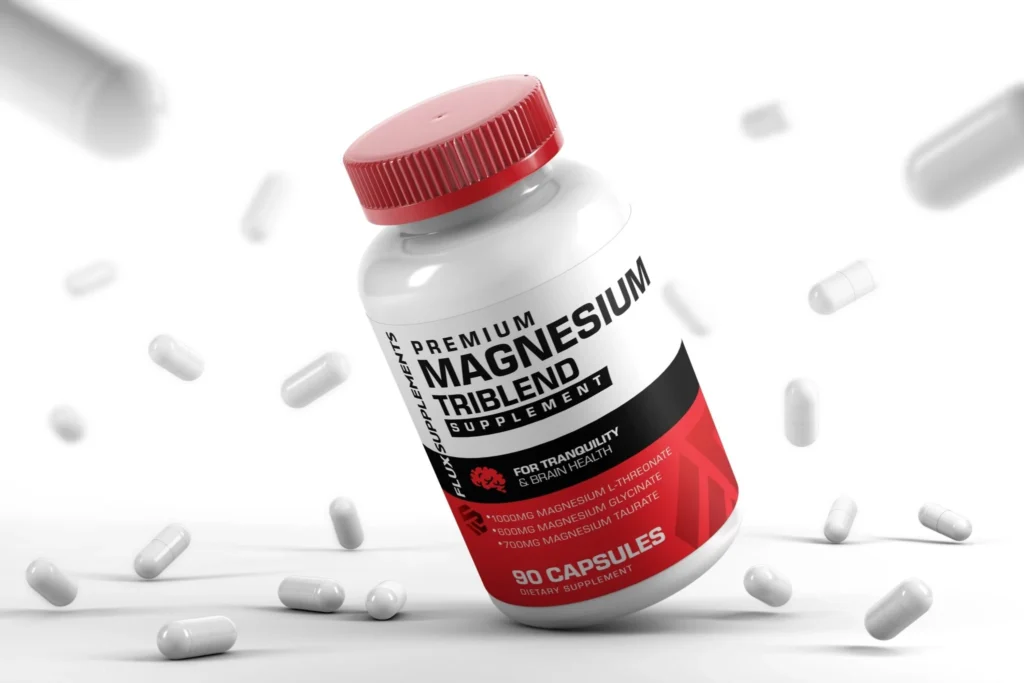

Every path towards wellness is unique, and your needs could alter from day to day and year to year. Whatever your demands may be, Flux supplements are designed to help you. Every system in the body interacts with the others, making it a sophisticated mechanism. With their formulae, which are created to treat both short-term and long-term health demands, from sporadic insomnia to stress to cellular vitality, they put a focus on total body fitness. You are in charge of your path.
The Takeaway From Magnesium
Including magnesium in your diet can significantly contribute to your overall happiness and well-being. Magnesium plays a crucial role in the production of serotonin, a neurotransmitter that regulates mood and promotes feelings of happiness and well-being. By ensuring an adequate intake of magnesium you can help maintain healthy serotonin levels in the brain, thereby supporting a positive mood and emotional balance. Furthermore, magnesium is involved in regulating stress hormones such as cortisol, which can impact mood and increase feelings of anxiety. By incorporating magnesium into your diet, you can help keep stress levels in check and promote a greater sense of calmness and contentment, ultimately leading to a happier and more fulfilling life.
Leading a healthy life is undeniably the best choice one can make. By prioritizing our well-being, we can experience a multitude of benefits that enhance our overall quality of life. Physical health is crucial as it allows us to engage in activities we enjoy, maintain energy levels, and prevent chronic illnesses. A healthy lifestyle fosters mental and emotional well-being, reducing stress, anxiety, and depression. It promotes clarity of mind, productivity, and cognitive function. Moreover, a healthy life encourages positive social interactions and relationships, providing a sense of belonging and support. It allows us to better appreciate the simple joys, boosts self-confidence, and improves our overall outlook on life. Ultimately, investing in our health is the foundation for a fulfilling, balanced, and vibrant existence.
* In partnership with our friends at Flux Supplements* Photo courtesy of Flux Supplements
* These statements have not been evaluated by the Food and Drug Administration. These products are not intended to diagnose, treat, cure or prevent any disease.
* The information available on ewellnessmag.com, including text, graphics, and other materials is for informational purposes only. Reliance on any information in ewellnessmag.com is at the user’s own risk. Sponsored product placement may appear in the article. The visitor of this website acknowledges that the information available on or through ewellnessmag.com is not and is not intended to be a substitute for professional medical advice. Copyright © 2023 Brawo Press, Inc. All rights reserved.