

We are tackling the world of retinol and its counterparts today — giving you the lowdown on how to achieve that glow without the irritation. Prepare yourself to dive head first into the soft, yet mighty heavyweights that will change your skincare routine!
How Retinol Works Its Magic
But first, a quick refresher on retinol: This skincare powerhouse is a derivative of Vitamin A and is renowned for its skin cell regeneration, collagen-boosting, and anti-ageing properties. If you would, think of it as having your personal skin coach who encourages and motivates the complexion to work out for its sake.
Retinol is converted into retinoic acid when applied to the skin, where it then enters the nucleus of cells in order to replicate or repair damage and promote cellular growth. This amazing molecule then signals skin cells to act like younger, healthier versions of themselves. The result? More subtle texture, less creasing, and a more uniform color across the surface of the skin. It’s virtually hitting the REWIND button on your skin-clock!
While retinol has some really top-shelf results to show off, say it with me now — it doesn’t always play nice. As a result, most people have redness, irritation and flaky skin when they start using this product. It’s something akin to the first, unflattering stages of a makeover — essential but by no means glamorous. This period of “retinization” may take a few weeks, which explains why a lot of users might give up too soon to experience the full payoff.

Are Retinol and Retinoid the Same?
Now, you might be thinking, “retinol vs. retinoid?” To be more specific, retinoids are the family in which Vitamin A derivatives fall; retinol is just one kind of retinoid. They both serve the same purpose, but retinoids are often stronger and prescription-strength.
[restrict]Here’s a quick breakdown:
Retinoids
: These are the blanket term for all Vitamin A derivatives. They come in everything from mild over-the-counter solutions to stronger, prescription-level options.
Retinoic Acid:
Rx retinoid from vitamin A
Retinol:
OTC version of a retinoid that the skin converts into retinoic acid. This stuff is milder than Rx options, but it works if you’re consistent.
Tretinoin:
A prescription-strength retinoid that comes in the form of retinoic acid. It is, however, more powerful and faster-acting than retinol, but also more irritating.
Adapalene:
This was a third-generation prescription retinoid available OTC in many countries now. This is particularly good for acne.
The catch is that these options can be irritating to the skin to varying degrees. This is part of the reason why a number of skincare fanatics use mild non-irritating ingredients that can offer comparable benefits without the chaos that comes with irritants.
The Gentle Glow-Up Game-Changer: Kind Upgrades for Glowing Skin
It turns out there are some new innovations that actually deliver retinol-like effects without the melodrama. Let’s focus on two game-changing products.
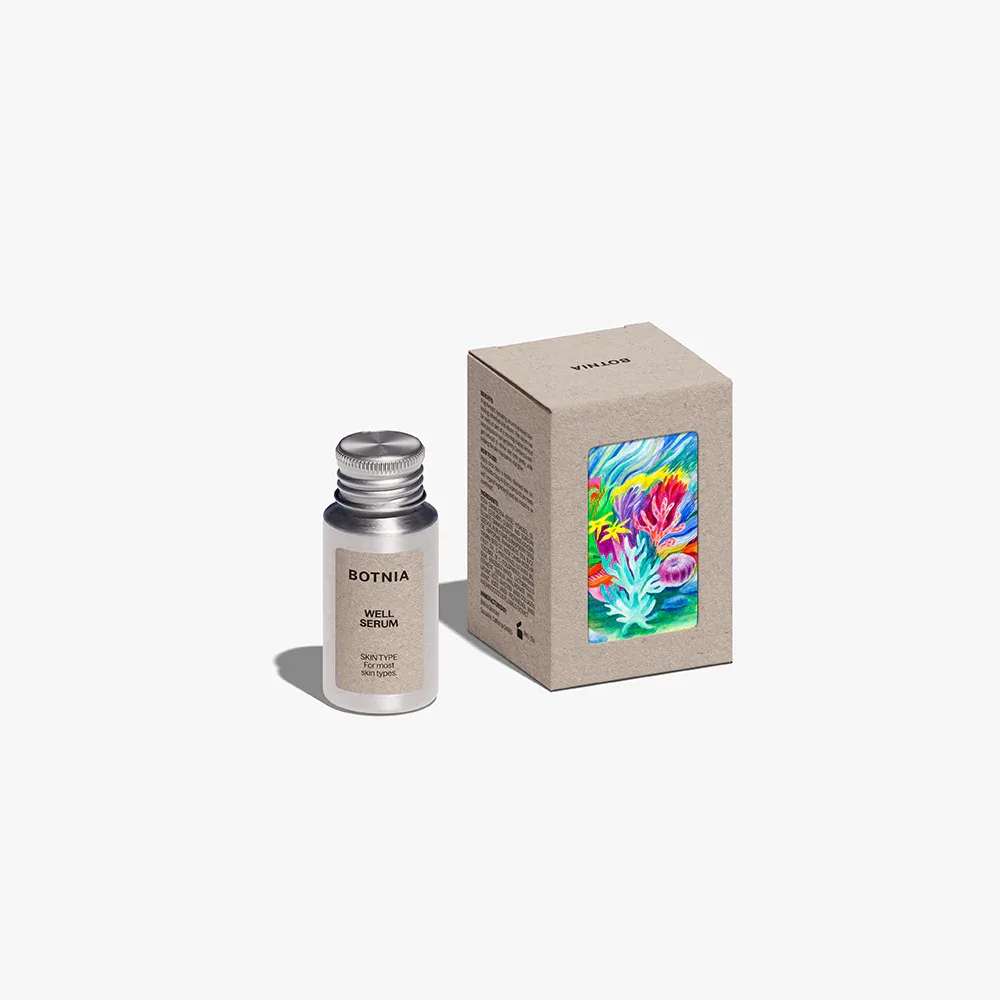
The Retinol Alternative: Botnia Well Serum
It seems like a dream to get all the benefits of retinol without any of its drawbacks in a serum. Your mind is about to be blown. Botnia Well Serum, this potent serum, may be the skincare equivalent of finding the perfect Instagram filter for your face.
Meet the new and improved retinoid serum—the kid in school who was friends with everyone. It is really sun-safe and won’t irritate sensitive skin, marking the end of your break-up with sunscreen. The secret? Chlorella vulgaris is like having a little tiny team of skincare fairies going to work on your face.
Here’s why we’re obsessed:
Natural and Sunproof: These natural Apocarotenoids act like retinoids by causing cell turnover and activating skin receptors capable of building collagen. However, they are suitable for daily usage and even for the most sensitive of skin thanks to their non-traditional retinoid base.
Sea Buckthorn Oil: This golden elixir is enriched with vitamins A, C & E and omega fatty acids. It’s a skin repair powerhouse helping to support its barrier and defend against environmental stress.
Rosehip oil: Rich in vitamin C and essential fatty acids, it’s nature’s way to clear, even skin. For dark spots, it helps them fade and can even improve the look of scars.
Red Raspberry Seed Oil: The Red Raspberry Seed Oil has the best anti-pollution, free radical-fighting effect and natural UV protection. Nourish and protect your skin against environmental harm with its essential fatty acid profile.
How to use it? Easy! Simply use one to two drops on your clean face one or two times each day. That said, it’s one of the oilier serums I’ve used which, if your body doesn’t need a heavy-duty moisturiser on top, you could definitely skip.
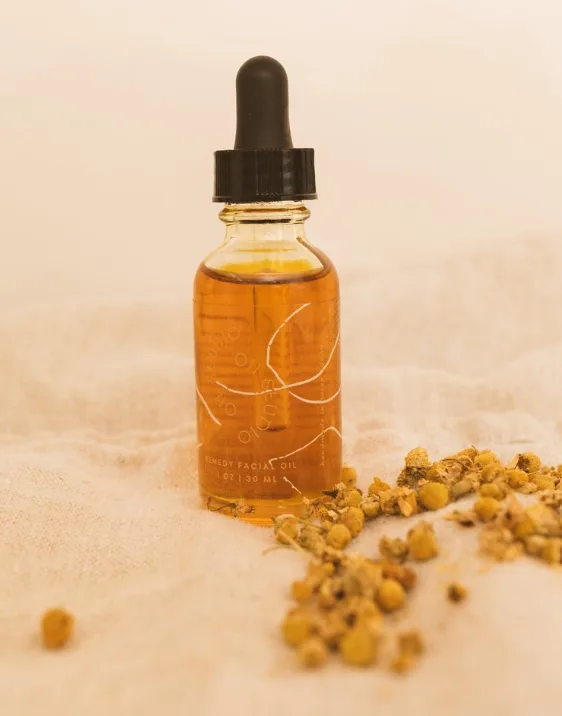
Oil Studio Remedy Facial Oil: Nature’s Healing Touch
If you’re not into harsh chemicals and want to give your skin a full-body hug, Oil Studio’s Remedy Facial Oil might just be your new bestie. This organic blend is like a farmer’s market for your face – chock full of nourishing herbs and oils that heal and protect your skin. Here’s what makes it so special:
Jojoba Oil – liquid gold that’s the most similar to your skin’s natural sebum, which means easy absorption and suitability for all skin types. Jojoba helps regulate oil production and can even be used on oily or acne-prone skin.
Olive Oil – jammed with antioxidants and vitamin E protects your skin against free radical damage and nourishes it from within.
Tamanu Oil – this Polynesian gem is a natural panacea with healing properties. It does magic on acne, acne scarring, and sun damage.
Calendula – an ideal extract for sensitive and irritated skin. Calendula reduces inflammation, promotes wound healing and is just the thing you need when your skin feels off.
Nettle – Nettle is a great anti-aging ingredient, full of vitamins and minerals with revitalizing properties.
Essential Oils – the compound also includes helichrysum for fast skin regeneration, lavender for calm and balance, palmarosa for intense hydration and cell turnover and frankincense for anti-aging and skin improving powers.
Just massage a few drops to your skin and pat yourself on the back for giving your skin the care it needs.
What Retinol Should I Use?
Are you ready to be the star of your own skincare glow-up story? Here’s your starter pack:
Clean up your act:
treat your skin to a gentle cleanser that will sweep away all the daily grime and makeup like it never even happened. A cleansing product should keep your skin’s natural barrier intact.
Tone it up:
Apply a hydrating toner to restore your skin’s pH. Doing this helps to prepare your skin so it will be better able to absorb anything you put on after.
Serum time:
The magic happens with Botnia Well Serum. Concentrate Botnia Well Serum in lines and texture areas. This is a very lightweight formula that layers with ease.
Kill 2 birds with 1 stone: If
you have more dry skin, you will benefit a lot from using the Oil Studio Remedy Facial Oil as your next step. Rub a few drops in between your hands and lightly pat onto skin.
Lock it:
A moisturizer is going to seal the deal complete with a hydrating final step. It will be very important in keeping your skin from becoming dehydrated and to support the skin barrier.
Don’t skip SPF in the morning: Yes, these are more gentle versions of traditional retinol, but sunscreen goes with everything! Opt for a broad-spectrum SPF 30 (or higher) to protect your skin from UV damage.
Consistency is the name of the game when it comes to skincare. And the key to seeing maximal results is staying on this routine morning and night (sans SPF at night, of course).
Everything to Expect
As with any epic journey, it will take time before your skin becomes blemish-free and glowing. It takes time, but believe me — the results are worth it! Here’s what you might notice:
During The First 1-2 Weeks
: You’ll notice that your skin is more hydrated and looks a little plumper. Both of these products have nourishing ingredients that get to work by hydrating the skin–the Botnia Well Serum and Oil Studio Remedy Facial oil both help with hydration.
Week 3-4:
Your skin tone may become more even and your complexion a little brighter and less dull-looking. From here, the cell-renewing properties of the microalgae apocarotenoids get to work and the antioxidants in the oils work their magic at brightening your complexion.
Week 6-8:
You could notice that fine lines will have softened, your skin texture will have improved. The collagen-boosting effects of the retinol alternatives continue to kick in, and your skin barrier power grows and strengthens from nourishing oils.
Week 12 and beyond:
Enter the glowing skin! Clearer, more evenly-toned and downright luminous skin? After around three weeks of daily use, the real rewards of habitual usage — smoother skin texture and decreased appearance of fine lines — shine through. Your collagen production becomes ridiculously fast and youth is restored!
Remember, consistency is key. Set your sights on your goal, and one day you will be serving face just like the professionals do!

Why It’s The Best
Aside from mere irritation, choosing less harsh retinoid alternatives is about adopting a gentler and kinder philosophy in SKINCARE. This is why these respective alternatives are grabbing attention.
Products like Botnia’s Well Serum are made with sustainably sourced ingredients. They are Leaping Bunny–certified and cruelty-free, but the brand also has you thinking about how your routine impacts the planet.
Beauty without breaking the bank
: These alternatives often offer more affordable options compared to prescription retinoids.
Added benefits:
These products often contain complementary ingredients that hydrate and replenish the skin. Like multiple skincare steps in one!
Short-term benefits:
While the long-term results accumulate over the course of a month, plenty of users experienced immediate skin hydration and texture improvements. Gone are the days of weeks of peeling and redness, hooray!
All year use:
Traditional retinoids can make skin more sensitive to the sun, so they can be difficult to fit for summer use. These alternatives like the Botnia one can be used year-round, allowing you to stick to a skincare routine.
Bottom Line: The Journey to Glowing Skin
Okay, then what kind of retinol can I use? And the answer might just be: consider Botnia’s Well Serum and pair with Oil Studio Remedy Facial Oil for the coveted glow.
I cannot stress how important it is to find what skincare routine works for you when going on a glow-up journey! Your skin needs to be its best self, but also the real you. In fact, these gentle alternatives are soothing on your skin as you get all the benefits of retinol.
Ready for your wake-up call? Give these delicate options a try and see for yourself the transformation from pretty to wow in your skin. Who knows? You might even be the girl in your friend group that serves looks without makeup and gives everyone else skin envy with all of that glow coming from you.
As you go on this skincare journey, remember that patience is a virtue and consistency is key. No one has perfect skin overnight, but you’re on your way to flawless if you cozy up with some of the best products out there and give your face some extra love.
And do not forget that although these products are capable of miracles, real beauty is inside. Combine this new skincare routine with a lot of water, a healthy diet and good sleep and you will shine from the inside to the outside. May your skin be the best it ever was — cheers to transformation!
[/restrict]