

Immune defenses resemble the police force. It roams the entire area and alerts for assistance when it notices a problem. It differs from other systems in this regard since it must be able to respond in any area of the body. Innate and adaptive immunity are the two layers of defense offered by the immune system. The immune system’s organs and tissues will be briefly discussed before the subject turns to the cells that supply both innate and adaptive immunity.

Organs And Tissues
The thymus and bone marrow, lymph nodes and veins, spleen, skin, and other organs and tissues are vital to the immune system’s normal operation. As the many types of immune system cells are produced in the bone marrow, if the immune system were a police force, it would be the police academy. In the bone marrow, stem cells, a common type of beginning cell, are used to develop all immune system cells. These stem cells then differentiate into certain cell types, such as white blood cells, platelets (which are crucial for blood clotting), and red blood cells (important for immune responses). For as long as we live, the process of cell production and differentiation takes place every day. As a result, our immune system cells are regularly renewed, much like the red blood cells in our blood are if we are hurt or donate blood. Some of the stem cells will develop into lymphocytes, a kind of immune system cell. The adaptive immune system is made up of two different lymphocyte types: B cells and T cells. The bone marrow is where B cells develop, therefore the term “B cell.” In our circulation, cells that will ultimately develop into T cells go from the bone marrow to the thymus, where they mature (thus the term “T cell”). Behind the sternum, or breastbone, the thymus is situated immediately above the heart.
Immune cells are seen in abundance in lymph nodes. Strategically placed throughout the body are these nodes. Compared to others, some are more known. For instance, while many people are aware of the tonsils and adenoids in the neck, they might not be familiar with the lymph nodes called Peyer’s patches, which border the gut. The body also has a large number of unidentified lymph nodes; in fact, there are groups of lymph nodes located almost everywhere on our bodies. As germs most frequently enter the body through openings like the digestive system and the vaginal regions, lymph nodes are more common there. Lymph nodes are the immune system’s police stations if it were a police force. Nearby lymph nodes, also known as draining lymph nodes, become hives of activity after a pathogen is discovered, when cell activation, chemical communication, and increase of the immune system’s cell population take place. As a result, the nodes swell and may make the surrounding areas painful since the bigger nodes occupy a larger area than usual. Most of us have had experience with “swollen glands” in the neck. But, if lymph nodes are stimulated anyplace, the same thing may happen. The lymph nodes’ ability to operate as an immune system depends on two vascular systems:
Blood vessels — Capillaries carry lymph from the blood into bodily tissues. Lymph is a fluid that is rich in immune system cells and communication molecules. In the tissues, lymphatic fluid gathers germs and detritus. The immune cells-containing lymphatic fluid then travels to the draining lymph nodes, where it is filtered. Immune system components are triggered if infections are found (for further information, see the section below on the “adaptive immune system”).
Lymphatic vessels — After filtration, lymphatic vessels transport this fluid to the heart. The filtered lymph enters either the larger thoracic duct on the left side of the heart or a smaller duct with a similar structure on the right side of the heart, depending on where it comes from.
[restrict]As the spleen is the biggest internal immunological organ, it has a significant concentration of immune cells. In fact, the spleen receives around 25% of the blood that leaves the heart with each beat. The spleen filters blood as it flows in order to look for germs. Immune system cells become more active and numerous when infections are identified, helping to kill the pathogen. Particularly crucial in defending against bacterial illnesses like meningococcus and pneumococcus is the spleen. Those without spleens can still survive, but because they are more susceptible to getting certain diseases, it is crucial for them to stay up to date on their vaccinations.
Since it covers the whole body, the skin is occasionally referred to as the biggest organ of the immune system. Although many people do not consider the skin to be a component of this system, it really acts as a vital physical barrier against many of the disease-causing substances that we come into touch with on a daily basis.
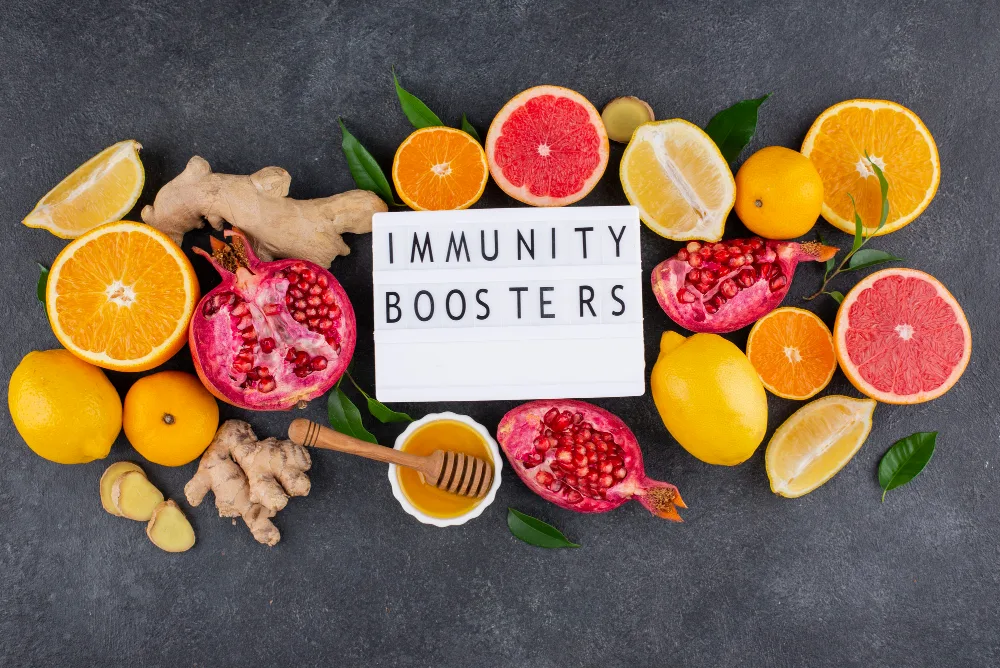
How Natural Is Better for You Than Synthetic
Your body cannot generate vitamins and minerals on its own, therefore you must consume them for proper health. A clean whole food diet is crucial so that we can get all the nutrients we need from diet alone, but modern agricultural practices have stripped our soils of essential nutrients, making our food less nutritious. Eating a varied and healthy diet is a great way to keep your body stocked up on essential nutrition. Your food won’t be as nutrient-dense as it once was, even if you follow an organic diet. Moreover, the air we breathe, the food we eat, and the water we drink and use on a daily basis are all contaminated with pesticides, poisons, and other pollutants. We consume a lot of refined and processed meals out of convenience or by mistake since they are more delicious, last longer, and are frequently less expensive than whole, organic foods. However, food processing also depletes it of many essential elements. It makes sense that there are now more food allergies, chronic illnesses, and obese cases in our society than ever before. Filling up the gaps with organic vitamins and supplements is more crucial than ever because our diet is already nutrient-deficient. Yes, you still need to make an effort to eat healthily, but it will be challenging to meet all of your body’s nutritional demands for good health and performance through food alone.
We already know that the body requires a continual stream of nutrients to operate properly. One so-called remedy is to add inexpensive, synthetic vitamins to specific meals, drinks, and supplements. Because synthetic vitamins are less expensive to produce and more shelf-stable than natural vitamins, they are frequently included in multivitamins and “fortified” meals. They may be injected into foods in high, harmful dosages or used to make thick pills that contain absurdly high levels of several different nutrients. They can also linger on the shelves at your local shop for months or possibly even years.
Although synthetic vitamins are “nearly similar” to nutrients found in food, producers may get away with referring to them as natural. These artificial vitamins aren’t at all what the body needs, though. They are produced in a manner that has little resemblance to the metabolic mechanisms that produce them in plants and animals. Moreover, they disregard the numerous substances and phytonutrients that are found in complete foods. They are significantly less bioavailable as a result than organic vitamins. Your kidneys may have a difficult time handling them, and the body may even see them as poisons.
In certain studies, synthetic vitamins have even been linked to an increased risk of cancer.
Hawaii Olakino
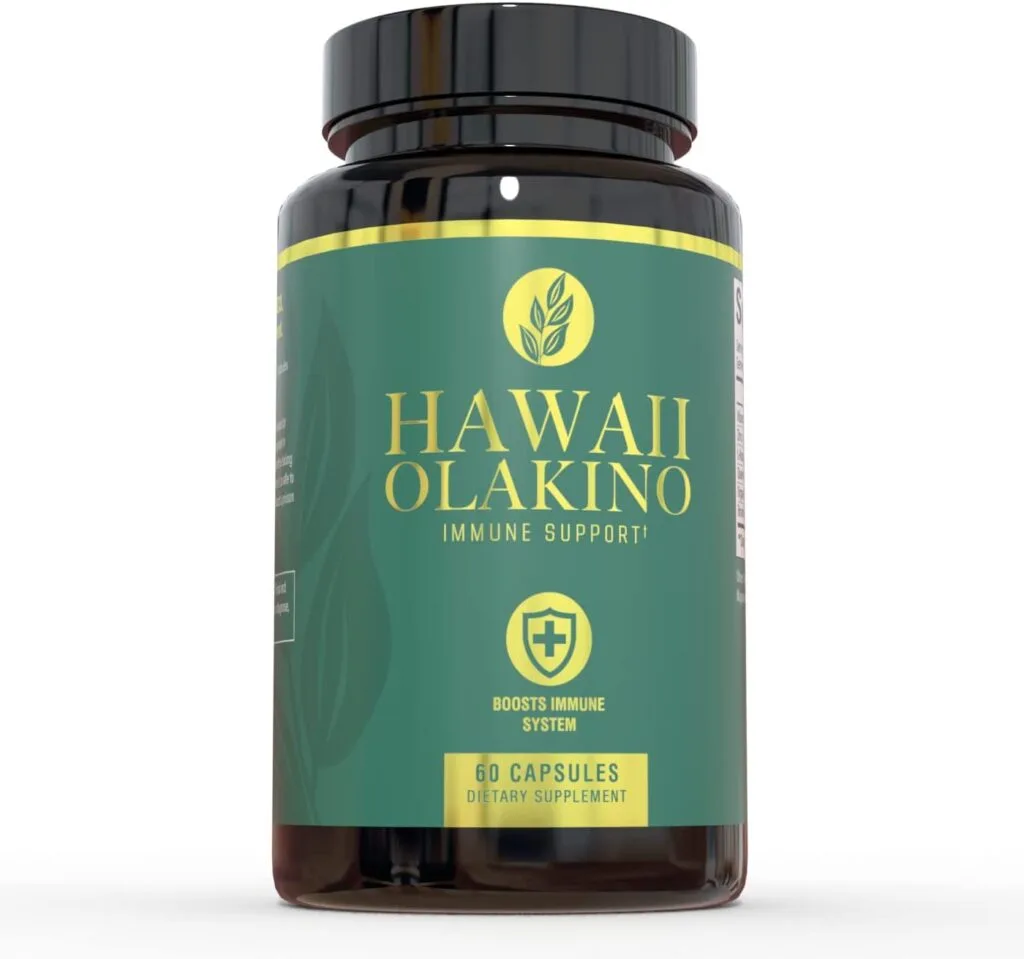

Zinc, Quercetin, Vitamin D3, Ester Vitamin C, and Bromelain are all included in the Hawaii Olakino immune support vitamin. Due to its capability to strengthen the immune system and advance general health and wellbeing, this supplement has grown in popularity. The English translation of the Hawaiian word “olakino” is “health” or “wellness.” But, the term “olakino” may also apply to a person’s mental, emotional, and spiritual well-being, in addition to their physical health. It incorporates the fully integrated, body, mind, and spirit-focused approach to health and wellbeing that is firmly ingrained in Hawaiian culture. Hence, “olakino” may be seen as a condition of equilibrium and harmony between all facets of one’s existence, which promotes general health and well-being.
Conclusion
Colds and the flu, Coronavirus. Autoimmune Conditions. What ties all of these things together? our defense mechanism! The immune system in the body defends against germs including bacteria, viruses, fungi, and toxins that increase our susceptibility to colds, the flu, and even Coronavirus. It also fights against disease-causing microbes. The immune system depends on the circulatory and lymphatic systems of the body to carry nutrients throughout the body and remove pollutants that might harm the body. Living a healthy lifestyle is the greatest approach to maintain your health and a strong immune system. According to research, nongenetic variables account for virtually all of the immune system’s 58%, and you can change these elements every day! Every organ in your body, including your immune system, performs better when fortified by healthy lifestyle choices and shielded from external threats.
* In partnership with our friends at Hawaii Olakino* Photo courtesy of Hawaii Olakino
* These statements have not been evaluated by the Food and Drug Administration. These products are not intended to diagnose, treat, cure or prevent any disease.
* The information available on ewellnessmag.com, including text, graphics, and other materials is for informational purposes only. Reliance on any information in ewellnessmag.com is at the user’s own risk. Sponsored product placement may appear in the article. The visitor of this website acknowledges that the information available on or through ewellnessmag.com is not and is not intended to be a substitute for professional medical advice. Copyright © 2023 Brawo Press, Inc. All rights reserved.