
The world of skincare has witnessed a resurgence of interest in natural ingredients, driven by a growing awareness of their potent benefits. Among these natural treasures, goat milk stands out as a versatile and nutrient-rich marvel, renowned for its ability to nourish and rejuvenate the skin. From luxurious soaps to silky lotions, from revitalizing masks to indulgent creams, goat milk has found its way into a diverse range of skincare formulations. In this in-depth exploration, we embark on a journey through the science behind the exceptional advantages of goat milk in skin products. We will delve into the multifaceted reasons why goat milk has become a cherished and sought-after ingredient, promising radiant, healthy skin to all who embrace its remarkable potential.

Exceptional Moisturizing
When it comes to skincare, nature has provided us with an abundance of ingredients that can work wonders for our skin. One such natural elixir that has gained popularity in recent years is goat’s milk. While it might seem unusual to slather your skin with milk from goats, this centuries-old practice is backed by science and offers a multitude of benefits. From hydrating parched skin to soothing irritation, the advantages of moisturizing with goat’s milk are plentiful and worth exploring. Hydration is the cornerstone of healthy skin, and goat milk excels in this regard. It is rich in fats, including fatty acids and triglycerides, which are highly moisturizing. These fats create a natural barrier on the skin’s surface, preventing moisture loss and helping to lock in hydration. As a result, goat milk-infused skincare products are excellent choices for individuals with dehydrated skin. Goat milk contains alpha-hydroxy acids (AHAs), such as lactic acid. AHAs are renowned for their gentle exfoliating properties. They work by removing dead skin cells from the skin’s surface, revealing smoother and fresher-looking skin beneath. Goat milk-based exfoliating products can provide the benefits of chemical exfoliation without the potential harshness associated with some synthetic ingredients.
Vitamins and Antioxidants
When it comes to the world of dairy, cow’s milk tends to steal the spotlight. But nestled in the heart of this dairy universe is a lesser-known gem – goat’s milk. It’s not just a tasty treat; it’s a nutritional powerhouse loaded with essential vitamins and minerals that can do wonders for your health. So, let’s take a closer look at the delightful cocktail of nutrients that goat’s milk has to offer and why you might want to consider it for your next glass. You know what they say about carrots being good for your eyes? Well, goat’s milk is in on that action too. It’s rich in vitamin A, which plays a crucial role in maintaining good vision, healthy skin, and a robust immune system. Plus, it’s a key player in the growth and development of cells. Feeling fatigued? Goat’s milk packs a punch of vitamin B2, or riboflavin, which helps your body convert food into energy. It’s also a rockstar in the world of skincare, contributing to maintaining healthy skin and eyes.
Vitamin B3, also known as niacin, is a vital nutrient for maintaining healthy nervous and digestive systems. It plays a crucial role in converting food into energy, and you’ll find a fair share of it in goat’s milk. Pantothenic acid, or vitamin B5, is a multitasking nutrient found in goat’s milk. It’s a key player in maintaining healthy skin, hair, and eyes. Additionally, it’s involved in the production of red blood cells and the conversion of food into energy. Now, let’s talk about the star of the dairy show – calcium. Goat’s milk is a fantastic source of this bone-strengthening mineral. Calcium is not just about building strong bones; it also helps with muscle function, nerve transmission, and blood clotting. Goat’s milk contains selenium, a trace mineral that acts as a powerful antioxidant. Selenium helps protect your cells from oxidative damage and supports your immune system.

Phosphorus, often overshadowed by calcium, plays a crucial role in bone health, just like its calcium counterpart. It’s also involved in energy metabolism and maintaining a healthy pH balance in your body. Zinc is another essential mineral found in goat’s milk. It’s involved in various bodily processes, including immune function, wound healing, and DNA synthesis. Potassium is vital for maintaining proper heart and muscle function, as well as supporting healthy blood pressure levels. Goat’s milk provides a good dose of this important mineral. Copper, while needed in smaller amounts, is crucial for the formation of red blood cells, maintaining healthy bones and nerves, and supporting your immune system. In a world filled with dietary options, goat’s milk stands out as a nutrient-rich choice. It’s a creamy, delicious source of essential vitamins and minerals that your body craves. So, whether you enjoy it in a glass, pour it over cereal, or incorporate it into your cooking, know that you’re savoring a dairy delight that’s not just tasty but also incredibly nourishing. Goat’s milk is a reminder that sometimes, the lesser-known options can pack a nutritional punch that’s worth exploring for your health and well-being. Cheers to the goodness of goat’s milk!
[restrict]Goat’s Milk and Anti-Aging
Who doesn’t yearn for that radiant, lit-from-within glow? Well, goat’s milk is like a secret beauty weapon that can help you achieve just that. It contains a gentle exfoliator called lactic acid, which works its magic by gently sloughing off dead skin cells, unclogging pesky pores, and even out your skin tone. It’s like a breath of fresh air for your skin, revealing the youthful, luminous you that’s been hiding underneath. Skincare isn’t just about slathering stuff on the surface; it’s about feeding your skin from the inside out. And guess what? Goat’s milk is packed with skin-loving nutrients that your dermal layers adore. With vitamins like A, B2, B3, and B5, along with minerals like selenium, it’s like a feast for your skin cells. These goodies help your skin stay happy, support its natural repair processes, and keep it strong and resilient.
Let’s face it; we all want to age gracefully. That’s where goat’s milk swoops in as a superhero. It’s like the fairy godmother of skincare, waving her magic wand to stimulate collagen and elastin production. These two proteins are the real heroes behind that firm, bouncy, youthful skin you covet. With more collagen and elastin, goat’s milk helps you reduce the appearance of fine lines and wrinkles. So, you can keep rocking that ageless beauty with confidence. In the dizzying world of skincare, it’s easy to be enticed by flashy promises and complex concoctions. But sometimes, less is more, and simplicity is key.
Crazy Goat Soaps:
Welcome to Crazy Goat Soaps, where they are convinced that nature can improve your skin. Their guiding principle is to utilize natural products in their most pure, unadulterated state to maximize their real, astonishing benefits. Bid harsh chemicals farewell and welcome the goodness that comes from nature.
Crazy Goat Soaps: Positive Vibes Soap Bar
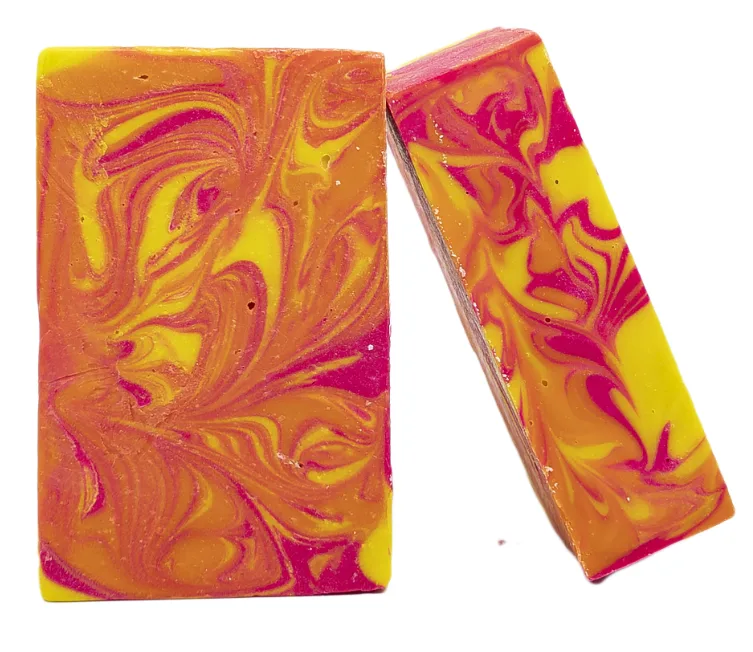
Positive Vibes triple butter soap bar will help you lather up while chasing away the blues. This goat’s milk soap bar will help you forget your concerns while washing away filth and worry. This goat milk soap bar, made with three distinct types of skin-loving butter and hemp seed oil, will expose your gentler side. This soap bar will make you happy with its lemon, lime, jasmine, and pineapple smells.
Crazy Goat Soap: Sweet Vanilla Shave Butter
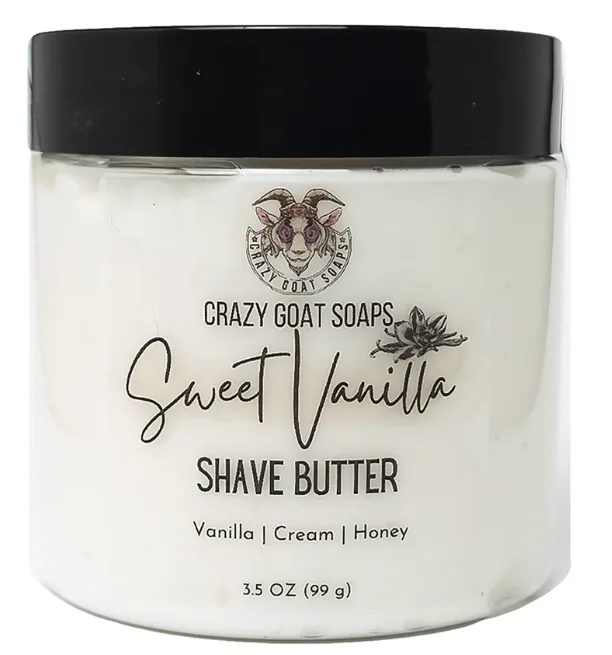
You must include this in your goat milk skincare product collection, and you will notice a difference while shaving with this creamy, Sweet Vanilla Goat’s milk whipped shave butter. The shea butter, hemp seed oil, cocoa butter, and whole goat’s milk in this fluffy, lightweight cream will leave your skin nourished, smooth, and hydrated.
Reasons Why Goat Milk Will Take The World By Storm
In the ever-evolving world of skincare and wellness, some trends come and go, while others seem destined for greatness. Among these, one trend is steadily gaining momentum, and it’s poised to become the next big thing: goat’s milk. From skincare enthusiasts to health-conscious consumers, people are turning to this unassuming yet powerful elixir for a variety of reasons that resonate with our human desire for natural, practical solutions.
In a world where the ingredients list of skincare products often resembles a chemistry experiment, the simplicity and purity of goat’s milk are captivating. Human beings have an innate affinity for the natural, and goat’s milk aligns perfectly with this preference. It’s unadulterated and free from harsh chemicals and synthetic additives, which instantly makes it more appealing to those seeking a wholesome approach to skincare.
In an era where self-care is more important than ever, goat’s milk offers something truly remarkable: it’s a source of gentle hydration and soothing relief. It has the extraordinary ability to quench thirsty skin without irritating it, making it a treasure for those with sensitive or troubled complexions. The human skin craves this kind of tender care, and goat’s milk delivers in spades.
There’s a certain wisdom in practices that stand the test of time. Goat’s milk isn’t a trendy newcomer; it’s a time-honoured tradition that spans centuries and crosses cultures. It’s this enduring legacy that speaks to the human desire for tried-and-true solutions. It’s as if generations of our ancestors whispered to us, “Trust in the nourishing power of goat’s milk.” From moisturizers to soaps and even delectable dairy products, goat’s milk boasts versatility that appeals to our modern lifestyles. Whether you’re slathering it on your skin to achieve that coveted glow or savoring it in a creamy cheese, goat’s milk seamlessly integrates into our daily routines, making it an easy choice for those seeking holistic wellness.
In an era marked by growing environmental awareness, goat’s milk aligns with the human desire to make eco-conscious choices. Goats are known for their low environmental impact, requiring less space and resources compared to larger livestock. This sustainability aspect resonates with individuals looking to reduce their carbon footprint while enjoying the benefits of a natural product.
As we navigate the complexities of modern life, it’s only natural that we gravitate toward solutions that are simple, effective, and grounded in tradition. Goat’s milk encapsulates these qualities, making it a frontrunner in the quest for healthier skin and a more mindful approach to self-care. So, as we embrace the goat’s milk revolution, we’re not just following a trend; we’re embracing a natural evolution towards a more nourished and sustainable future. It’s a journey that resonates with the very essence of what it means to be human – the desire to care for ourselves and our planet in the most wholesome way possible.
In conclusion, goat milk has rightfully earned its place as a prized and cherished ingredient in the world of skincare. Its multifaceted benefits, ranging from exceptional moisturization to gentle exfoliation, from a rich nutrient profile to soothing properties, have captured the attention of skincare enthusiasts and experts alike. Whether you seek to hydrate dry skin, combat signs of aging, or simply indulge in a natural skincare experience, goat milk-infused products offer a holistic approach to achieving radiant and healthy skin. The rich history and modern recognition of goat milk as a beauty secret hold a promise of rejuvenation and vitality for all who choose to embrace its transformative potential. With each application, you unveil the profound beauty that emerges when nature and science converge, leaving you with skin that radiates health, well-being, and the timeless allure of pure natural beauty.
[/restrict]