
She is already late enough that everything has become slightly faster than it was supposed to be. The coffee is ready, but she hasn’t poured it. Her phone is face-down on the kitchen counter, vibrating every few minutes. There is a half-open laptop on the table, a piece of toast going cold beside it, and somewhere upstairs, the shower is still running.
She opens the cupboard looking for the mug she wants.
The vitamins are there too. All of them, lined up behind a box of tea. She sees the bottles and pauses. “I haven’t taken those.” For a second, she considers reaching in. Then she looks at the time. “Tonight,” she tells herself as she closes the cupboard.
By tonight, she may remember again. Or she may not. Sometimes we struggle because the things we care about have to compete with everything else. The difference between a habit that happens and one that disappears comes down to whether we can see it.

When the Things We Need Get Put Away
In 2021, an Austin-based digital product designer Anya found herself taking a number of vitamins and supplements and wanting to become more consistent with them. The intention was there. The routine just wasn’t sticking.
Her bottles were kept inside a cabinet because she didn’t like having them sitting out on the counter. The solution created a familiar problem: once they were tucked away, they were easy to forget.
So, she started looking for a weekly pill organizer that could stay visible.
The organizers she found were often bulky, clinical and overly medical-looking. They solved the practical problem, but they didn’t necessarily make the ritual feel like something worth returning to.
The question that followed was simple: Why did taking vitamins have to feel clinical? It became the starting point for SUUP.
The Things We See Become Part of the Day
Think about how many of our wellness habits are attached to objects. A pair of sneakers left by the door can become an invitation to walk. A water bottle on a desk is easier to reach for than one buried in a cupboard. A book left beside the bed can quietly remind us to read before sleep.
The object itself isn’t creating the habit. It is creating a cue.
For routines involving supplements or vitamins, that can be particularly useful. Instead of remembering that something is hidden behind the tea, the routine becomes part of the environment.
SUUP approaches that idea with an understanding that wellness isn’t one giant project. It is made up of small things that, together, become a way of caring for ourselves.

The Weekly: A Routine Given a Place
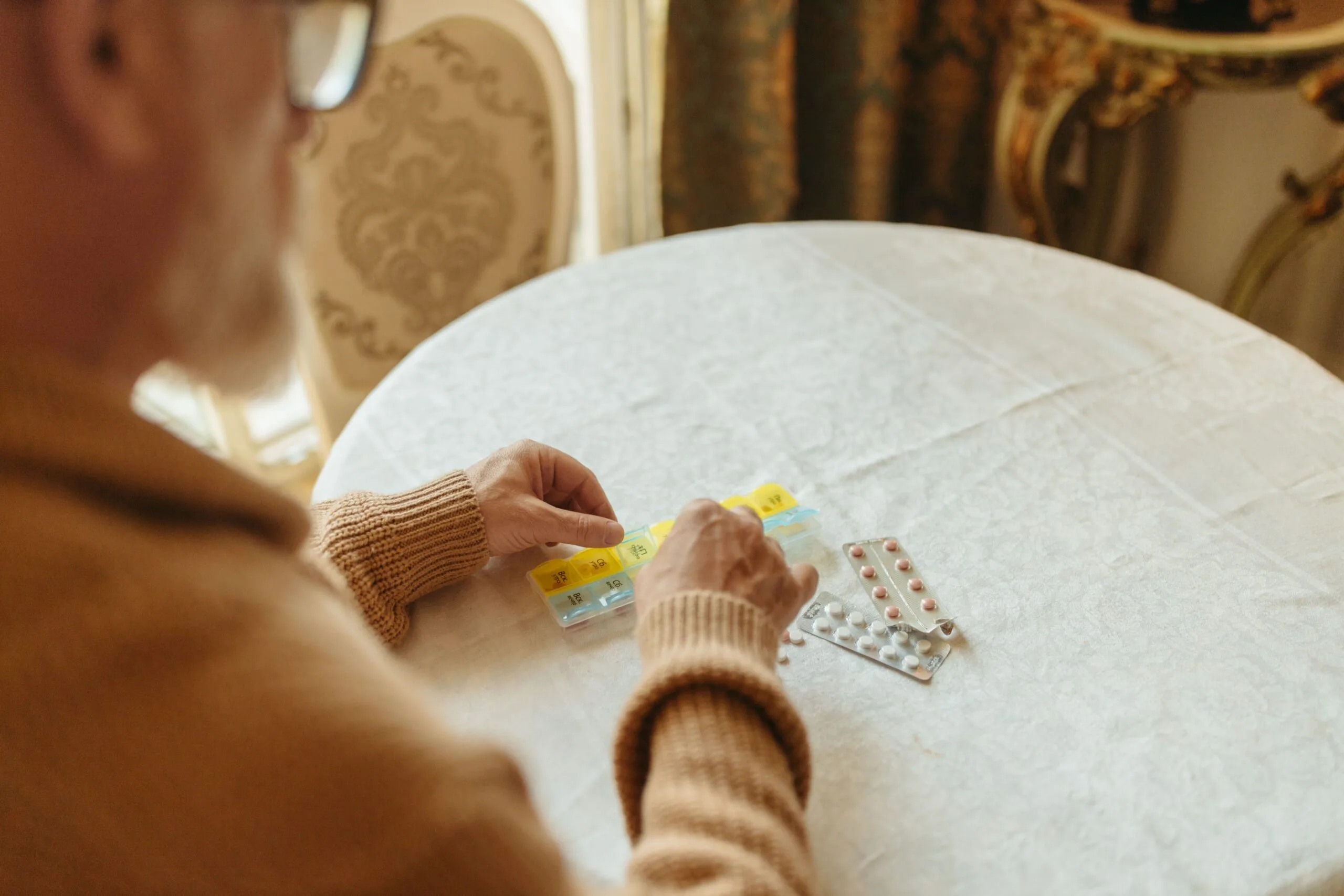
SUUP’s first product, The Weekly, is a seven-day pill organizer designed to make that everyday ritual feel considered.
Its slim profile means it can live naturally on a nightstand, bathroom counter or desk. It can also travel easily in a bag, with a travel band included to provide an added layer of security when you’re away from home.
For SUUP, the details matter because the product isn’t intended to be another object that gets shoved into a drawer. It is meant to be seen.
The Weekly is available in a small palette inspired by nature, including Palm and Slate. Palm has a softer, organic quality, while Slate feels understated and grounded. Along with Cream, the colors were chosen to complement a space. That can change the feeling of the ritual.

Wellness Doesn’t Have to Look Like Wellness
So much of modern wellness comes with a visual language of its own: pristine kitchens, complicated supplement routines, matching containers, elaborate morning rituals and an ever-growing list of things we’re told we should be doing. It can become another form of pressure.
SUUP isn’t interested in telling people there is one right way to be well. Its founder sees supplementation in a much broader sense. A supplement doesn’t necessarily have to be something you swallow. It can be anything that adds something nourishing to your life.
The word itself becomes less about products and more about possibility.
The Ritual We Actually Come Back To
There is a reason rituals tend to feel different from routines. A routine can sound like something we have to complete whereas a ritual can feel like something we return to.
That small shift in language can change how the action feels. When caring for yourself becomes associated with a small, familiar moment, it can become less like work. Perhaps that is what thoughtful design can do at its best. It can change the atmosphere around an action.
The vitamins and supplements haven’t changed. The reason for taking them hasn’t changed. What changes is the experience of reaching for them.
What We Leave Within Reach
We tend to think of clutter as something that should be put away and sometimes, of course, it should. A clear counter can make a room feel calmer, but not everything visible is clutter. Some things are reminders or invitations.
Maybe that is the more thoughtful way to think about the objects surrounding our daily wellness routines. Not everything needs to be hidden simply because it belongs to the category of health. If something helps us care for ourselves, perhaps it deserves a place in our everyday environment. That doesn’t mean turning the home into a wellness showroom. It means noticing the relationship between our surroundings and our intentions.
How to Make a Habit Easier to Remember
There is a useful question to ask when a habit keeps slipping away: What happens immediately before I’m supposed to do it? Often, the problem isn’t a lack of motivation. It is that the cue has disappeared.
A few small changes can make a surprising difference:
- Put the habit where the habit already happens:
If something belongs to your morning routine, place it somewhere you naturally look in the morning. If it belongs to your evening routine, let it live near the part of the house where you wind down. The goal isn’t to create another destination. It is to connect the habit to one that already exists. - Use one action as the reminder for another:
Instead of relying on memory alone, attach a new behavior to something that is already automatic. Morning coffee, brushing your teeth, feeding the dog or plugging in your phone can all become natural prompts. The existing habit does the remembering for you. - Make the desired action easier than the alternative:
If something requires opening a cupboard, finding a bottle, reading several labels and measuring out what you need, there are more opportunities for the routine to disappear. Preparing things in advance and reducing unnecessary steps can lower that friction. - Keep visibility from becoming overwhelming:
There is a difference between a useful cue and visual noise. You don’t need every wellness product you own sitting on the counter. Choose the things you are actively trying to remember and give them a deliberate place. Visibility works best when it feels calm rather than cluttered. - Let the system fit your real life:
A routine that works beautifully on a quiet Sunday morning may fall apart on a weekday when everyone is rushing out the door. The best habit system isn’t the most elaborate one. It is the one that still works when the day is ordinary, busy and imperfect.
This is where design becomes more interesting than organization. The aim isn’t simply to put things in order. It is to remove a little of the friction between intention and action.
Because sometimes the most helpful reminder isn’t another notification on a phone. It is the thing you need, sitting quietly in the place where you are most likely to see it.
Back to the Kitchen
The next morning, she is late again.
The coffee machine is running. Her phone is vibrating. The toast is in the toaster, and she is trying to remember whether she answered the message she meant to answer last night.
She walks into the kitchen and stops. There, on the counter, is the thing she almost forgot yesterday. She doesn’t have to open the cupboard or move the tea. She simply reaches for it.
The morning doesn’t suddenly become slower. There is still coffee to pour, a shower to finish and a day waiting on the other side of the front door.
But this one small act has found a place inside it, and maybe that is what wellness looks like more often than we give it credit for.
A small act of care made visible enough to remember.