

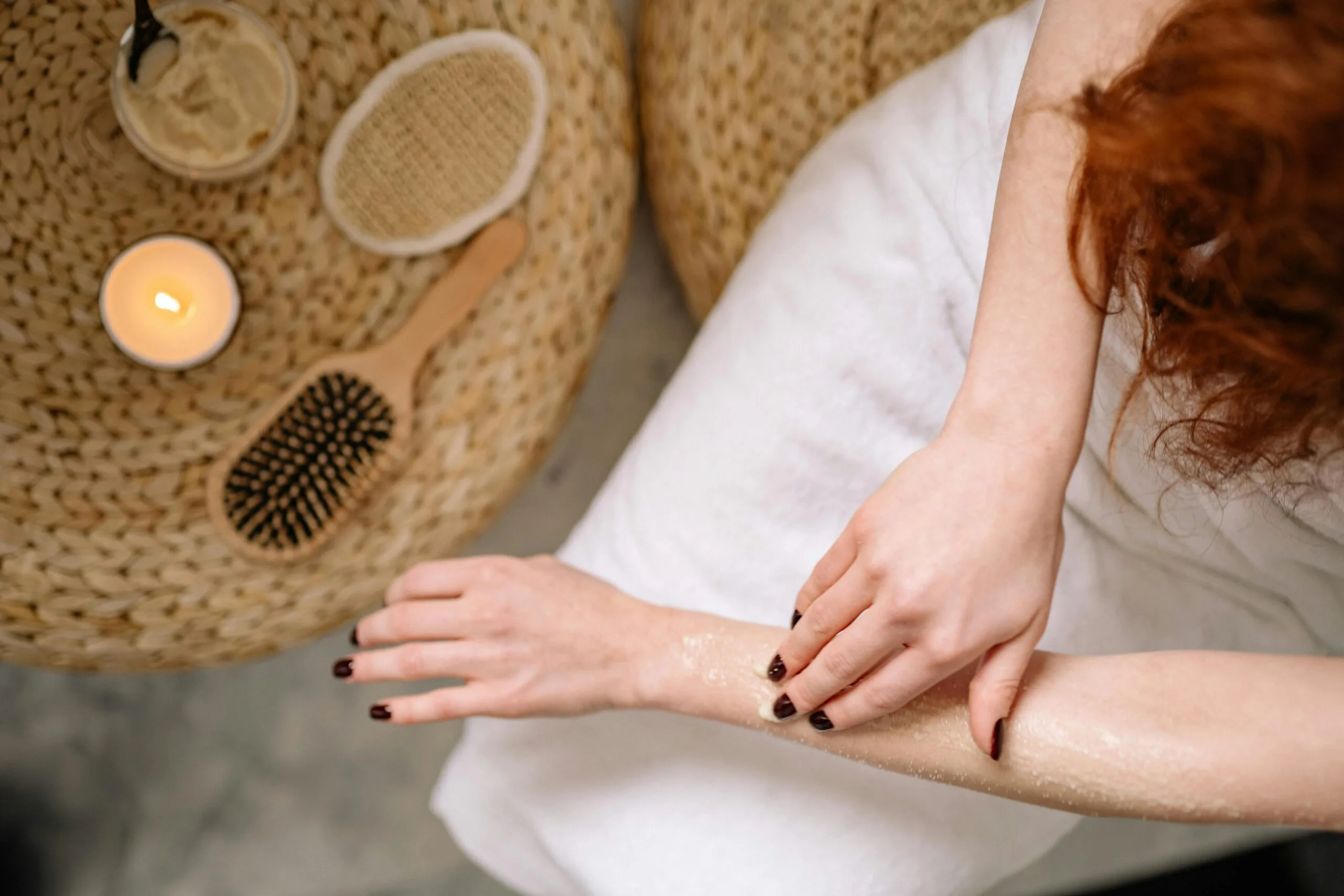
A jar of cream has a habit of becoming part of the furniture. It begins with a designated spot: the bathroom shelf, perhaps, or beside the bed. Then one evening it gets carried to the kitchen because the skin around a thumb has started splitting. The next morning it is left there. A few days later, someone picks it up before going outside. Eventually it turns up on a desk, in a suitcase, or beside the sink at work.
It becomes the thing everyone knows where to find. That is how most genuinely useful objects enter our lives. They earn their place through repetition.
A little cream worked into hands after washing dishes. A fingertip smoothing something over a dry patch before pulling on a sweater. Small gestures, almost too insignificant to call rituals.
They are the moments when care becomes real.
Skin does not spend its days in a perfectly controlled bathroom. It meets cold steering wheels in the morning, office keyboards, dog leashes, and hand soap used one more time than expected. The most interesting skincare is the one that disappears into the rhythm of the day so completely that reaching for it becomes almost automatic.
That philosophy sits naturally within Worker B, a Minneapolis-based company that has been creating hive-derived products since 2009. Its approach is rooted in the useful materials produced by bees and in the idea that good formulations do not necessarily need a long list of ingredients to earn their place.

Why Simple Skincare Ingredients Can Be So Useful
The ingredient label has become a strange kind of literature. We read it looking for reassurance. We search for recognizable words and scan for ingredients we have learned to love and others we have been told to avoid. It is human nature to compare percentages, delivery systems, acids, peptides, oils, extracts, and actives.
Ingredient literacy has given consumers more power, but there is also relief in a formulation that doesn’t require a glossary to understand what’s inside. Worker B Cream contains just two ingredients: organic olive oil and beeswax. The company describes the cream as suitable for sensitive skin and versatile enough for hands, body, feet, and face.
Olive oil has a long history in traditional skincare, valued for its emollient qualities. Beeswax brings a different function. As an occlusive ingredient, it can help create a protective layer that reduces water loss from the skin’s surface. Together, they make sense in the most practical way.
The cream is designed to be used sparingly for everyday care or more generously as an overnight treatment. The company also suggests it for hardworking hands, and even for dry or sore pet paw pads.


When Skin Needs a Little More
There is a difference between skin that feels a little dry and the small irritations that appear after repeated washing, exposure to the elements, friction, or a long day spent working with your hands.
This is where Worker B All-Purpose Balm takes the same practical philosophy a step further.
The balm combines beeswax with organic olive oil, organic almond oil, organic avocado oil, raw honey, propolis tincture, and vitamin E oil. Worker B positions it for lips, cuticles, hands, and small areas of irritated, dry or rough skin.
Beeswax is known for its use in topical preparations because it can provide a protective barrier on the skin. Plant oils can contribute emollient qualities, helping soften and condition dry areas. Honey is a naturally humectant substance, meaning it has an affinity for water. Propolis, the resinous material bees collect and use within the hive, has also attracted considerable interest for its diverse compounds and traditional use in skincare.
The formulation reflects a familiar logic: combining ingredients with complementary roles can keep a product useful without making unrealistic promises.
The balm comes in a recyclable metal tin and carries the brand’s natural, unscented character.

We Underestimate the Importance of Small Repairs
There is a tendency to think of wellness in large gestures like a new exercise program or a complete dietary overhaul. Life is shaped by small corrections: drinking water before becoming thirsty or going to bed instead of scrolling for another hour.
They don’t make miraculous transformations, but they do reduce unnecessary discomfort. Skincare can belong to that same category.
There is something deeply human about taking care of what might otherwise be overlooked. A dry cuticle may seem insignificant, but anyone who has caught one on a sweater knows how quickly it can become impossible to ignore.
Small acts of self-care accumulate.
What the Hive Understands About Enough
The bee is an unusual symbol for modern wellness because the hive operates according to a principle we often forget: resources have a purpose. Beeswax builds, honey nourishes, and propolis helps maintain the hive’s environment.
Worker B draws inspiration from that world, and the connection feels especially relevant now. We have spent years being taught that better means newer, more advanced, more specialized, more ingredients, more steps. Adding more and constantly optimizing doesn’t necessarily make something better. The ingenuity is knowing what not to add.
The Return to Familiar Things
As humans, we find comfort in products that become associated with ordinary parts of our lives, whether it’s the cream you reach for after washing dishes or the little jar someone in the family discovers for their own dry hands. These objects become part of the texture of a household. They are practical and that deserves a little more admiration than we give it.
Worker B Cream and All-Purpose Balm are not positioned as solutions to everything. They are thoughtfully formulated products built around familiar, hive-derived ingredients and designed for the kinds of skin moments that happen every day.

Care Does Not Have to Be Complicated to Be Meaningful
Confidence grows when you find something that works well enough that you stop looking for its replacement. It doesn’t necessarily mean it’s the newest product on the market; it is the one that fits seamlessly into your life.
Skin does not need to become a project every time it feels dry, and hands do not need a twelve-step ritual because you spent the afternoon gardening. Care can be as simple as opening a jar and applying a little cream or reaching for a balm after a long day and realizing that your hands feel better.
The most sustainable wellness habit is the one that asks only that you remember it is there. The things we touch without thinking about deserve that kind of care. Our hands, feet, lips. And skin. The parts of us carrying us through ordinary days.
Every once in a while, wellness is about recognizing the usefulness of something simple, and letting enough be enough.