
The shampoo bottle was almost empty. She tipped it upside down, shook it once, then twice, trying to coax out enough for one more wash. There was always a little left. Not enough to use comfortably, but enough to make throwing the bottle away feel strangely wasteful. She set it back on the ledge.
Next to it was a body wash bottle. Nearly empty too.
Under the bathroom sink, there were others.
It was one of those completely ordinary household moments that usually passes without a second thought. The shampoo runs out, the bottle goes into the bin, and a new one takes its place. The same thing happens with soap, conditioner, hand wash and cleaning products. None of it feels particularly significant because each individual bottle is so small, but add them together over a year, and suddenly the bathroom tells a different story.
Most of us have never really been taught to think about what happens to the things we finish. We think about what they did for us. The container is usually just the thing that remains after the useful part is gone. Adriana began asking a different question: what if the container didn’t have to be finished at all?
That question eventually became usefull, Dallas’s first dedicated zero-waste refillery, founded on a simple idea that feels almost radical in its simplicity: keep the bottle, refill it, and use it again.

The Journey to usefull
The story behind usefull began much earlier.
When Adriana was around ten years old, she stood on a beach in the Galápagos Islands, surrounded by ancient volcanic landscapes and wildlife that made a lasting impression on her. She remembers being so awed that she had no words for it. That childhood experience stayed with her through adulthood and eventually became part of the reason she wanted to build a business that made caring for the natural world more practical.
Years later, after moving several times before settling in Dallas, she became increasingly conscious of the amount of everyday household waste she was creating. She wanted somewhere she could refill basic products such as shampoo and soap rather than continually purchasing new plastic containers. There wasn’t one.
So, she created it.
After a 15-year corporate career spanning areas including marketing, operations and strategy, and after earning an MBA, Adriana launched the company during the pandemic, initially through farmers’ market pop-ups. The response told her she wasn’t the only person looking for a different way.
Gradually, a pop-up became a permanent store in Oak Cliff.
What makes the story compelling is that usefull asks people to look at something they already do: buying shampoo, washing their hands, and cleaning their homes. Then consider whether the same ritual could create less waste.

When the Shower Becomes a Small Ritual
A shower can be many things. For some people, it is five hurried minutes before work. For others, it is the first quiet moment of the day. Sometimes it is where a tired mind finally catches up with itself.
The bottles along the edge of the tub quietly become part of the rhythm of the day.
The Balancing Shampoo with Rosemary & Mint brings that everyday perspective to hair care. Designed for all hair types, the shampoo contains ingredients including rice bran oil, passion fruit seed oil, acai fruit oil, panthenol and vitamin B complex. Rosemary and mint essential oils give it a fresh, herbal character, while the formula is described by the brand as vegan, cruelty-free and made without parabens, phthalates or mineral oils.
There is another detail that changes the experience. The bottle does not have to be the end of the story. Instead, it can return to the store and be refilled. A bottle that would ordinarily be thrown away becomes something worth keeping on the shelf.
A Bathroom Without Quite So Much Packaging
There is an even simpler way to reduce packaging: choose something that doesn’t need a bottle in the first place.
The Handmade Body Soap Bar brings personal care back to one of its most uncomplicated forms.
Made in small batches by a local master soap maker, the bars use ingredients such as organic shea butter, organic mango butter, babassu oil, olive oil, castor oil, essential oils and botanicals. The collection includes scents ranging from Lemongrass and Lavender to Citrus Yuzu, Pear Pomegranate and Wild Cedar + Mint, along with an unscented Super Shea option.
The bars are intentionally minimally trimmed, too. That means their edges may not look perfectly uniform, but that small irregularity is part of the point. Less is removed simply to make the bar look manufactured to identical specifications. It is an appealing philosophy in a culture that often mistakes perfection for quality.

The Wellness of Knowing What You Use
There is something reassuring about knowing what comes into the home, especially when those products become part of an everyday routine.
That might mean choosing a shampoo with ingredients that feel familiar or reaching for a solid soap instead of another plastic bottle.
The brand’s approach brings these ideas together.
The brand says its refill products are plant-based, cruelty-free and free of parabens and phthalates, with unscented options available. Its selection extends beyond personal care into household cleaning, laundry, dish care and other lower-waste staples.
Its greatest contribution is the curation. Adriana researches the products carried by the store so customers don’t have to sort through endless sustainability claims, confusing labels and greenwashing on their own. The result is intended to be a judgment-free environment where someone can make one small change without feeling that they need to become an entirely different kind of consumer.
Sustainable living can easily become another area where people feel they are failing. usefull offers a gentler starting point: the bottle already sitting in the bathroom.
Small Decisions, Kept Over Time
There is no one moment when someone becomes a sustainable person. Usually, there is just a series of small decisions. The empty bottle that gets saved. The soap bar that replaces a plastic bottle. The shampoo that gets refilled rather than replaced. The decision to buy something because it is genuinely needed, rather than because a newer version has appeared. Over time, those choices become habits, and habits have a way of becoming part of the identity of a home.
That is visible in the company’s growth. The company says its customers have diverted more than 10,000 plastic bottles from waste streams, while its returning-customer rate reflects the fact that refilling can become something people genuinely incorporate into their routines.

Back to the Bottle
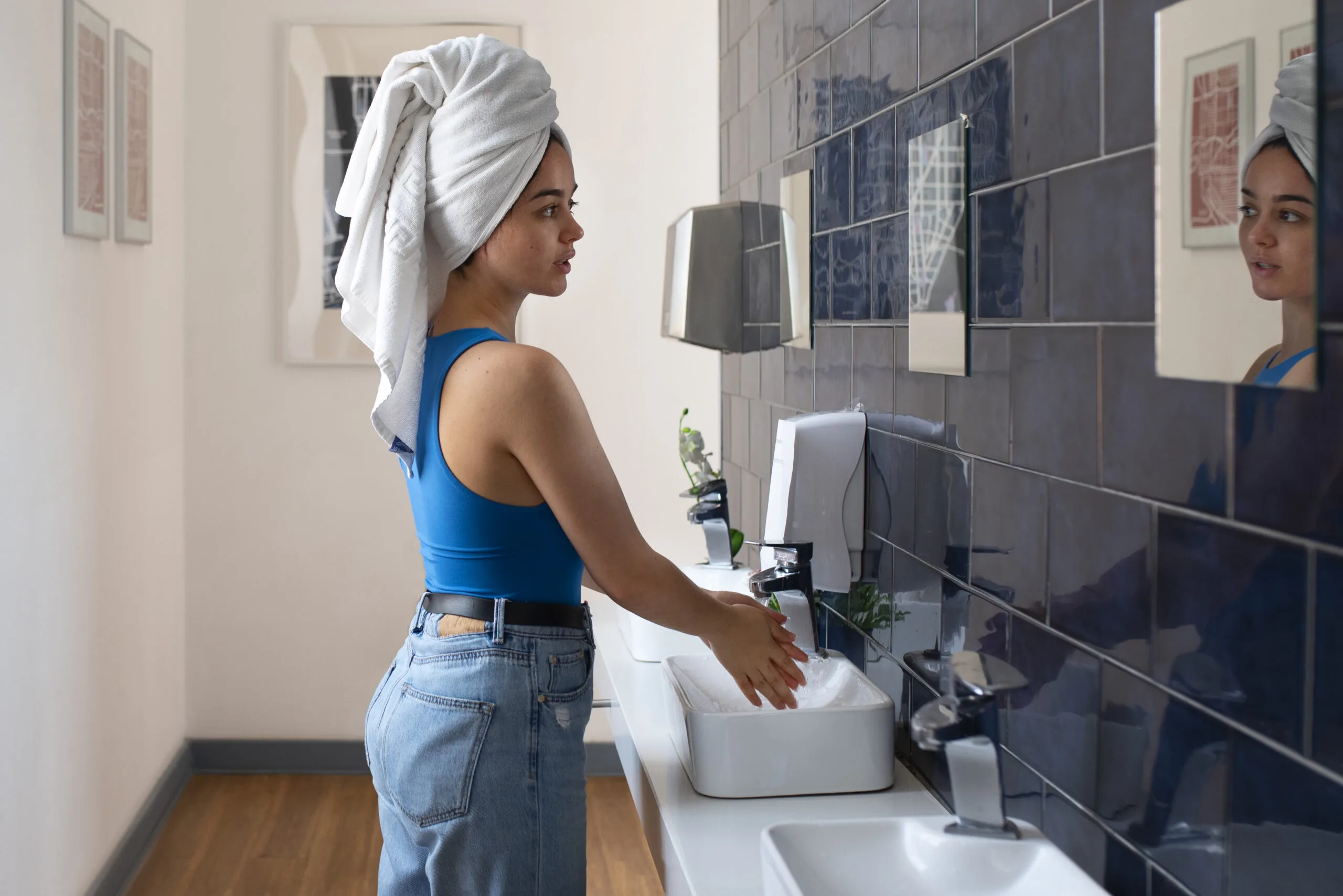
Eventually, the shower ends. The water stops. The room begins to cool. A towel is pulled from the hook, and the day starts moving again. The shampoo bottle goes back onto the ledge, but perhaps this time, it is no longer just a container that happens to be there. It is something that will be used again. That small change captures something important about usefull’s story.
Adriana’s environmental conscience began with a childhood encounter with a natural world that felt almost impossibly beautiful. Decades later, she found herself looking at something much smaller: the ordinary plastic bottles accumulating in her own home.
The distance between those two moments is enormous.
The idea connecting them is not.
Care for the natural world begins with paying attention to something ordinary. A bottle on the bathroom ledge. A bar of soap beside the sink. A product used every morning without much thought. Sometimes, caring means simply pausing before throwing something away and asking whether its story really has to end there.