
In the quest for flawless skin, the face often becomes the center of attention. In pursuit of that flawless sheen, one follows a meticulous regimen of serums, essences, and moisturizers. What if the secret to radiant shine had been lying in plain sight, handed down from Japanese sake brewers from generation to generation? Unbeknownst to them, these brewers were relying on an old Japanese tradition that contains the key to achieving total body brightness.
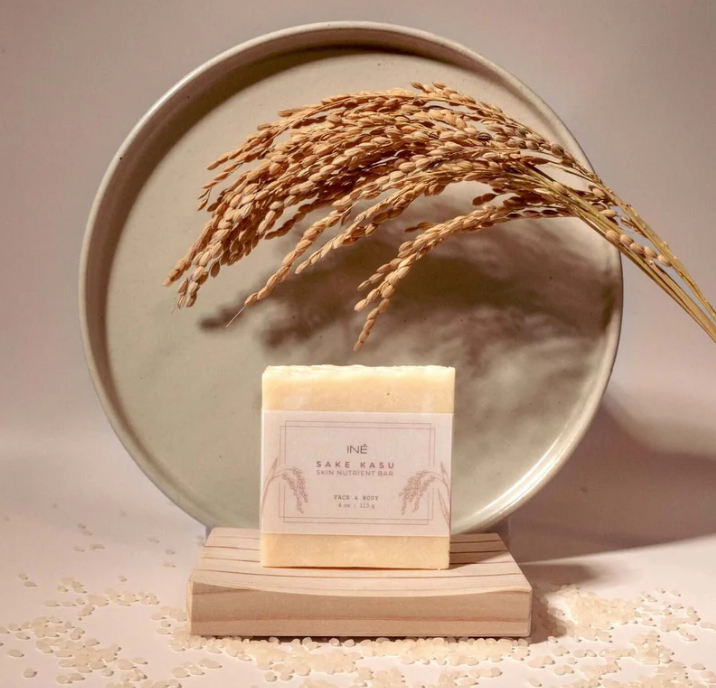
Introducing INÉ, a game-changing beauty brand that combines eco-conscious methods with the age-old knowledge of Japanese skincare traditions. The revolutionary Skin Nutrient Bar is the workhorse of the company; it is a fermented skincare necessity enhanced with Sake Kasu, a nutrient-rich byproduct of sake production. This game-changing skincare adventure revolves around the Skin Nutrient Bar. Why is it so extraordinary, then? Throughout the globe, people are raving about this one easy way to hydrate, soothe, and strengthen their skin.

Revealing the Japanese Brewery’s Beauty Secrets
The tale starts in the long-gone sake distilleries of Japan, where the skill of fermentation has been refined through the ages. The folks good at this, called Toji, have been doing it for years in cold weather, but their hands still look young and supple. Researchers have shown that their ongoing contact with Sake Kasu, a fermentation byproduct of sake, is responsible for their almost eternal youthful appearance.
After pressing sake, the fermented rice mash is called Sake Kasu (酒粕). Because of its nutritious density, it provides several skin benefits. While delicately exfoliating, this natural miracle increases collagen formation, diminishes fine wrinkles, and delivers extreme moisture. As a rejuvenating elixir for the skin, Sake Kasu is rich in bioactive components, including kojic acid, succinic acid, ferulic acid, beta-glucans, ceramides, GABA, and peptides.
However, Sake Kasu is not merely a component; it is a priceless artifact with deep roots in Japan’s past. From culinary treats to face masks and bath soaks, its uses have been varied and extensive for ages. Up until this point, very little was known about its incredible skincare potential.
[restrict]Harnessing the Power of Fermentation Science for Skincare
The power of fermentation to enhance the natural flavors of materials has long been cherished in Japanese culture. The fermentation process of Koji rice enzymes reduces the molecular size of the nutrients, allowing them to be more easily absorbed by the skin. The Skin Nutrient Bar provides a potent and easily absorbed combination of vitamins, amino acids, and antioxidants with every usage, in contrast to raw rice extracts.
It is well-known that fermented substances can help the skin’s pH levels stabilize, promote cellular regeneration, and restore the skin’s natural microbiota. According to research, the natural acids in Sake Kasu are a mild substitute for chemical exfoliants because they remove dead skin cells without stripping the skin of its natural oils and without stripping it of its moisture. Less oil and a more luminous complexion are the final results.
An Eco-Friendly, Simplified, and Effective Plan for INÉ
Upon realizing Sake Kasu’s full potential, INÉ’s visionary founder, Stephanie Houng, underwent a change in her outlook. In Japan, she joined with sake brewers and fermentation specialists to satisfy her interest in fermented rice water. What at first glance appeared to be nothing more than “fermented rice water” is sake, a skincare marvel with anti-aging characteristics derived from the age-old art of Koji fermentation.
After much digging, Stephanie found a skincare secret that had been left in the dust in favor of high-end sake-based treatments like Pitera by SK-II. Sake Kasu preserves all 300 bioavailable components, unlike watered-down sake extracts. Among these, more than 100 are known to enhance the skin’s look. However, this potent component was mostly unknown on a global scale.
It became evident to Stephanie that she had to make Sake Kasu accessible to everyone. She ensured that everyone may experience the miraculous effects of this fermented component by creating the Skin Nutrient Bar. By condensing centuries of Japanese beauty knowledge into a single bar, INÉ reimagines self-care as easy, soothing, and effective.
A Versatile Enhancement for Radiant Skin: The Skin Nutrient Bar
Soaps that are too drying and abrasive on the skin have their day in the past. Transform your regular face wash into a rejuvenating routine with the Skin Nutrient Bar. Use after use will impart the same rejuvenating properties into your skin that have long been used to keepsake brewers’ hands appearing young.
Vital Components and How They Help the Skin:
• The wonder serum Sake Kasu (fermented rice mash) has peptides that make skin firmer and more supple, ceramides that mend the skin’s natural barrier, and kojic acid that subtly lightens and homogenizes skin tone.
• In addition to moisturizing and soothing sensitive skin, glucans, which are naturally occurring humectants, reduce redness and inflammation.
To combat free radical damage, these powerful antioxidants (ferulic acid and succinic acid) aid the skin’s natural repair process and give the impression of younger skin.
• The anti-aging effects of gamma-aminobutyric acid (GABA) include a more youthful appearance for the skin by reducing the visibility of wrinkles and fine lines.
• Skin Nutrient Bar isn’t like other soaps; it makes a thick, silky foam that moisturizes and exfoliates without drying out the skin. With this mixture, cleaning your face is a delightful and indulgent experience. It will leave even the most delicate skin feeling supple and moisturized, not tight and dry.

Sustainable Practices from the Ground Up
In addition to their dedication to skin health, INÉ is deeply concerned about environmental sustainability. In keeping with its zero-waste philosophy, the business uses Sake Kasu, a waste product from sake production. With this eco-friendly method, you can be sure that every Skin Nutrient Bar is good for your skin and the environment.
Using Sake Kasu, INÉ pays homage to the virtue of circularity by thoughtfully considering every stage of sake production. By reducing waste in the sake brewing sector, this sustainable strategy helps establish a more responsible and environmentally conscientious beauty standard.
Restorative Radiance for Your Entire Body
Although there is more to beauty than meets the eye, the Skin Nutrient Bar will ensure that your skin, the biggest organ in your body, gets the TLC it needs. The glowing effect of this bar will last long after you’ve finished using it in your skincare routine. No matter what time of day you use it, your skin will be left feeling silky smooth and gorgeously glowing.
Upon initial application, one might observe a change. A sumptuous and soothing experience is enhanced by the thick lather that builds as the bar dissolves, the gentle scent of fermented rice that envelops you, and the softness and moisture that persist after rinsing. Taking care of your skin regularly has both immediate gratification and lasting positive effects on your appearance and self-esteem.
Actual Results, Actual Radiance: Customer Testimonials
“After a long battle with dry, dull skin that showed no signs of improvement, I discovered the Skin Nutrient Bar. My skin’s texture and look were much improved after only one week of using it. Above all else, it is the only soap I’ve used that hasn’t left my skin feeling parched. Finally, I’m treating my skin with the respect it deserves!”— INÉ client Jessica M.
Many others who have started using the Skin Nutrient Bar on a regular basis feel the same way. It nourishes the skin without drying it out or leaving a sticky residue, making it ideal for people with busy schedules. The effects are immediate and mild at first, but they have noticed smoother and more radiant skin with regular use.
Radiance Enchants: A Magical Experience
Envision yourself relaxing in a hot shower after a hard day, with the aroma of fermented rice wafting through the room. The creamy foam’s bioactive components nourish your skin while they lather up, gently washing away filth and grime. Your face is prepared to face the day with a radiant complexion after a good cleansing since your skin feels soft, supple, and moisturized.
Restoring is putting it mildly. Indulging in the Skin Nutrient Bar as a little self-care ritual will bring you one step closer to traditional Japanese beauty rituals. With each usage, it transforms washing your face into a spiritual practice that benefits your mind, body, and soul.

Affirming Your Inner Grace
The key to achieving inner and outer beauty is taking good care of one’s body. A self-care routine with INÉ is more than simply applying skincare products; it’s also an opportunity to feed the skin while rediscovering age-old customs. Embark on a transformative path towards a healthier, more beautiful you with the help of the Skin Nutrient Bar.
Is the ultimate metamorphosis something you’re prepared for? Your hands are the starting point for everything with INÉ. Learn the ancient Japanese art of fermentation, the humble yet potent substance that has been revered for generations, and the secret to glowing skin.
[/restrict]