
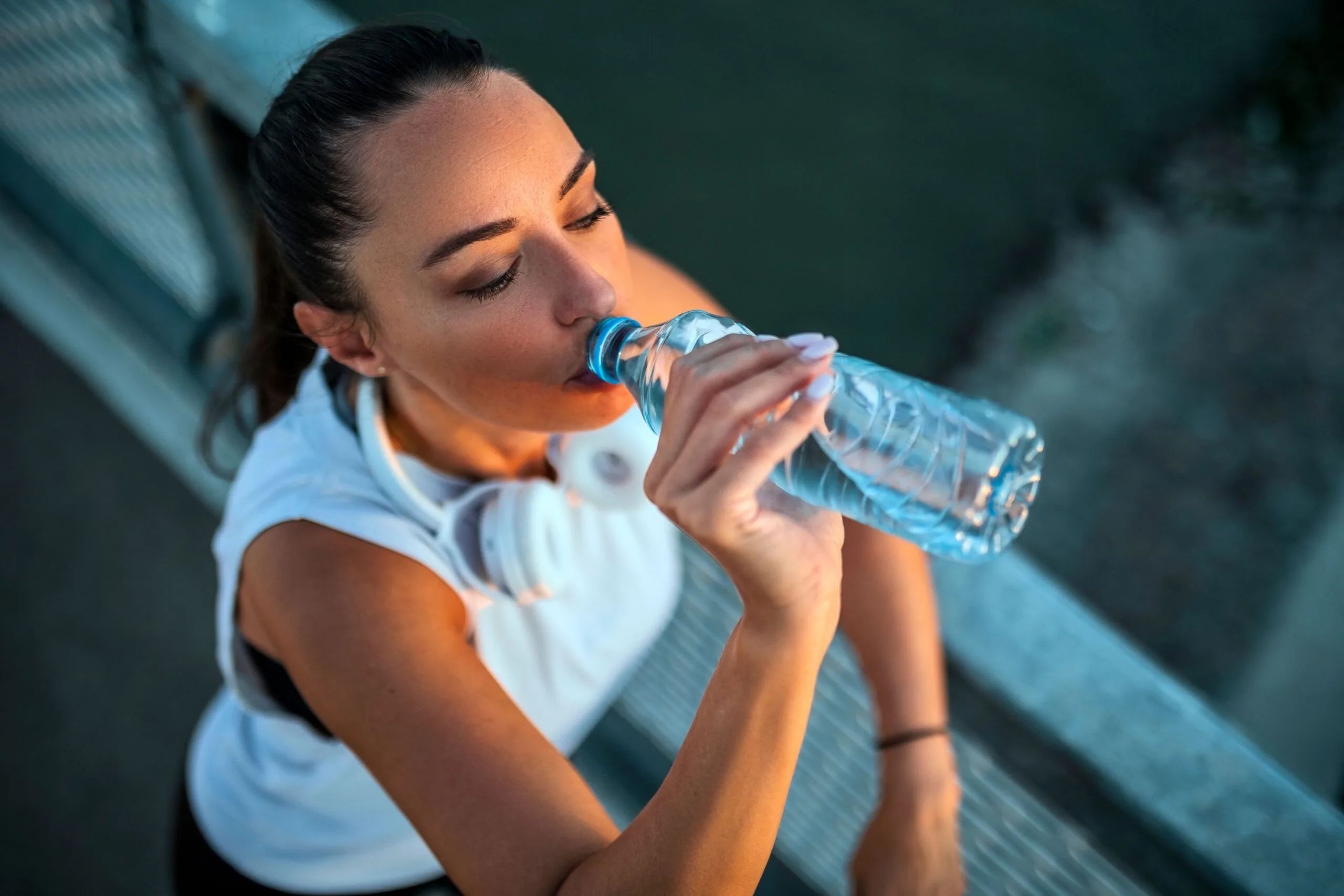
You fill your water bottle before leaving for work and keep it within reach. Then the emails begin, lunch gets squeezed into the five-minute gap between meetings, and suddenly it’s 4 p.m. The bottle is still full. The ice has melted, and drinking water becomes tomorrow’s problem. Knowing that water matters doesn’t mean remembering to drink it throughout the day. Once the day fills up, even a glass of water can become another thing to remember.
Wellness advice typically focuses on discipline. Set a reminder, carry a large water bottle, and build a routine. Reminders can help, but they cannot account for every reason a habit falls away.
Plain water still has a place in the routine. On days when reaching for it feels like a chore, a different flavor may make the experience more appealing. It is a more realistic starting point than buying another expensive bottle in the hope that the equipment alone will establish a habit.
A bottle can make water easier to carry, but it cannot guarantee that drinking becomes part of the day. The difficulty is often less about access than attention. A glass may sit beside the keyboard for hours, visible but forgotten, while coffee gets reheated and other small tasks find their way onto the schedule.

Not Your Usual Sip of Water
Taste matters, but so do aroma, temperature, texture, and familiarity. Some flavors carry associations beyond taste itself: lychee may recall a favorite dessert or a drink encountered while traveling, while an unfamiliar combination can appeal for the simple reason that it offers something different.
Mizu Lab takes a flavor-led approach to hydration, pairing Asian-inspired combinations such as lychee and mangosteen with electrolytes and vitamins in zero-sugar drink mixes. The flavors give the range a distinct identity without suggesting that plain water needs to be abandoned.
The Connection Between Taste and Drinking Habit
Taste may influence how readily people drink plain water, but that does not mean flavored drinks will increase everyone’s fluid intake.
A 2023 study published in the American Journal of Health Promotion examined how 4,041 U.S. adults perceived the taste and safety of tap water and how those perceptions related to beverage intake. Adults who disliked the taste of their local tap water were more likely to report low plain-water intake. Because the study was cross-sectional, it established an association rather than showing that taste caused lower intake or that flavored drinks would increase overall fluid consumption.
Flavored drinks don’t guarantee that you’ll increase fluid intake, and the ingredients used still matter. For those who enjoy plain water, there may be little reason to change. Others may prefer to alternate between water and flavored drinks, depending on the day and the activity.
Sodium and potassium help regulate fluid balance and support normal bodily functions. Replacing electrolytes becomes more relevant when losses increase, such as during prolonged exercise or heavy sweating.
How to Choose a Hydration Drink That Suits the Day
Choosing a flavored drink involves more than finding a taste that appeals. Plain water is generally sufficient for everyday hydration, while an electrolyte drink may be useful when prolonged exercise, heavy sweating, or other substantial fluid losses increase the need to replace electrolytes. For a desk-bound workday, an electrolyte mix may be a matter of preference rather than necessity.
The ingredient label can help clarify what a drink offers. Check the amount of sodium and other electrolytes per serving, along with sugar content, serving size, and any added vitamins. A product described as zero sugar is not automatically low in sodium, and a long list of added nutrients does not necessarily make it a better choice for routine hydration. A mix intended for a particular volume of water should be prepared according to its directions.

The label is also worth considering in context. Sodium needs can differ between a typical workday and periods of heavy sweating, while sugar preferences vary with diet and activity. Comparing the amount per serving, rather than relying on front-of-pack claims, makes it easier to assess what each drink provides.
Hydration needs vary with activity, temperature, and sweat loss. Convenience is important, too. A single-serve stick is easy to carry, but it still needs to be mixed with the recommended amount of water. Preparation instructions are worth following rather than adjusting the concentration by guesswork.
A flavor that sounds appealing on the packet may turn out to be too sweet or too tart for everyday drinking. Trying a single serving before stocking up can help establish whether it suits personal preferences. It is also worth noticing whether the drink encourages regular sipping or simply adds another item to an already crowded routine.
Choosing a Flavor That Fits the Routine
Mizu Lab’s Original Variety Pack – Zero Sugar brings together familiar fruit combinations with one less conventional option: Lychee & Mangosteen, Yuzu & Mango, and Yogurt Drink & Strawberry. The first two draw on bright, fruit-forward pairings, while Yogurt Drink & Strawberry takes a different direction, with a creamy, tangy profile that recalls the flavor of a yogurt-based drink.

Each serving provides more than 1,000 mg of electrolytes and essential vitamins, according to the brand, without added sugar. The pouch contains 15 single-serve sticks, which can be kept at home or packed for days spent away from the kitchen. As with any electrolyte mix, the label and preparation instructions are worth checking to understand the amount provided per serving.
Exploring Mizu Lab’s Signature Flavors
The Signature Variety Pack – Zero Sugar pairs flavors that may be less familiar in a hydration drink. Shine Muscat Grape & Aloe combines a distinctive grape profile with aloe, while Passion Fruit & Korean Green Plum brings together tropical tartness and the sharper, tangier character of green plum. Mandarin Orange & Pineapple offers a more familiar citrus-and-tropical pairing.

According to Mizu Lab, each serving contains more than 1,000 mg of electrolytes and essential vitamins, without sugar. The 15-stick pouch makes it possible to sample the three blends without buying each flavor separately.
Perhaps the water bottle does not need another reminder. By late afternoon, the ice has melted and the day’s meetings are nearly over. Some days, plain water will do. On others, a different flavor may be what makes the bottle worth reaching for.