
Kevin Targia wasn’t looking for a coffee business that day.
He was at the Miami Dade Animal Shelter to drop off supplies. That was the plan. Drop things off, help where he could, and head home.
Then he walked toward the cat section. There was a disabled kitten there who had apparently decided that Kevin’s arms were a perfectly reasonable place to settle in. She kneaded against him and started purring, doing the sort of thing animals do when they have no idea their future is being decided around them.
Her name was Rivers. Then a volunteer quietly told him that if nobody took her, she would likely be put down at the end of the week. The rest happened rather quickly. Paperwork was filled out. Calls were made. Rivers went home with Kevin and became Venus.
What stayed with him wasn’t only the relief of getting her out of the shelter. It was the uncomfortable thought that there were plenty of other animals waiting in similar circumstances, without necessarily getting the same lucky interruption.
He started thinking about what he could actually do about that. Coffee wasn’t the obvious answer. In fact, there was no coffee company yet.
There was just a man who had grown up watching his mother start the day with cafecito, relied on coffee through school, sports and night shifts, and eventually spent years working in law enforcement. Coffee had always been somewhere in the background of his life.
Now it was about to become something else. Kevin began ordering roasting equipment. Then came the learning curve: green beans, roasting temperatures, packaging, tasting, bad batches, better batches and plenty of mistakes along the way. Making coffee, he discovered, was considerably harder than drinking it.
Slowly, Superfly Roasters took shape.
The interesting part is that Venus never disappeared from the story.
She remained the reason Kevin had started looking for a way to make coffee do more than fill a mug. And that idea eventually grew into the company’s efforts to support local animal nonprofits and shelters through its Share the Care Project.
It is an unusual way for a coffee company to begin, but perhaps that is what makes the coffee worth looking at a little differently. Sometimes the story behind a bag of beans isn’t really about coffee at all. Sometimes it starts with a kitten who happened to knead in the right person’s arms at exactly the right moment.

The Strange Familiarity of a Morning Cup
Coffee disappears into the day pretty easily.
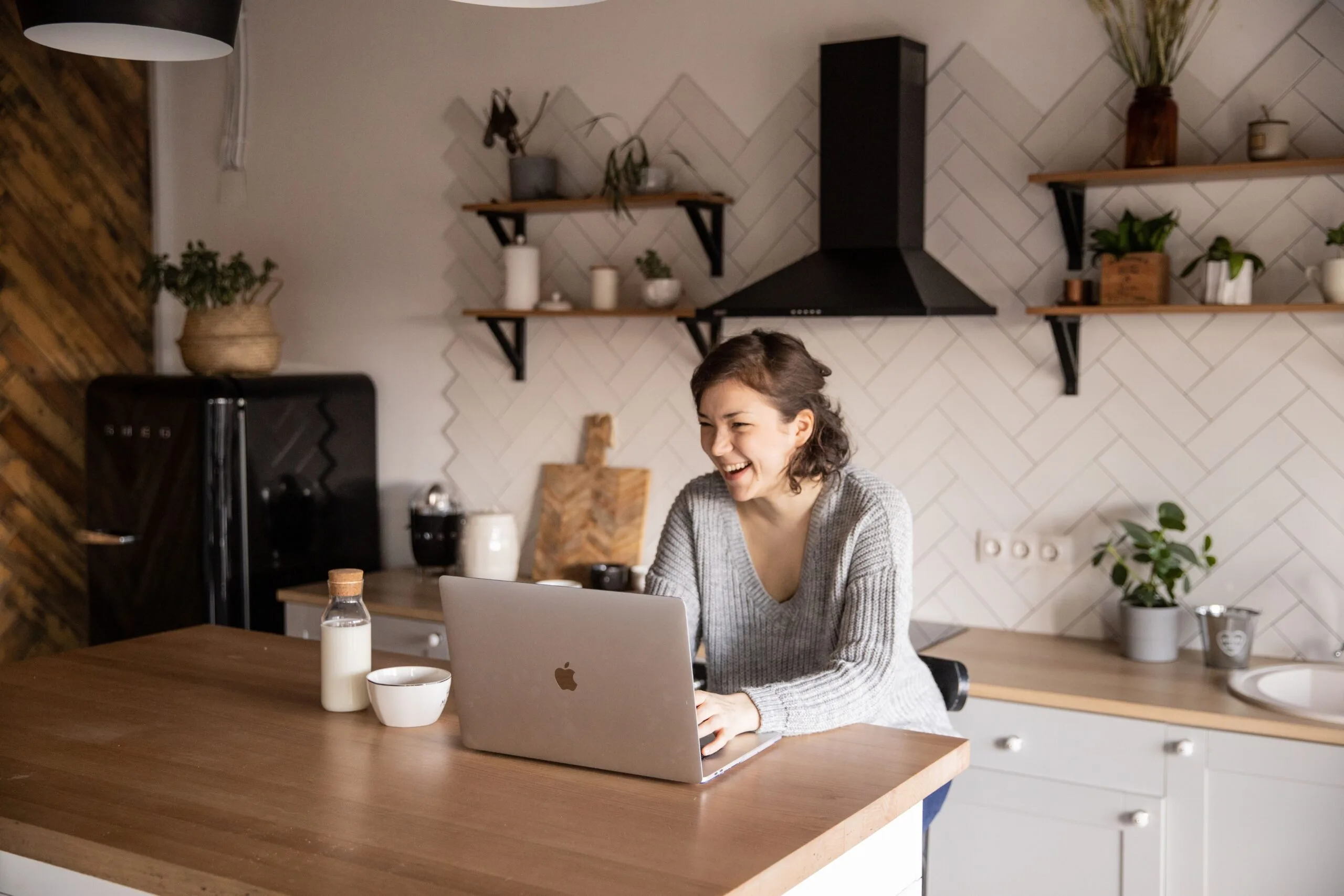
A cup can sit beside a laptop through half a morning. It can ride along in the car, get forgotten in a travel mug or end up cold on the kitchen counter because somebody got distracted by everything else that needed doing.
Most cups are not especially memorable. Yesterday’s coffee usually disappears from memory unless something about it stood out.
That is what makes specialty coffee worth paying a little more attention to. The beans have a place they came from. They were grown at a particular altitude, from particular varieties, and processed in a particular way before a roaster ever put them in a bag. At first, those details can sound like a lot to take in before breakfast.
Then the coffee is in the cup. A fruity note shows up. The chocolate you read about on the bag actually makes sense. There is a little citrus underneath it all. Suddenly the information has somewhere to go. The coffee is no longer just the thing sitting beside the keyboard while the morning gets underway.
Colombia, One Cup at a Time
Superfly Roasters’ Colombia coffee comes from smallholder farmers around Medellín in Antioquia, Colombia.
It is a medium roast made from Castillo, Caturra, Colombia and Typica varieties, grown at elevations between approximately 1,300 and 1,500 meters. The coffee grows in volcanic loam soil and is fully washed before being dried in solar dryers designed to protect the coffee from rain.
A lot has happened to those beans before they reach someone’s kitchen. Behind the cup are farmers, coffee varieties and growing conditions that all shape what eventually reaches the mug.
The tasting profile gives the drinker another way into the story: dried orange, berry and chocolate.
The person drinking the coffee might notice the orange first. Someone else might taste more of the chocolate. Another person might simply think it is a pleasant cup of coffee and leave it there. That is fine too.

Ethiopia Tells a Different Story
The Ethiopia Natural takes the conversation somewhere else. This coffee comes from smallholder farmers in Ethiopia’s Sidama Zone, where the beans are grown at elevations of approximately 1,700 to 1,900 meters. The coffee is made from indigenous heirloom cultivars and processed as a full natural, with the cherries sorted by hand and dried on raised beds.
Its tasting profile includes milk chocolate, fruit and caramel. Put the two cups beside each other and the difference is fairly obvious. The Colombia has its dried orange, berry and chocolate character. The Ethiopia Natural moves toward milk chocolate, fruit and caramel. They are not in competition with each other. They offer different expressions of coffee, shaped by origin, variety, altitude and processing.

Before Superfly, There Was Cafecito
The company story makes more sense when coffee is placed back into Kevin’s own history. He was born in New York and raised in Miami, where cafecito was part of the everyday landscape. As a child, he watched his mother start her day with coffee and became curious about why it mattered so much.
Later, coffee followed him into school and sports. It became something he could rely on before games and during busy days. When he worked night shifts at a hotel, it became even more practical.
His career in law enforcement added another chapter. After years in the profession, Kevin has also become involved with a crisis intervention team and peer support team, helping create opportunities for colleagues to talk and decompress about difficult experiences. That part of his story sits slightly outside coffee, but it helps explain the broader direction of Superfly Roasters, which combines coffee with efforts to support people and animals in the surrounding community.
What Venus Has to Do with the Coffee
Venus is the obvious connection. The disabled kitten encountered at the shelter became the unexpected starting point for a company whose work now includes efforts to support other animals in need.
Through Superfly Roasters’ Share the Care Project, the company has worked with BPW Lab to donate boxes containing multivitamins, hip and joint supplements and allergy supplements to nonprofits and animal shelters in the local area.
Shelters have animals that need care. Organizations have limited resources. Donations can help. For the people buying the coffee, that connection may be as simple as knowing that part of the business reaches back to the shelters and nonprofits Kevin wanted to support in the first place.

An Ordinary Cup with Somewhere to Go
There is something satisfying about the fact that coffee can be both ordinary and complicated. In Superfly Roasters’ case, it can also carry a connection back to a disabled kitten named Venus. The company did not set out with a perfectly formed story. It found one.
The result is still just coffee. It is still going to get cold if someone leaves it beside the laptop all morning.
The next time that happens, the cup might be worth pausing over for a second longer. There is more behind it than meets the eye.