
A woman walks into the salon apologizing for her hair before she’s even taken off her coat. “It’s been so dry lately,” she says. “I don’t know what’s happened to it.” Ninety minutes later, she leaves smiling at her reflection as though she’s meeting an old friend. The products helped, so did the stylist’s skill, but beneath the shine and smoothness lies something deeper.
It’s a scene that plays out in salons every day.
Few parts of our appearance carry as much emotional weight as our hair. It isn’t an organ we think about the way we think about our heart or our lungs. It isn’t discussed with the seriousness of skin health or nutrition. Hair is one of the first things we notice about ourselves in the mirror. When it behaves, most of us don’t think about it. When it doesn’t, it’s hard to ignore.
Most people know exactly when their skin feels dry. Ask them about their scalp and they’re more likely to pause. Unless it’s itchy, they probably haven’t thought about it all week.

The Part of Haircare We’ve Been Ignoring
One reason scalp care has lagged behind skincare is that most people don’t think of it as skin, however, it shares many of the same biological responsibilities. It helps the scalp retain moisture, oils it naturally needs, and responds to everything from environmental stress to the products applied each day. When that barrier becomes disrupted, the effects often appear gradually through dryness, excess oil, irritation, or hair that doesn’t look or feel as if it’s thriving anymore.
Hair Doesn’t Start Where We Think It Does
A bad hair day sends us searching for a smoothing serum or a deep conditioner. Breakage inspires a new strengthening treatment. We respond to whatever is most visible, much like covering a crack in a wall with fresh paint instead of asking what caused it.
Hair has become one of the most reactive parts of our wellness routines. We wait until it feels coarse, frizzy, looks dull, or sheds more than usual before giving it extra attention. By the time those changes appear, the story has often been unfolding for weeks or even months beneath the surface.
Why “Squeaky Clean” May Not Be the Goal
Ask anyone to describe their shampoo and the answers you receive will most often be familiar. “It made my hair feel clean.” “It stripped everything out.” “My scalp finally stopped feeling oily.” All of the responses sound satisfying, but what if feeling stripped isn’t actually a sign that hair is healthier? Overpowering the sensitive skin won’t lead to stronger hair. Newer approaches focus on working with its biology.
The Invisible Ecosystem
Every healthy scalp is home to a community of microorganisms, or microbiome. We often think of “bacteria” as something negative, but that is not entirely true. Many of these microbes play a beneficial role. They help maintain the natural acidity, support its protective barrier, and compete with organisms that can contribute to irritation. Like any ecosystem, balance is important. Over-cleansing and aggressive treatments can disrupt that balance. When the environment becomes less stable, it may feel oilier, drier, itchier, or more sensitive.
Stripping the scalp back to a blank slate after every wash isn’t a logical option anymore. Focus is now moving toward maintaining an environment where the scalp’s natural protective systems can continue doing the work they were designed to do.
Biology-First Haircare Is Redefining Performance
We always assumed that we had to choose between being ingredient-conscious or using salon-quality products. We were always led to believe that sacrifice was the name of the game. That assumption is outdated.
Boris Oak grew up around salons, watching clients arrive worried about hair that felt lifeless or difficult to manage. Those early experiences shaped a question that eventually became the foundation of EVOLVh: what happens if formulas support the scalp instead of coating the hair?

The UltraShine Hydrating Shampoo & Conditioner Duo eliminates that stripped feeling many people associate with cleanliness. The shampoo formula is designed to cleanse while respecting the scalp’s natural barrier. Over time, many users notice hair that feels softer, more balanced, and easier to manage because the scalp itself isn’t being repeatedly pushed out of equilibrium.
The matching conditioner takes the same philosophy a step further. Rather than making hair feel smoother for a day, it’s designed to support the hair fiber itself while improving softness and shine. The result isn’t dramatic after one wash, but over time hair tends to feel easier to manage and less prone to dryness.
What Longevity Science Can Teach Us About Hair
Longevity research wasn’t trying to reinvent haircare. Most of it focused on skin and aging well. But once scientists began asking what keeps tissues functioning well over time, it became difficult to ignore the scalp. After all, hair grows from living skin, not from the strand we see in the mirror.
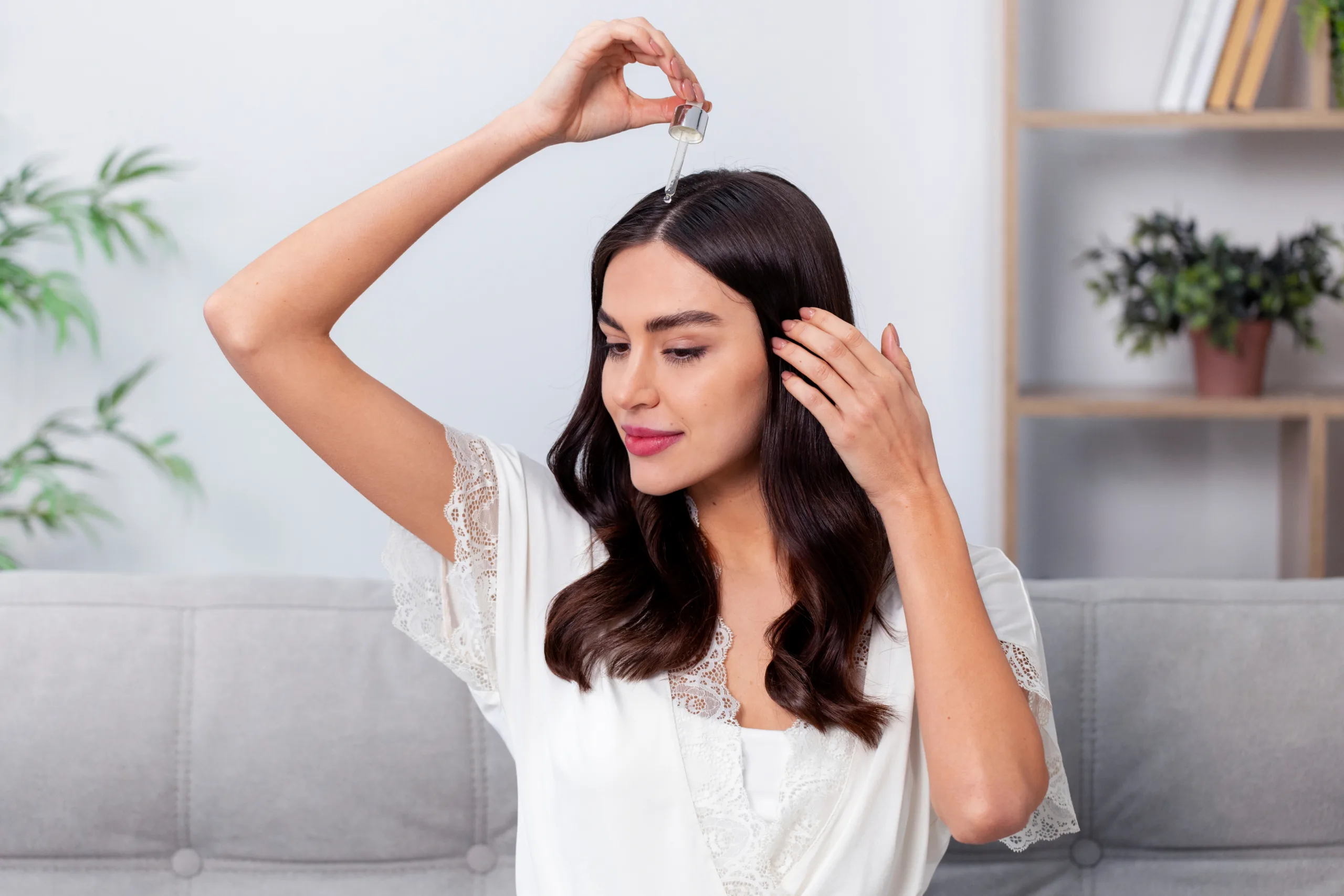
EVOLVh’s Better Roots RootBoost Serum was developed after Boris Oak began exploring how cellular longevity research might reshape scalp care. The serum combines twelve clean, clinically studied active ingredients selected to nurture healthier-looking hair growth, reduce visible shedding, and help slow the appearance of graying by creating a calmer, better-balanced scalp.

Small Decisions Add Up
Most people expect haircare to work quickly, but hair doesn’t cooperate with those expectations. Months of dryness can’t be erased in a single wash, just as years of good habits can’t be undone overnight. Most improvements happen long before they’re visible. Choosing a gentler shampoo, protecting hair from heat, or moisturizing before strands become brittle may not feel dramatic, but those habits add up.
Hair is frustrating because it refuses to perform on our schedule. You wash it. You wait. Nothing seems different. Then, almost by accident, you notice fewer strands circling the shower drain.
Looking in the Mirror Again
The woman who walked into the salon wasn’t really looking for shinier hair. She wanted to recognize herself again. Thriving hair seldom changes overnight, but over time those small shifts become visible in the mirror. Science can support that process, yet the real transformation begins much earlier, in the work happening at the scalp long before anyone notices the difference.
The next time someone sits in a salon chair and says, “My hair just isn’t the same anymore,” the answer may not begin with the ends of the hair at all. It may begin with the skin beneath it.