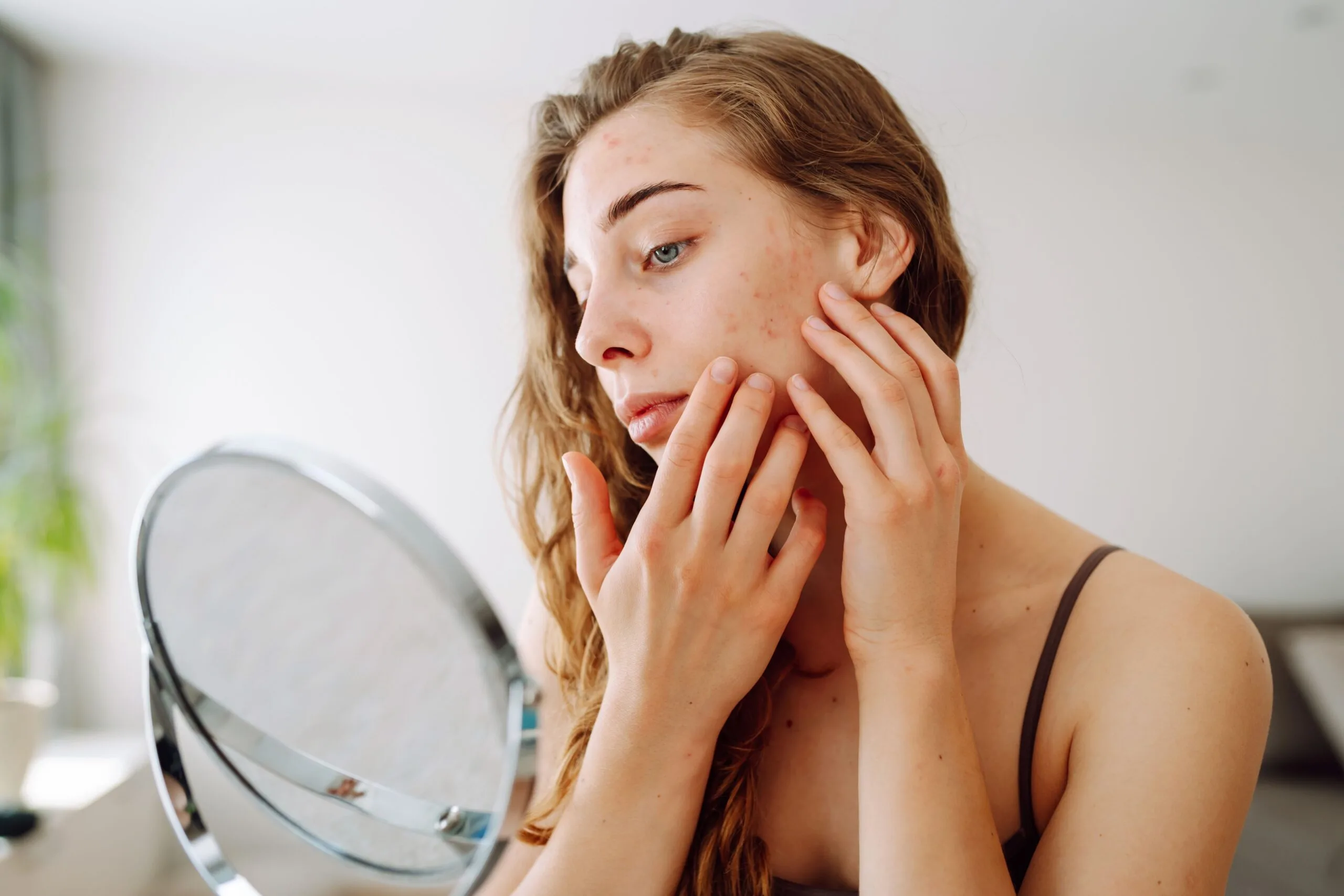

The biggest organ in the body is the skin. It safeguards your internal organs from harm and serves as the first line of defense against sickness and infection. It is impossible to overstate how crucial it is to maintain good skin. It safeguards your internal organs from harm and serves as the body’s first line of defense against sickness and infection. In actuality, it is the body’s biggest organ. The skin assists in controlling body temperature, guards against excessive fluid loss, and aids in salt and water excretion. Young and old, male and female, everyone might have skin diseases. These are only a few instances of common skin conditions, such as acne, psoriasis, and eczema. The good news is that there are several easy methods to maintain healthy skin, and if treatment is required, there are now numerous alternatives accessible. A dermatologist consultation may be necessary if you suspect you have a skin condition or need to learn better skin care techniques. A dermatologist is a doctor who focuses on treating and maintaining healthy skin. Due to the same symptoms that many skin illnesses exhibit, skin issues can be challenging to diagnose. Effective therapy requires an examination.

The Structure of Your Skin
It could be helpful to learn about your skin’s structure in order to comprehend how to maintain healthy skin. The epidermis, which is the top layer of skin and is roughly the thickness of a sheet of paper, the dermis, which is the intermediate layer, and the subcutaneous layer make up the structure of skin (the deepest layer). Depending on the region, the dermis’ thickness varies. The dermis of the back is around half an inch thick whereas the dermis of the eyelids is fairly thin. The stratum corneum, the squamous cell layer, and the basal cell layer are the three sublayers of the epidermis. The layer of skin that can be seen and felt is known as the stratum corneum, or outer layer of the epidermis. The stratum corneum is made up of keratin-related proteins, a fatty, waterproof membrane, and flat, densely packed dead cells. Your body and the outer world are separated by this layer. In addition to producing keratin for the stratum corneum, the squamous cell layer also carries water. The epidermis’s base cell layer is its deepest layer. The skin cells proliferate here, resulting in the development of the epidermis’ outermost layers. This cell layer gives birth to basal cell carcinoma, the most prevalent kind of skin cancer. Melanocytes are located among these cells throughout this layer and create melanin, or skin pigment. These cells that produce pigment are the source of melanoma, one of the three most prevalent types of skin cancer. Skin cells go from the basal cell layer to the stratum corneum’s surface and slough off over the course of roughly a month. The middle layer of skin is known as the dermis. Blood arteries, nerves, hair follicles, and sebaceous (or oil) glands are all mixed together in different ways. The dermis contains the proteins collagen and elastin. They provide the skin stability and suppleness. These proteins can be damaged by the sun’s rays, which causes the skin to ultimately wrinkle and droop. The dermis and higher layers of skin are nourished by the subcutaneous layer, also known as subcutis, which is a layer of fatty tissue. Moreover, it maintains body heat and protects internal organs from harm.
Facts About Your Skin
Water and oil are necessary for the skin’s rejuvenation when it gets dry. Your body’s first line of defense against illness and infection is your skin. It is the body’s biggest organ. It also aids in fluid retention prevention, body temperature regulation, and salt and water excretion.
It takes roughly 28 days for the body to produce healthy new skin cells and remove or shed old ones. Your skin gets thinner and frequently drier as you age. Collagen fibers are mostly responsible for skin thinning. Skin becomes more brittle and loses its flexibility as it ages, especially if it has been overexposed to the sun.
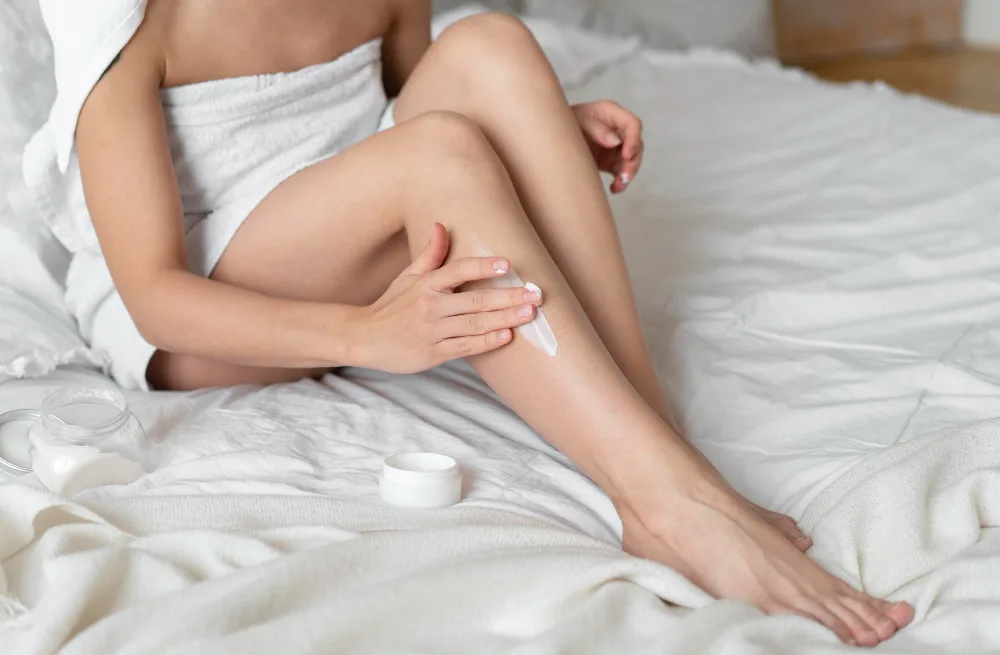
The single most crucial step in skin care is sun protection since exposure to the sun affects how effectively your skin ages. The skin will age, get wrinkly, dry out from repeated exposure to the sun, and become coarse. Another negative impact of excessive sun exposure is uneven pigmentation, including freckles and brown patches. Skin cancer is the most harmful result of sun exposure. According to the American Cancer Society, skin cancer is the most prevalent kind of cancer, accounting for roughly half of all cancer diagnoses. It’s vital to keep in mind that a person’s average lifetime risk of sun exposure is decided by age 18. Skin cancer can take up to 20 years or longer to emerge. Skin cancer may affect everyone, while those with fair skin seem to be more prone to certain forms of the disease and precancerous conditions than those with darker skin tones. The emergence of actinic keratoses is the first indication of significant skin damage. On the lips, forearms, backs of the hands, ears, neck, and elsewhere, lesions manifest as scaly, reddish-brown lumps.
[restrict]What is a Humectant?
Perhaps someone has told you that humectants are beneficial for your skin or hair, but why? A moisturizing ingredient in lotions, shampoos, and other cosmetics for your hair and skin is called a humectant. They are renowned for holding onto moisture while retaining the general characteristics of the substance in question. There are some humectants that are better for your skin and hair than others, though. A product’s recipe may contain additional compounds that have the potential to negate the positive effects of the humectant. Humectants can be compared to water-attracting magnets. They draw moisture from the air into your skin’s top layer. When used on your hair, humectants function similarly to each other. They aid in attracting and retaining more moisture in your hair. Yet, not all humectants function in the same way. Several of them immediately provide moisture to your skin and hair. To balance the moisture levels in your skin, some people first assist in removing dead skin cells. Moreover, not all humectants are appropriate for use on both skin and hair. Because of this, the humectants used in skin and hair care products are probably different.
Gly Miracle Skin Humectant
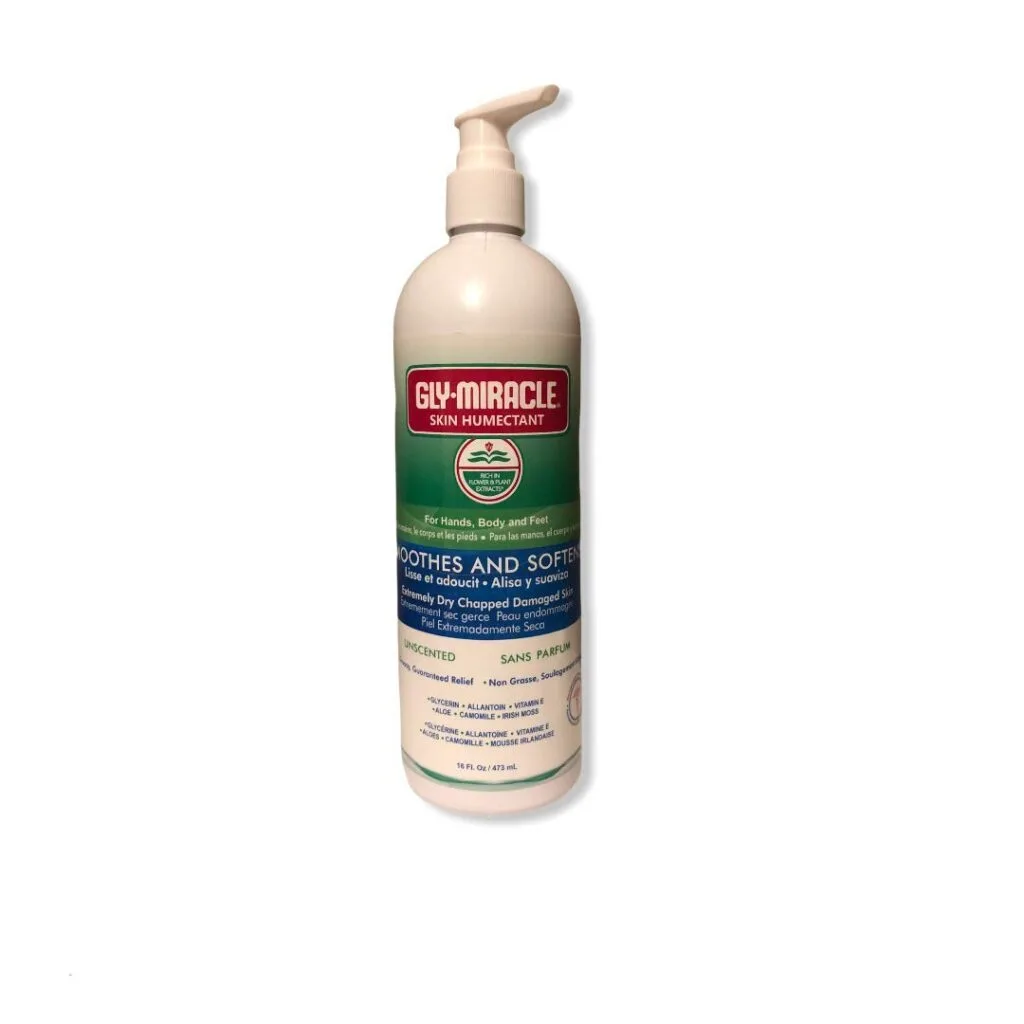

Gly Miracle is for you if you suffer from cracked skin. It doesn’t include sodium hydroxide, a known irritant, like other brands do. So, it is risk-free and extraordinarily mild on delicate, inflamed skin. Nothing stings or burns. Gly Miracle, which has been used for years in salons and spas, is perfect for men and women whose hands are frequently washed and subjected to harsh surroundings. Landscapers and road workers trust it, as well as health practitioners, cleaning specialists, farmers/ranchers, car mechanics, painters, heavy machinery operators, swimmers, athletes, educators, office employees, gardeners, boating and skiing enthusiasts. Your hands are incredible instruments that can construct, heal, soothe, and create; it’s worth it to take care of them.
What Your Skin Can Say About You
Despite being on the outside of your body, skin may provide an amazingly clear window into what’s going on within. According to dermatologist Bruce Brod, MD, FAAD, who serves as an assistant professor at the University of Pennsylvania in Philadelphia, “you can learn a lot about someone by looking at their skin.” Most clearly, a dermatologist’s skilled eye may infer your lifestyle from the condition of your skin. According to Dr. Brod, one of the first things a dermatologist may determine about a patient is how much outdoor exposure they’ve had based on the presence of UV damage relative to their age. wrinkles, blotches, uneven pigmentation, and lack of suppleness are examples of these things. Skin color may also be a sign of sleep deprivation. According to Steven Daveluy, MD, FAAD, a dermatologist at the Wayne State University School of Medicine in Dearborn, Michigan, “droopy, sagging, black circles beneath the eyes might be a sign to weariness.” Dermatologists can even discern from a patient’s skin if they are getting enough water to keep hydrated. Skin around the eyes that seems sunken is one indication of dehydration, according to Dr. Daveluy. Dehydration may also be indicated by dry skin. And the skin of smokers frequently reveals their habit. According to Dr. Brod, smokers’ skin is frequently paler or sallow in tone and wrinkles around the lips.
The Takeaway
The organ that makes touch with the outside world is your skin. Without it, we would contract illnesses because it keeps dangerous microorganisms out and holds bodily fluids in, preventing dehydration. There are many nerve endings in your skin that enable you to perceive heat, cold, and pain. You may suffer serious injuries without even realizing it if you couldn’t feel these things. You should maintain your skin in the best possible health because it plays such a crucial function in preserving your body. This will aid in preventing illness and harm to your internal organs, bones, and muscles.
* In partnership with our friends at Wicked Lix Inc* Photo courtesy of Wicked Lix Inc
* These statements have not been evaluated by the Food and Drug Administration. These products are not intended to diagnose, treat, cure or prevent any disease.
* The information available on ewellnessmag.com, including text, graphics, and other materials is for informational purposes only. Reliance on any information in ewellnessmag.com is at the user’s own risk. Sponsored product placement may appear in the article. The visitor of this website acknowledges that the information available on or through ewellnessmag.com is not and is not intended to be a substitute for professional medical advice. Copyright © 2023 Brawo Press, Inc. All rights reserved.