
There is a very specific kind of tired that shows up after an ordinary day. Not the dramatic kind. Not the “I need a week off” kind. Just the quiet, slightly stubborn fatigue that settles into your shoulders around mid-afternoon and politely refuses to leave.
It usually announces itself in small ways. Your neck feels tight while answering emails. Your brain replays one mildly awkward conversation from earlier in the day. You sit down on the couch in the evening with every intention of relaxing, and yet your body still feels like it missed the memo that the day is over.
For years, my solution to this type of tiredness was fairly standard. Tea, a walk around the block, or occasionally staring at the ceiling and wondering if lying still technically counts as recovery. Sometimes it helped. Sometimes it didn’t.
And then one evening, while doing absolutely nothing productive, I found myself scrolling through something that made me pause for a second. Saunas. Not the gym locker room version. Not the “special treat on vacation” version. Home saunas.
That idea alone felt slightly luxurious in a way that made me curious. Because once you notice the concept of recovery happening inside your own home, your brain does something interesting. It starts imagining where that warmth would live, what time of day it would happen, and whether it would become one of those small rituals that quietly improves an ordinary evening.
That curiosity eventually led me to a brand called Prime Regeneration. And the more I read, the more I realized this wasn’t just about heat. It was about designing recovery into everyday life.

The Moment You Realize Wellness Has Quietly Moved into the House
There was a time when wellness mostly lived somewhere else. In gyms, in studios with calming music, and in spas that required reservations and driving across town. Recovery was something people scheduled.
But somewhere over the last few years, that idea started changing. People began asking a simple question: what if recovery lived at home? What if relaxation wasn’t something you needed to plan days in advance, but something that quietly waited in the backyard or a spare room?
That shift is where companies like Prime Regeneration come into the story. The brand positions itself as a luxury wellness destination, but what caught my attention wasn’t just the equipment they offer. It was the philosophy behind it.
Their whole idea centers around bringing high-performance recovery tools into everyday spaces. Not just for athletes or wellness enthusiasts, but for people who simply want their homes to support rest, longevity, and balance. Instead of chasing trends, they focus on thoughtfully curated equipment such as saunas, red light therapy, cold immersion, and advanced wellness technologies.
What I found particularly interesting was the emphasis on guidance and white-glove service. Wellness technology can feel intimidating, and a sauna, especially a high-end one, is not something most people impulse-buy during a lunch break. It’s something you think about. You imagine where it would go, how it would fit into your day, and what it would feel like to step into warmth after a long afternoon.
That’s where the products themselves start becoming part of the story. Two that immediately stood out to me were the SaunaLife Model G6 Pre-Assembled Outdoor Home Sauna and the Finnmark 2-Person Home Sauna with Infrared & Traditional Heat. Both offer different approaches to the same idea: creating space for warmth, recovery, and quiet.
The Backyard Cabin That Makes You Rethink Evenings
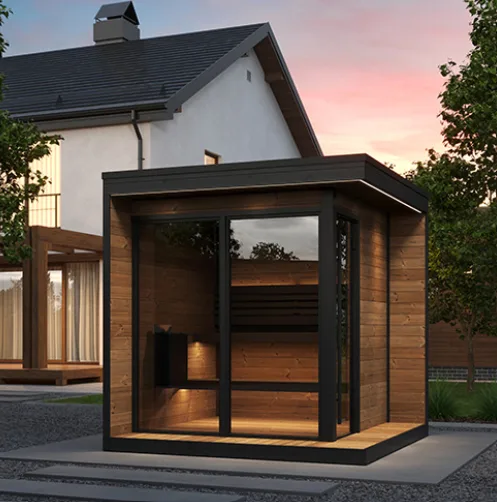
The first one that caught my attention was the SaunaLife Model G6 Pre-Assembled Outdoor Home Sauna. Even the name carries a certain promise. But the design is where the imagination really starts working.
Picture a compact wooden structure sitting in the corner of a backyard. Not oversized. Not flashy. Just beautifully crafted in that understated Scandinavian way where the materials do most of the talking.
Outdoor saunas have a kind of charm that’s difficult to explain until you imagine the scene. Evening air cooling down, the quiet hum of the neighborhood settling into nighttime, and warm light glowing from inside a cedar-lined room.
The SaunaLife Model G6 leans into that atmosphere. Because it arrives pre-assembled, it skips one of the biggest hurdles people imagine when they think about installing something like a sauna. The structure itself is designed to fit into outdoor spaces without turning the backyard into a construction zone.
Once inside, the experience centers around traditional sauna heat, the kind that has been part of Nordic culture for generations. Traditional saunas create warmth through heated stones and ambient heat that fills the room slowly and evenly. It’s a type of warmth that feels enveloping rather than sudden.
People who love traditional sauna culture often describe the experience as immersive. The heat builds gradually, encouraging people to slow down rather than rush through the experience. You sit for a moment, breathe, and slowly notice how quiet the room becomes.
What I find appealing about this design is how naturally it fits into everyday life. It doesn’t scream for attention. It simply sits outside, waiting for the moment when someone decides the day deserves a proper ending.

The Two-Person Sauna That Feels Like a Quiet Escape
While the outdoor sauna sparked my imagination for backyard evenings, the Finnmark 2-Person Home Sauna with Infrared & Traditional Heat offers a different kind of flexibility.
This one intrigued me for a very simple reason. It blends two different sauna technologies into one experience.
Traditional heat is what most people picture when they think of saunas: high temperatures, heated stones, and the enveloping warmth of the room. Infrared heat works differently. Instead of heating the air around you, infrared panels warm the body more directly through gentle radiant heat. Many people describe infrared sessions as slightly lower temperature but deeply relaxing.
The Finnmark sauna combines both options, allowing users to choose between traditional sauna heat and infrared sessions depending on the mood of the day. I have to admit, the idea of having both feels appealing.
Some evenings might call for the classic sauna experience, the deep, enveloping warmth that encourages you to slow down and stay awhile. Other days might feel better with something gentler, a quieter kind of heat while you sit, think, and let the day settle.
The two-person size is another detail I appreciate. Not every wellness space needs to be large. Sometimes the most meaningful rituals happen in small spaces, whether that means two people sitting quietly or one person enjoying a moment alone. The design invites that kind of pause.

Why Heat Has Been Part of Human Life for So Long
What makes saunas interesting is that they are not new. In fact, they are ancient.
For thousands of years, cultures around the world have used heat for relaxation, reflection, and recovery. Finnish sauna traditions date back centuries and are often centered around small wooden rooms where families gathered regularly.
In those cultures, saunas were not luxury items. They were simply part of life. A place to unwind, a place to think, and a place where the outside world temporarily softened.
That history is part of what makes modern home saunas fascinating. They bring a deeply traditional idea into contemporary living spaces. Instead of driving to a spa or gym, the ritual becomes part of the house. A quiet moment waiting just a few steps away.
The Part That Surprised Me Most About Home Saunas
When I first started reading about home saunas, I assumed they were mostly for athletes. Recovery, muscle relief, and performance are words that show up frequently in wellness conversations.
But the more I thought about it, the more I realized something else. Most people don’t need recovery from a marathon. They need recovery from regular life.
Workdays that stretch longer than expected, mental fatigue from screens and notifications, and the quiet tension that builds up in shoulders and necks during ordinary weeks all add up.
Heat has a strange ability to interrupt that pattern. When you step into warmth, the body responds almost immediately. Breathing slows, muscles loosen, and thoughts stop racing quite as quickly.
That’s where the appeal of brands like Prime Regeneration really starts making sense. They are not just selling equipment. They are offering tools that make recovery more accessible in everyday environments.
Designing a Home That Encourages Rest
There is something refreshing about the idea that wellness spaces don’t have to be public. They can exist inside the places where people already live.
A backyard corner with a wooden sauna, a spare room transformed into a quiet recovery space, or a routine that begins after dinner and ends with warmth.
The products curated by Prime Regeneration seem designed with that exact vision in mind. Not overwhelming technology, just thoughtfully designed tools that encourage people to slow down.
The SaunaLife Model G6 leans into outdoor tradition with wood, warmth, and evening air, while the Finnmark 2-Person Sauna brings versatility indoors with both infrared and traditional heating options.
Different designs, but the same underlying idea: making recovery feel natural instead of complicated.

The Thought That Stayed with Me
After spending time exploring these saunas, one thought kept returning. It’s surprisingly easy to design homes around productivity. Desks, workspaces, and charging stations for devices often take priority.
Designing a home around recovery is something people rarely think of until they experience it.
What would happen if relaxation had a permanent place in the house? Not as a luxury event or something reserved for weekends, but as a small ritual that quietly closes the day.
That’s the kind of idea that makes home saunas intriguing. Not because they are dramatic, but because they invite something simple.
Warmth. Quiet. A moment where the body remembers how to slow down.
And once you imagine that moment waiting in the backyard or down the hallway, it’s surprisingly difficult to forget.