
People in the wellness world often talk about exercise, mindfulness, or nutrition. But there is another aspect to wellness that touches millions of families: the comfort, dignity, and mental health of people with dementia and the people who care for them. In the US, some 6.9 million people aged 65 and older have Alzheimer’s disease. Almost 11 million Americans care for loved ones with dementia without getting paid. A mission-driven business is meeting this need by giving families dealing with memory loss useful items, knowledge, and a place to connect.
Based on Real Life
The roots of this company are personal, born from the difficulties of caring for a father with frontotemporal dementia. This condition, which also affects actor Bruce Willis, often strikes earlier in life, creating unique challenges for families still raising children. As the illness progressed, traditional clothing became a source of frustration. From this lived experience came a vision: clothing that is intuitive and respectful, helping both the person with dementia and their caregiver.
The Adaptive Anti-Strip Jumpsuit
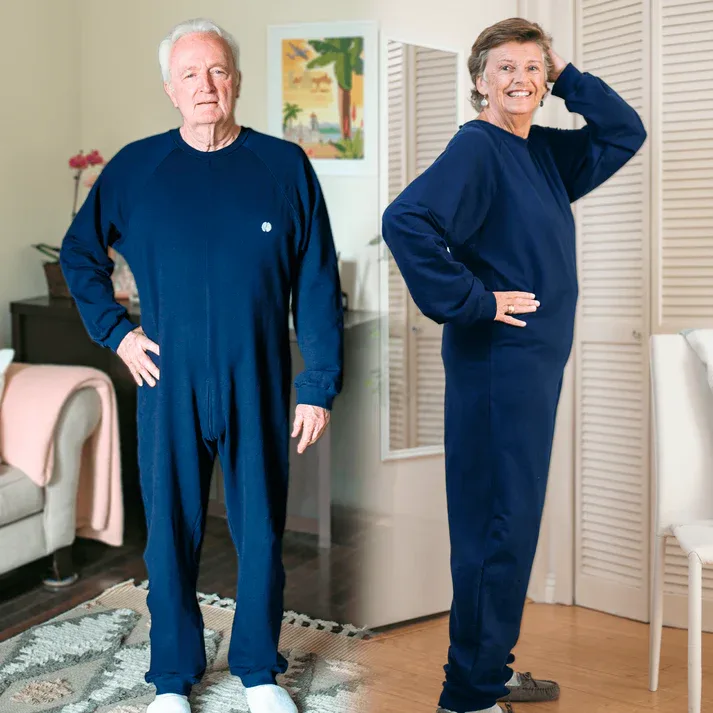
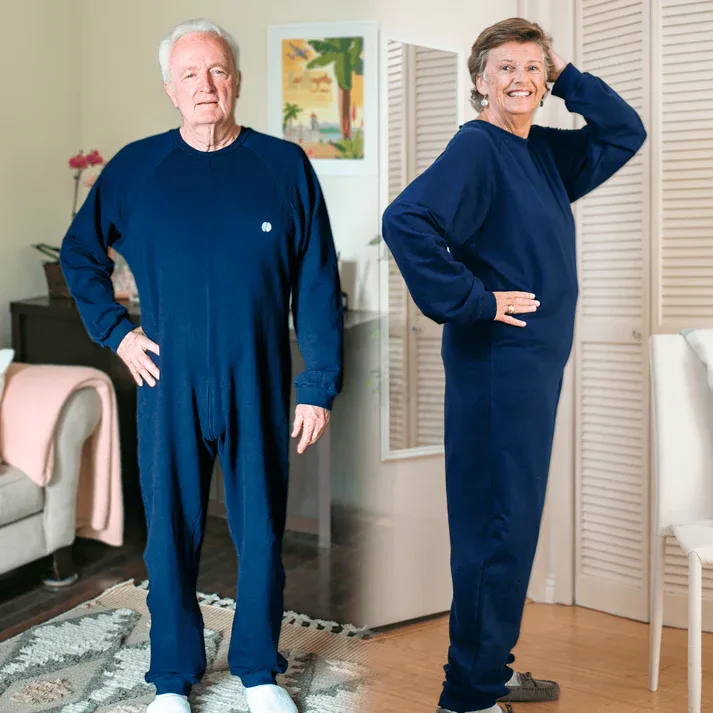
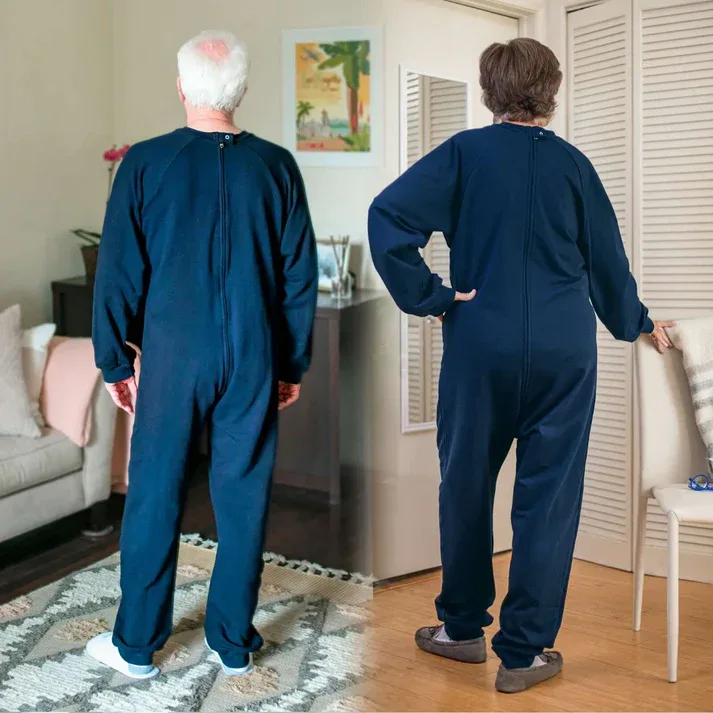
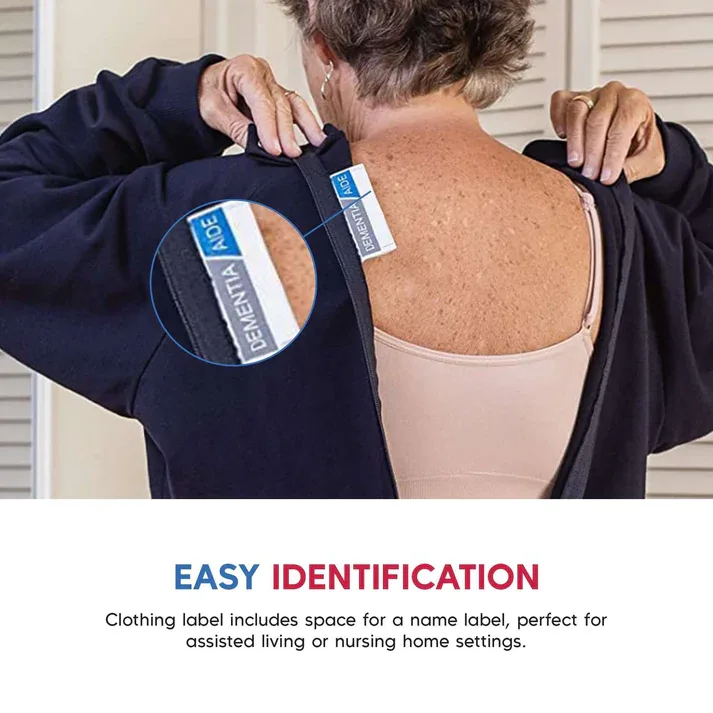
The brand’s initial product, the Adaptive Anti-Strip Back-Zip Jumpsuit, addresses one of the hardest behavioral changes: inappropriate undressing and diaper tampering. Made from 95% cotton and 5% spandex for breathability and flexibility (no polyester), the jumpsuit looks like regular clothing while providing security. Key features include a separate back zipper, elastic openings for sensitive skin, and dedicated label space for care environments.
Changing the Story
Dementia Aide is breaking the silence surrounding memory loss by encouraging open conversation and providing education. The brand also pledges to support families with limited resources, ensuring that geography or income never dictates the quality of care or dignity a person receives. By combining advocacy with innovation, they are setting a new standard in wellness that puts human dignity first.
Why Adaptive Clothing is Important
When someone has dementia, sensory sensitivities and cognitive confusion can make getting dressed a battleground. Itchy fabrics or complicated fasteners can lead to agitation. Adaptive clothing reduces this stress, allowing for comfort and independence where possible. For caregivers, it translates to fewer confrontations and more time for meaningful connection.
[restrict]
Families’ Real Voices
Caregivers frequently share their relief online. One customer, Melissa C., noted that her father “has his dignity back and feels like a man again” after using the jumpsuit. Another, Frank, highlighted the practical benefit of keeping his loved one dry at night by preventing diaper tampering. These reviews reflect more than just product satisfaction; they show a significant reduction in daily caregiver stress.
Helpful Advice for Caregivers
To get the most out of adaptive apparel, caregivers should consider these tips:
- Size Down: As this specific brand runs large, check the size chart carefully for the best fit.
- Gentle Introduction: Let the individual wear the garment for short periods initially to help them acclimate.
- Laundry Care: Wash in cold water and dry on low heat to maintain the fabric’s softness against sensitive skin.
- Engagement: Use the ease of dressing to create more time for emotional support and shared activities.
Answering Frequently Asked Questions
1. What sets this adaptive jumpsuit apart?
It is specifically designed to prevent inappropriate undressing and tampering with incontinence supplies, using hidden zippers and durable, comfortable fabrics that standard senior wear lacks.
2. How does it help Alzheimer’s patients?
It reduces risk and agitation, maintains their dignity by preventing nudity in social settings, and simplifies the physical task of dressing for the caregiver.
3. Is there financial assistance available?
Yes, the brand offers a promise to help families struggling to afford these essential tools, encouraging them to reach out directly for support.

Why This Is Important
Dignity is not a luxury; it is a basic human need. For the millions of unpaid caregivers across the country, tools like these are a lifeline. They transform a repetitive, stressful routine into a moment of compassion and respect. When a company listens to the lived experience of caregivers and designs accordingly, wellness becomes truly inclusive, touching the lives of those who need it most.
[/restrict]