
The first sign was in the way her hair behaved when she pulled a sweater over her head. A few strands caught at the collar and stayed there, stubbornly clinging to the fabric. She freed them with two fingers, then noticed that the ends felt almost papery between her fingertips. They weren’t exactly brittle, or overly damaged. Just different.
She thought about the week behind her, and the hurried wash where she had barely left conditioner on long enough to rinse it out. Nothing that seemed worthy of calling a “hair problem.” Yes, there it was.
Not every change arrives as breakage or obvious damage. Sometimes it is the way a curl no longer springs back quite as easily or how the comb stops halfway through a section. On the other side of the equation is the strange stiffness that can appear when strengthening treatments are used too often.
This is why understanding what hair actually needs can be more useful than just adding another product to the routine for the sake of saying you’re doing something about it. Few hair care questions reveal that better than understanding protein vs moisture for hair, and knowing which one your strands may be asking for.

Deep Conditioning Is Not One-Size-Fits-All
“Deep condition your hair.” It is advice repeated so often, but what does it actually mean?
Deep conditioning is not about leaving a conditioner on for longer. A deep conditioning treatment is formulated to provide more intensive conditioning than a typical rinse-out conditioner, helping address concerns such as dryness, manageability, softness, or the feel of damaged strands. The important part is matching the treatment to the condition of the hair.
Hair that feels dry and rough may be asking for more conditioning support. Hair that feels compromised may benefit from strengthening-focused care. Hair that feels coated, heavy, or strangely stiff may be telling you that adding more of everything is not necessarily the answer.
The right deep conditioning treatment is less about following a universal schedule and more about responding to what your hair is actually telling you.
Chelsea Ashira was founded in 2022 by entrepreneur and beauty founder Chelsea Ashira; the luxury haircare brand was built around the idea that healthy-looking hair begins with a healthy foundation. Rather than treating hair as something that only needs attention when it misbehaves, Chelsea Ashira takes a more intentional view of the relationship between the scalp, strands, nourishment, hydration, and consistent care.
When Hair Is Asking for Moisture
Dryness can be surprisingly difficult to describe. It is not always simply “dry.” In hair care, “moisture” often describes how soft, flexible, conditioned, and manageable the hair feels, rather than simply how much water is present in the strand. The signs your hair needs moisture are not always dramatic. Sometimes the hair feels rough when you slide your hand down the length. Sometimes it tangles more easily. Sometimes the ends feel noticeably different from the rest of the hair. Sometimes the hair looks perfectly fine but does not have the softness or flexibility it usually does.
The Chelsea Ashira Hydrating Repair Masque was created with ingredients including marula oil and pomegranate sterols; the masque is designed to replenish moisture and improve the look and feel of dry or damaged strands.
For hair that has been through more: heat, coloring, chemical processing, or repeated manipulation, deep conditioning for damaged hair can become less about indulgence and more about giving the strands consistent conditioning support.
The idea is to give the hair a little more time and attention than a rushed conditioner allows.
What matters is giving the treatment time to do its job and, perhaps more importantly, using that time to notice what happens to your hair afterward.

Then There Is Protein
Protein tends to enter the conversation when hair begins to feel weak or compromised. The signs your hair needs protein can be harder to recognize. Hair may feel unusually weak, lack its usual resilience, or seem more fragile after repeated heat, coloring, or chemical processing. Hair is primarily made up of keratin, a structural protein, which is why protein-based treatments are often used to help hair feel stronger and more resilient after certain types of processing or damage.
But this is where hair care gets more interesting than a simple list of ingredients. More is not necessarily more effective. So, can too much protein make hair feel dry? For some people, frequent use of strengthening-focused treatments may leave hair feeling less soft or flexible. That does not mean protein is inherently drying or that every stiff strand needs more moisture. It simply reinforces the importance of paying attention to how your own hair responds.
Think of it less as protein versus moisture and more as learning when each belongs in the routine.
Hair exposed to frequent heat, coloring, chemical processing, or significant manipulation may have different needs from hair whose main complaint is dryness. Hair texture, density, porosity, styling practices, and even changes in routine can influence how the strands feel.
How to Tell If Your Hair Needs Protein or Moisture
Start paying attention to texture. Hair that feels dry may benefit from more conditioning and gentler handling. Hair that feels weak or fragile may prompt you to consider strengthening care. Hair that suddenly feels stiff after introducing a new treatment is giving you another piece of information.
This is one of the reasons a consistent routine can be more valuable than constantly experimenting. If you change five things at once, it becomes almost impossible to know what helped. Instead, make one thoughtful adjustment and observe.
How Often Should You Deep Condition Your Hair?
There is no single schedule that works for every head of hair. How often should you deep condition your hair? That depends on factors including texture, dryness, processing, heat styling, and how the hair responds to conditioning. Some people may benefit from regular weekly treatments, while others may need them less often. The better guide is often how the hair feels before and after treatment.
The Part of Your Hair You Cannot See
Hair care tends to focus on the visible length: the curls, the ends, the shine, and the shape. The scalp is where the hair begins, making it an important part of any conversation about hair wellness.
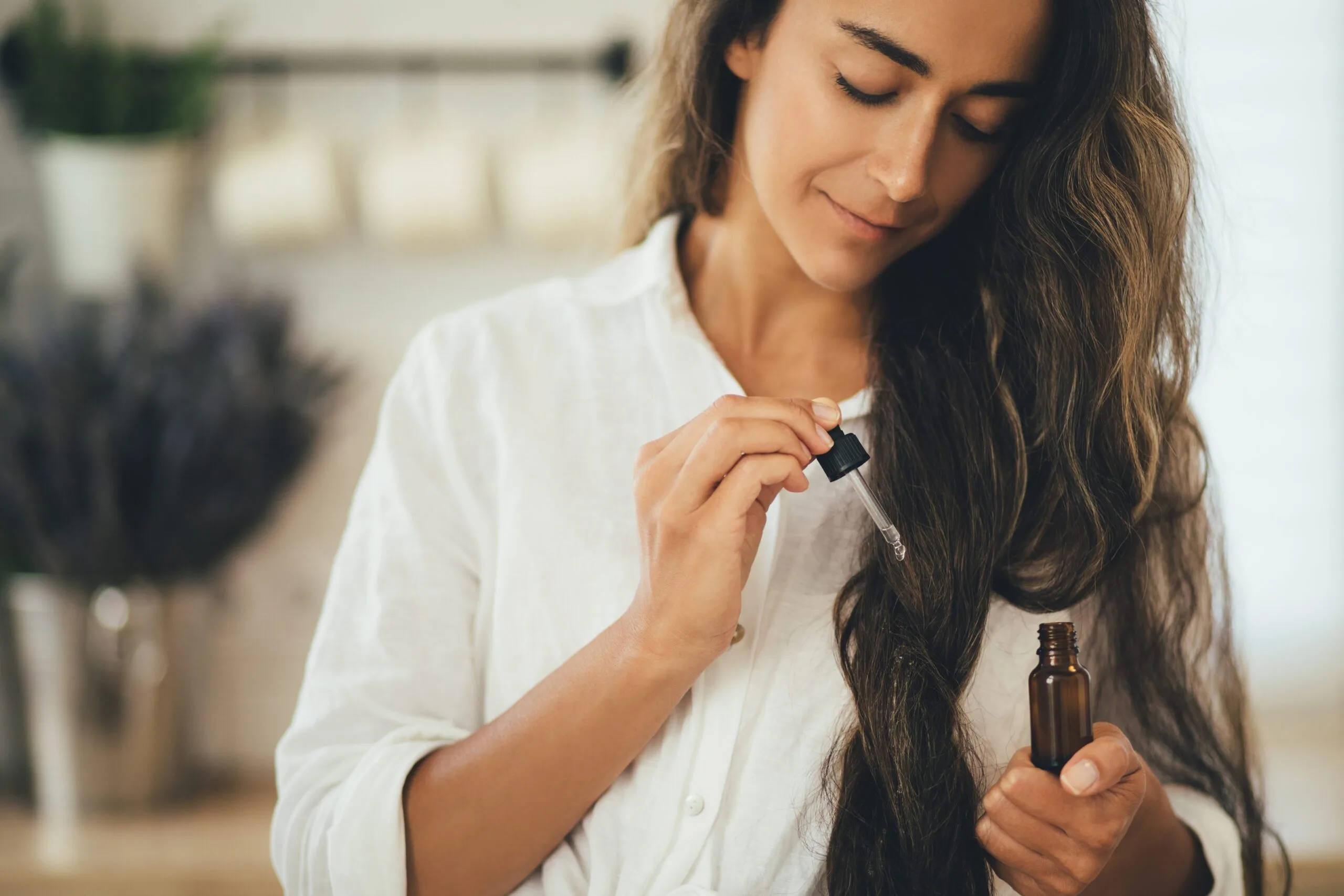
Chelsea Ashira’s Hair Growth Oil is a 100% natural blend of oils and herbs designed to nourish the scalp and hair while supporting the appearance of stronger, healthier hair.

The ritual around an oil can be just as important as the product itself. Parting the hair carefully. Applying a small amount rather than saturating the scalp. Taking a few minutes to massage it in. Noticing whether your scalp feels dry, comfortable, oily, or irritated.
Hair growth and shedding are influenced by many factors, including genetics, hormones, nutrition, medications, age, stress, and scalp conditions. A cosmetic hair oil cannot address every cause of hair loss, and persistent or sudden changes deserve professional attention.
Hair Care as an Act of Attention
Something happens when you stop treating hair care as damage control. You begin to notice it sooner. The slight roughness at the ends or the way it feels after a week of heat styling.
That is ultimately what makes the distinction between protein and moisture useful. It gives you a language for interpreting what your hair may be communicating instead of automatically reaching for the newest solution.
Most of the time, your hair just needs you to stop trying to fix it long enough to understand it.
Back to the Sweater
A few weeks later, she pulls the same sweater over her head. The collar catches her hair again. This time, she notices, but there is no tugging, no little knot of strands caught against the fabric. Her fingers slide through the ends almost absentmindedly as she straightens the sweater.
It is such a small thing that she nearly misses it.
The most useful way to think about deep conditioning, protein, moisture, and scalp care is as a way of becoming familiar with your own hair.
The next time your hair catches unexpectedly on a sweater collar, you might pause before reaching for another product. You might simply stop and notice because the most important