
Navigating the post-partum period can indeed be a challenging yet transformative journey for new mothers. Physically, the body undergoes significant changes as it recovers from childbirth. Hormonal shifts, fatigue from disrupted sleep patterns, and the demands of breastfeeding or caring for a newborn can take a toll on both physical and mental health. Emotionally, many mothers experience a rollercoaster of feelings, from overwhelming love and joy to anxiety, stress, and sometimes, post-partum depression or anxiety disorders.
The importance of self-care during this period cannot be overstated. A new mother’s ability to care for her baby is directly influenced by her own well-being. Ensuring she gets adequate nutrition, rest, and support is essential for her physical recovery and emotional resilience. This is where supplements designed to support post-partum health can play a crucial role.
Supplements tailored for new moms often address specific needs such as replenishing essential nutrients depleted during pregnancy and childbirth, supporting lactation, and promoting emotional balance. For example, omega-3 fatty acids are beneficial for brain health and mood stabilization, while iron and calcium help replenish nutrient stores and support bone health post-pregnancy. Vitamin D is important for immune function and bone strength, which can be particularly beneficial during the early stages of motherhood when outdoor exposure may be limited.
Moreover, supplements that support stress reduction and hormonal balance can aid in managing the emotional ups and downs commonly experienced post-partum. Adaptogenic herbs like ashwagandha and rhodiola are known for their ability to support the body’s stress response, while herbs like chasteberry (vitex) can help regulate hormones and support overall hormonal balance.
By prioritizing her own health and well-being, a new mother not only enhances her own recovery but also sets a foundation for a positive post-partum experience. This proactive approach not only supports her in caring for her newborn but also promotes long-term health benefits that extend well beyond the early months of motherhood.
Post Partum Woes
As women adjust to life after childbirth, they are often met with many health challenges. Fatigue is a common issue, compounded by interrupted sleep patterns and the need for extensive baby care. Hormonal changes can produce mood swings, tension, and even despair, a condition known as postpartum depression or anxiety.
Physical healing requires dealing with discomforts such perineal pain, recovery from caesarean sections, and postpartum hemorrhage. Breastfeeding has several difficulties, including engorgement, mastitis (breast infection), and latch or milk supply issues.
Nutritional difficulties arise when the body becomes deficient in important minerals such as iron, vitamin D, and omega-3 fatty acids during pregnancy. Additional responsibilities and dealing with stress can all affect health.
Urinary incontinence and pelvic organ prolapse are very frequent postpartum issues. Women may also experience chronic pain, such as back pain or joint soreness after pregnancy and childbirth, as well as post-partum thyroiditis, which can induce transient thyroid abnormalities.
Changes in blood clotting factors also increase the likelihood of post-partum blood clotting problems. Given the unique nature of each woman’s experience, it is vital to communicate these issues with healthcare professionals in order to provide effective postpartum management and support.
The Emotional Roller Coaster of Being a New Mom
Women’s emotional and physical states alter significantly after childbirth. Emotionally, transitioning to new duties and obligations as a mother can be difficult. Hormonal variations can lead to mood swings, impatience, and increased sensitivity. Many women suffer post-partum blues, which are characterized by emotions of melancholy, worry, or weepiness that can continue for several weeks following childbirth.
For some women, these emotional challenges worsen into postpartum depression or anxiety disorders, which can hinder daily functioning and bonding with the infant. These disorders can be distinguished by chronic feelings of sadness, hopelessness, guilt, or worthlessness, as well as changes in appetite, sleep problems, and difficulty concentrating.
Physically, the body changes dramatically after childbirth. Healing perineal rips or incisions is an important aspect of the postpartum recovery process, whether vaginal or caesarean. Hormonal fluctuations affect milk production and nursing, leading to engorgement, mastitis (breast infection), or latch and milk supply issues. Caring for a newborn causes disruptions in sleep habits, which can contribute to weariness.
Overall, the mental and physical toll of the postpartum period differs greatly between women. While many women face these issues to some extent, obtaining help from healthcare experts, family, and friends can play a critical role in managing and overcoming these difficulties, enabling a healthier transition into parenthood.
Baby Blues: A Trailblazing Journey in Postpartum Wellness
Baby Blues was founded in 2020 by Jamie Ahler, a dedicated mother of two boys, and has emerged as a light of hope in the world of health and wellness. At its core is a transformational postpartum hair vitamin created exclusively for mothers. This one-of-a-kind solution contains critical vitamins and collagen, painstakingly formulated to repair nutrients lost during childbirth while also encouraging healthy hair development throughout the postpartum period.
Jamie Ahler’s idea for Baby Blues came from her own emotional experience with postpartum hair loss. Reflecting on her experience, she recalls, “About three months after giving birth, I finally felt like I was getting the hang of things and the worst was behind me. Little did I expect the devastating blow of postpartum hair loss. Standing in the shower, watching strands of hair clump down the drain, I realized my appearance was about to change significantly. My doctor hadn’t warned me about this, and I was caught off guard, scared, and in disbelief.”
“When I became pregnant again,” Jamie shares, “I found myself grappling with the lingering anxiety from my previous experience of extreme hair shedding. I completely overhauled my supplement regimen to prioritize hair health, stimulate growth, and minimize further shedding.”
Baby Blues is more than just a tribute to Jamie Ahler’s personal experience. Baby Blues is a lifeline for many mothers suffering with the hardships of postpartum hair loss. Baby Blues aspires to empower women via science-based solutions and continues to revolutionize postpartum wellness, providing mothers worldwide with support, comfort, and rejuvenation.
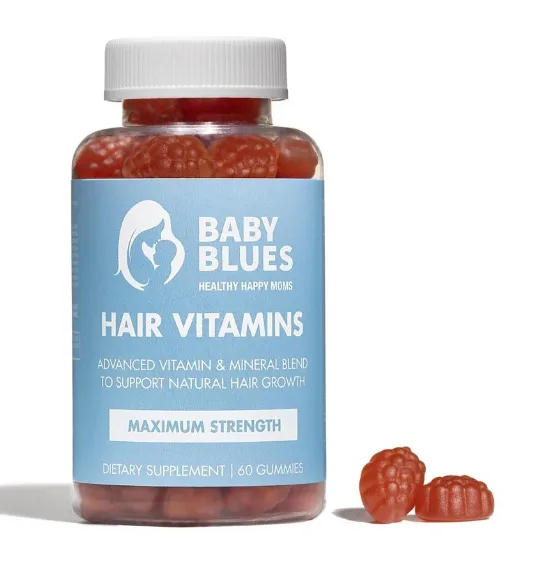
Postpartum Hair Vitamins
Stress, sleep deprivation, and dietary deficiencies can all have an adverse effect on hair health after childbirth. These factors, combined with the demands of breastfeeding, which require sharing important nutrients with the baby, may increase the risk of hair loss and thinning in mothers who become deficient. While taking prenatal vitamins helps the newborn develop during breastfeeding, they may not provide all of the nutrients required for the mother’s hair health and growth. Replenishing these vitamins and minerals is vital for preventing postpartum hair loss and promoting hair growth.
Baby Blues Vitamins has created a proprietary combination that effectively combats postpartum hair loss. This combination focuses on reintroducing vital nutrients necessary for hair health back into the hair cycle, hence increasing hair growth and improving texture.
Baby Blues Vitamins developed a specific combination to effectively prevent postpartum hair loss. This combination focuses on bringing essential nutrients for hair health back into the hair cycle, resulting in increased hair growth and improved texture.
Baby Blues Vitamins include the following important ingredients:
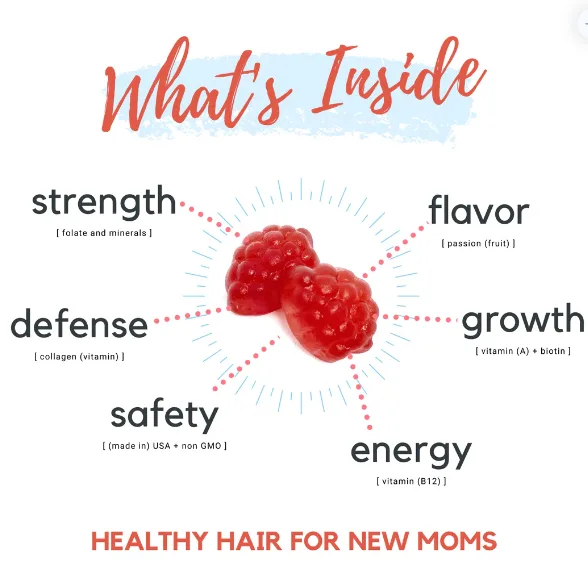
• Biotin stimulates keratin formation in hair follicles, leading to healthy hair growth.
• Collagen strengthens hair proteins and improves skin flexibility at the roots, leading to thicker, longer hair.
• Vitamin C nourishes hair follicles and promotes iron absorption, essential for hair development.
• Zinc and folate are essential for healthy hair development and tissue repair.
• Vitamin A promotes cell growth and sebum production, resulting in a moisturized scalp and healthy hair.
• B12: Increases oxygen-rich blood flow to hair follicles, which aids in hair growth.
• Vitamin D promotes hair follicle growth and improves hair health.
• Vitamin E offers antioxidant protection for a healthy scalp.
• Vitamin B6 promotes protein metabolism in hair follicles, essential for hair renewal and development.
This maximum-strength product is designed to prevent hair shedding and improve hair quality immediately, giving mothers a dependable solution for restoring hair health and confidence throughout the postpartum period.
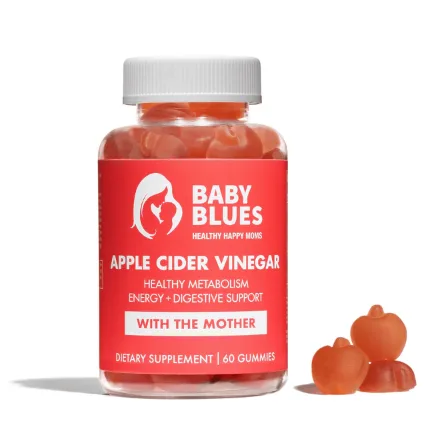
Apple Cider Vinegar Gummies
Baby Blues’ Apple Cider Vinegar Gummies have become a go-to solution for women dealing with poor energy, postpartum bloating, appetite management, and weight loss concerns. These problems have an impact not only on the physical changes in the body, but also on a mother’s self-confidence during this transforming era.
The primary purpose of Baby Blues ACV gummies is to replace energy quickly while also improving digestive health, reducing bloating, and aiding healthy weight control. These candies, which have key ingredients like Apple Cider Vinegar with ‘The Mother’, aid in weight loss by promoting feelings of fullness, managing blood sugar levels, and lowering insulin spikes.
Baby Blues ACV gummies also contain critical nutrients such as Vitamin B12, which is necessary for turning fats and proteins into energy, and Folic Acid, which promotes normal protein metabolism and helps maintain stable insulin levels. This stability promotes the body to burn fat more effectively, which aids in weight loss attempts.
Furthermore, Vitamin B6 in the gummies aids thyroid function, which can be especially good for hormone balance in women, particularly when coping with difficulties such as water retention. Furthermore, the incorporation of iodine supports proper thyroid hormone production, which is essential for regulating metabolism and overall body function.
By addressing these multiple health concerns holistically, Baby Blues ACV gummies help women feel energized, balanced, and confident as they navigate the postpartum journey.

Empowering Motherhood
Baby Blues specializes in creating superior gummy vitamins specifically designed for postpartum recovery, pregnancy support, and the specialized needs of new mothers. Their dedication to moms’ health is evident in their growing collection of ten supplements made exclusively for women during and after pregnancy.
Aside from physical well-being, Baby Blues addresses the emotional and physical issues that new mothers experience with empathy and understanding. Their products are designed specifically to boost body confidence and enhance emotional well-being throughout the transitioning time of parenthood.
Their hair supplements feature a delightful Tropical Lilikoi (Passion-Fruit) flavor, while the Apple Cider Vinegar gummies taste like biting into a ripe red apple with a hint of pomegranate.
With such delicious flavors, taking vitamins is a pleasure. Join the thousands of women who have discovered the benefits of Baby Blues and improve your postpartum experience with their nutritious and delicious supplements today.[/restrict]