
The house is finally quiet. The kitchen table, however, is a different story. There’s a school form to fill in, and a notebook full of questions about an appointment tomorrow. There’s a cup of tea on the table which was made an hour ago and then forgotten. As the evening seems to have finally provided a bit of breathing space, a child calls from the next room. The notebook closes, and the list of things to remember is a little longer.
For so many autism mothers, the day doesn’t end when the house is quiet. There are details to remember, decisions to make, appointments to arrange and questions that will take hours of research to find an answer to. Looking after a child can be demanding, but most of it is invisible to everyone else. There can be a very gradual erosion of the mother’s own needs as they get pushed to the back of the queue.
Self-care for autism moms is invariably talked about as if it just requires finding a spare half hour for a bath or a walk. In truth, it’s a lot more complicated than that.

The Mental Load Nobody Sees
Parenting is already a constant stream of small decisions. When a child has additional support needs, the mental load can be significantly greater. A mother may be researching a particular educational approach one evening and be in the process of preparing for a meeting the following morning while also trying to make sense of a new issue, all within the context of the normal demands of being a parent.
Much of it happens in the background. It’s the information in memory, the details checked twice over, and the scenarios worked through long after the conversation has finished. It’s also the duty a mother feels to speak up for her children, especially when she feels their needs have not been properly understood.
Over time, the pressure can become impossible to ignore. Stress, poor sleep and lack of opportunity to rest will have an impact on a mother’s well-being. Every carer’s experience will be different.
When Caring for Everyone Else Becomes the Default
The Autism Moms Apothecary story started with a mom of three; two of the children were on the spectrum with very different levels of support required. Over the years, she’d been researching various supplements and routines to help her children flourish. One of her children can communicate to a degree; the other is non-verbal and has quite a high level of support needs.
She spent hours reading articles, joining Facebook groups, looking at supplements, and exploring ingredients. Every new source added to the mountain of information to consider and decisions to make. Through it all, she began to lose sight of her own needs. The realization was quite simple. She’d developed excellent research skills and had never really thought about applying that same level of determination to her own well-being.
This is a very common situation for a lot of carers. Looking after themselves doesn’t tend to take precedence over the immediate needs of the child. Personal health shouldn’t be any less important just because someone else is relying on them.
Turning Research Into Something More Practical
For the founder, the fact that she needed to look after herself led to another question. Why should finding the right wellness products mean trawling through hundreds of companies, comparing ingredients and trying to remember which product came from which supplier? The whole business of finding personal support had become another project vying for space in a very full mind. She wanted a simpler way for autistic moms to go and look at supplements, without having to visit so many places to get the information they need.
Autism Moms Apothecary is based on the idea that the mothers of autistic children deserve to be part of the wellness conversation. The concept is about convenience and understanding. It’s not about treating maternal health as an afterthought. The brand has brought together a range of supplements that are specifically for the mother who has little time for herself.

Making Room for Cognitive Wellness
Cognitive wellness deserves attention as part of a broader approach to health. Concentration, memory, and mental clarity are influenced by many factors, including sleep, stress, nutrition, and individual health circumstances.
Autism Moms Apothecary’s Moms Mental Clarity is designed for mothers interested in exploring cognitive support as part of their wellness choices. It offers an option to consider alongside the everyday habits that help support general health.
A supplement, however, should not be presented as a shortcut to sharper thinking or a guarantee of better concentration.
The wider message matters as much as the product itself: mothers deserve to take their own mental well-being seriously. They do not have to wait until they can no longer manage their responsibilities before making it a priority.
Health On An Almost Empty Tank
Cognitive wellness is only part of the equation. General health is something that needs to be considered, even when the family calendar is full and personal appointments are easy to put off.
For some mothers, a demanding schedule means eating whatever is available, missing opportunities for movement, or sacrificing rest to finish tasks after everyone else has settled down. Others may find that caring responsibilities make it difficult to maintain the habits that usually help them feel well. These experiences are not universal, and they are not always within a person’s control.
Still, small, realistic steps can make personal health easier to consider. Keeping water nearby, preparing a simple nourishing meal, asking someone to share a task, or arranging a long-postponed checkup may be more useful than setting an ambitious routine that is impossible to sustain.

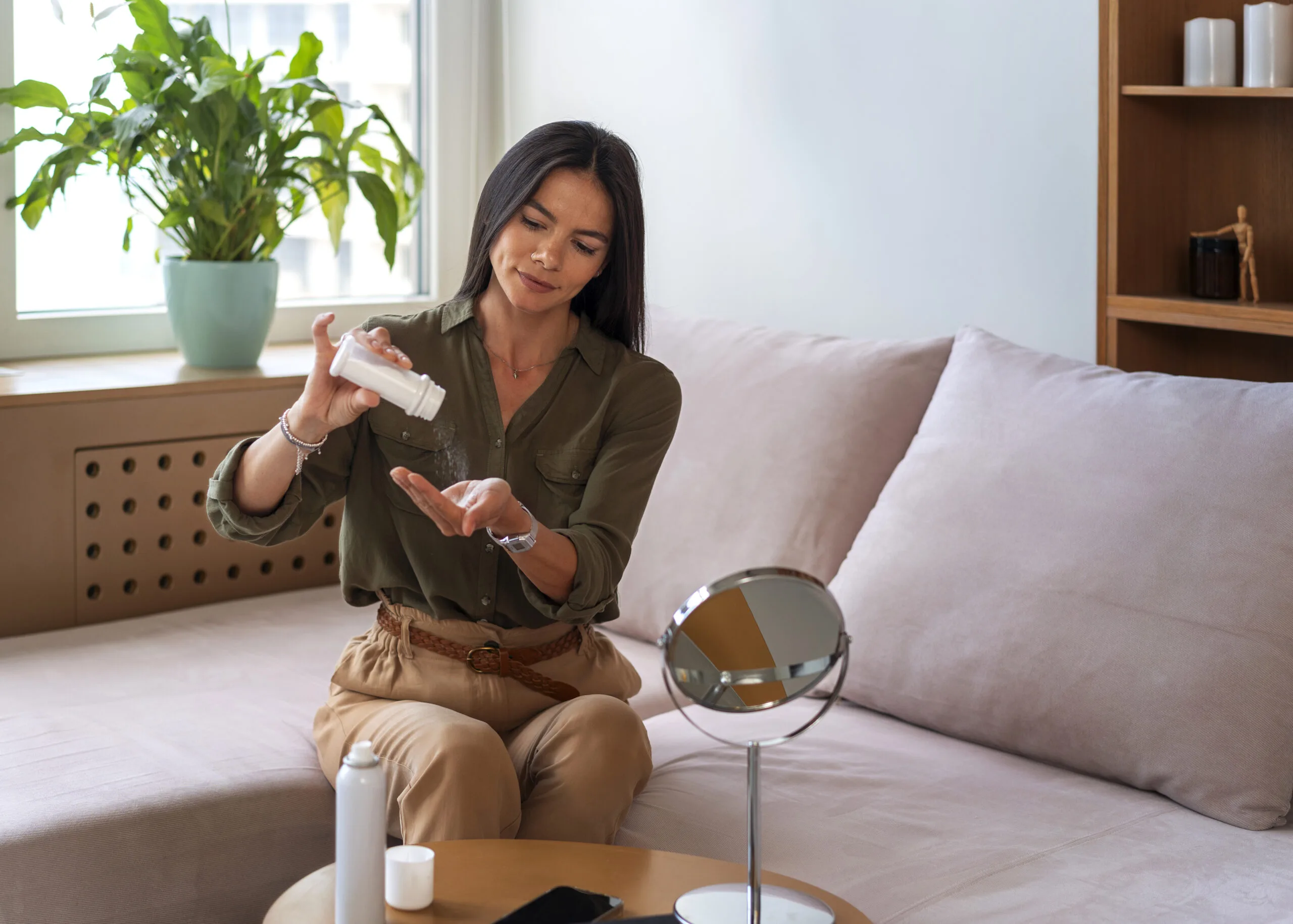
This is where the Mushroom Immunity Drops slot in as another option for mothers who are exploring mushroom-based wellness products as part of their everyday regime. Mushrooms have been used for centuries in traditional health practices; some species are being explored for their biological properties. It’s important not to confuse traditional use with any proof that a particular supplement will prevent infection or give you a stronger immune system. The evidence is very much mushroom- and preparation-specific and will vary depending on the mushroom, the preparation, the dose and the outcome you’re trying to achieve.
Anyone thinking about taking mushroom supplements should check the full list of ingredients, the serving instructions, any potential interactions and whether it’s appropriate for them in their individual situation. Professional advice is recommended when on medication or if a pre-existing condition exists.
The point isn’t to add another pressure to a mother’s day. It’s about making informed decisions about their own health without losing sight of the fundamentals.
The Mother Doesn’t Have To Carry The Load Alone
The founder’s experience is very much the experience of many parents in that they want to understand what their child needs, they want to find out what resources are out there, and they’re prepared to keep on going until they find something that works. That determination can be a very powerful thing in terms of advocacy, but it shouldn’t be a situation where the mother is expected to do it all herself.
Support can be in all shapes and forms. It could be sharing the burden with a partner or a relative or talking to other parents who are going through the same thing. Some questions are going to take time to answer, and no parent can possibly research every possibility.
Autism Moms Apothecary was set up with the intention of making supplement shopping easier for autism mothers, while putting their own wellness at the center.

Putting Mother’s Back on the List
Back at the kitchen table, the school form might still need to be completed. There might be another message to reply to and a few more details to sort through before tomorrow kicks off. Family life doesn’t suddenly become perfectly organized because you have finally decided to take better care of yourself.
The teacup can be replaced with a fresh cup, and the mother can take a few minutes to sit down before going back to the list. That pause won’t solve all the problems, and it doesn’t need to. It’s simply a recognition that the person who is caring is in need of care, too.