
Almost the whole week has gone by, and you find yourself struggling to make time for even a quick exercise. Life doesn’t slow down, making it hard to push aside important errands to work out. This is when you begin asking yourself how you can exercise without making a trip to the gym during a Monday rush. Apart from working out, other things like walking are already part of a person’s daily routine. It might be a morning stroll on the way to work, an afternoon walk with your dog in the park, or simply getting things done around the house during a busy day. This is where wearable resistance equipment comes in. Instead of changing your entire routine just to make some extra time for a workout, weighted fitness accessories add resistance to movements people already do.

The Role of Wearable Weights in Fitness
Traditional strength training often involves equipment, such as dumbbells, kettlebells, and resistance machines. These tools are helpful in fitness; however, they aren’t always practical for activities like walking or yoga. Wearable weights use a different approach. They add removable or fixed weights to clothing or specially designed pieces. Depending on the design, the added resistance can be distributed around different sections of the body. With additional weight, certain physical activities are made more challenging, which can potentially encourage greater muscular effort during movement. Added weights are not always suitable for every activity or individual’s fitness level, so it may be useful to consider factors such as weight distribution, individual comfort, exercise technique, and the intensity of the activity.
The Importance of Weight Distribution
An important factor to think about when choosing wearable fitness equipment is where the weights sit on the body. Equipment that puts too much weight in one area may feel uncomfortable or interfere with certain movements. For example, traditional weighted backpacks can place pressure on the shoulders, while hand-held weights may restrict arm movement during an exercise. Other wearable accessories distribute resistance differently. Waist designs place weight around the midsection, while weighted garments place it around the torso. Both of these approaches are designed to keep the hands free and reduce the need to carry separate equipment. Comfortable wearable weights may be easier to use consistently, since an accessory that constantly shifts, digs into the skin, or restricts movement can make it harder to keep using.
Using a Manageable Amount of Resistance
Using more weight doesn’t necessarily mean a workout will be more effective. For individuals new to weighted exercise, starting with a small amount of resistance may be sensible. Starting with less weight means the individual can become familiar with how the added weight feels during movement. Adjustable equipment can also make this process easier since resistance can be altered depending on the activity or personal comfort.
Weighted walking and strength training are different activities, so it is important that additional resistance does not get in the way of natural walking, balance, or posture. Those with an existing injury or relevant health considerations might want to consult a qualified health professional before introducing weighted exercise to their routine.

How to Choose Comfortable Weighted Fitness Accessories
When choosing wearable weights, the design should complement the activity a person wants to do and should also feel comfortable enough to wear through a whole session. There are several features that individuals can look at before purchasing a product. First is adjustability. Removable weights mean users can customize resistance as needed. Quality stitching and well-designed features can also help keep weights in place.
Breathable materials provide ventilation and extra comfort, especially during longer sessions or in warmer weather. Practicality is also important. Removable weights and washable fabric can make regular care easier. These details can influence whether wearable weights suit an individual’s needs.
Looking at an Approach to Wearable Fitness
W8FIT was developed through a problem its founder observed during one of her fitness classes. In 2011, she noticed her students struggling to hold weights in their hands and feet while exercising. Instead of helping, the equipment was restricting their movement. This experience raised a question in her mind: what if resistance could become part of the clothing people were already wearing? That idea eventually became the brand, which officially launched on June 11, 2012. The founder brought two of her professional backgrounds together: fitness instruction and fashion coordination. As an ACE- and AFAA-certified fitness instructor and personal trainer, her experience gave her an understanding of design, materials, visual presentation, and garment construction. This combination created the foundation of her approach to wearable fitness equipment. Her intention was to create slimmer accessories that move with the body.
Adjustable Walking Equipment: Waist-Based Resistance
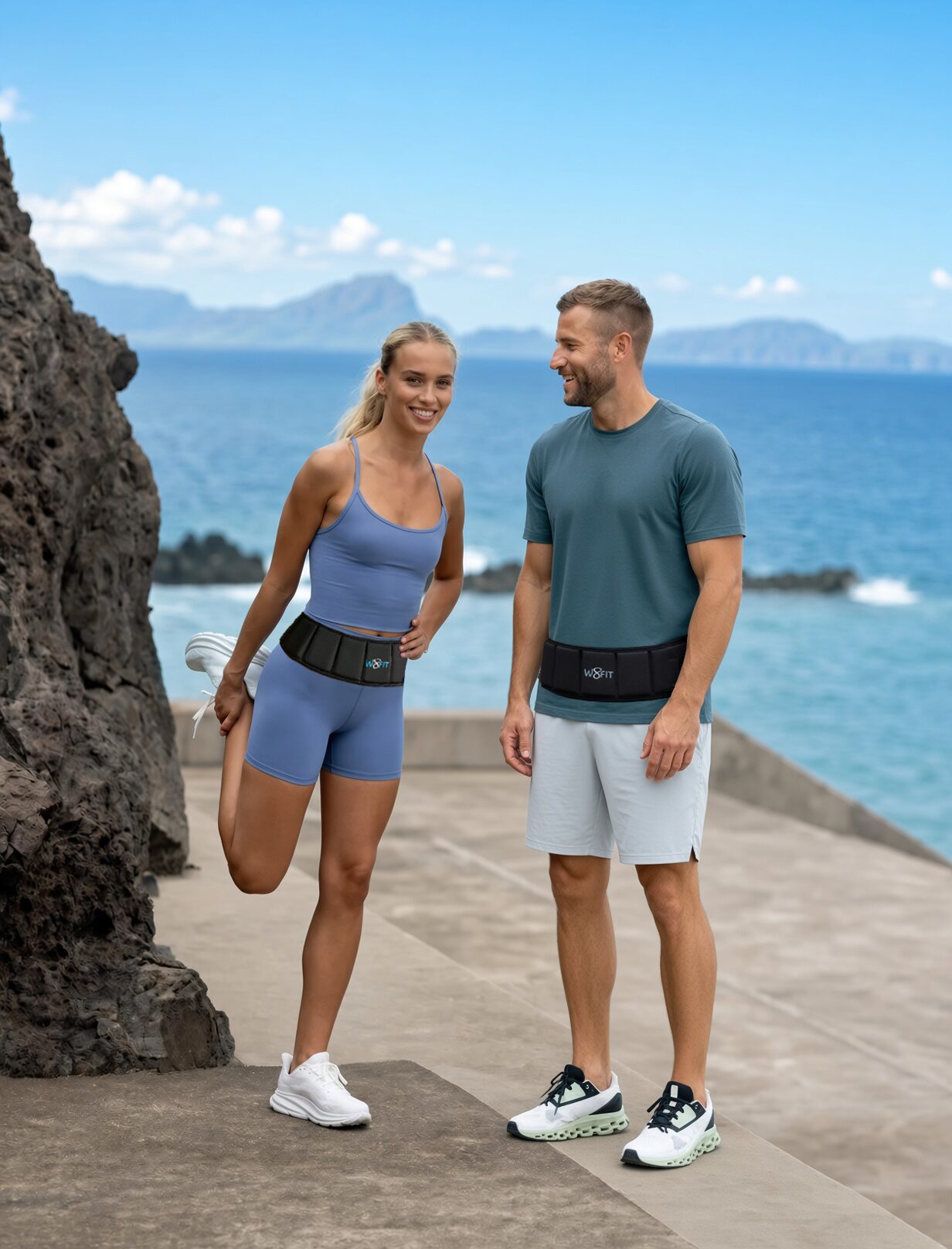
One of the most accessible forms of physical activity is walking. It can be done in different environments, can be adapted to different fitness levels, and often requires little to no equipment. For those interested in exploring weighted walking, a waist-band accessory may provide an alternative to carrying dumbbells or wearing a traditional weighted backpack. The W8FIT Adjustable Weighted Belt was developed around this idea. The belt wraps around the waist and has double-stacked pockets containing small, flat, removable iron weights.
Each weight is half a pound, meaning the wearer can customize the total resistance. The design holds the weights close to the core, avoiding added pressure on the shoulders. According to the brand, the belt comes in five sizes, from XS to XL, with weight capacities ranging from six to ten pounds. It is also machine washable once the weights have been removed.

Combining Fitness Clothing with Functional Resistance
Some wearable fitness equipment integrates resistance into clothing. This approach might appeal to those who prefer minimal equipment and want workout accessories that form part of their clothing. The W8FIT Weighted Walking Bra combines a sports bra and removable resistance.
It includes hidden weight pockets around the torso, which can be adjusted. A front zipper is also included to make putting it on and taking it off simple. At the back, a mesh phone pocket has been added to provide space for a phone or other small items. This design distributes resistance around the torso rather than the shoulders. The bra is available in three sizes, which are measured under the bust. Its loaded weight ranges from 4.8 to 5.6 pounds, depending on the selected size. For those looking for weighted clothing, considering the intended activity matters. If it is designed for walking, it may not be appropriate for running or other movements.
Building a Balanced Routine Around Everyday Activities
Wearable weights should be viewed as a possible addition to a broader approach to physical activity. They do not replace conventional strength training or mobility exercises and instead potentially offer a way to introduce resistance into selected exercises and movements. A balanced weekly routine could include regular walks, either with or without resistance, strength training, mobility work, and rest periods between sessions.A useful routine is usually one that is maintainable and doesn’t include discomfort. If movement begins to feel restricted, removing the weights is always an option.
Beyond the Belt and Bra: Other Wearable Fitness Designs
Apart from W8FIT’s weighted belt and bra, other wearable fitness accessories are available for those exploring other options. The company’s Adjustable Weighted Vest and Ankle + Wrist Weights are another design that integrates resistance into an exercise routine. These accessories are intended to introduce smaller amounts of resistance, which may be suitable for beginners or those with different goals. For instance, someone who prefers targeted strength training might want wrist or ankle cuffs, while another may prefer a vest for a strength-training routine.
A Flexible Perspective on Fitness
There are many different approaches to exercise. Fitness doesn’t have to involve specialized machines or elaborate sessions. Sometimes it involves finding ways to make existing activities more intentional. Certain activities remain the same, and wearable weights simply provide another option. Choosing to use these accessories is entirely a personal decision. The right equipment depends on the person’s preferences and intended use. The main lesson is that movement doesn’t need to be complicated to be meaningful. A consistent walking habit or equipment that supports comfortable movement can contribute to a more adaptable approach to staying active.