

Pasta is a versatile food eaten across many cultures. However, it’s also notoriously high in carbs, which some people may prefer to limit. You may want to avoid wheat pasta or carbs if you follow a low-carb diet, are intolerant to gluten or simply want to avoid feeling bloated and uncomfortable after a meal. But if you don’t want to entirely give up on pasta and the scrumptious sauces it comes with, you might be interested in low-carb alternatives. Low-carb noodles, as the name suggests, are those that have fewer carbohydrates than regular noodles. The human body converts chemical substances called carbohydrates found in food into energy.
Sadly, the majority of heavily processed foods include an excessive amount of carbs. Overconsumption of carbs has the opposite effect on the body, leaving us feeling more fatigued than energized. While regular noodles frequently have a high carbohydrate content, low-carb or keto noodles are prepared with different flours to reduce the carbohydrate content. Even though you might be dubious at first, wait until you give them a taste before making up your mind.
What is a Carbohydrate?
One of the three substantial energy-producing nutrients known as macronutrients is carbohydrates. Proteins and lipids make up the other two. Carbohydrates are a diverse group of carbon, oxygen, and hydrogen-based molecules that are present in food and that the body may digest, absorb, and use as fuel. Carbohydrates are the body’s main source of energy, and if there are enough of them, the body will prioritize burning them over fats and proteins. Sugars, starches, and fibre are the three main nutritional subgroups that are discussed when a nutritionist discusses carbs. These three nutrients are all naturally occurring substances that are found in foods made from plants. It’s crucial to keep in mind that we rarely consume carbohydrates alone unless we’re eating a processed item, like a lollipop or soft drink. Most generally, food is a combination of many nutrients. Instead of using the individual nutrients separately, we develop a healthy eating pattern using the combination of nutrients in the complete food.

Problems of Eating Too Many Carbs
Even when we choose whole foods, we can still eat more energy than our bodies require since we spend a lot of time sitting and not moving around. In actuality, the overconsumption of carbohydrates above what the body requires is what causes our health problems. An excessive intake of carbohydrates puts a heavy metabolic burden on the body. Over time, having high blood sugar levels (the result of digesting eating sugar and starch) causes weight gain, poor metabolic health, and an elevated risk of heart disease. A crucial step in the process is determining the appropriate healthy portion size for you. Each person has somewhat varied requirements for energy and carbohydrates.
[restrict]At this time, guidance from an experienced nutritionist will be quite helpful. Before giving recommendations, a qualified specialist will consider your objectives, metabolic health, level of activity, and nutritional preferences. If they do, please get a second opinion because they shouldn’t provide you with a one-size-fits-all solution.
Start by placing carbohydrate-rich items like brown rice, sweet potatoes, quinoa, rolled oats, whole-wheat pasta, grainy bread, lentils, chickpeas, or corn on the cob on one-fourth of your dinner plate. the remainder of your plate with veggies and foods high in protein. Then, adjust it based on your appetite, energy level, and goals.
Low Carb Noodles Vs. Regular Noodles
If you’re wanting to limit your carb intake, low-carb noodles are an excellent substitute for regular noodles. For anyone trying to increase their health and vitality, or just out of preference, they’re a fantastic choice. The number of carbohydrates distinguishes low-carb noodles from conventional noodles.
Noodles are typically produced from wheat flour or other food starches, such as rice or beans. For instance, 50–70 grams of carbs from wheat flour, which is the typical quantity for noodles, can be found in instant noodles. Traditional noodles often include a lot of calories, carbohydrates, and starches without any nutritional value.
While not all carbohydrates are harmful to your health, excessively refined/processed starches can be harmful to the body. Consuming processed starches has been related in studies to diabetes, excessive weight gain, heart disease, and significant blood sugar swings. Wheat flour and starches are bad choices for nutrition since they are high in calories and carbs.
How Are Low-Carb Noodles Made?
Alternative flour sources, such as beans or chickpeas, yam (Shirataki), or vegetables with a high dietary fibre content (which are indigestible and have no effect on blood sugar levels), are frequently used to make low-carb pasta. As a result, certain varieties of low-carb pasta are high in protein rather than carbs. Most low-carb pasta is comparable to or just slightly fewer calories than ordinary pasta since protein and carbs have the same number of calories per gram (4 calories per gram).
Large quantities can induce gastrointestinal discomfort due to the high fibre content and alternative flours (such as beans) utilized in many low-carb pasta products. Start slowly and observe how your body responds.
Why Not Just Eliminate Carbs?
A lower-carbohydrate diet mainly entails reducing, but not completely stopping, our consumption of carb-rich foods. Naturally, this means that we are eating more protein (such as meat, fish, or eggs) and fat (such as olive oil, avocado, or nuts) overall. It’s crucial to understand that a “ketogenic” diet differs from a “low/lower carbohydrate” diet.
The ketogenic diet (keto) is high in fat and almost entirely excludes carbohydrates. The body is deprived of its main source of fuel, glucose, by doing this. The body subsequently develops new metabolic pathways and begins to work with dietary fat intake and fatty acids from fat reserves.
Over time, the brain will begin to switch from using glucose as an energy source to using ketones, which are created when fat is broken down. We refer to this process as ketosis. While this may sound perfect, it might be difficult to follow the keto diet effectively over the long run. A single “slip up” will briefly knock you out of ketosis because it is considerably more stringent. Overall, it appears that most people would find a low-carb diet to be more long-term maintainable than a ketogenic diet.
Why Should You Eat Low-Carb Noodles?
Even though Italian grandmothers might disagree, noodles are frequently not the focal point of a pasta meal. Why not choose the healthiest pasta varieties as noodles frequently serve only as vehicles for tasty sauces? There are countless advantages to adding low-carb noodles to your diet; they may be a delicious way to enhance your overall consumption of fibre and vegetables, two things that many Americans lack.
According to Stefani Sassos, MS, RDN, CDN, deputy director of the Good Housekeeping Institute Nutrition Lab, low-carb pasta substitutes can be a great mealtime option if you have diabetes or are watching your carb intake because they have a similar taste and texture to the real thing without significantly raising blood sugar levels. They can also be an easy way to add more fibre, protein, lentils, and vegetables to your diet.
About Kaizen Food Company
In response to the increased demand for low-carb and high-protein pasta substitutes, Kaizen Food Company has developed a brand-new superfood, plant-based pasta.
The highest-protein, lowest-carb, plant-based pasta on the market, Kaizen’s pasta is made with lupin beans, an ancient superfood, and each serving contains only 6 grams of net carbohydrates.
Compared to regular pasta, Kaizen’s pasta has 33% fewer calories and 80% fewer carbohydrates. It provides almost twice as much protein and 80% less net carbohydrates than chickpea pasta. It is also grain-free and high in fibre. Each order of Kaizen pasta is accompanied by a “love it” guarantee because Kaizen doesn’t believe that customers should have to sacrifice their pasta experience.
Arash Hashemi, co-founder and CEO of Kaizen Food Company, stated: “More than three years ago, we set out on a goal to produce a healthier form of pasta, one that did not sacrifice on taste or texture and could easily fit into a low-carb diet. “We are overjoyed with the outcomes, but getting here requires a lot of tenacity. For consumers looking for low-carb, high-protein foods that are filling and allow them to enjoy their favourite foods, our pasta is a game-changer. Up until this point, the low-carb pasta industry was somewhat lacking. The other choices lack nutritional value, resemble fake pasta, or are overly carb-heavy, according to Hashemi. We were inspired by our love of authentic pasta. Each and every person can love this spaghetti.”
At Kaizen, they value tenacity, persistence, and ongoing development. Kaizen, in its simplest form, is change for the better. It involves consistently taking tiny, steady steps in the direction of our individual goals and dreams. Being merely 1% better than the previous day helps them to realize their personal objectives and aspirations. They were able to control their health, shed over 100 pounds, and make healthier versions of their favourite foods, like this spaghetti, thanks to this attitude!
About Kaizen Low Carb Pasta Fusilli
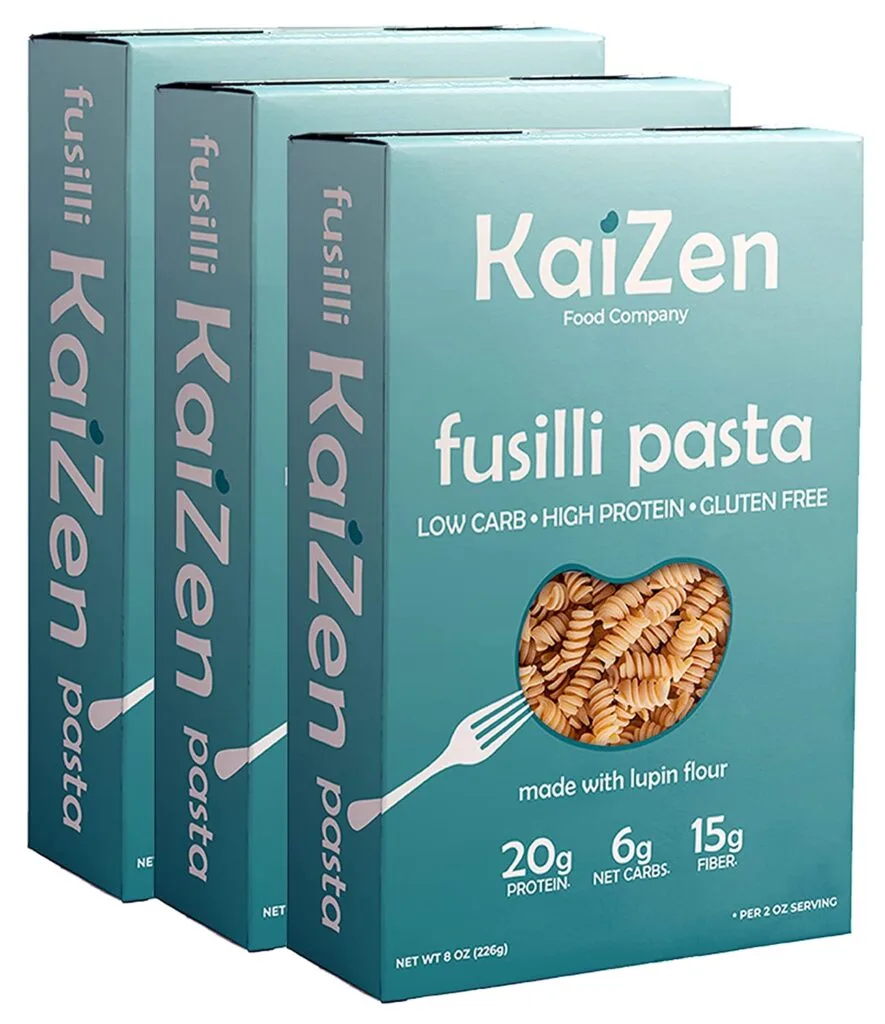
Their NEW Fusilli pasta is the greatest pasta they’ve ever made! Furthermore, it is plant-based, gluten-free, and kosher certified in addition to being strong in protein and low in carbohydrates. Depending on whether you like your pasta al dente or softer, it takes 6 to 10 minutes to cook.
Make delicious variations of your favourite dishes, such as mac and cheese, baked pasta, salads, or plain pasta with red sauce, that are low in carbs and high in protein. There are countless pasta-abilities.
Now available is Kaizen, which cooks and feels like pasta and tastes like chickpea or lentil pasta while being 100% plant-based. Kaizen, which means “change for the better,” is exactly what we applied to their pasta. Compared to regular pasta, this pasta boasts three times as much protein and 80% fewer carbohydrates. There is nothing synthetic. The best of the best.
Enjoy spaghetti once again without the excess carbs and weight. Their pasta is high protein, high fibre, grain-free, keto, low carb, soy free, and tasty. Make delicious variations of your favourite dishes, such as mac and cheese, baked pasta, salads, or plain pasta with red sauce, that are low in carbs and high in protein. There are countless pasta-abilities.
Conclusion
Your energy levels are greatly influenced by the type of food you eat. This is why: In the digestive tract, the majority of carbs decompose into sugar, which is then absorbed into the bloodstream. This is what leads to the ups and downs in energy levels that feel like a roller coaster.
When you transition to a low-carb diet, your metabolism will start using fat for energy instead of carbs and sugar, which will assist your body produce energy. Additionally, the low-carbohydrate foods you consume will automatically control your blood sugar, providing you with a consistent amount of energy throughout the day.
[/restrict]