Most people don’t fall out of shape because they’re lazy. They fall out of rhythm.
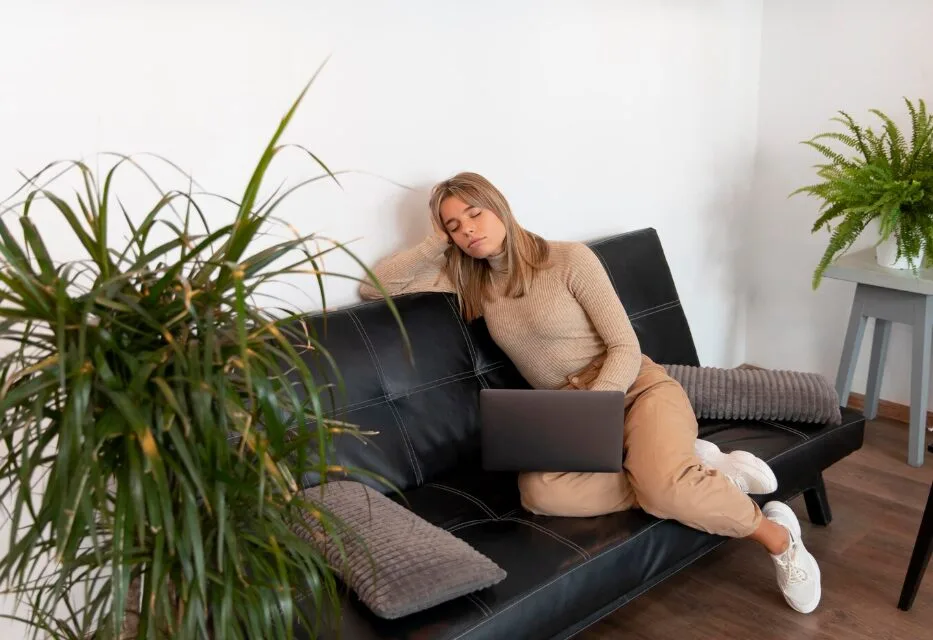
Modern life has a way of pulling the body out of balance without you really noticing it. You sit more than you move. You rush more than you recover. You sleep, but not always deeply enough to feel restored. And somewhere in between work, notifications, commuting, and responsibilities, your body starts to feel off. Not injured. Not broken. Just not quite right.
A bit stiff in the morning. A bit drained in the afternoon. A bit disconnected from the idea of “feeling good in your body.”
For a long time, the answer people were given was simple: push harder. Train harder. Burn more. Do more. That approach is starting to wear thin because most people don’t need more intensity. They need something they can actually keep up with.

The Problem Isn’t You; It’s the Way Fitness Has Been Taught
A lot of modern fitness culture is built around extremes.
You’re either “all in” or “off track.” Workouts are sold as punishments for what you ate or tests of how much pain you can tolerate. And if you can’t keep up, the assumption is that you’re not disciplined enough.
But that’s not what most people experience in real life.
Real life is messy:
- Long workdays that drain your energy
- Tight hips from sitting too much
- Shoulders that never fully relax
- Stress that follows you home
- Sleep that doesn’t always reset you
So, when you try to add intense workouts on top of that, something usually gives. Not because you’re doing it wrong, but because the system isn’t built for how people actually live.
Eventually, exercise becomes something you fall in and out of instead of something that supports you. That’s where things start to shift.
Why Pilates and Recovery-Based Fitness Are Changing Exercise
There’s a growing group of people stepping away from the “no pain, no gain” mindset. Not because they don’t care about health, but because they want something that actually fits into their life without breaking them down.
They’re looking for things like:
- Less stiffness, not more exhaustion
- Better movement, not just more sweat
- Calmer energy, not adrenaline spikes
- Consistency, not extremes
In other words, they’re not trying to become different people. They’re trying to feel better in the bodies they already have.
That shift toward sustainable movement is where The House Pilates built its approach, creating programs designed around strength, mobility, and recovery rather than burnout.
The House Pilates: Fitness That Works with Your Body, Not Against It
The idea behind The House Pilates is simple: your body isn’t a machine you push until it breaks. It’s something you work with. Instead of treating exercise like something you have to “power through,” the focus is on movement that feels supportive, structured, and sustainable.
Not easier, just smarter
This matters especially if you:
- Sit for long hours every day
- Deal with back, neck, or hip tension
- Feel tight but not necessarily “unfit”
- Struggle to stay consistent with intense programs
- Want to feel stronger without feeling wrecked afterward
The goal isn’t to push your body into exhaustion. It’s to help it function better in everyday life.

Personalized Training and Pilates for Real Life
Most personal training programs start and end with a routine. You get a plan. You follow it. And if it doesn’t work for your body, you’re expected to push through anyway.
The House Pilates takes a different approach.
Before anything starts, there’s a proper conversation about how your body actually moves and feels in daily life:
- Where you feel stiff
- How you recover
- How much energy you really have
- What your posture and mobility look like
- What your routine actually demands of you
From there, training is built around you rather than a generic template.
That might include:
- Gentle strength work
- Mobility-focused movement
- Posture correction
- Breathing and control exercises
- Recovery-aware programming
As your body changes, the training changes with it, because a good program shouldn’t stay static when you don’t.
Why Personal Training Works Better When It’s Personal
Most people don’t fail at fitness because they lack effort. They fail because the plan doesn’t match their life.
- If a workout is too intense, you burn out
- If it’s too rigid, you lose motivation
- If it ignores recovery, you end up sore and inconsistent
Personalized coaching helps remove that friction. Instead of forcing your body into a system, the system adjusts to your body.
That means:
- Fewer injuries
- Less burnout
- Better consistency
- More realistic progress
- Less “starting over” every few weeks
It’s not about doing more. It’s about doing what actually works for you.

Mindful Movement, Yoga, and Recovery Benefits
A lot of people don’t realize how much tension they carry until they finally slow down.
Shoulders stay slightly raised even when you’re resting. Breathing stays shallow without you noticing. The body stays in a low-level state of stress for most of the day.
That’s where mindful movement comes in.
Flow Yoga
Flow-based movement helps you reconnect breath with motion. It’s not about performance, it’s about rhythm.
People often notice:
- Smoother movement
- Better coordination
- Improved focus
- A sense of “resetting” after stress
It’s energizing, but not overwhelming.
Yin Yoga
Yin is the opposite. It’s slow, quiet, and held.
At first, it can feel like you’re doing very little. But over time, it helps release the kind of tension you don’t even realize you’re carrying.
It supports:
- Deeper muscle relaxation
- Joint and connective tissue mobility
- Nervous system calming
- Emotional unwinding after long days
Together, they balance each other out. One builds energy. The other releases it.
Progress Isn’t Supposed to Hurt
Somewhere along the way, fitness got tied to suffering. No pain, no gain. Push through. Break limits. But your body doesn’t actually learn that way. It learns through repetition, recovery, and consistency.
Real progress looks more like:
- Waking up less stiff
- Moving without thinking about it
- Having more energy during the day
- Feeling less tight after sitting
- Being able to stay active without crashing afterward
Not dramatic transformations. Just a body that feels easier to live in.
The Goal Isn’t to Train Harder; It’s to Stay Capable Longer
If you strip everything back, fitness really isn’t about extremes. It’s about whether your body supports your life.
- Can you sit, stand, walk, lift, and rest without discomfort?
- Can you handle stress without feeling physically drained?
- Can you stay active without constantly needing to “recover from life”?
That’s what matters. And that’s where a more sustainable approach to movement starts to make sense. It becomes a way of taking care of yourself in a world that doesn’t slow down.
A More Realistic Future for Fitness
The fitness world is slowly changing. People are starting to step away from routines that feel punishing and toward ones that feel sustainable. Not because they’re lowering standards, but because they’re redefining what success actually looks like.
It’s no longer just about how hard you can push. It’s about how well you can keep going.
A Different Way to Think About Fitness
You don’t need a more intense fitness routine. You need one that fits your life.
- One that respects your energy.
- One that works with your body instead of against it.
- One that helps you feel stronger without leaving you exhausted.
That’s the direction The House Pilates represents: fitness that supports real life. Not movement as punishment, but movement that helps you feel stronger, move better, and keep showing up for the life you want to live.