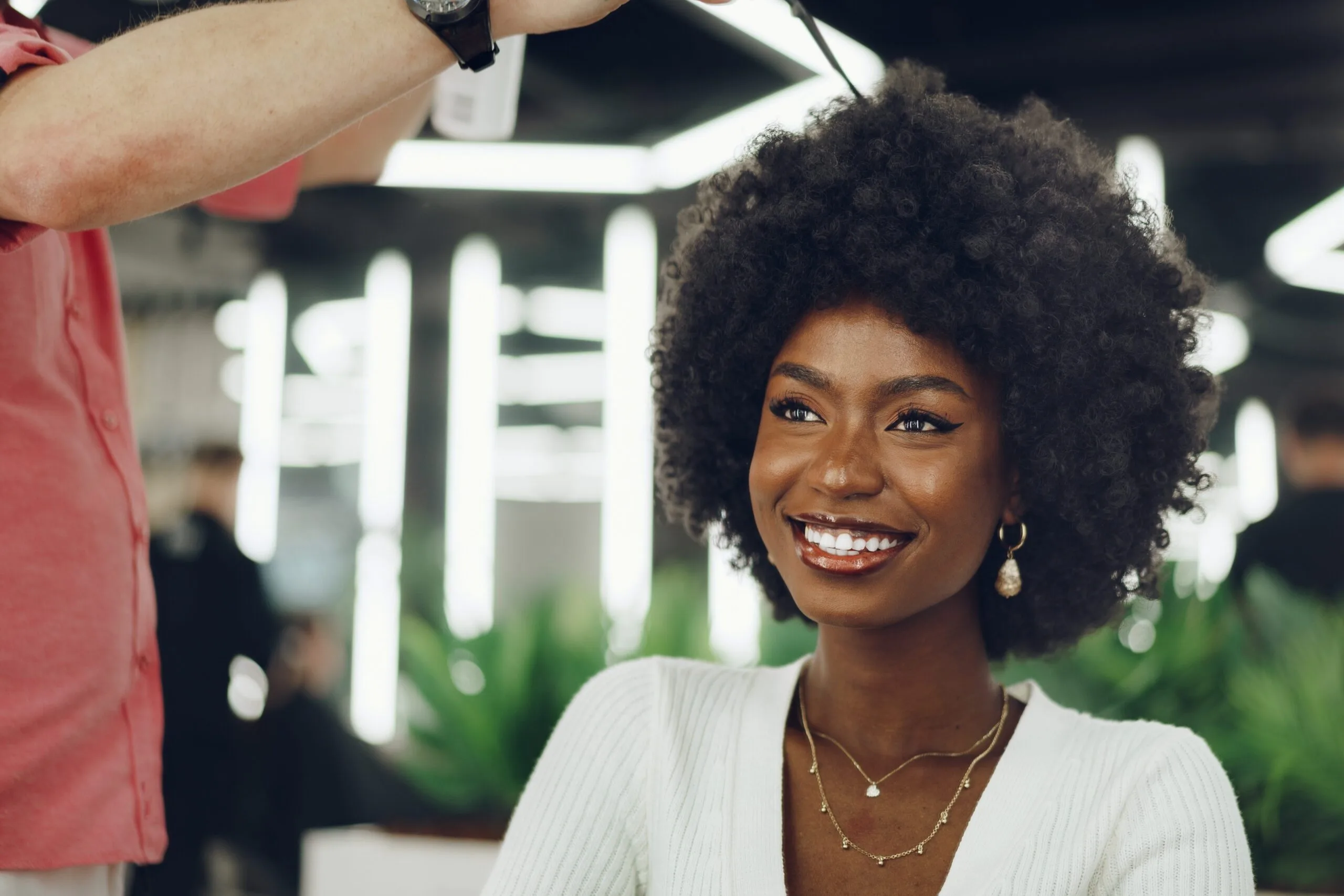

Women of color typically stand out in the vibrant tapestry of beauty due to their unique and diverse skin and hair needs. Unlike their Caucasian counterparts, women of color’s hair and skin have unique characteristics and challenges that require customized care. The abundance of melanin, the variety of curl patterns, and the proclivity for dryness are just a few of the features that differentiate their beauty journey. This elevates skin and hair care from a routine to a necessity, a way to nourish and celebrate their inherent beauty.
Healthy skin and hair aren’t only cosmetic attributes; they are indicators reflecting your general well-being. Skin conditions like hyperpigmentation or acne, as well as hair problems like breakage or scalp infections, may suggest more serious health problems.
Vegan hair and skin care products enhance natural beauty. Plant-based therapies offer gentle yet effective care that is free of poisons and irritants, unlike the chemical-based alternatives. These products capitalize on nature’s capacity to nourish, cure, and enhance, making them particularly beneficial to women of color. Vegan products employ a holistic approach that not only meets the special needs of melanin-rich skin and textured hair, but also promotes overall health and well-being.
As you go deeper into the realm of vegan hair and skin care, you’ll look at how these natural products may help women of color handle the unique difficulties they experience, providing answers that are both empowering and effective. Join this journey to appreciate natural beauty and learn why being plant-based is healthier for your skin, hair, and health.
Nurturing Natural Beauty: Tailored Vegan Skin and Hair Care for Women of Color
Women of color’s complexion and hair differ significantly from Caucasian women, demanding specialized care to meet their specific demands. For starters, women of color’s skin contain more melanin, which provides some natural UV radiation protection but also makes them more prone to hyperpigmentation. This condition, which is characterized by dark patches and uneven skin tone, can be more severe and prevalent in melanin-rich skin. Furthermore, women of color often have a thicker dermis layer, which may influence how the skin reacts to environmental factors and skincare products. While increasing melanin concentration might postpone apparent indications of ageing such as wrinkles and fine lines, it also increases the risk of keloid formation—raised, thickened scars that grow after an injury. Furthermore, women of color’s skin can appear dry and ashy if not adequately moisturized due to its specific structure and demands.
Hair texture and structure differ greatly between women of color and Caucasian women. Women of color generally have a variety of curl styles, ranging from loose waves to tight coils, each requiring special care to keep moisture and prevent breakage. Textured hair’s cuticle layer is more likely to lift, resulting in increased moisture loss and damage. Dispersion of natural oils is a problem in curly hair types which can cause dry scalp and hair. Women of color often style their hair in braids or twists to keep it healthy; however, these styles necessitate extra care to avoid complications such as traction alopecia, a type of hair loss caused by extended tension on the hair.
Skin hydration and moisturization are essential for preventing dryness and maintaining the natural barrier. Products must be devoid of harsh chemicals and irritants that might cause hyperpigmentation or keloid formation. Plant-based components are high in vitamins and antioxidants, providing mild but effective care that nourishes the body while minimizing side effects. Hair products should concentrate on sealing in moisture to prevent breakage and maintain hair health. Natural oils, butters, and proteins thicken and strengthen hair, making it more resistant to damage.
Tailored chemicals and treatments are necessary to address individual concerns such as hyperpigmentation and hair breakage. Vitamin C, niacinamide, and licorice root extract can all help to brighten your skin and remove dark spots. Hair strengthening products including natural oils, butters, and proteins promote hair health and resilience. Understanding these distinctions and using products intended to meet the special needs of women of color is essential for maintaining healthy, vibrant skin and strong, resilient hair. Plant-based, vegan cosmetics are a natural and humane method to enhance beauty without the risks associated with chemical-based alternatives.
How Do Hair and Skin Reflect Underlying Health Issues?
Hair and skin are more than just markers of exterior beauty; they also act as mirrors, reflecting our internal health. Changes in the condition of the hair and skin can often indicate underlying health issues, therefore it is critical to pay attention to these indicators.

- Skin as a Health Indicator
Hyperpigmentation, which is characterized by dark blotches and uneven skin tone, can be caused by hormonal abnormalities, such as those found in polycystic ovarian syndrome (PCOS) and Addison’s disease. It can also be caused by inflammation or damage, which indicates underlying illnesses or chronic disorders. Persistent dryness and flakiness could suggest dehydration, dietary deficiencies (such as a lack of essential fatty acids or vitamins A and E), or hypothyroidism. These symptoms could also indicate atopic dermatitis or psoriasis.
Frequent acne and outbreaks may be caused by hormonal imbalances, especially during the menstrual cycle or puberty. They may also signify gastrointestinal issues, stress, or systemic inflammation.
Jaundice, or a yellow tinge to the skin and eyes, may suggest liver issues such as hepatitis or cirrhosis. This disease occurs when bilirubin accumulates in the bloodstream. Unusually pale skin may indicate anaemia, a condition in which the body does not have enough healthy red blood cells. It can also indicate chronic illnesses or nutrient shortages, notably for iron, vitamin B12, or folate.
- Hair as a Health Indicator
Significant hair loss can be caused by hormonal abnormalities, such as thyroid disease or androgenic alopecia. It can also be caused by stress, autoimmune diseases (such as alopecia areata), or dietary deficiencies, particularly of iron, protein, and biotin.
Hair that is very dry and brittle may suggest a lack of critical minerals, such as vitamins A and D, zinc, and omega-3 fatty acids. It could also be an indication of hypothyroidism or another metabolic disorder.
Sudden changes in hair texture, such as hair becoming thin and limp, may suggest hormonal changes or imbalances, which are common after menopause or with thyroid problems.
An itchy, flaky scalp can be indicative of seborrheic dermatitis or psoriasis, both of which might be linked to immune system dysfunction. A fungal infection or allergy could be revealed by chronic scalp problems.
Your hair and skin are more than just aesthetic attributes; they are markers of your overall health. Pay attention to changes, respond quickly, and you can take control of your own general well-being.
The Role of Plant-Based Products
Plant-based skin and hair care products are both mild and effective, making them an excellent alternative to chemical-based products. They use the power of nature to deliver benefits that go beyond superficial beauty. The products target underlying health conditions and promote overall well-being.
Plant-based products are high in vitamin, antioxidant, and mineral content. These natural ingredients nourish and heal the skin and hair, giving them both strength and vitality. Vitamins A, C, and E stimulate collagen production while also guard against damage by free radicals and promote repair at a cellular level. Plant extracts like green tea and chamomile are full of antioxidants that help fight oxidative stress, which is known to cause premature aging and a variety of skin issues.
In hair care, plant-based substances such as coconut oil, shea butter, and argan oil give intense moisture and nourishment. Another significant benefit of using plant-based treatments is reduced exposure to hazardous chemicals.
Plant-based cosmetics also help the skin and hair’s natural functions, resulting in a healthier, more vibrant appearance. Aloe vera and calendula help to calm sensitive skin and minimize redness. Jojoba and almond oil replicate the skin’s natural sebum and helps to balance oil production and keep your skin hydrated without blocking pores.
Beyond their obvious benefits, plant-based products contribute to a more holistic approach to health and beauty. They often adhere to ecological and ethical principles, emphasizing ecologically responsible sourcing and manufacturing techniques. This not only benefits the environment, but also ensures that the objects are free of hazardous pesticides and chemicals, thereby improving their safety and performance.
Your hair and skin are more than just cosmetic or aesthetic qualities; they also indicate your well-being and overall health. Natural skincare and hair care regimens nourish and protect your body, while also contributing to a more sustainable and ethical world.
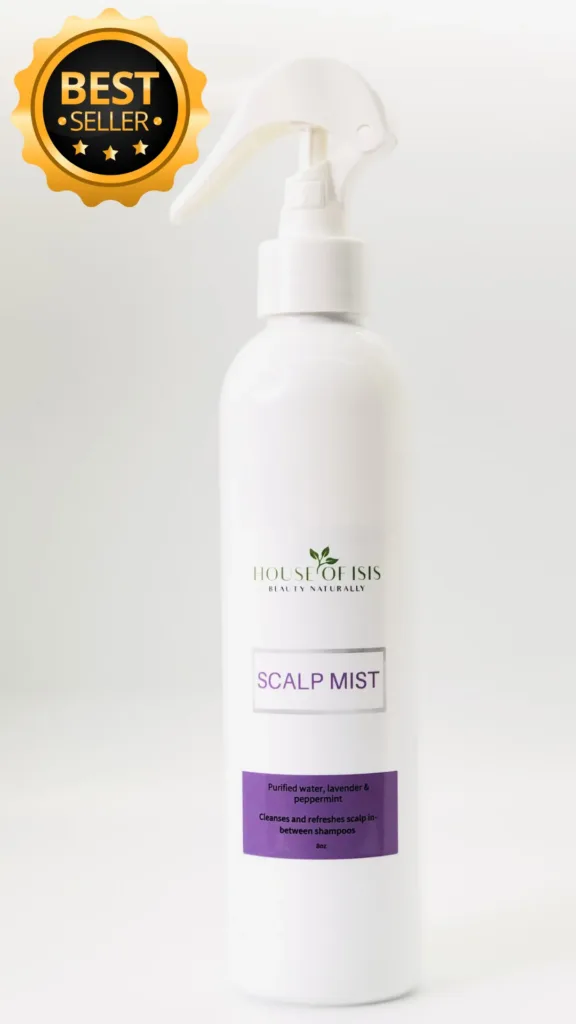
Scalp Mist
Discover a specifically formulated mist that soothes irritated and dry scalps in between washes, bringing instant comfort and regeneration to your hair care routine.
House of Isis mist significantly relieves itchy and dry scalps, reducing discomfort and irritation soon after application. It’s especially beneficial for keeping your scalp healthy while wearing protective styles like braids or weaves, as it provides continual comfort without disrupting your preferred hairstyle. It also serves as a hair aroma refresher, efficiently eradicating undesirable scents gathered from exterior sources, leaving your hair smelling clean and pleasant.
The mist’s hydrating base contains filtered water for a gentle, chemical-free therapy. Lavender essential oil is known for its relaxing properties, which alleviate scalp irritation and promote relaxation. Peppermint essential oil provides a relaxing, cooling effect that helps irritation and dryness while also rejuvenating the scalp.
To apply, gently spray the mist straight onto the scalp or other relevant areas. Gently massage it into the scalp with your fingers to ensure even distribution and absorption. For optimal results, use daily or as needed to prevent dryness and keep your scalp comfortable.
This mist is your go-to option for keeping your scalp healthy and rejuvenating your hair quickly. Whether you’re maintaining protective styles or simply want to rejuvenate your scalp in between washes, our mist claims to leave your scalp feeling cleansed, regenerated, and revived, increasing your overall hair care experience with each application.
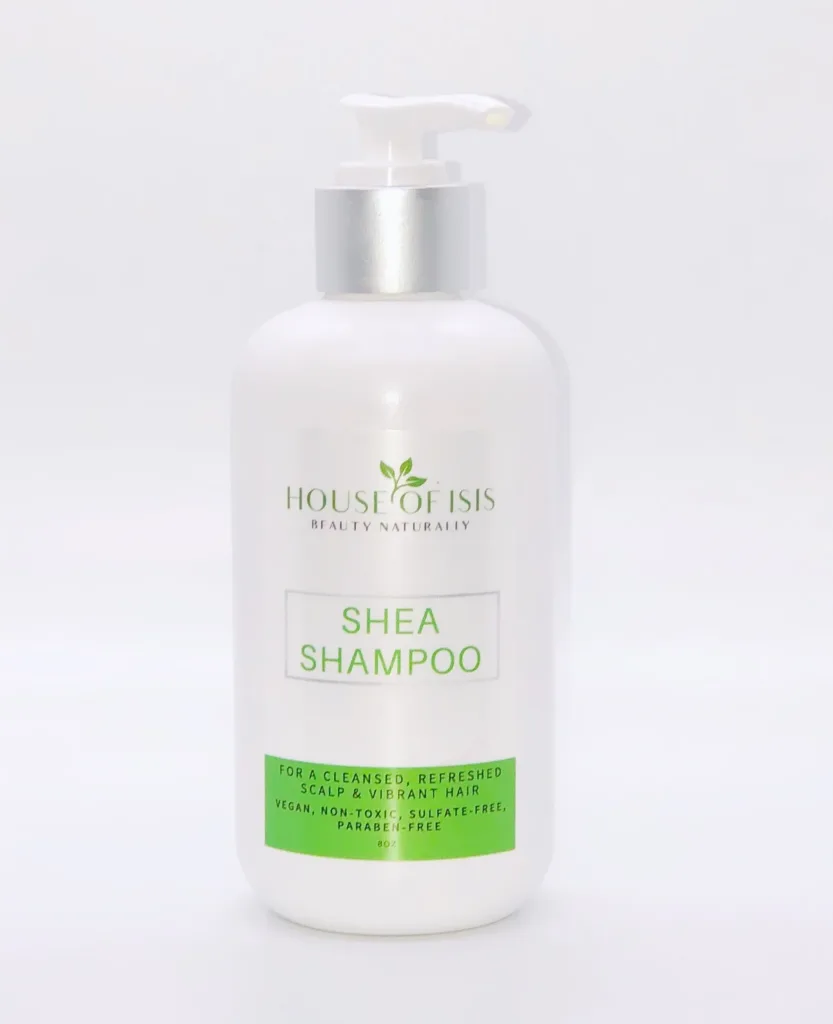
Shea Shampoo
House of Isis’ Shea Shampoo is meticulously crafted with natural ingredients to nourish and cleanse your hair. It includes Castile Soap, renowned for its gentle cleansing properties, combined with cold-pressed olive oil infused with a blend of essential oils: rosemary, peppermint, and cedarwood. These ingredients work together to clean, freshen, and revitalize your scalp and hair.
Shake the bottle before each usage to ensure even component dispersion. Pump the shampoo three to four times over your head and hair before massaging it into your scalp for 1-2 minutes to cleanse and stimulate. Rinse completely, then repeat the process 2-3 times for best results.
Houses of Isis Shea Shampoo is intended to renew the scalp, leaving it energized and refreshed after each wash. Its sulfate-free composition prevents shrinkage, ensuring that your hair retains its natural volume and texture after washing. For best results, use this shampoo with our Shea Conditioner to nourish and hydrate your hair while also supporting overall scalp and hair health.
Revitalizing Beauty: Vegan Hair and Skin Care Solutions for Women of Color
Women of color face distinct hair and skincare concerns, demanding effective solutions that are tailored to their specific needs. Vegan hair and skin care products from House of Isis are effective in addressing these concerns. The Scalp Mist soothes dry, itchy scalps in between washes, while the Shea Shampoo cleanses and revitalizes without harsh chemicals that might cause post-wash shrinking.
Explore House of Isis’ products and learn how vegan skincare and haircare may improve your beauty routine. Incorporate these items into your everyday routine to achieve healthier, more beautiful skin and hair. Your skin and hair demand the greatest possible care, and vegan cosmetics offer a long-lasting and effective solution.