

“In my culture, moisturizing isn’t about vanity. It’s protection. It’s care.” — Founder of Julée Glow
Some skincare routines start with a shopping list; others begin with a coconut, a cutlass, a coal pot, and a lot of patience.
In some St. Lucian households, oil making was the kind of routine that could transform simple household ingredients into something that was carefully worked over for hours. Coconuts were cracked open, meat was ground by hand, milk was squeezed out, and it was simmered slowly until the precious oil appeared. Castor oil had its own process altogether, with beans dried, roasted, and then boiled until it resulted in a rich and dark oil.
Nothing here was ever instant, and that was precisely the point.
Oils were not simply treated as luxury products that were reserved for special occasions. Natural oils for skin were a familiar part of everyday care. Imagine spending hours in the sun, around salty sea air, or simply getting on with life. These oils could then be applied and worked into the skin with the same level of attention that went into crafting them.
For one woman, that very childhood memory followed her and also happened to meet more than three decades of clinical experience.

A Different Way of Looking at Skin
That woman is the founder of Julée Glow, a skincare brand shaped by two very different worlds: traditional Caribbean knowledge and more than three decades of clinical experience in pathology. She developed an understanding of the body that went far beyond what could be seen by simply looking into the mirror. However, during this time, she never lost the lessons that she learned while growing up in St. Lucia. It was a place where plants, oils, and herbs were a natural part of everyday life.
This became incredibly important when she started thinking about skincare from a new angle.
You see, most people view a moisturizer primarily as something that can make the skin look softer and more polished. But the founder began focusing on the experience as a way to care for the skin that is constantly dealing with a number of different challenges, such as changing weather, environmental exposure, and the natural changes that come with age.
Imagine going for a long run on a freezing Rochester morning. Your face is likely flushed, your hands are freezing cold, and your skin is noticeably different from how it looked in the summertime. Now imagine doing the exact same thing, but in the bright sunshine, with heat and wind ultimately replacing the cold.
Your skin is there through all of it.

Where the Story Meets the Skin
This is the very everyday reality that inspired the founder of Julée Glow to take a trip down memory lane and revisit the oils that she grew up with. She was an all-season runner, and this experience led her to rely on ingredients that she eventually decided to bring forward when formulating her body butter. The encouragement that she got from friends and family who’d tested the formula helped her transform a personal skincare journey into a widely shared product.
The Anse La Raye Body Butter is named after a coastal town in St. Lucia, reflecting how deeply connected it is to something much older than the modern beauty industry. Julée Glow’s Anse La Raye Body Butter brings traditional Caribbean skincare ingredients into a modern handcrafted formula, creating a natural body butter rooted in both heritage and thoughtful formulation.
This formula doesn’t consist of a long list of complex-sounding ingredients. Instead, the body butter focuses on a collection of traditional, yet familiar, oils, butters, and other botanical ingredients such as the following:
- Shea butter – provides the rich, creamy base associated with a traditional body butter.
- Coconut oil – brings in one of the most recognizable ingredients from the founder’s Caribbean upbringing.
- Jojoba oil – adds another plant-derived oil to the blend.
- Sweet almond oil – contributes to the formula’s soft, emollient feel.
- Castor oil – another ingredient with deep roots in the founder’s childhood skincare memories.
- Rosehip oil – included as part of the botanical oil blend.
- Lavender – adds an aromatic botanical element.
- Manuka honey – brings a naturally rich ingredient into the formula.
- Frankincense – rounds out the blend with its distinctive botanical character.
The goal was to handcraft small batches that reflect the belief that skincare does not need to be rushed. It should be meaningful and intentional and should carry true value.

How to Moisturize Dry Skin Without Overcomplicating It
There is so much advice and opinion that has surfaced on social media regarding skincare, which means that the idea of using oils and butters can sometimes get lost in all the noise. Some people swear by a five-step routine, while others recommend stripping it down to the basics.
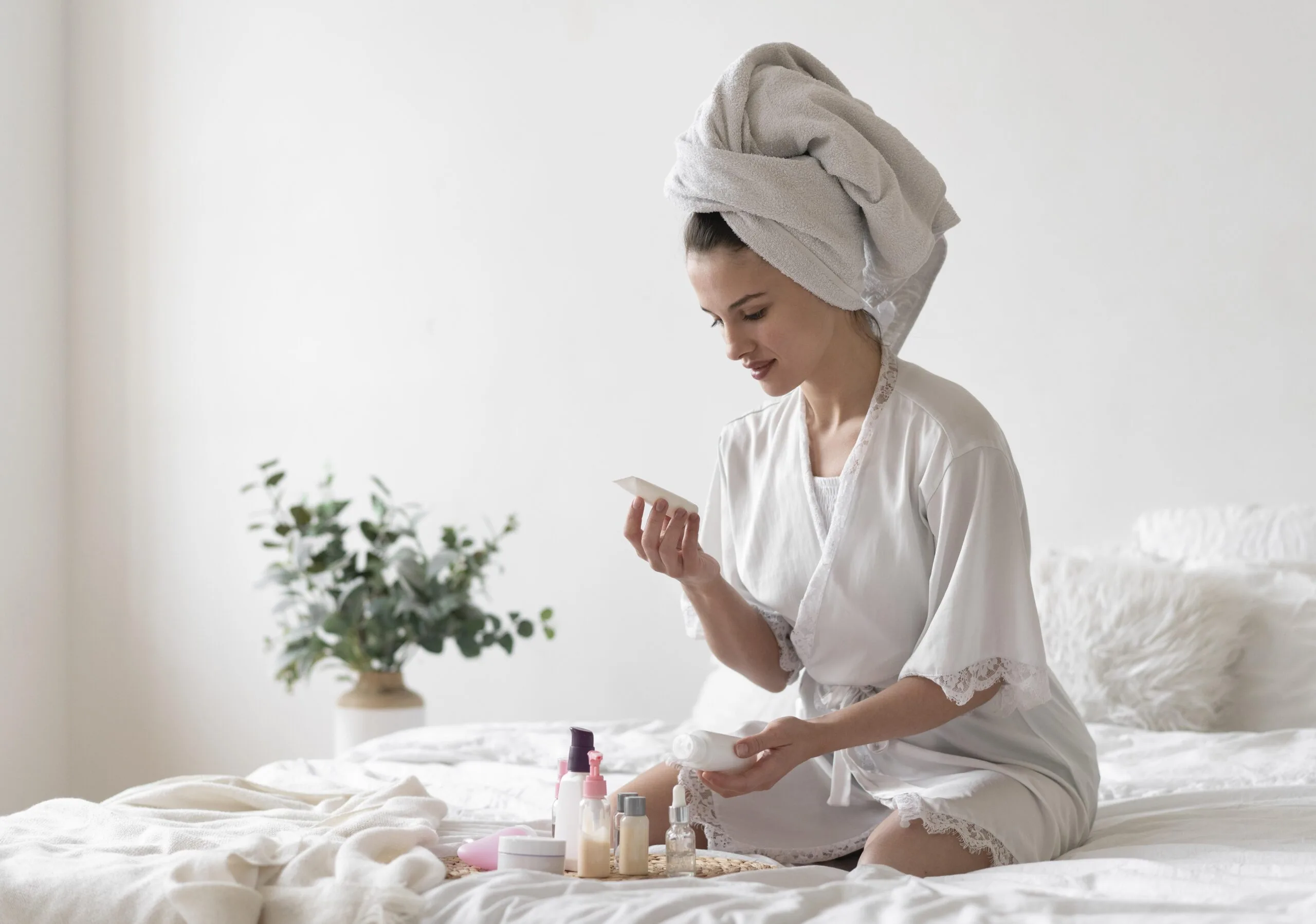
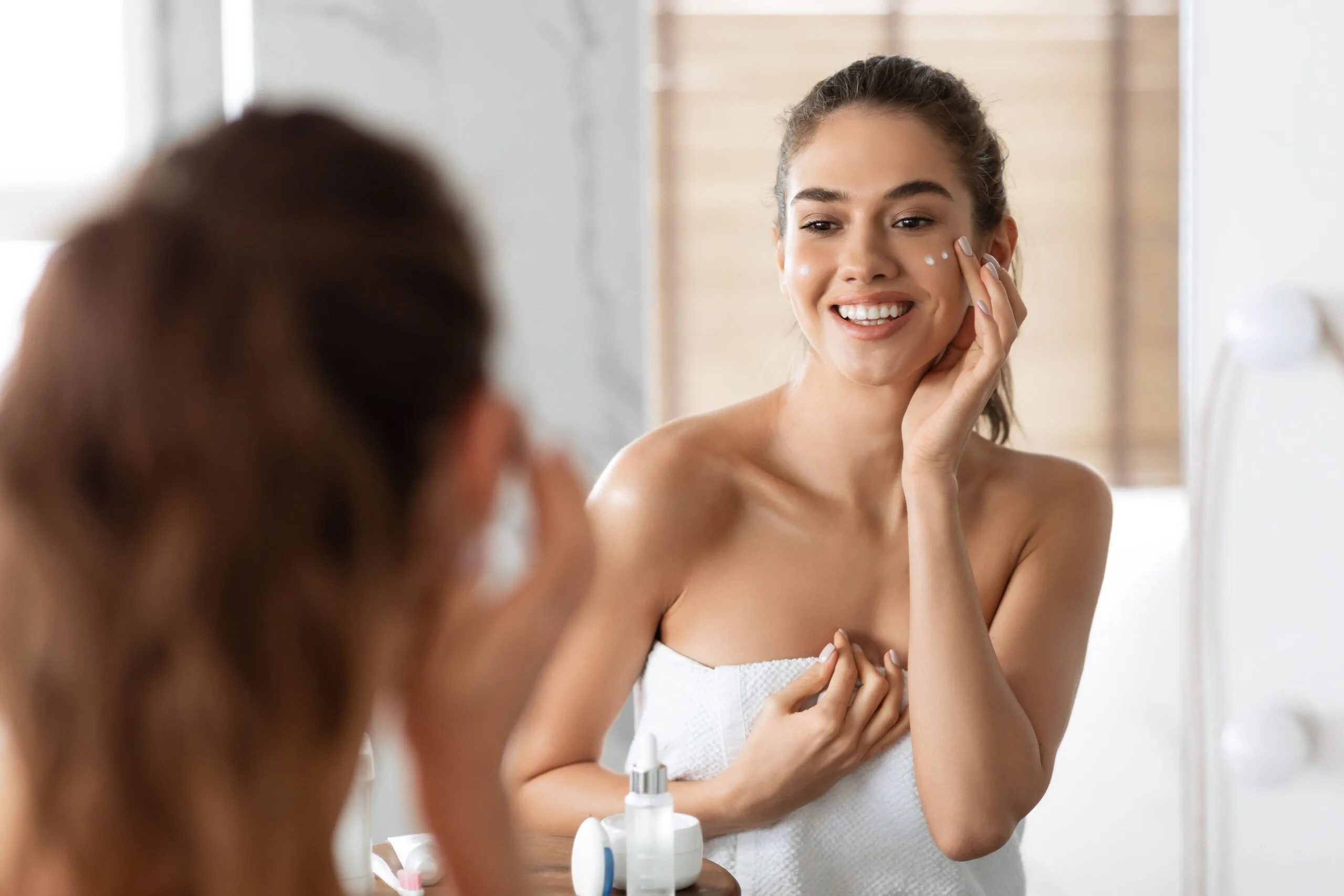
But when it comes to how to moisturize dry skin, the answer does not necessarily require a complicated routine. Once you drown out the noise, there is a simple concept to understand: moisturization matters.
So, what are some of the best ingredients for dry skin? Rather than looking for one magical ingredient, it can be more useful to consider how different moisturizing ingredients work together in a formula.
Research on skincare in older adults suggests that leave-on products containing moisturizing ingredients, such as emollients and occlusives, may help manage dryness and provide skin barrier support. A systematic review published in The British Journal of Dermatology highlights that evidence may vary depending on the strength and quality of the available research, but also suggests that using moisturizing components could be a part of basic skin care to help maintain skin integrity.
Later, a systematic review found that lipophilic leave-on products that contain moisturizing ingredients may be helpful when it comes to dry adult skin.
Moisturizer is not meant to be viewed as a miracle worker, and one single natural ingredient does not automatically make a formula better. It is important to consider how the formula comes together, how it feels on your own skin, and whether it can realistically blend into your everyday routine.
A randomized controlled trial compared virgin coconut oil with mineral oil in people with mild-to-moderate dry skin. This trial found improvements in skin hydration with both oils. While this does not prove that every coconut-oil-based product will yield the same results, it offers a little insight into why coconut oil for skin hydration has found a place in moisturizing routines.
The Secret Ingredient? Patience
Another detail that is incredibly interesting about this body butter has nothing to do with the ingredients. It is temperature.
This brand also takes a very careful approach to formulation by focusing on precision, which is a trait that the founder gained through her pathology career. She experimented with temperatures and preparation methods in order to achieve her desired consistency. It took around ten batches before she eventually got it right.
It took a while, but she eventually found the perfect balance. This process reflects the simple idea that formulation takes patience.
The modern beauty culture praises instant results, which is why there is something that feels refreshingly human about skincare that takes a slower and more precise approach. The story behind the body butter isn’t about the natural ingredients but rather about the memories, tradition, and patience that are instilled into it.
Coconut and castor oils connect back to the founder’s childhood, and her professional experience is what ultimately shaped the formula. The journey has always focused on intentional care.
Sometimes, looking after your skin just