
Holistic therapy has been practiced for thousands of years in countries like China and India, but as cannabis prohibition dissolves, the term “holistic cannabis treatment” is becoming more and more common. Cannabis is being utilized to improve the practice of holistic medicine, which takes an all-encompassing approach to a person’s health with the aim of harmonizing all facets of the mind, body, and spirit. In other words, cannabis enables the patient to consider how the entire plant might be beneficial to the entire person. The concept of holistic medicine was originally mentioned by Socrates in the fourth century B.C., who said that treating only one part of the body would not have the same beneficial results as treating the entire body. Instead than treating separate disorders, holistic medicine focuses on an entire equilibrium. Considering that a healthy endocannabinoid system (ECS) indicates a body in equilibrium, including cannabis simply makes sense (balance). According to current medical trends, a “integrated, holistic approach” is the best method to care for patients. Integrating complementary or alternative medicine with a patient-centered and data-driven approach puts doctors in a better position to treat and care for their patients’ bodies, minds, and spirits. In other words, medical professionals who use integrated medicine will no longer only treat your illness or its symptoms but will instead offer care that is customized to meet your unique medical requirements.
One of the greatest all-encompassing, all-natural healers in the world is the cannabis plant. Prior to contemporary pharma criminalizing its usage and manufacturing, it has long been venerated. Cannabis is a natural ally for patients since it may be used in practical and thorough medical approaches. Cannabis has the ability to offer numerous therapeutic physical and emotional advantages by concentrating on the disease’s underlying causes as opposed to its specific symptoms, particularly when it is coupled with other alternative therapies like yoga, nutritional therapy, and acupuncture. Cannabis, however, is also frequently utilized as an alternative treatment.
Cannabis and Control For the Patient
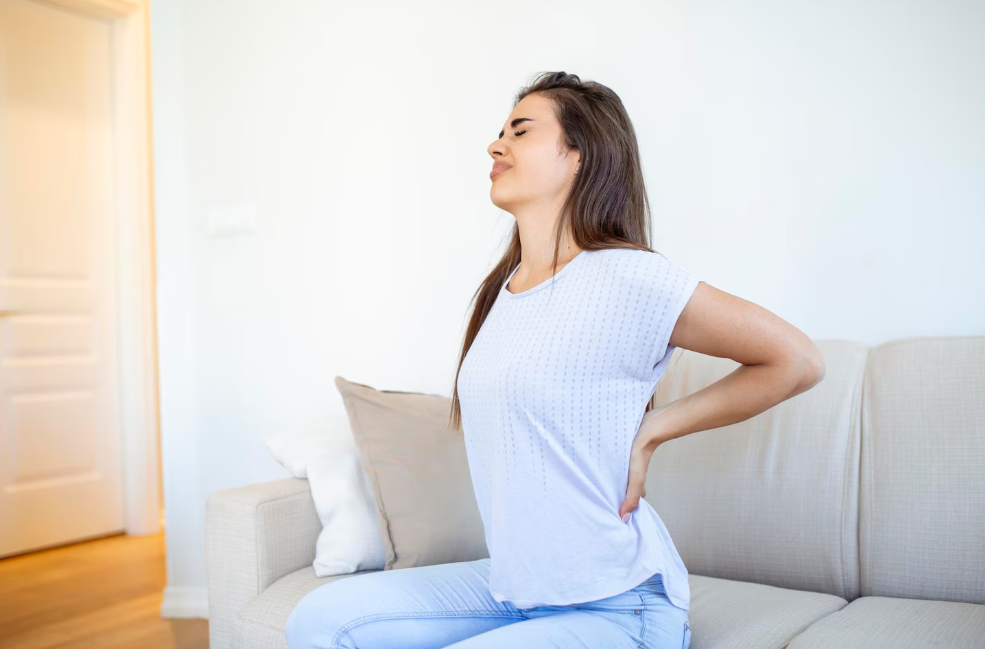
Patients may better manage their health and identify the areas of their bodies that require mending the most thanks to cannabis’ many uses. Anxiety is one example of a disorder that is thought to be mental yet may really result in bodily discomfort. You see, when you’re under stress, your body releases cortisol, an acidic hormone that sets off an inflammatory response in your body. You will experience a variety of additional disorders, from slight pains to serious and complex problems, while your body is inflamed. The answer to addressing the causes and symptoms of illnesses may thus be a holistic strategy that considers the connection between mental and physical health (aided by cannabis). Holistic cannabis treatment is distinctive in that it offers medical professionals a viewpoint to take into account how prior trauma and adversity effect a person’s long-term physical and mental health. According to research, those who experienced more stress or trauma as children are more likely to develop COPD and require hospitalization more frequently. According to another research, children who experience high amounts of stress may be more susceptible to cardiovascular issues. Holistic cannabis medication gives patients greater freedom since they may personalize their treatments to suit their unique needs. Stop dealing with medications that might cause side effects that required further prescriptions to treat and sometimes worse than the original problems.
What Is Cannabis?
The Cannabaceae family includes the complex plant known as Cannabis sativa, or marijuana. More than 100 cannabinoids, including the two most well-known cannabinoids, tetrahydrocannabinol (THC), and cannabidiol, are among its 540 chemical constituents (CBD). Typically, parts of the cannabis plant with high THC content are referred to as “marijuana.” According to the federal U.S. authorities, hemp refers to parts of cannabis plants that have less than 0.3% THC by dry weight. Because of the sensations of pleasure, reduced anxiety, and enhanced relaxation it causes, THC is the substance that lends cannabis its reputation as an intoxicatingly psychoactive narcotic.

History of Medicinal Cannabis
Cannabis is referred to in Chinese as má, which means “numbness,” “hemp,” or “cannabis.” In Taiwan, its usage was originally documented about 10,000 years ago. Botanist Hui-lin Li claims that medical marijuana use in China is likely to be a very recent phenomenon. As ancient humans consumed hemp seed, it only makes sense to find out whether anything they consumed had any therapeutic benefits. The therapeutic use of cannabis is mentioned in a medical treatise written by the Emperor (and pharmacologist) Shen-Nung in 2737 BCE. He claimed that all ailments, including rheumatism, gout, and constipation, could be treated with medicinal cannabis. One of the 50 essential herbs in traditional Chinese medicine is cannabis. According to the Ebers Papyrus, around 1550 BCE the Ancient Egyptians were using medicinal cannabis as suppositories to cure hemorrhoids. Comparable manuscripts from antiquity in India demonstrate unequivocally that doctors were aware of the psychotropic nature of cannabis. It was used to cure a variety of diseases, such as headaches, sleeplessness, and discomfort during delivery. The Ancient Greeks also utilized cannabis as a medicine to heal sores on their horses. Also, they utilized cannabis seeds to get rid of tapeworms and dried cannabis leaves to stop nosebleeds. Arabian doctors initially employed cannabis sativa, a species that comprises hemp and marijuana variations, extensively in the 8th century. Cannabis sativa was employed for its antiemetic, diuretic, anti-inflammatory, and pain-killing qualities since it has a greater concentration of THC. Cannabis sativa has been domesticated by humans for all of recorded history and grows naturally in tropical and humid regions of the planet. Between 10,000 and 5,000 years ago, landrace strains emerged when cannabis consumption expanded throughout Eurasia. Cannabis first appeared between 2,000 and 500 years ago and has since expanded across the Middle East and Africa. Localized strains evolved over ages in various places.
Cannabis As A Substitute for Opiates
The most common reason for unintentional death in the US is prescription medication overdose. To solve this problem, opioid substitutes for the treatment of pain are required. Compared to opioid-based pharmaceuticals, cannabis can be an excellent pain reliever that considerably minimizes the likelihood of dependency and completely removes the risk of deadly overdose. Those who use medical marijuana say it relieves pain just as well as, if not better than, opioid-based drugs. While used to treat and manage chronic and severe pain, opioids have the potential to be abused and become dependent upon. This exercise goes over the restrictions, warning signals, and symptoms of negative effects, as well as other crucial aspects of opioid and cannabis therapy in a patient with chronic pain.
[restrict]What Are Edibles?
Edibles made with marijuana are foods and beverages. These can come in a variety of shapes and sizes, from chocolate, sweets, and breath mints to savory nibbles and even ice cream. Yet, not every cannabis-infused consumable has the same active component (or cannabinoid). The three primary kinds of edibles are THC-dominant edibles, CBD-dominant edibles, and edibles with a balanced ratio of both THC and CBD. This is true of all cannabis products. The two main cannabinoids (cannabis’ active constituents) that most people are familiar with are THC and CBD. But, depending on what is permitted in the state where they are marketed, edibles may also contain additional minor cannabinoids, such as CBG, CBN, or THCV. You’ll experience varied effects after eating an edible depending on the type of cannabis it contains. Edibles with a higher THC content often have a more euphoric or psychoactive impact. More CBD content in edibles results in less of a “high,” but they may also help you feel calmer and less nervous. A traditional edible should have effects that last for at least 6 to 8 hours, and occasionally much longer. But, you must wait between one and two hours after ingesting the consumable before you begin to experience its benefits. Yet the cannabis market is always changing. “Nanoformulation” is a more recent technique that is applied in cannabis edibles. As a result, the cannabis particles in an edible are quite tiny. These products operate more quickly because their smaller particles are simpler for the body to absorb.
It might seem apparent, but how you consume cannabis affects how your body absorbs it. Cannabis is immediately taken into your circulation when you inhale it, passing through your lung tissue. When you take cannabis, your stomach, intestines, and liver ingest, absorb, and metabolize the drug. Also, how you will experience cannabis depends on how your body processes it. It is hard to determine the ideal dosage of an edible for any specific individual. There are a lot of factors to balance, including lifestyle, health, genetics, and many others. Everybody’s “correct dose” will be different since every body reacts to and experiences cannabis in a unique way. Furthermore bear in mind that a person’s weight doesn’t appear to matter when it comes to cannabis.
Small Axe Cannabis: Relax and Recover
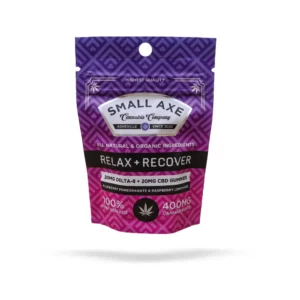
These Relax + Recover gummies help you recharge after a long day since they are made with a 1:1 ratio of CBD to Delta-8. The combination of 20mg of CBD and 20mg of Delta-8 effectively reduces post-exercise inflammation. The five Blueberry Pomegranate and five Raspberry Lemonade candies found in each box are ideal for people who are new to edible cannabis. These are manufactured with entirely organic and natural components, like all of their goods. One gummi will help you unwind and recharge.
Small Axe Cannabis: Forbidden Fruits
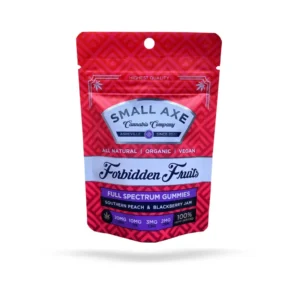
The incredibly well-liked Forbidden Fruits recipe from Small Axe has a sibling product called Forbidden Fruits, however it has fewer evening effects. They increased the CBG in this mixture from 3 mg to 5 mg and added a pinch of spice. 20 mg of CBD and 10 mg of D9 are also present. Do not operate machinery or operate a vehicle after ingesting this drug since it is psychotropic. There are 5 Island Pineapple and 5 Mango Chili Lime gummies in every pack of Forbidden Fire. Please be aware that the Island Pineapple flavor contains Habanero pepper extract and is very hot.
The Future of Medicinal Cannabis
Medical cannabis has a bright future, but it will need to use the best techniques and knowledge assets of the cannabis, technology, pharmaceutical, and traditional Western medicine businesses. The future of medicine resides in nature, with almost 70% of new cancer therapies coming from natural sources. Cannabis sativa L. has been used as a herbal treatment for ages all throughout the world. Recent studies have demonstrated its ability to treat a number of illnesses, including cancer. With the possibility to 3D print customized cannabis-based medications in nearby pharmacies, technology is advancing therapy.
Medical cannabis formulations can be combined with other naturally-derived drugs to increase effectiveness in addition to their stand-alone effects. For instance, separate research showed that the three distinct routes each destroyed almost 100% of HER2+ breast cancer cells in 3D cell cultures when medicinal cannabis and functional mushroom formulations were combined. These striking findings have supported the start of human studies and represent an important turning point in cannabis’ potential for use in cancer. We should always be looking to the future and how cannabis-based medications can integrate into new methods to drug design as they transition from the “novel” to the mainstream.
[/restrict]