
How and what were honey bee products used for by Cleopatra, Hippocrates, twelve-time Olympic medalist Nurmi, or your great-great-grandfather? How do we now utilize them? Beekeeping has been practiced by our ancestors since the fourth millennium BC. They began by ruthlessly stealing food from bees and then moved the logs containing the honey bee colonies closer to where they lived. Thus, beekeeping was created. Murals offer the earliest indication of the coexistence of honey bees and people since bee development has gone through numerous stages, much like our own. Honey bee species changed over time in response to various environmental factors as they developed alongside blooming plants. Our region was colonized by bees from the Mediterranean, and our forefathers were more interested in beekeeping than in raising animals. The development of what we know today as a honey bee apiary (where beekeepers keep and maintain their hives), started as someone discovering a wild hive in a hollowed out log, and bringing that log closer to where they lived. They began keeping bees near their own homes because they were too indolent to go through the woods in search of them. Once they started to understand how honey bees worked and thrived, they started to place honey bee swarms that they captured into old hollowed out logs on their property. As their knowledge of the honey bee colony management advanced, Humans started to experiment on various bee hive creations, such that there was a version where a hive was also crocheted out of straw and smeared with clay.
The Powerful Effects of Bee Bi-Products
Ever since he learned about honey bees, man has tried to take advantage of bee bi-products. Initially relatively naive, but through time and with the help of decades of expertise, bee products have been employed in traditional medicine. Scientists, biologists, chemists, and doctors only recently developed an interest in bee bi-products and have since been working to decipher their mysteries and the core of their effects on the human body. Our forefathers understood the strength of nature and how important honeybees are to it. Since bee bi-products are wholly natural and distinctive, they frequently can treat ailments that leave medical science scratching its head. The discovery of cave drawings is proof that man has been gathering honey since prehistoric times. For instance, an image of a man collecting honey from swarms of wild bees discovered in the Araa Caves outside of Valencia, Spain, dates to about 12,000 BC. Similar themes have also been discovered in other caves, such as Africa’s Zombepata Cave or Eland Cave. One of the earliest examples of beekeeping is a relief from 2,400 BC that was discovered in one of the sun temples at Abu Ghurab in Egypt and shows the collection of honey and its storage in jars. A bas-relief from a tomb in Thebes from the first millennium BC, which depicts a kneeling figure gathering honey from clay tubes used as a beehive, is another example of ancient Egyptian beekeeping. Honey jars that are at least 4,000 years old have been discovered in the graves of Egyptian pharaohs. The honey was still edible after such an unbelievably long period since they were wax-sealed tightly. Mankind’s need for honey goes back to the Stone Age, as indicated by the often arduous and perilous ascents they conducted to reach it from the tops of lofty trees or cliffs.
Hippocrates, an ancient physician who is now regarded as the “father” of medicine, advocated raw honey as a miracle all-purpose treatment and antidote for illnesses. He said that when consumed in the proper quantity and at the appropriate time, honey and wine are most effective for both the ill and the healthy. Patients were given honey as a separate medication, and some doctors recommended it mixed with milk. It was used in combination with many medications, particularly for conditions affecting the liver and kidneys as well as the stomach and intestines. Pythagoras and Hippocrates lauded honey’s virtues and thought their long lives were due to their constant consumption of it. The Roman scientist Pliny the Elder spoke about the effects of honey in his writings.
Additionally, our forefathers enjoyed using homemade honey as a home remedy, particularly for digestive issues or ailments of the liver and gallbladder. Since the beginning of time, raw honey has also been used to treat upper respiratory tract inflammations, and drinking tea flavoured with honey and lemon is still a typical first treatment for cold symptoms. Burns, ulcers, and bedsores have all been treated using their antiseptic properties. Additionally, they discovered that honey has great water absorption qualities, can drain pus and foreign objects from wounds, inhibits bacterial development, and has disinfecting properties. Since the beginning of time, honey has been used for cosmetic reasons and is suited for all skin types. On the skin, honey has a moisturizing function that causes it to both absorb and hold moisture. The skin is softer, regenerates, looks brighter, and is shielded from environmental impacts. It is used in many skin, body, and hair cosmetic products because of its favourable effects on the skin. Along with wrinkle-smoothing, skin-inflammation treatment, and skin rejuvenation treatments, it is also used to treat eczema and psoriasis. Try a massage with raw honey as well.
Propolis: Uses
Mankind has known of and used propolis, (sometimes known as bees’ putty), for generations. Propolis has a more than 5,000-year history and has demonstrated its effectiveness in eradicating bacteria that are harmful to human health. The Assyrians used it to treat tumours and wounds, while the Egyptian pharaohs employed it as a medicine. The Greeks expanded on their understanding of how to cure purulent inflammation. The Celts believed that propolis had protective properties and would drive away bad spirits and bewitching by burning it to fend against spells and sorcery. Additionally, it was included in concoctions that were meant to promote communication with positive spirits and the natural world as well as promote healing. More than 15 Greek and Roman authors wrote about propolis, the purported third natural product of bees (after raw honey and wax). The Greek philosopher Aristotle described propolis as a black material with a strong aroma that bees use to guard their colonies and which aids in the healing of wounds and sores in his Historia Animalium. According to legend, Hippocrates employed propolis to treat wounds and ulcers. Propolis is mentioned in writings by the Roman scholars Marcus Terentius Varro and Pliny the Elder as a material used for poultices and as a hive protector. Propolis is also mentioned as a therapeutic agent in the Naturalis Historia.
The Story of Philanthrobee
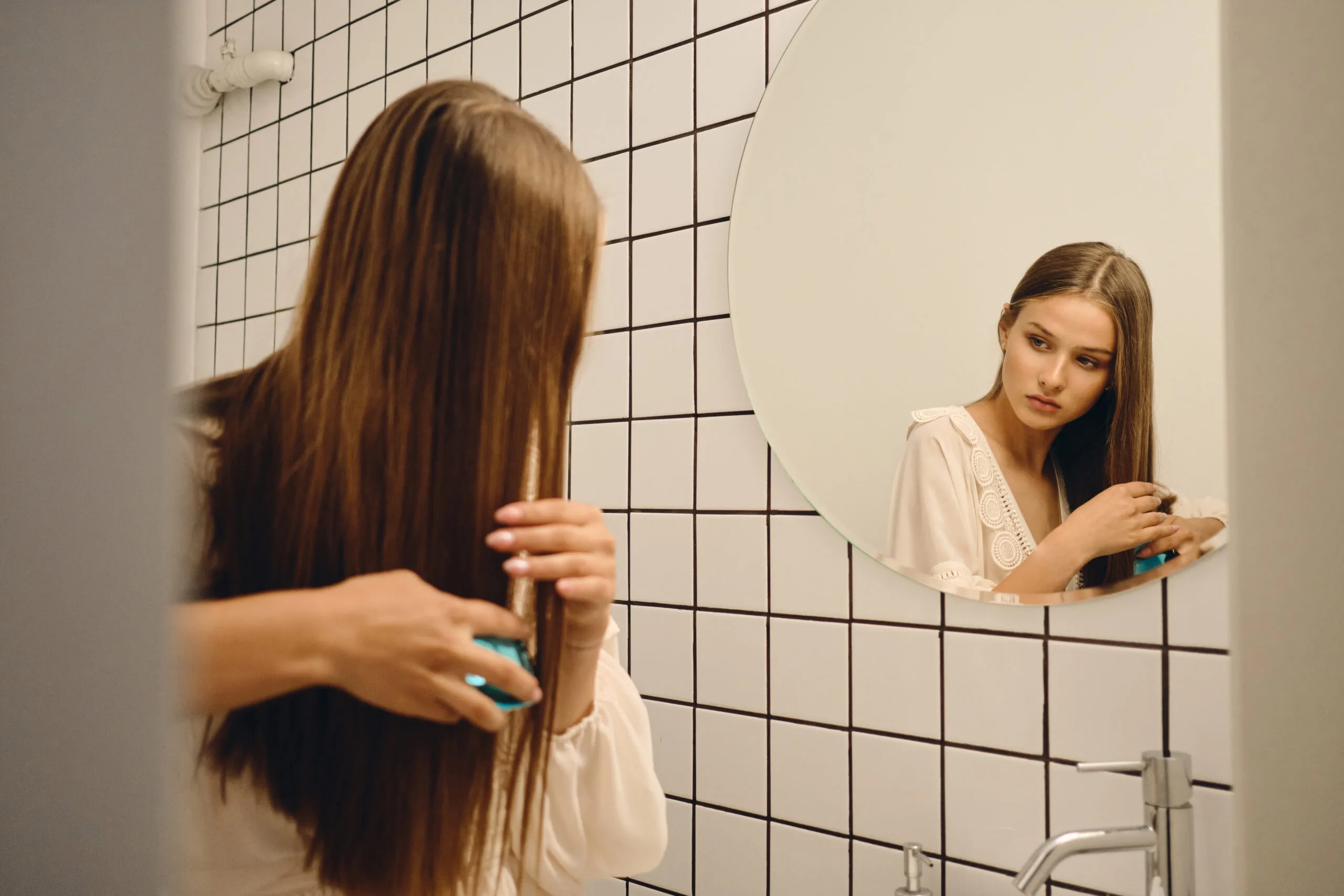
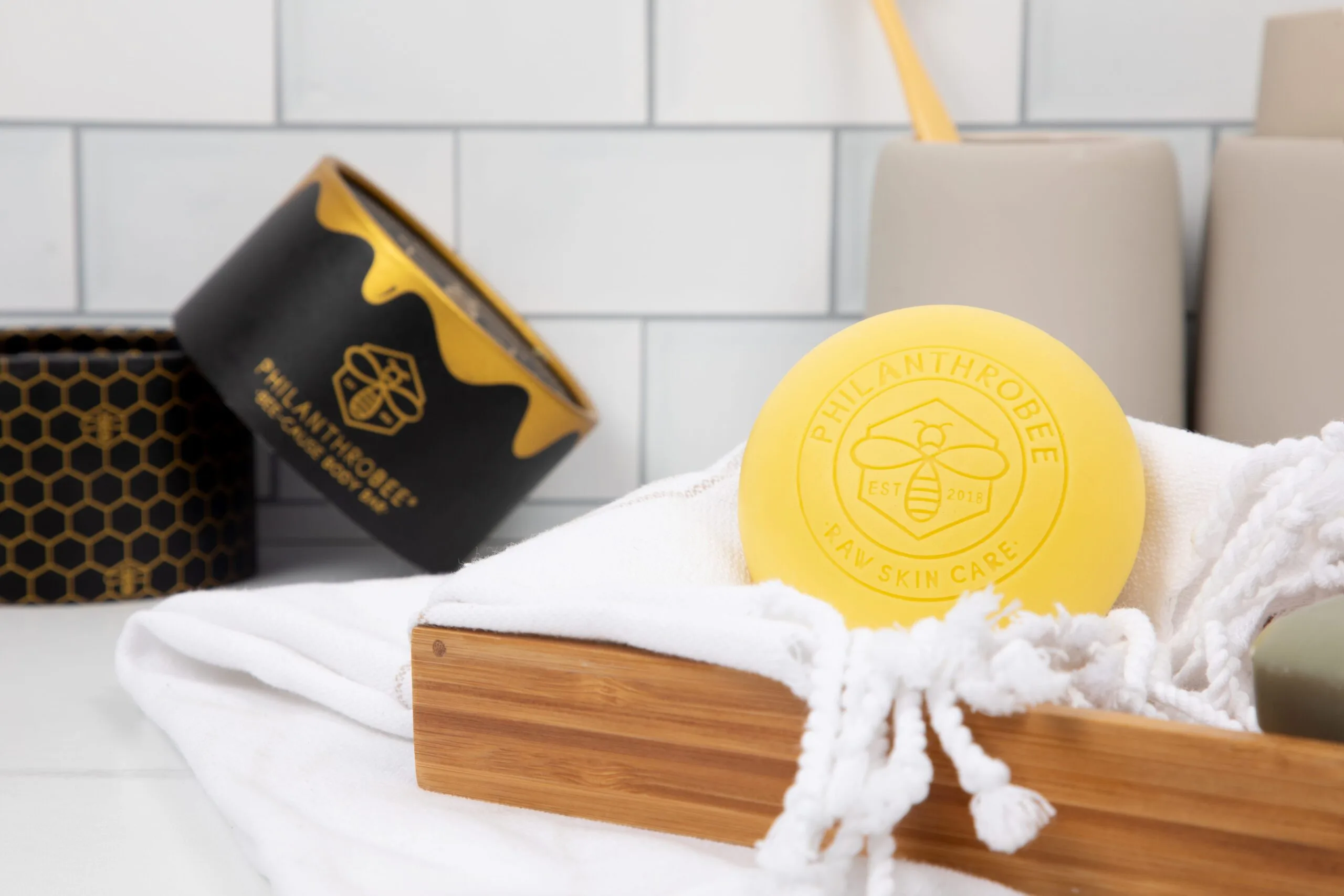
Several skincare brands guarantee the newest ingredients and claim their products will work wonders for our skin. However, these same businesses fail to disclose all of the harmful preservatives, lab-made sulphates, and hazardous parabens added to their products. These cosmetics are doing more damage to our skin than good. Our biggest organ is our skin. Why do we spend hundreds of dollars for something that has been through so much processing? These substances are harmful to our health. We as a culture are quite quick to condemn the foods we eat because they aren’t “farm to table.” The same unsavoury elements that are in the majority of these processed meals that we frequently condemn, however, are slathered all over our bodies. PhilanthroBee offers a fresh take on raw skin care ingredients, and good for your skincare which their raw materials are sourced from their honey bee apiaries in Willow Glen, California, and they hand-craft all of their items. There has never been a greater example of the “Farm to Table” idea.
Philanthrobee: Bee-Cause Body Bar
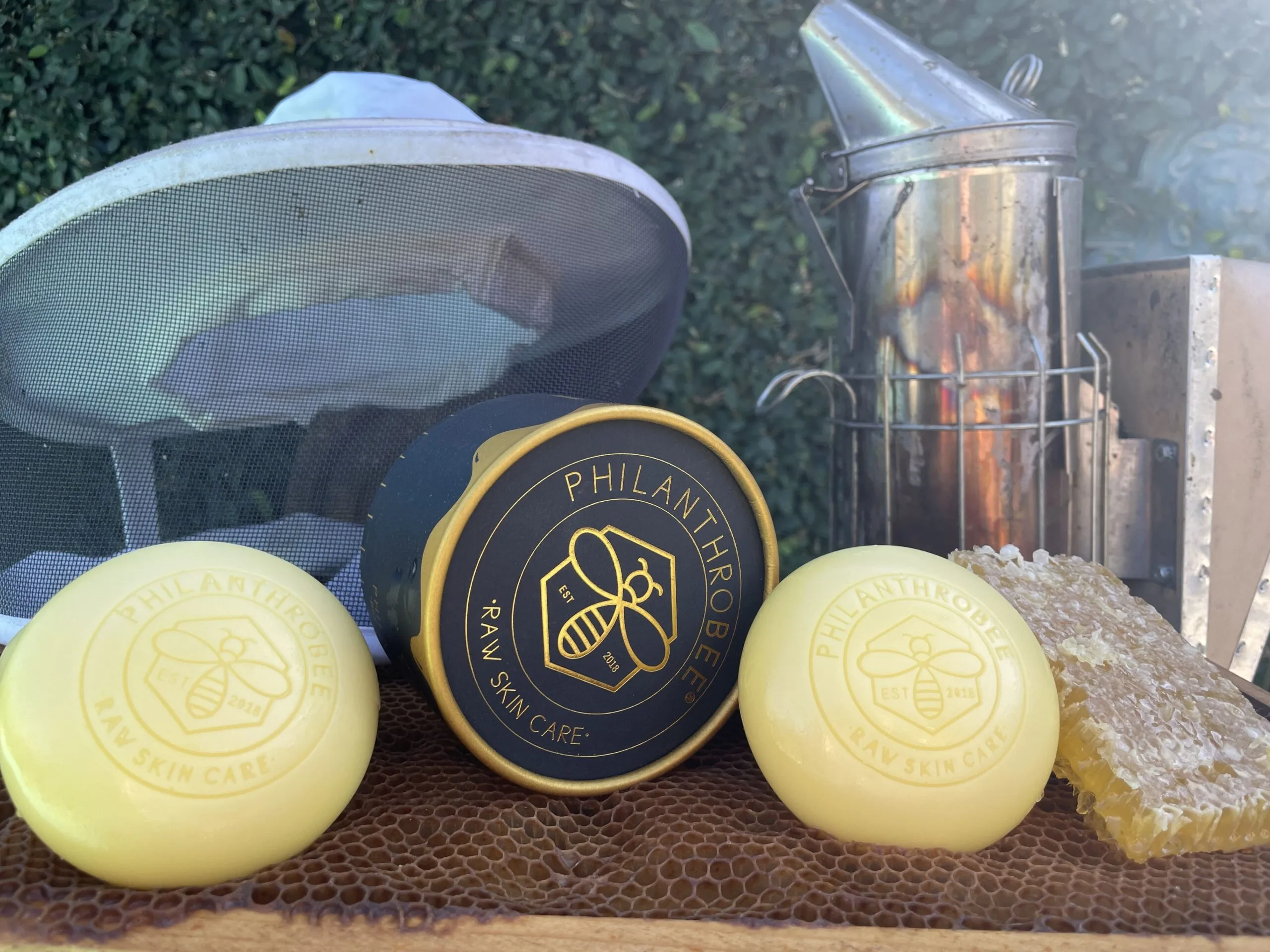

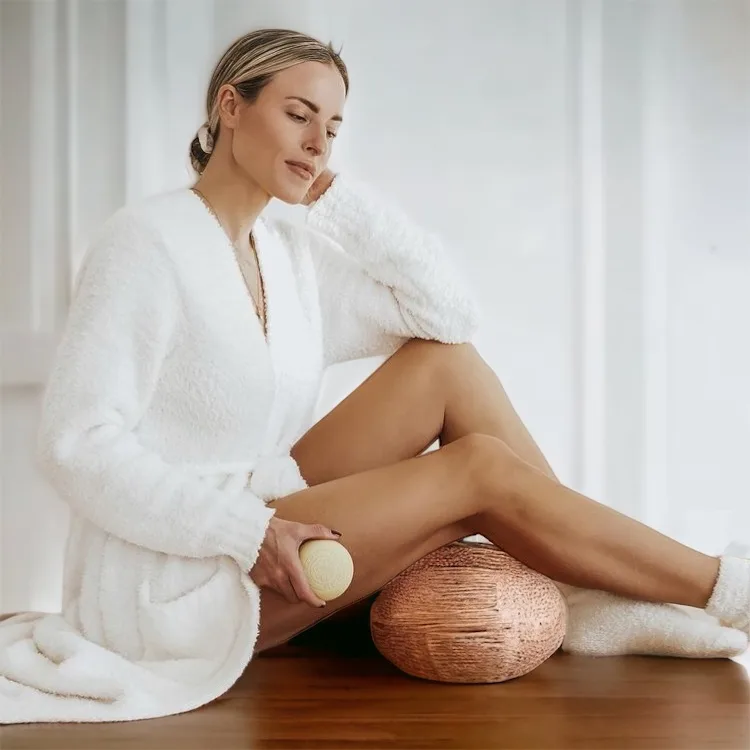
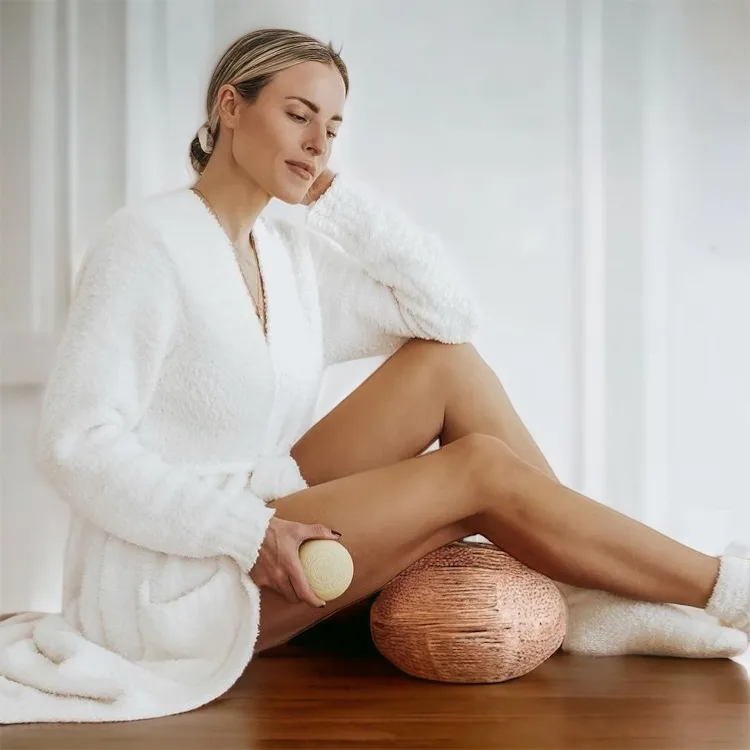
When your skin feels tight, itchy or acrimoniously irritated, the last thing you want to do is slather on heavy lotions that have been chemically treated. To soothe, replace moisture, promote skin health, and prevent damage, the Bee-Cause moisturizing Body Bar uses the heat generated by your body to melt into your skin. Californian honey bee propolis, organic raw honey, and unrefined beeswax are all-natural therapeutic products that are harvested right out of their hives. The solid moisturizing bar deeply hydrates your skin for long-lasting moisture. The bar builds a barrier that fights microorganisms to keep moisture in and irritants out. The Bee-Cause Body Bar has a melt-in-your-mouth sensation and a creamy color that makes it appear to just bee-long on your skin.
Bee-Cause of the Bees
Honey bees, especially their honey, have always drawn man, and he even figured out how to breed them and employ them for his benefit. Although it may appear that we have somehow subdued bees, bees still live their own lives, following their instincts. However, beekeeping has brought us closer to this intriguing society, given us a window into its daily existence, and enabled us to make use of its powerful, and untouched offerings. Honey bees, which were being cared for more and more, benefited from the partnership between beekeepers and the bee community. Honey bees were not adored by humans without cause, as can be seen by studying the history of man’s coexistence with bees and learning about their bi-products. In addition to playing a crucial part in pollinating plants, they are essential to humans since they help us take better care of our health. These basic ingredients are still cloaked in mystery despite the current understanding of bee products, their makeup, and their effects, and will continue to be a source of intriguing new findings and discoveries for a very long time.
* In partnership with our friends at PhilanthroBee LLC* Photo courtesy of PhilanthroBee LLC
* These statements have not been evaluated by the Food and Drug Administration. These products are not intended to diagnose, treat, cure or prevent any disease.
* The information available on ewellnessmag.com, including text, graphics, and other materials is for informational purposes only. Reliance on any information in ewellnessmag.com is at the user’s own risk. Sponsored product placement may appear in the article. The visitor of this website acknowledges that the information available on or through ewellnessmag.com is not and is not intended to be a substitute for professional medical advice. Copyright © 2023 Brawo Press, Inc. All rights reserved.