

There are some rooms where a person can tell who has just been there without seeing them. A trace of perfume remains near the doorway. Someone’s hair oil lingers on the collar of a coat. The bathroom still carries the warm, faintly floral smell of whatever was used after a shower. Scent is fleeting by nature. It marks a moment without needing to stay.
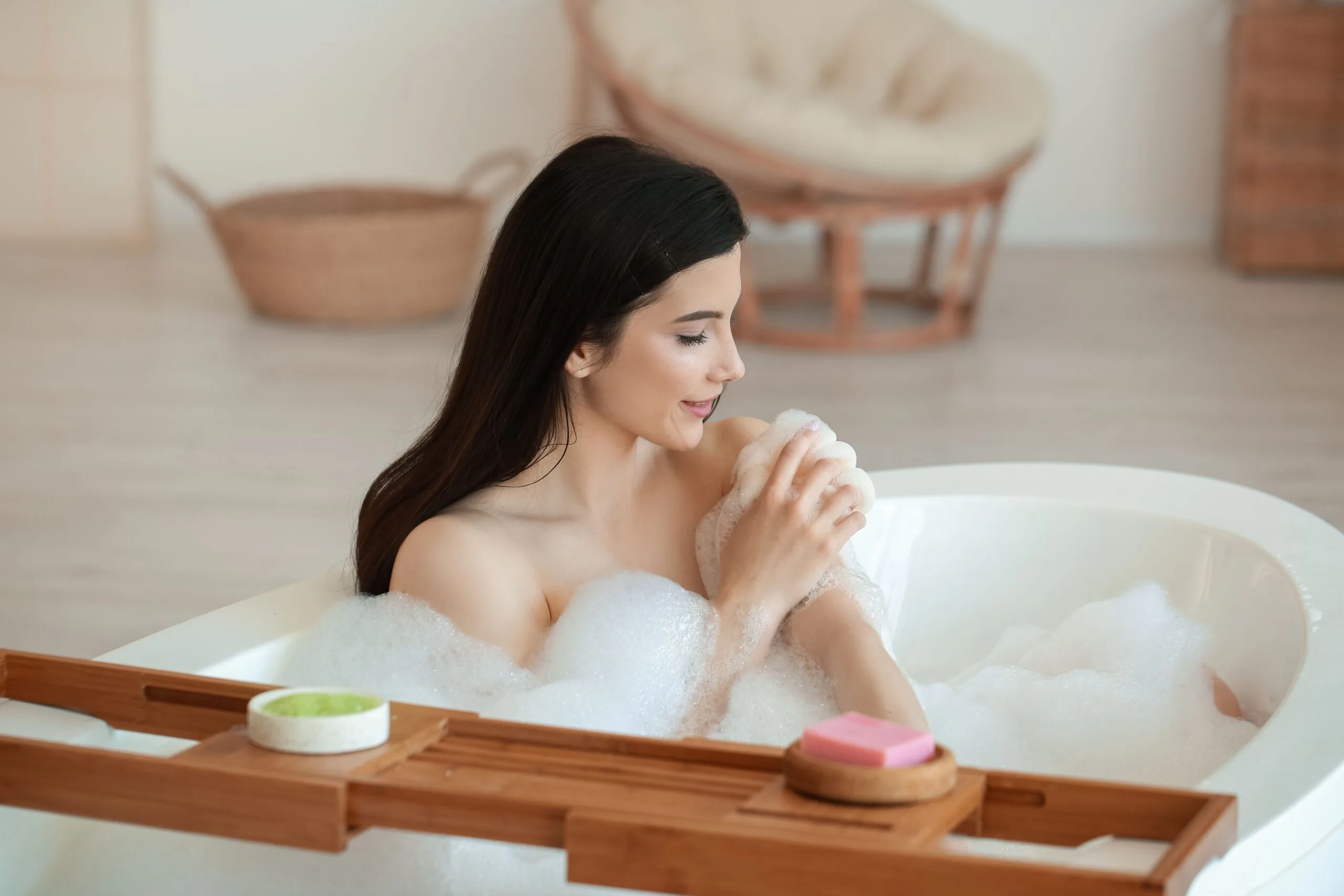
Fragrance has become associated with leaving the house: the final spray before a meeting, dinner, a wedding or an evening out. There is, however, another use for scent that is quieter and more intimate. It belongs to the person wearing it. A body butter applied after bathing, a balm worked through a beard, a familiar fragrance on the skin before bed. These are small acts, but they can change the texture of an ordinary evening.

When Scent Becomes Part of Showing Up
Fragrance-forward body care sits somewhere between grooming and sensory memory, between the practical task of moisturizing the skin and the much less practical pleasure of smelling something beautiful.
Àbẹ̀kẹ́ Skincare has built its identity around that territory. The small-batch body care brand is based in Minneapolis, where founder Ruddy Bakare makes the products by hand, working from her own formulas. The Yoruba name Àbẹ̀kẹ́ means “born to be cared for and pampered,” a meaning that gives the brand’s approach a more personal dimension than the usual language surrounding body care.
Its tagline, “Smelling good is our religion,” is intentionally direct. It reflects a Nigerian understanding of scent as part of showing up for oneself. In Nigerian households, fragrance is not necessarily reserved for special occasions. It can be part of presentation, hospitality and everyday self-respect.
Building a Fragrance from Memory
That cultural relationship with scent is central to Àbẹ̀kẹ́ Skincare’s approach. Bakare composes the scents herself, working from individual aroma materials and blending components in specific proportions until each combination comes together as intended on skin. The blends are IFRA-compliant, following international fragrance safety standards.
A familiar combination of vanilla, citrus or woods can appear across lotions, candles, soaps and perfumes until the categories begin to blur. Àbẹ̀kẹ́ approaches fragrance differently: its scents are connected to places, memories and cultural references rather than being built solely around whatever happens to be fashionable.
Aso-Ebi, for example, takes its inspiration from Zobo, the hibiscus drink served at Nigerian gatherings. Its fragrance combines hibiscus, rose, star anise and vanilla. Even its name carries another layer of meaning: aso-ebi refers to matching fabric worn by members of a family or social group at occasions such as weddings, creating a visual way of recognizing who belongs together.

The Pleasure of Not Choosing Just One
The same philosophy is visible in the Body Butter Discovery Set, although its appeal is considerably more every day. Rather than asking someone to commit immediately to a full-size jar, the set offers six miniature body butters, each 0.5 oz, allowing the scents to be experienced individually. The current set includes Orange, Serene, Unscented, Duské, Goldenette and Amber. Their profiles move between citrus, green tea, floral notes, creamy vanilla, warm spice and musk, with an unscented option for those moments when fragrance is not wanted.
The format has something slightly old-fashioned about it in the best sense. It makes choosing a scent a process rather than a prediction. Instead of reading a description online and hoping the fragrance matches the imagination, the small jars allow each one to be worn, lived with and compared.
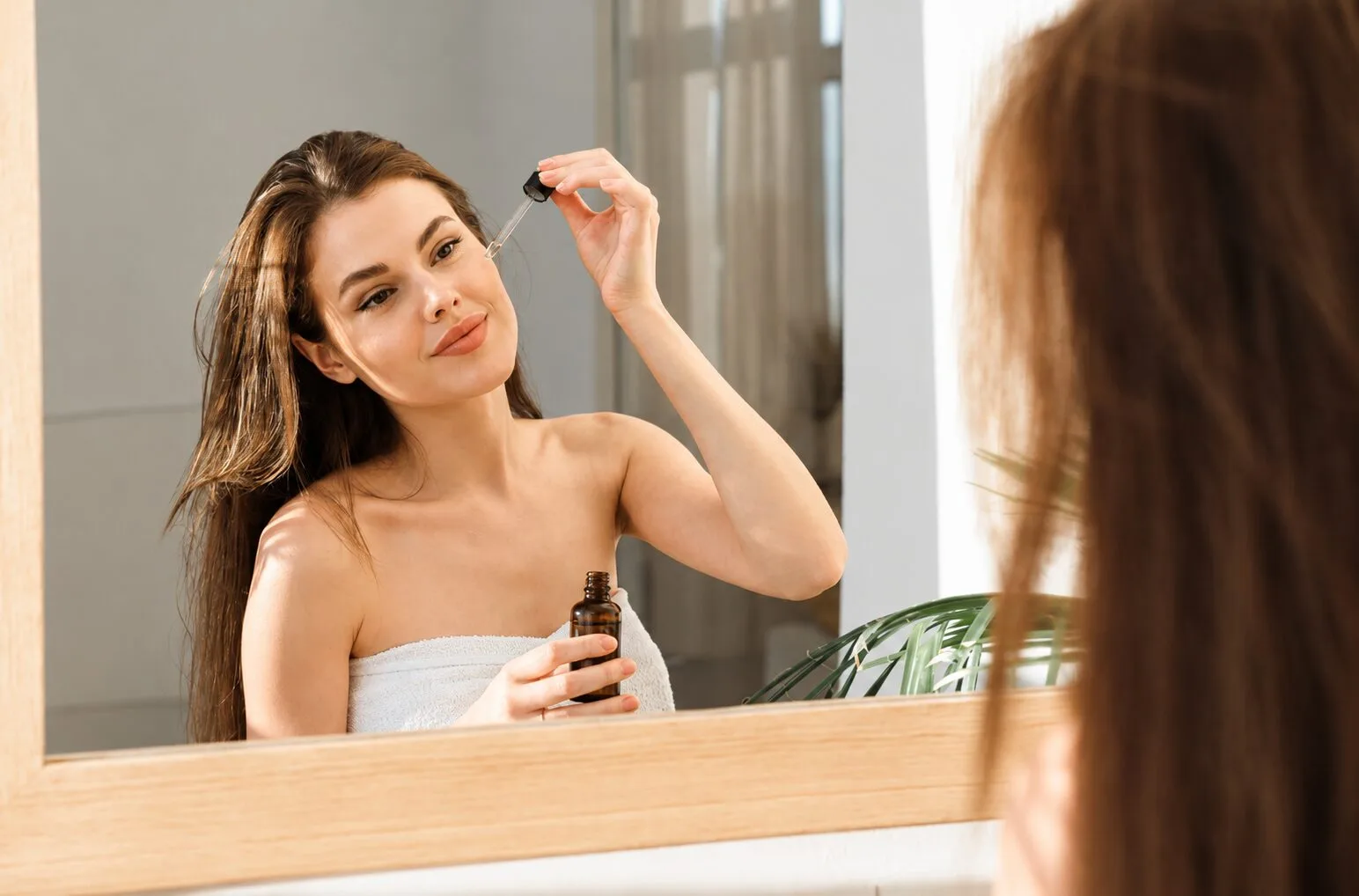
Fragrance also behaves differently on skin than it does on a screen. A description can explain orange, tangerine, mango and cream, but it cannot quite reproduce the experience of putting the butter on warm skin after a shower. Nor can it tell someone whether that particular scent feels right in the morning, whether it becomes softer after an hour or whether it belongs more naturally to the evening.
Where Texture Meets the Weather
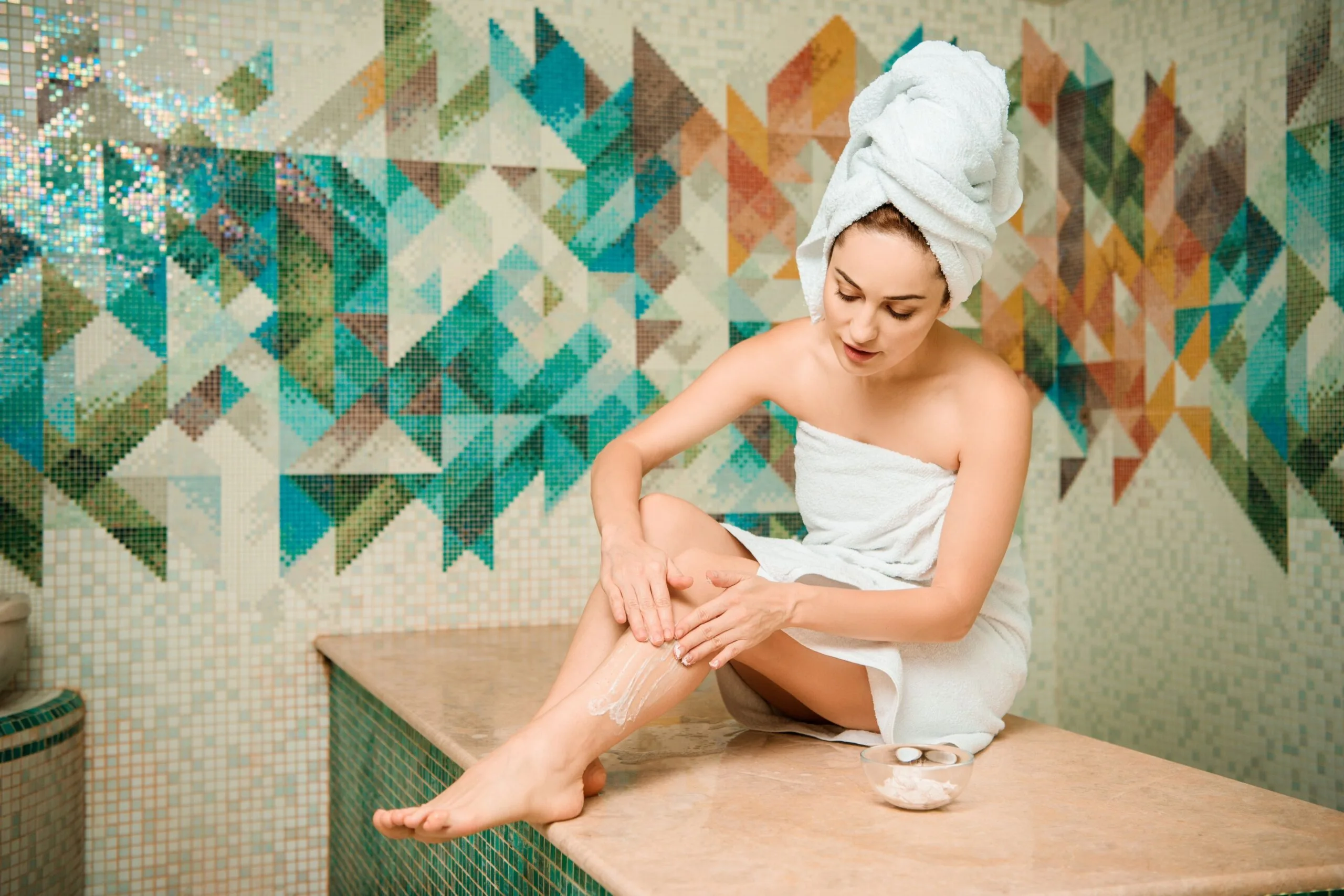
The body butter itself is deliberately straightforward in purpose. The whipped formulas are made with shea, mango and cocoa butters, avocado and castor oils, and vitamin E, and are anhydrous, meaning they contain no water. The product is intended for application to clean, slightly damp skin, particularly areas that tend to feel dry such as the elbows, knees, legs and hands.
Without water in the formula, the butter has a richer character than a conventional water-based lotion. That texture can make sense for areas of the body that tend to feel dry, particularly when a lighter lotion does not provide the same feel on the skin.
Scent changes the experience again. Applying the butter becomes a moment of selection: something fresh and citrusy one day, something warmer another. The minis can also travel in a purse, car, desk or overnight bag, keeping the ritual close rather than confining it to the bathroom.
Grooming Can Be Sensory, Too
There is a similar idea at work in Àbẹ̀kẹ́’s Beard Balm. Facial hair is usually discussed in terms of grooming: shaping it, softening it, keeping it neat, but a beard also creates a place for fragrance to sit close to the face.
The balm combines shea butter, coconut oil, beeswax, sunflower oil, castor oil and vitamin E, with a soft texture designed to melt between the palms before being worked through the beard. Its fragrance is built around black pepper, cedarwood, sandalwood and bergamot essential oils, giving it a warm woody-spice character.

The beeswax provides light hold rather than the rigid finish associated with some traditional beard products. It comes in 2 oz and 4 oz sizes, priced at $15 and $26 respectively on the product page.
The balm conditions facial hair and the skin underneath while helping shape it, but the experience is also olfactory. A small amount becomes part of the grooming process, leaving fragrance close to the face rather than projecting it across a room.
From a Minneapolis Apartment to a World of Scent
Àbẹ̀kẹ́ Skincare began in Bakare’s Minneapolis apartment and has grown through local markets, pop-ups and an interactive scent-bar experience where customers can smell, compare and layer fragrances in person.
The line now extends beyond body butters and beard care into soaps, body wash, beard mists, reed diffusers and solid perfume.
The products are different, but fragrance provides a thread between them. Body care becomes more about the way scent moves through daily life: on skin, in hair, in a room, on the hands.

The Ritual Does Not Have to Be Bigger
“Showing up for oneself” is a quieter idea than the familiar vocabulary of self-improvement. Showing up can mean taking the extra few minutes to massage butter into dry hands rather than rushing straight from the shower to the next task or working balm through a beard slowly enough to notice the scent of bergamot and cedarwood.
Eventually, the scent fades. The butter disappears into the skin. The beard has been combed and the tin closed. The bathroom returns to its ordinary smell.
That is part of what makes scent such an interesting companion to ritual. It does not need to last forever to have marked the moment. A fragrance can fill a room briefly, settle against the skin, and then become almost imperceptible.
Later, there may be nothing left to see. The jar is closed, the balm is back on the shelf, and the room smells ordinary again. But for a few minutes, someone stopped long enough to care for themselves, and that, too, can leave a trace.